
In the competitive landscape of modern commerce, symbols act as a shorthand for a brand’s values, promises, and identity. Among the various icons used in corporate identity, the panther stands out as one of the most potent and multifaceted symbols. When a company chooses a panther to represent its brand, it is rarely a casual decision. Instead, it is a calculated strategic move designed to evoke specific psychological triggers and market positioning.
The panther represents a unique intersection of power, elegance, and stealth. In brand strategy, these traits are translated into corporate attributes such as market dominance, premium quality, and disruptive innovation. Understanding what the panther represents requires a deep dive into semiotics, consumer psychology, and the history of iconic brands that have harnessed this predator’s image to build global empires.

The Archetype of the Panther: Power, Stealth, and Elegance
From a branding perspective, the panther belongs to the “Hero” or “Magician” archetypes. It is not merely an animal; it is a manifestation of controlled strength and sophisticated mystery. Unlike the lion, which represents overt royalty and loud authority, the panther represents a more calculated, silent, and refined power.
Speed and Agility in Market Positioning
In the fast-paced world of tech and consumer goods, the panther symbolizes the “lean” business model. It represents a brand that is agile enough to pivot and fast enough to beat competitors to the punch. When consumers see a panther logo, they subconsciously associate the brand with responsiveness. This is particularly effective for companies that want to be perceived as cutting-edge or ahead of the curve. The panther doesn’t just run; it pounces. This “pounce” represents a brand’s ability to seize market opportunities with precision and force.
The Mystery of Premium Exclusivity
One of the most valuable traits the panther brings to a brand is mystery. Because panthers are nocturnal and solitary, they carry an aura of the “unseen.” In brand strategy, this translates to exclusivity and “quiet luxury.” A brand represented by a panther does not need to shout to be noticed. It exists in the shadows of the high-end market, catering to those who value substance over flash. This makes it an ideal symbol for boutique firms, luxury automotive brands, and high-fashion houses that want to cultivate a “members-only” atmosphere.
Case Study: Cartier and the Art of Timeless Luxury
Perhaps no brand is more closely associated with this feline than Cartier. The “Panthère de Cartier” is not just a collection; it is the soul of the brand’s identity. By examining Cartier’s use of the panther, we can see how a symbol can be leveraged to create a legacy of status and emotional connection.
Evolution of the “Panthère de Cartier”
Cartier first introduced the panther motif in 1914, not as a literal depiction, but as a pattern of onyx and diamonds on a wristwatch. This was a strategic choice to align the brand with the “femme fatale” aesthetic of the era—representing women who were independent, powerful, and dangerous. Over the decades, the panther evolved into three-dimensional sculptures in rings and necklaces. This evolution shows how a brand symbol can grow from a mere design element into a cultural icon. The panther became a shorthand for “The Jewel of Kings,” signaling that the wearer possessed a level of taste and power that was both fierce and refined.
Emotional Connection and Status
The panther represents a bridge between the wild and the civilized. For Cartier’s clientele, the symbol offers a way to express their own inner strength through a medium of extreme sophistication. From a brand strategy standpoint, this creates a powerful emotional hook. The brand isn’t just selling jewelry; it is selling the persona of the panther. When a consumer invests in a “Panthère” piece, they are buying into a narrative of independence and predatory elegance. This emotional resonance is why the panther remains relevant for Cartier over a century later.
Visual Identity: Design Elements of the Panther Logo
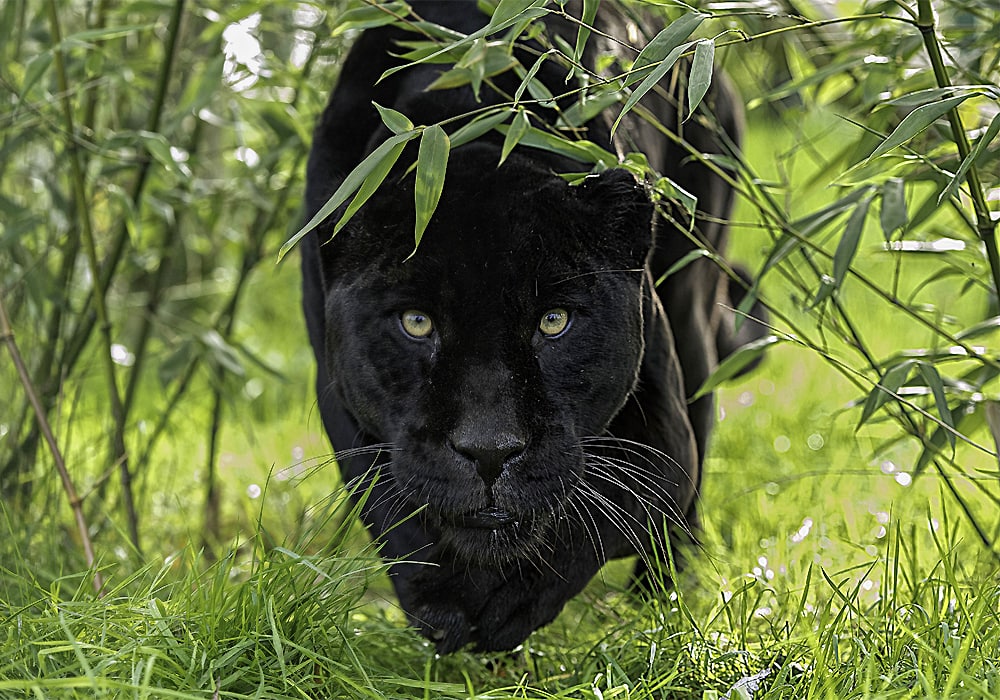
The visual representation of a panther in a brand’s logo must be executed with precision to convey the right message. The design language of the panther often relies on specific shapes, lines, and colors to communicate its brand values.
Minimalism and Flowing Lines
Most panther-based logos emphasize the silhouette. This is because the panther’s power is in its form. Brands like Puma or various luxury automotive marques use sleek, flowing lines to emphasize the animal’s musculature and motion. In graphic design, these curves suggest flexibility and grace. A blocky, static panther would feel “off-brand” because it contradicts the animal’s natural essence of fluidity. Therefore, the panther represents a brand’s commitment to “frictionless” service or “seamless” technology.
Color Psychology: Black as the Ultimate Brand Statement
While panthers can technically be spotted (as they are melanistic leopards or jaguars), they are almost always represented as solid black in branding. In the world of marketing, black represents authority, elegance, and sophistication. It is the color of the “Little Black Dress” and the high-end executive sedan. By utilizing a black panther, brands double down on the psychology of power. It suggests a brand that is serious, focused, and impenetrable. It provides a stark contrast that works exceptionally well in minimalist digital environments, making the brand appear modern and authoritative.
The Panther as a Competitive Edge: Aggression and Dominance
Beyond luxury, the panther represents a fierce competitive spirit. In industries where performance is the primary metric—such as sportswear or high-performance hardware—the panther serves as a warning to competitors and a promise to consumers.
The Sportswear Context: Puma’s Leap
Puma is perhaps the most ubiquitous example of the panther (specifically the cougar/mountain lion variant) in global branding. Here, the panther represents “The Leap.” It symbolizes the peak moment of athletic performance—the burst of speed, the jump, and the landing. For a consumer, the logo represents the promise of enhanced capability. The brand identity is built entirely around the idea that their products allow you to move with the same predatory efficiency as a big cat. This positioning has allowed Puma to maintain a distinct identity from competitors like Nike or Adidas, focusing more on the “instinctive” nature of sports.
Disrupting Saturated Markets
When a new brand enters a saturated market with a panther logo, it signals an intention to disrupt. The panther is a stalker; it waits for the right moment to strike. This makes it an excellent choice for “challenger brands” in the tech or finance sectors. By adopting the panther, these companies tell the market that they are observant, strategic, and ready to take market share from the “slow-moving” incumbents. It characterizes the company as a predator in a field of prey, appealing to investors who want to see aggressive growth and a killer instinct.
How to Harness the Panther Persona for Modern Branding
Choosing the panther as a brand representative requires a careful alignment of company values and visual execution. It is not a “friendly” symbol, and if used incorrectly, it can alienate certain demographics.
Identifying Your Brand’s Spirit Animal
A brand should only adopt the panther if its core values include performance, high-end quality, or strategic stealth. If a company focuses on community, warmth, and accessibility, the panther is a poor fit. The panther represents the “Elite,” not the “Everyman.” Therefore, the first step in harnessing this persona is ensuring that the brand’s target audience aspires to the traits of the panther. It works best for B2B firms that provide high-level security or consulting, and B2C brands that sell premium lifestyle products.

Avoiding the Pitfalls of Aggressive Branding
Because the panther represents a predator, there is a risk of the brand appearing too cold or aggressive. To counter this, modern brand strategists often pair panther imagery with “softer” brand elements, such as elegant typography or a focus on sustainability and ethics. The goal is to represent “Responsible Power.” For instance, a tech company might use the panther to represent the speed of its AI, but balance it with a mission statement focused on human empowerment.
In conclusion, the panther is one of the most versatile and impactful symbols in the world of branding. It represents a masterclass in how to combine raw power with sophisticated elegance. Whether it is used to denote the timeless luxury of Cartier, the athletic prowess of Puma, or the disruptive agility of a modern tech startup, the panther sends a clear message: this brand is fast, it is powerful, and it is a leader in its field. For any organization looking to project an image of undeniable authority and sleek efficiency, the panther remains the ultimate symbol of strategic excellence.
aViewFromTheCave is a participant in the Amazon Services LLC Associates Program, an affiliate advertising program designed to provide a means for sites to earn advertising fees by advertising and linking to Amazon.com. Amazon, the Amazon logo, AmazonSupply, and the AmazonSupply logo are trademarks of Amazon.com, Inc. or its affiliates. As an Amazon Associate we earn affiliate commissions from qualifying purchases.