
In the competitive landscape of modern branding, symbols are the shorthand of communication. They bypass the analytical mind and speak directly to the subconscious, evoking emotions and associations that would take pages of copy to articulate. Among the most enduring and multifaceted symbols available to a brand strategist is the olive tree. Historically revered, geographically specific, and visually distinct, the olive tree carries a weight of meaning that few other botanical symbols can match.
For a brand, the olive tree represents a fusion of ancient wisdom and modern sustainability. It is a symbol that suggests longevity, resilience, and a deep-rooted connection to the earth. As we deconstruct the semiotics of the olive tree within the context of brand strategy and corporate identity, we find a versatile tool capable of positioning a business as both an authority and a guardian of tradition.
The Core Symbolism of the Olive Tree in Corporate Identity
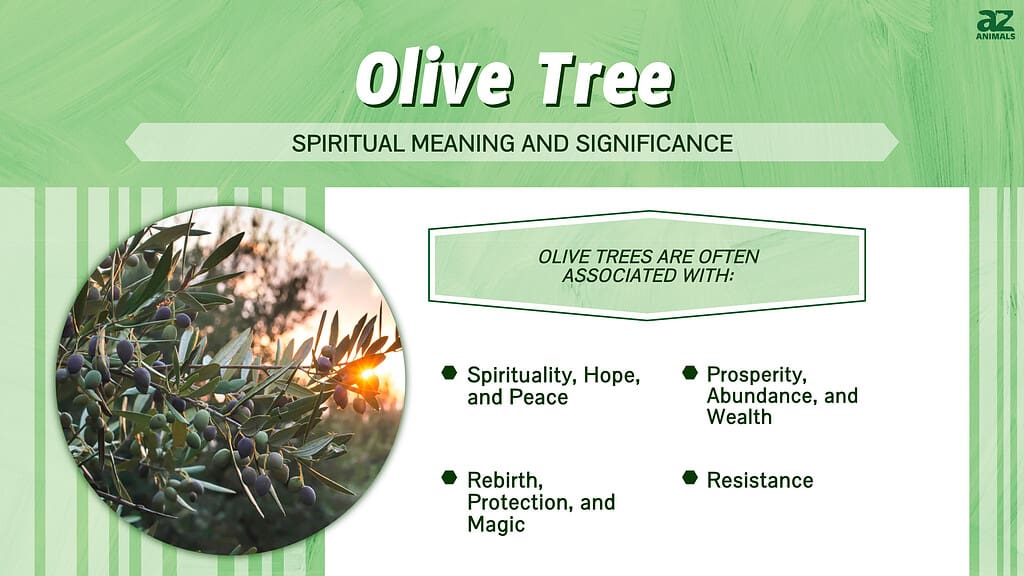
When a brand chooses the olive tree as its central motif, it is tapping into a reservoir of cultural archetypes that date back millennia. In brand strategy, this is often referred to as “heritage positioning.” Even for a startup, adopting this imagery allows the brand to borrow the “trust equity” associated with the tree’s history.
Longevity and Generational Resilience
The olive tree is famously long-lived, with some specimens in the Mediterranean known to be over 2,000 years old. In the world of business finance and corporate identity, this represents the ultimate goal: permanence. A brand that utilizes the olive tree conveys that it is not a “flash in the pan” or a trend-driven entity. Instead, it signals that the company is built on a foundation designed to last for generations. This is particularly effective for wealth management firms, insurance companies, and family-owned legacies where the promise of future stability is the primary product.
Peace, Diplomacy, and the “Olive Branch”
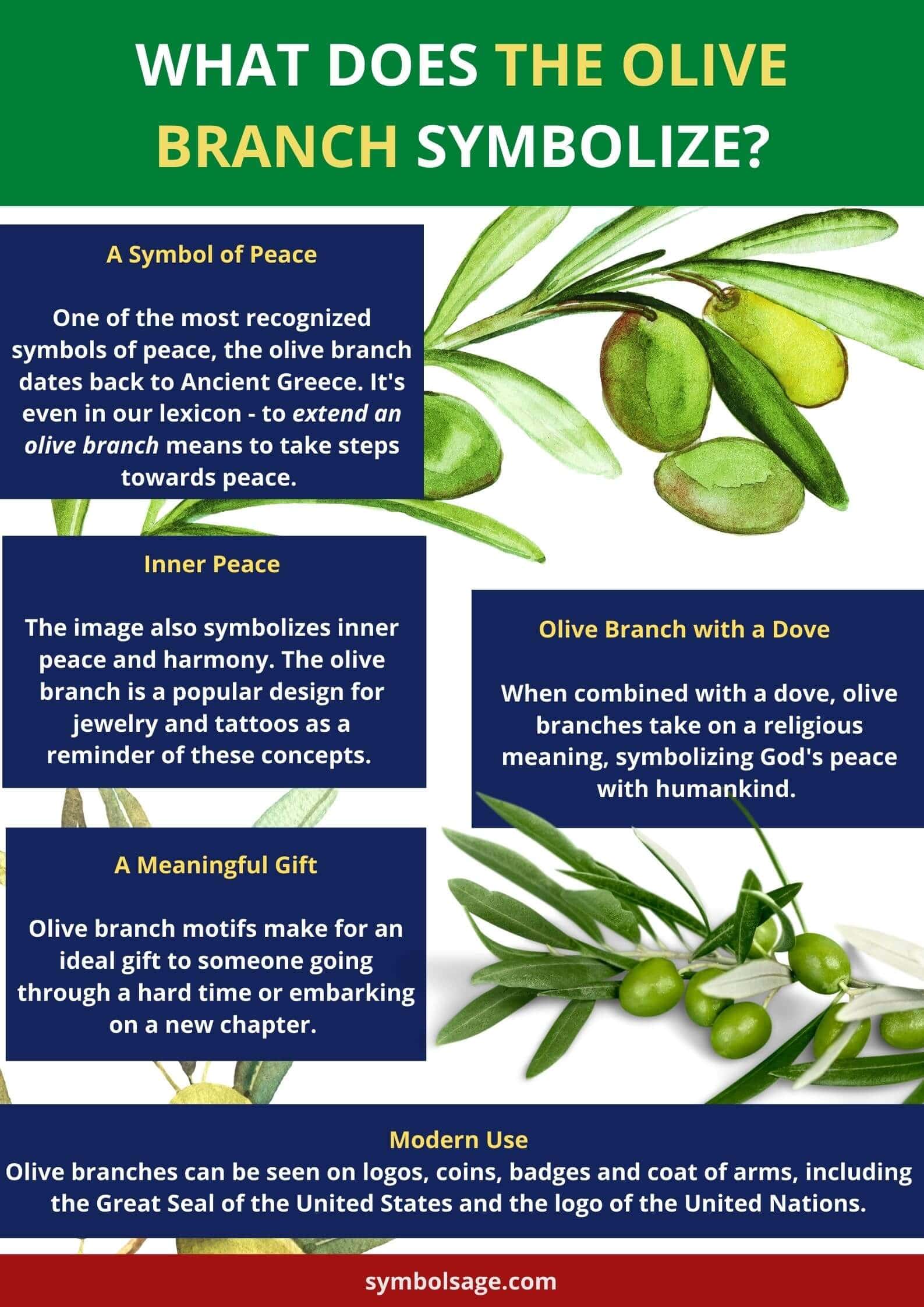
Perhaps the most universally recognized association is that of peace. The “olive branch” has become a global idiom for reconciliation and diplomatic overtures. From a branding perspective, this is a powerful asset for companies involved in mediation, legal services, or public relations. It suggests a brand personality that is calm, rational, and focused on conflict resolution. By incorporating the olive tree, a corporate identity can soften a firm’s image, making it appear more approachable and ethical in its dealings.
Purity and the Golden Standard
The product of the tree—olive oil—has been described as “liquid gold” since the time of Homer. This association with high value and purity is a cornerstone for luxury branding. When a brand represents itself through the olive tree, it often seeks to align itself with the “Gold Standard” of its industry. This is not just about wealth, but about the integrity of the process—the idea that the brand’s output is natural, untainted, and of the highest possible quality.
Implementing the Olive Tree in Brand Visual Design
The visual representation of the olive tree requires a nuanced understanding of color theory and graphic style. Because the tree is so rich in detail—from its gnarled trunk to its silvery-green leaves—the way it is rendered can drastically change the brand’s message.
Color Theory: Sage, Moss, and Earth Tones
The palette associated with the olive tree is one of its strongest branding assets. Unlike the aggressive, high-saturation greens used in tech or the neon greens used in energy drinks, “olive green” is a sophisticated, muted neutral.
- Sage and Moss: These tones evoke a sense of calm and organic growth. They are highly effective for wellness brands and high-end organic skincare lines.
- Earth Tones (Browns and Tans): Incorporating the bark’s texture into the color scheme adds a sense of “groundedness.” It suggests that the brand is realistic, dependable, and connected to the physical world.
Minimalist vs. Illustrative Styles
The choice of graphic execution determines the brand’s “era.” A hyper-detailed, woodcut-style illustration of an olive tree suggests a brand with deep historical roots, making it ideal for heritage brands or artisanal food producers. Conversely, a minimalist, geometric abstraction of an olive leaf or a branch fits a modern, eco-conscious startup. This “reductionist” approach allows the symbol to remain recognizable while signaling that the company is forward-thinking and technologically savvy in its application of traditional values.
Typography Pairings for Mediterranean Aesthetics
To complete the visual identity, the olive tree symbol is often paired with specific typographic choices. Serif fonts (like Garamond or Trajan) lean into the Greco-Roman history of the tree, emphasizing authority and classicism. Modern sans-serifs (like Montserrat or Futura) create a “New Mediterranean” look—clean, light, and airy—which is currently a dominant trend in the hospitality and luxury lifestyle sectors.
Strategic Market Positioning and the “Olive Tree” Narrative
Beyond visual design, the olive tree serves as a narrative anchor. Every brand needs a story, and the olive tree provides a ready-made framework for storytelling that resonates with modern consumer values, particularly regarding the environment and authenticity.
Sustainability and the “Green” Mandate
As consumers become increasingly wary of “greenwashing,” the olive tree offers a more authentic symbol of sustainability. Unlike generic “leaf” icons, the olive tree represents an agricultural system that is often carbon-sink positive and requires minimal water compared to other crops. For a brand, this is a strategic move to signal a commitment to the environment that is rooted in actual practice rather than marketing fluff. It represents a “slow” approach to business—quality over quantity, and long-term health over short-term gain.
Heritage Branding and Ancient Wisdom
In a fragmented digital age, there is a burgeoning market for “Ancient Wisdom.” Brands that position themselves as curators of old-world secrets—whether in health, nutrition, or philosophy—use the olive tree to validate their claims. By identifying with the tree, the brand suggests that its methods have been “vetted by time.” This is a powerful psychological trigger that builds instant credibility, as it implies the brand’s core values have survived the test of centuries.
The Luxury of Naturalism
There is a shift in the luxury sector from “bling” to “quiet luxury” or “naturalism.” The olive tree fits perfectly into this niche. It represents a luxury that is unforced and inherent. In the hospitality sector, for example, a resort that features an olive grove as its primary branding element is selling a specific lifestyle: one of Mediterranean leisure, sun-drenched landscapes, and a refined, healthy simplicity. This is branding that targets the “affluent minimalist” demographic.
The Psychological Impact on the Modern Consumer
The ultimate goal of brand strategy is to trigger a specific psychological response. The olive tree is particularly effective at this because it addresses several “pain points” of the modern consumer: the desire for stability, the need for authenticity, and the yearning for a connection to nature.
Creating a Sense of Grounding
In an era dominated by the ephemeral nature of the digital world, the olive tree is a physical, heavy, and permanent object. Brands that use this symbol provide a “grounding” effect for their customers. It offers a sense of security. When a customer sees an olive tree in a brand’s logo or store design, they subconsciously register the brand as a “safe harbor”—a company that isn’t going to disappear overnight.
The Trust Factor and Authenticity
The olive tree is rarely associated with “artificiality.” You cannot “fake” an olive tree’s growth; it takes years to bear fruit and decades to reach its full majesty. Therefore, the tree becomes a proxy for authenticity. In marketing, where consumers are bombarded with AI-generated content and synthetic experiences, the “olive tree brand” stands out as something real, tangible, and honest. It suggests that the people behind the brand value the process as much as the result.
Cultural Connectivity
Finally, the olive tree represents a specific cultural “vibe” that is globally admired. The Mediterranean lifestyle—characterized by community, healthy living, and a balanced pace of life—is a powerful aspirational goal for people worldwide. By adopting the olive tree, a brand aligns itself with this cultural movement. It isn’t just selling a product; it is selling a piece of that balanced, sun-lit, and meaningful existence.
In conclusion, the olive tree is far more than a decorative element. It is a dense, symbolic powerhouse that provides a brand with an immediate sense of history, integrity, and peace. Whether through the muted greens of its leaves or the narrative of its 2,000-year resilience, the olive tree allows a brand to speak a universal language of quality and endurance. For the strategist, it is the ultimate tool for building a corporate identity that is not only seen but felt and trusted.
aViewFromTheCave is a participant in the Amazon Services LLC Associates Program, an affiliate advertising program designed to provide a means for sites to earn advertising fees by advertising and linking to Amazon.com. Amazon, the Amazon logo, AmazonSupply, and the AmazonSupply logo are trademarks of Amazon.com, Inc. or its affiliates. As an Amazon Associate we earn affiliate commissions from qualifying purchases.