
In William Golding’s seminal work, Lord of the Flies, the conch shell is not merely a found object on a beach; it is a masterclass in brand identity and corporate governance. For modern brand strategists and corporate leaders, the rise and fall of the conch offers a chillingly accurate allegory for how symbols command authority, foster community, and—ultimately—lose their power when the underlying brand promise is broken. To understand what the conch symbolizes is to understand the very mechanics of visual identity and the psychological contracts that exist between a brand and its audience.
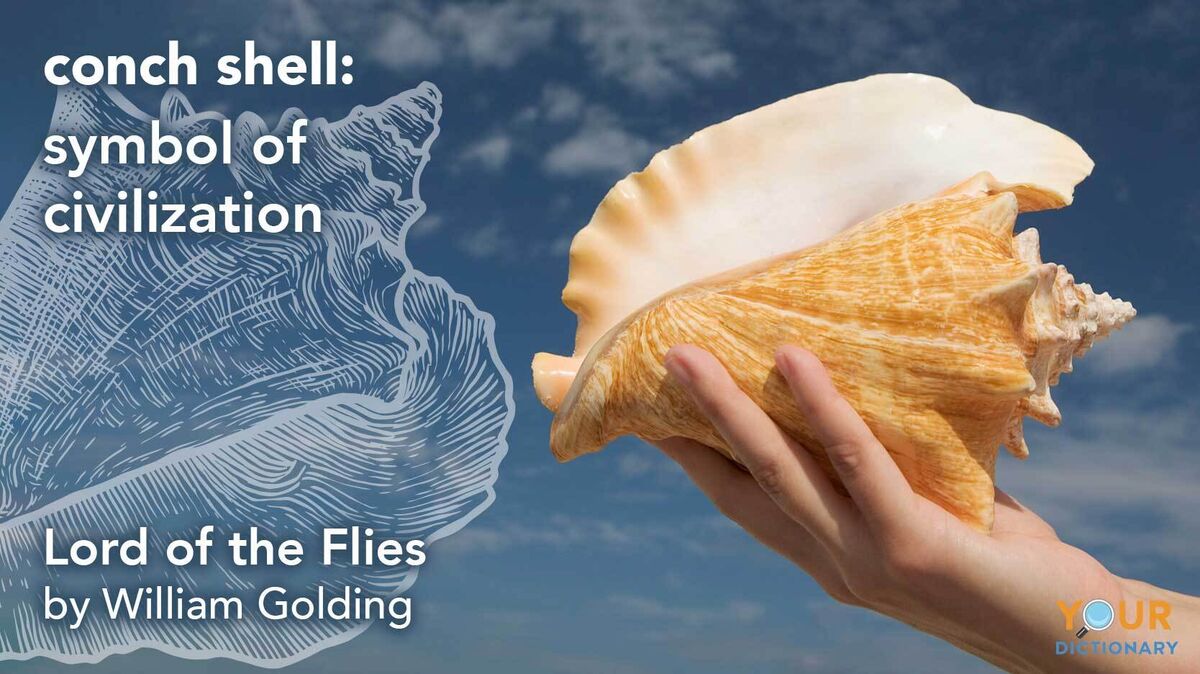
In the vacuum of a deserted island, the conch becomes the primary visual and auditory anchor for a new “corporate” entity: a civilized society. This transition from a physical object to a powerful brand symbol provides a roadmap for how modern businesses can establish authority in competitive or chaotic markets.
The Conch as Visual Identity: Establishing Authority in a Vacuum
Every successful brand begins with a symbol that cuts through the noise. In the context of the island, the “noise” is the literal chaos of survival and the metaphorical fear of the unknown. When Ralph blows the conch, he isn’t just making a sound; he is launching a brand. The conch becomes the logo of civilization, representing order, democracy, and a link to the structured world they left behind.
Consistency and Recognition
A brand’s power is derived from its consistency. On the island, the conch maintains its value because it is consistently applied to the same function: the assembly. In brand strategy, this is the equivalent of a visual identity that remains unwavering across all touchpoints. When the boys see the conch, they know exactly what it represents. They do not need to be told that a meeting is occurring; the visual cue provides immediate cognitive clarity.
For modern organizations, the conch symbolizes the “Primary Asset.” Whether it is the Apple logo or the unique chime of an Intel processor, these symbols trigger a specific set of expectations. The conch succeeds initially because Ralph and Piggy protect its sanctity. They don’t use it for trivial matters. They treat the symbol with a level of reverence that forces the “consumers”—the other boys—to respect it as well.
The Sound of the Brand: Sensory Branding
The conch is unique because it is both a visual and an auditory symbol. This is a classic example of sensory branding. The “deep, harsh note” of the shell is the island’s version of a sonic logo. It carries authority over long distances, reaching those who cannot see the physical object.
In corporate identity, sensory branding creates a deeper emotional resonance. When a brand can occupy more than one sense, it becomes harder to ignore. The conch’s sound represents the “voice” of the brand—a call to action that requires a response. For a brand to be effective, it must do more than just exist; it must have a “call” that disrupts the status quo and gathers its audience into a unified space.
Governance and the Brand Promise: The Rules of Engagement
A logo without a set of values is just an image. The conch symbolizes the brand promise of the “Civilization” startup: the idea that every voice matters and that there is a process for progress. This is the essence of brand governance. The rule that “only the one holding the conch may speak” is perhaps the most famous brand guideline in literary history.
Creating Order Through Symbolic Value
In brand strategy, “governance” refers to the rules that dictate how a brand is used and communicated. The conch serves as a physical manifestation of these rules. It democratizes the “market” of ideas on the island. By holding the shell, the smallest “littlun” is theoretically granted the same platform as the most powerful “biggun.”
This symbolizes a brand that values transparency and inclusivity. When a corporate identity is built on the promise of fairness, the symbol of that identity becomes a beacon of trust. The conch is the “Terms and Conditions” made visible. As long as the boys believe in the rules the conch represents, the brand remains solvent. The moment the rules are applied inconsistently—as seen when Jack begins to interrupt those holding the shell—the brand’s equity begins to depreciate.
Democratizing the Voice
The conch represents the shift from a monarchy (the rule of the strongest) to a brand-led democracy. In the business world, this is akin to a company that moves away from “founder-led” chaos to “system-led” stability. The conch allows the organization to function even when the leader isn’t speaking. It decentralizes power, putting the “tool” of communication into the hands of the stakeholders.

For a modern brand, this symbolizes the importance of user-generated content and community engagement. When a brand gives its audience “the conch,” it empowers them to participate in the narrative. However, as the novel shows, this empowerment is fragile. If the community does not respect the brand’s governance, the platform becomes a site of conflict rather than collaboration.
The Fragility of Brand Equity: When Symbols Lose Their Power
The most profound lesson the conch offers for brand strategy is found in its destruction. Brand equity is not permanent; it is a liquid asset that must be constantly defended. The conch symbolizes the fragility of trust. Once the boys stop believing in what the conch represents, the shell itself becomes a worthless piece of calcium carbonate.
Erosion of Trust and the Rise of Competing Brands
As the narrative progresses, Jack Merridew launches a “rebel brand.” His brand doesn’t use a conch; it uses face paint and the promise of “fun” and “meat.” This is a classic case of market disruption. Jack identifies a segment of the audience that is dissatisfied with the “Civilization” brand’s focus on long-term goals (the signal fire) and offers immediate gratification.
The conch begins to lose its symbolism because the “Civilization” brand fails to deliver on its primary promise: safety and food. When a brand’s reality (hunger and fear) no longer aligns with its symbol (order and law), the symbol becomes a target for mockery. Jack’s tribe represents a pivot toward a more visceral, tribal identity. They don’t need a conch to speak; they use volume and violence. This illustrates that a symbol is only powerful as long as the “social contract” behind it holds.
The Point of No Return: Physical vs. Symbolic Destruction
When the conch is eventually shattered by the boulder that kills Piggy, it is merely a formality. The brand was already dead. The physical destruction of the symbol was the final “delisting” of the company.
For brand managers, this is a warning about the “tipping point.” Negative brand sentiment can simmer under the surface for a long time, while the logo remains intact. However, if the underlying values are hollowed out, the visual identity will eventually collapse under the pressure of a crisis. The shattering of the conch symbolizes the total loss of corporate culture. Once the symbol is gone, there is no common language left, only the raw exercise of power.
Lessons for Corporate Identity in the Digital Age
Applying the symbolism of the conch to today’s fast-paced digital landscape reveals how modern “tribes” interact with corporate symbols. In an era of viral movements and cancel culture, the “conch” is more relevant than ever.
Sustaining the Signal
Modern brands must work harder than Ralph did to keep their “signal fire” going. The conch symbolizes the need for a “North Star” in brand strategy. If a company’s symbol does not stand for something larger than its products, it will be discarded as soon as a more exciting “tribe” appears.
Sustaining the signal means ensuring that every action the company takes reinforces the symbol’s meaning. If the conch symbolizes “Innovation,” then every product release must be innovative. If it symbolizes “Sustainability,” then every part of the supply chain must be transparent. In Lord of the Flies, the conch symbolized “Order,” but Ralph’s inability to enforce that order led to the symbol’s devaluation.
Transitioning from Symbol to Substance
The conch’s failure was partly due to its reliance on tradition in a world that had radically changed. Ralph and Piggy clung to the shell as a relic of the “old world.” Modern brands face a similar risk: clinging to legacy identities while the market moves toward new paradigms.
A brand must be able to evolve. The conch was a static object in a dynamic, devolving environment. For a brand strategy to survive, it must be agile. It must be able to translate its core symbols into new contexts. The conch symbolizes the “Initial Public Offering” of an idea, but without ongoing “R&D” (the adaptation of rules to the reality of the island), the brand becomes obsolete.
In conclusion, the conch in Lord of the Flies is the ultimate symbol of the power and peril of branding. It demonstrates that a well-crafted visual identity can create order out of chaos, but it also warns that a symbol is a fragile vessel. If the brand promise is not backed by the “strength of the tribe” and the “integrity of the leaders,” the symbol will eventually break—and with it, the organization it was meant to protect. For the modern brand strategist, the conch is a reminder that you don’t just “own” a brand; you are the steward of the meaning the audience gives it. Once that meaning is lost, you are just holding a shell.
aViewFromTheCave is a participant in the Amazon Services LLC Associates Program, an affiliate advertising program designed to provide a means for sites to earn advertising fees by advertising and linking to Amazon.com. Amazon, the Amazon logo, AmazonSupply, and the AmazonSupply logo are trademarks of Amazon.com, Inc. or its affiliates. As an Amazon Associate we earn affiliate commissions from qualifying purchases.