
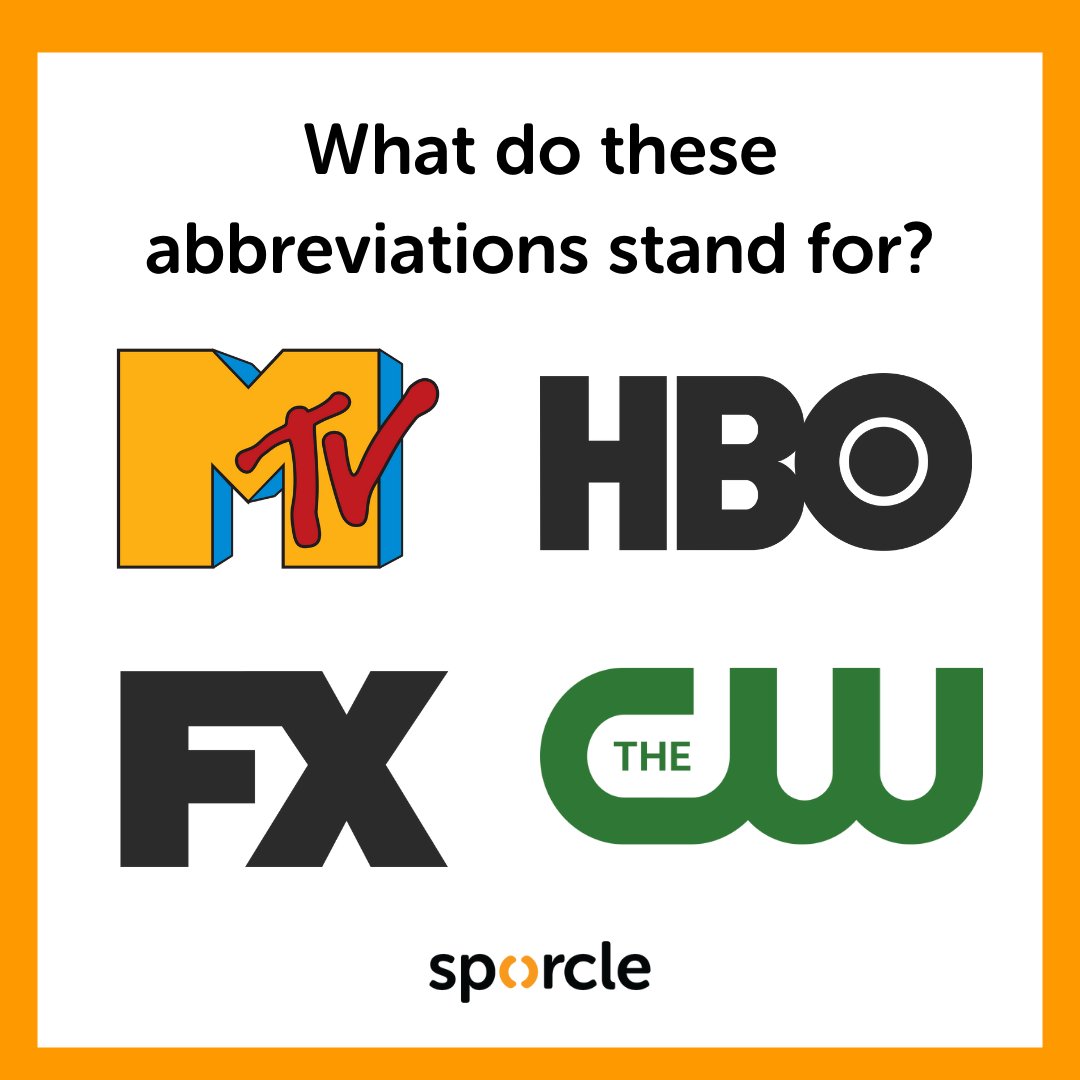
In the landscape of American broadcast television, few logos are as recognizable to the younger demographic as the stylized “CW.” Since its inception in the mid-2000s, the network has functioned as a fascinating case study in brand architecture, niche marketing, and corporate synergy. While most viewers recognize it as the home of superhero dramas, supernatural mysteries, and high-stakes teen soaps, the answer to what the “CW” stands for lies at the intersection of two of the most powerful names in media history.
The CW stands for CBS and Warner Bros. The name is a portmanteau derived from the first letters of its founding parent companies: the C from CBS Corporation and the W from Warner Bros. Entertainment (a division of what was then Time Warner). However, understanding the name is only the beginning. To truly grasp the significance of the CW as a brand, one must look at why it was formed, how it redefined demographic marketing, and how it is currently navigating one of the most drastic rebrands in modern television history.

The Corporate DNA: Decoding the CW Acronym
The birth of the CW was not a creative whim but a strategic survival tactic. In the early 2000s, the television landscape was cluttered with “netlets”—smaller networks trying to compete with the “Big Four” (ABC, CBS, NBC, and Fox). The two most prominent of these were United Paramount Network (UPN), owned by CBS, and The WB, owned by Warner Bros.
The Marriage of CBS and Warner Bros.
By 2006, both UPN and The WB were struggling with profitability despite having loyal cult followings. The WB had established a strong identity with hits like Buffy the Vampire Slayer and Dawson’s Creek, while UPN had carved out a space with Star Trek: Voyager and a strong slate of programming targeting African American audiences. However, competing against each other for the same fifth-place spot in the ratings was financially unsustainable for both parent companies.
The decision to merge was a masterclass in brand consolidation. By taking the “C” from CBS and the “W” from Warner Bros., the companies signaled a 50/50 joint venture. This was a “blue ocean” strategy: rather than fighting over a shrinking pie, they combined their resources, their strongest affiliate stations, and their most popular intellectual properties to create a singular, more competitive brand entity.
Consolidating Two Failing Brands into One Powerhouse
The launch of the CW on September 18, 2006, was a risky move. It required shedding two established brand identities that had decade-long histories. The marketing team had to convince viewers of Smallville (from The WB) and America’s Next Top Model (from UPN) that their favorite shows now lived under a new umbrella. The “Green” branding era of the early CW was designed to feel fresh, energetic, and distinct from the more “stuffy” corporate identities of the major networks. This consolidation allowed the parent companies to split the overhead while doubling the content library available to the new network.
Building a Niche Identity: The “Young Adult” Marketing Playbook
Once the corporate structure was settled, the CW faced a significant branding challenge: how to stand out in a world moving rapidly toward digital consumption. Their solution was to pivot away from the broad “everyone” approach of traditional broadcasting and lean heavily into a specific, highly desirable niche.
Defining the Demographic (The 18-34 Goldmine)
For over a decade, the CW brand became synonymous with the “YA” (Young Adult) demographic. Specifically, they targeted the 18-34 age bracket, with a heavy emphasis on female viewers in the early years. This was a brilliant marketing play. While NBC and CBS were fighting over the aging “50+” demographic, the CW was building brand equity with the consumers most coveted by advertisers: young people establishing brand loyalties for the first time.
The CW didn’t just air shows; it curated an aesthetic. The actors were “CW-famous”—often young, exceptionally attractive, and highly active on burgeoning social media platforms like Twitter and Instagram. This created a feedback loop where the brand of the network and the personal brands of its stars became indistinguishable, reinforcing a lifestyle image of glamour, drama, and modern trendiness.
Genre Branding: From Soap Operas to Superheroes
In the 2010s, the CW underwent a second major brand evolution: the “genre” pivot. With the launch of Arrow in 2012, the network began building the “Arrowverse.” This wasn’t just a collection of shows; it was a cohesive brand ecosystem. By leveraging Warner Bros.’ ownership of DC Comics, the CW rebranded itself as the premier destination for serialized superhero storytelling.
This strategy allowed the CW to expand its brand reach to include a more male-skewing audience while maintaining its core “ships” and drama-heavy storytelling that appealed to its traditional base. The “CW Brand” became a shorthand for a specific type of television: high-concept, serialized, and deeply engaged with fan culture. This brand clarity made the network a massive success in the secondary market, particularly through a lucrative licensing deal with Netflix that turned the CW into a “hit-maker” for the streaming era.
Digital Strategy and the “CW Seed” Extension
Long before other networks realized that linear TV was fading, the CW’s marketing and distribution teams were thinking digitally. Because their target audience was the first generation to “cord-cut,” the CW had to adapt its brand delivery methods.
Pioneering Free Ad-Supported Streaming
The CW was one of the first major networks to offer its content for free on its own app without requiring a cable subscription login. This was a radical move at the time. From a brand perspective, it signaled that the CW was “on the side” of the young consumer. They prioritized brand accessibility over traditional gatekeeping.
This digital-first approach extended to the creation of “CW Seed,” a secondary digital-only brand. CW Seed served as an incubator for experimental content, including animated series and short-form digital originals. By diversifying the brand across multiple digital touchpoints, the CW ensured that even if a viewer didn’t own a television, they were still interacting with CW-branded content.
Strengthening Brand Loyalty via App Integration
The CW app became a central hub for the brand’s community. By integrating social media feeds, behind-the-scenes content, and “fan-first” marketing, the network transformed from a passive viewing experience into an interactive brand. This helped the CW maintain a cultural footprint far larger than its Nielsen ratings might suggest. In the world of brand strategy, the CW proved that engagement and “buzz” are often more valuable than raw viewership numbers, especially when negotiating international distribution and streaming rights.
The Nexstar Era: Rebranding for a Modern Audience
In 2022, the CW underwent its most significant transformation since its founding. Nexstar Media Group acquired a 75% majority stake in the network, with CBS (now Paramount Global) and Warner Bros. Discovery each retaining a 12.5% share. With this change in ownership came a fundamental shift in the brand’s identity.
Shifting from Original Scripted Content to Sports and Unscripted
The “C” and “W” are still in the name, but the strategy has moved away from the expensive, stylized dramas of the previous decade. Under Nexstar, the CW brand is being repositioned as a “broad-reach” network designed to appeal to a wider, older, and more cost-effective audience.
The acquisition of LIV Golf rights and the move into “CW Sports” represents a total pivot in brand identity. For years, the CW was the “teen” network; now, it is attempting to become a “big-tent” network. This transition involves a difficult balancing act: how to attract new viewers (sports fans, procedural lovers) without alienating the “stans” who built the brand’s digital legacy.
The Financial Logic Behind the Brand Pivot
The rebranding effort is driven by the bottom line. The previous model relied on selling streaming rights to third parties, but as Paramount and Warner Bros. launched their own platforms (Paramount+ and Max), that revenue stream dried up. The new CW brand is focused on “linear profitability”—producing content that works for local affiliates and attracts a broader range of advertisers. This means more unscripted “reality” TV, imported international dramas, and live sports. The brand is moving from “niche and deep” to “broad and accessible.”
Lessons in Brand Longevity and Adaptability
The story of the CW—from its origins as a portmanteau of two media giants to its current status as a burgeoning sports and news outlet—offers several key lessons in brand management.
The Importance of Strategic Partnerships
The CW only existed because two competitors realized they were stronger together. This synergy allowed for a level of content production that neither could have achieved alone in that specific market segment. It proves that brand identity is often most resilient when it is built on a foundation of shared interests and complementary strengths.

Staying Relevant in the Streaming Wars
The CW’s early adoption of an “app-first” mentality saved the brand during the transition to digital. By understanding that their brand lived where their audience lived—on phones and tablets—they maintained relevance while other networks struggled to adapt.
As the CW continues to evolve under Nexstar, the meaning of those two letters, C and W, serves as a reminder of the network’s high-pedigree origins. While the content may change and the target demographic may shift, the CW remains a primary example of how a brand can pivot, survive, and redefine itself in an ever-changing corporate landscape. Whether it stands for “CBS and Warner” or simply a “Choice for the Wide audience,” the CW continues to be a pivotal player in the story of American media.
aViewFromTheCave is a participant in the Amazon Services LLC Associates Program, an affiliate advertising program designed to provide a means for sites to earn advertising fees by advertising and linking to Amazon.com. Amazon, the Amazon logo, AmazonSupply, and the AmazonSupply logo are trademarks of Amazon.com, Inc. or its affiliates. As an Amazon Associate we earn affiliate commissions from qualifying purchases.