
In the realm of visual identity and brand strategy, few symbols possess the enduring power and immediate recognizability of the Celtic Cross. While its origins are rooted in the early medieval period, its application today extends far beyond stone monuments in the Irish countryside. For brand strategists, graphic designers, and identity consultants, the Celtic Cross represents a masterclass in symbolic longevity, architectural balance, and the communication of complex cultural values through a singular mark.
Understanding what the Celtic Cross symbolizes requires a deep dive into how visual components coalesce to create a “brand” that has survived for over a millennium. In a modern context, it serves as a powerful case study in how heritage, spirituality, and craftsmanship can be distilled into a visual asset that resonates across global markets.

The Anatomy of an Icon: Visual Harmony and Design Principles
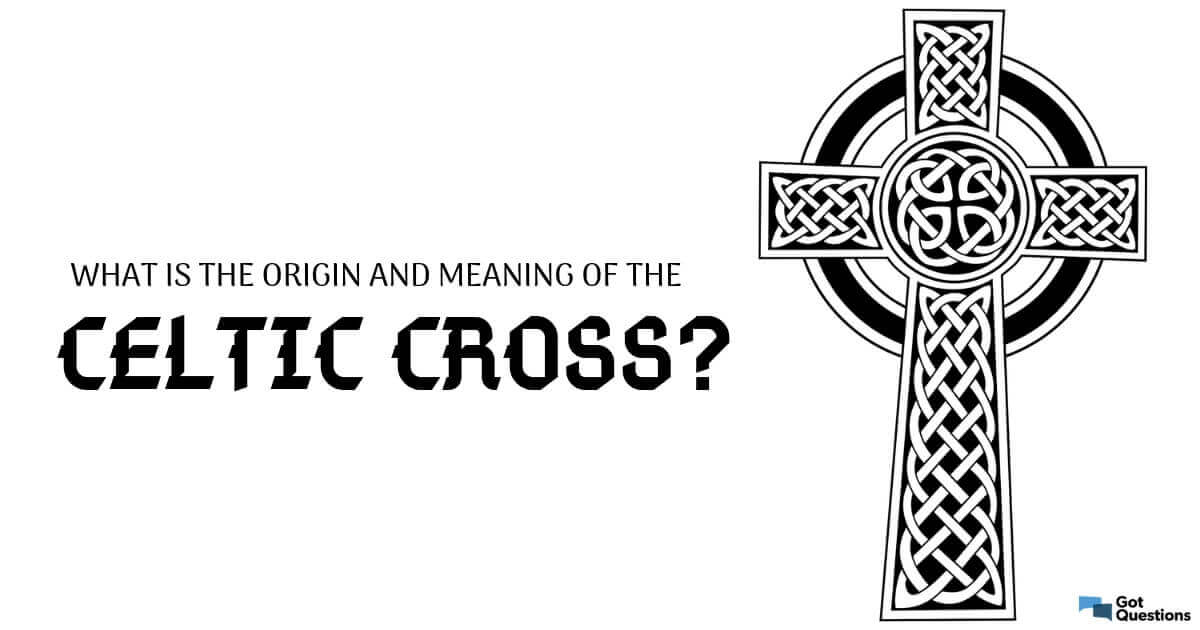
From a design perspective, the Celtic Cross is an exercise in geometric perfection and visual hierarchy. Unlike the standard Latin cross, the Celtic variation is defined by the addition of a nimbus, or circle, that intersects the four arms. This structural choice is not merely decorative; it provides a foundation for what designers call “visual weight” and “unity.”
The Circle of Continuity
In the language of branding, a circle represents inclusivity, wholeness, and eternity. When applied to the Celtic Cross, this “halo” symbolizes the infinite nature of life and the cyclical patterns of the natural world. For a brand, utilizing circular elements suggests a holistic approach and a commitment to longevity. In the context of the Celtic Cross, the circle serves to bind the vertical and horizontal axes, creating a sense of indestructible strength.
The Intersection of Axes
The horizontal bar of the cross represents the earthly realm—the physical world, time, and the human experience. The vertical bar represents the celestial or spiritual realm. The point where they meet, encased within the circle, symbolizes the “center point” or the “eternal present.” For a corporate identity, this intersection communicates a balance between tradition (the vertical) and modern application (the horizontal), positioning the entity as a bridge between two worlds.
Symmetry and Balance
The Celtic Cross is inherently symmetrical, which triggers a psychological response of trust and stability in the viewer. In brand strategy, symmetry is often employed by heritage brands to convey reliability. When a consumer sees the balanced proportions of a Celtic Cross, they sub-consciously associate the mark with a foundation that is anchored and unshakable.
Cultural Resonance and the Power of Heritage Branding
One of the most potent tools in a brand strategist’s arsenal is the “heritage narrative.” The Celtic Cross is perhaps the ultimate symbol of heritage branding, carrying with it the weight of Irish, Scottish, and Welsh history. When a modern company incorporates this symbol, they are not just choosing a logo; they are “borrowing” centuries of cultural capital.
Evoking Origin and Authenticity
In a crowded marketplace, authenticity is a high-value currency. The Celtic Cross acts as a geographical and cultural shorthand. It immediately signals an origin story rooted in the North Atlantic islands, evoking images of rugged landscapes, ancient craftsmanship, and intellectual preservation (referencing the “Golden Age” of Irish monasticism). Brands in the jewelry, whiskey, and textile industries frequently utilize this symbolism to command a premium price based on the perceived “soul” of the product.
The Story of Resilience
The history of the Celtic Cross is one of endurance. These monuments survived Viking raids, political upheaval, and the passage of centuries. Symbolically, this translates to “resilience.” A brand that aligns itself with the Celtic Cross is positioning itself as an entity that can withstand the test of time. This is particularly effective for financial institutions or legal firms that wish to communicate that they are “built to last.”
Tribal Identity and Community
Symbols are the flags under which communities gather. The Celtic Cross symbolizes a shared identity for the global Celtic diaspora. In brand strategy, this is known as “community branding.” By using the cross, a brand can tap into a pre-existing sense of belonging, turning customers into “members of the tribe.” It transcends mere utility and becomes a badge of identity.
Symbolism as a Tool for Market Differentiation
In the competitive landscape of design and marketing, symbols must do more than look good; they must differentiate. The Celtic Cross offers a distinct visual vocabulary that sets it apart from more minimalist, modernist logos.
The Complexity of the Knotwork
Many Celtic Crosses are adorned with intricate “Celtic knots” or interlace patterns. These patterns symbolize the interconnectedness of all things—life, death, and rebirth. From a design standpoint, this complexity suggests high-level craftsmanship and attention to detail. A brand that utilizes knotwork within its cross icon is signaling that its products are not mass-produced or “disposable,” but rather the result of meticulous labor and intentionality.
Psychological Triggers of the “Ancient-Modern”
There is a specific niche in branding called “Ancient-Modernism,” where ancient symbols are rendered with modern lines. The Celtic Cross is a prime candidate for this treatment. By stripping away the weathered stone texture and rendering the cross in high-contrast vector lines, a designer creates a “new classic.” This symbolizes a brand that honors its roots while remaining cutting-edge—a vital position for companies in the luxury and tech-integrated craft sectors.
Mystery and Intellectual Depth
Unlike a simple checkmark or a tech-style “power” icon, the Celtic Cross is shrouded in a degree of mystery. It invites the viewer to look closer and contemplate its meaning. In marketing, this is referred to as “engagement depth.” A symbol that requires a second look or evokes curiosity keeps the brand at the forefront of the consumer’s mind longer than a superficial mark.
The Evolution of the Symbol: From Stone to Digital Identity
The transition of the Celtic Cross from a three-dimensional stone monument to a two-dimensional digital asset illustrates the evolution of brand identity. As we move further into the digital age, the symbol has had to adapt to maintain its relevance and legibility across various platforms.
Scalability and Digital Simplification
A major challenge in modern branding is ensuring that a complex symbol like the Celtic Cross remains legible on a smartphone screen as a favicon or an app icon. Strategic designers often simplify the intricate knotwork into clean, bold lines while maintaining the essential silhouette of the ringed cross. This symbolizes a brand’s ability to evolve and adapt to new technologies without losing its core essence.
Color Psychology in Celtic Branding
While traditional stone crosses are monochromatic, modern brand applications use color to shift the symbolism. A “forest green” Celtic Cross emphasizes environmental connection and Irish roots. A “gold or silver” rendition emphasizes luxury, value, and the jewelry trade. A “charcoal or black” version suggests a more modern, architectural, and serious tone. The choice of palette allows the symbol to speak different “languages” depending on the target demographic.
Ethics of Cultural Appropriation in Branding
In contemporary brand strategy, it is essential to consider the ethical implications of using a sacred or cultural symbol. When the Celtic Cross is used purely for profit without respect for its historical context, it can lead to “brand dilution” or accusations of appropriation. Successful brands navigate this by ensuring their use of the symbol is grounded in an actual connection to Celtic heritage or by supporting the preservation of the culture they are referencing. This creates a “symbiotic brand” that gives back to its source of inspiration.
Strategic Implementation: Using Sacred Geometry in Contemporary Design
For a brand looking to implement the Celtic Cross or similar icons, the strategy must be deliberate. It is not enough to simply place a cross on a package; the symbol must be integrated into the brand’s “Visual DNA.”
Consistency and Repetition
The power of the Celtic Cross lies in its repetition throughout history. In branding, consistency is the key to building equity. When a company chooses this symbol, they must commit to it across all touchpoints—from the website header to the physical packaging and the corporate stationery. This repetition solidifies the association between the brand and the values of the cross.
Combining Typeface with Iconography
The choice of typography to accompany the Celtic Cross is critical. A “serif” font often reinforces the traditional, historical aspects of the symbol, while a “sans-serif” font creates a tension that feels modern and innovative. The interplay between the organic curves of the cross and the structure of the text defines the brand’s “voice.”

The Future of the Celtic Cross in Global Markets
As global markets become more homogenized, there is a counter-movement toward “hyper-local” and “culturally specific” branding. The Celtic Cross symbolizes a rebellion against the “blandness” of globalism. It offers a “sense of place” that consumers are increasingly craving. As we look toward the future of brand identity, symbols that carry deep historical meaning and visual complexity will likely see a resurgence as people look for brands that offer more than just a product—they look for a story, a legacy, and a connection to something larger than themselves.
In conclusion, the Celtic Cross is much more than a religious or historical artifact. In the world of brand and identity, it is a sophisticated vessel for communicating eternity, balance, craftsmanship, and cultural pride. Its ability to remain relevant for over a thousand years is the ultimate proof of its design excellence and its profound symbolic resonance.
aViewFromTheCave is a participant in the Amazon Services LLC Associates Program, an affiliate advertising program designed to provide a means for sites to earn advertising fees by advertising and linking to Amazon.com. Amazon, the Amazon logo, AmazonSupply, and the AmazonSupply logo are trademarks of Amazon.com, Inc. or its affiliates. As an Amazon Associate we earn affiliate commissions from qualifying purchases.