
In the modern landscape of personal branding and corporate communication, the weight of a single word can determine the trajectory of a career or the valuation of a multi-million dollar enterprise. While we often look to contemporary marketing gurus or PR crisis manuals for guidance on how to speak to our audience and peers, some of the most profound wisdom for brand preservation is found in ancient texts. Specifically, the biblical injunction against calling someone a “fool” offers a rigorous framework for what we now call reputation management and brand integrity.

For the modern professional, branding is not just about logos and color palettes; it is about the consistency of character and the quality of one’s discourse. When we examine the biblical perspective on the term “fool,” we uncover a strategy for high-level communication that prioritizes long-term brand equity over short-term emotional gratification.
The High Cost of Contempt in Personal Branding
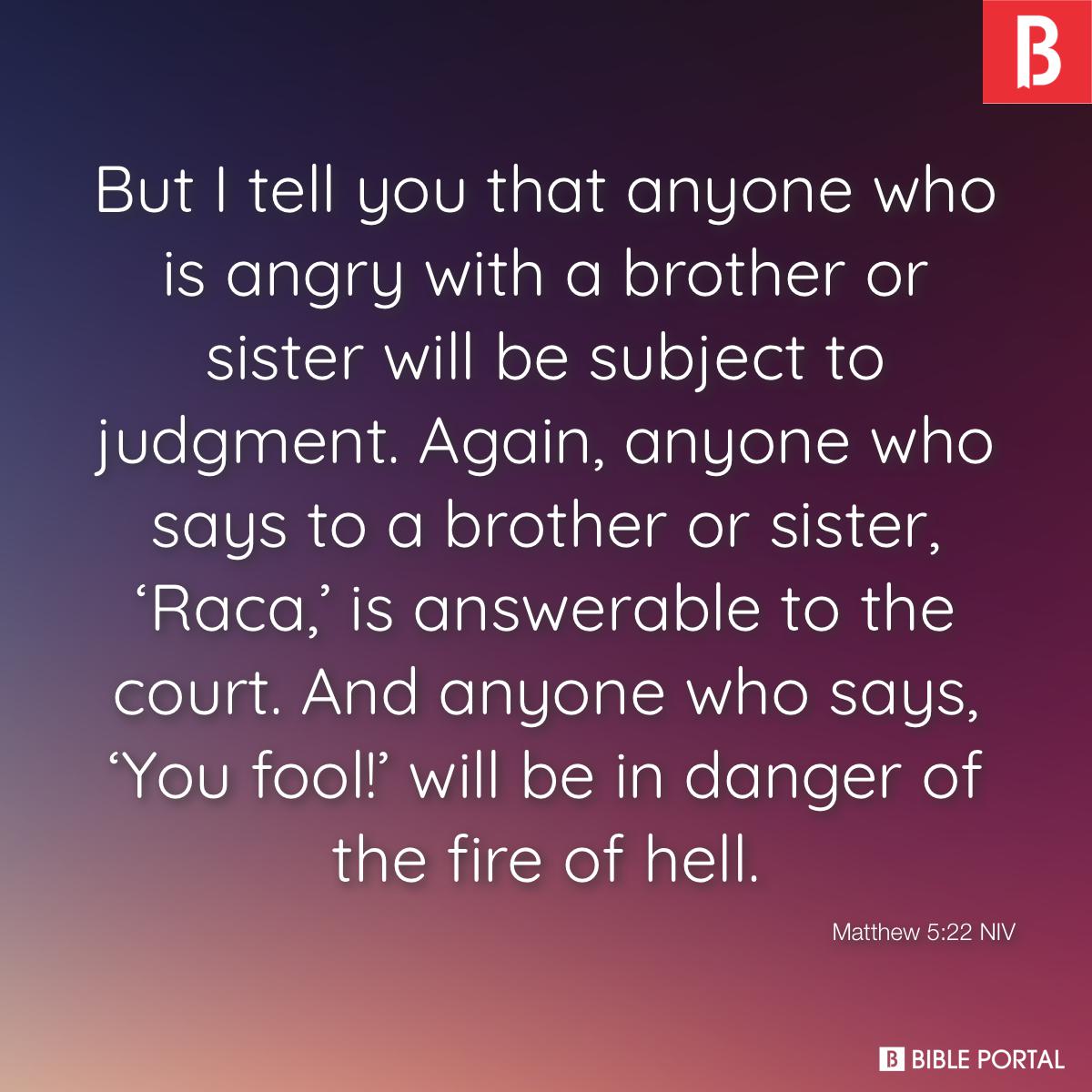
In the Sermon on the Mount, specifically in Matthew 5:22, Jesus issues a stern warning: “…whoever says, ‘You fool!’ shall be in danger of hell fire.” From a brand strategy perspective, this is the ultimate cautionary tale regarding “toxic communication.” In the biblical context, calling someone a fool was not merely a casual insult; it was an act of “Raca” or “Moreh”—terms that implied a total dismissal of a person’s value, intellect, and humanity.
Reputation as a Finite Resource
Every time a brand—whether personal or corporate—engages in public derision, it spends a portion of its reputational capital. When a leader calls a competitor, a customer, or a critic a “fool,” they are signaling a lack of emotional intelligence (EQ). In the world of branding, EQ is a primary driver of trust. A brand that resorts to name-calling is perceived as defensive, unstable, and ultimately unprofessional. The biblical warning suggests that the consequences of such outbursts are “fiery”—in professional terms, this manifests as scorched-earth PR crises that are nearly impossible to extinguish.
The Danger of Devaluation
A brand is essentially a promise of value. When you label another person a fool, you are effectively attempting to devalue them to zero. However, the psychological “blowback” often devalues the speaker instead. In brand strategy, this is known as the “negative transfer of traits.” If a brand communicates with contempt, the audience associates that contempt with the brand itself rather than the target of the insult. Biblical wisdom encourages us to guard our tongues (or our Twitter feeds) because the “fool” label is a boomerang that strikes the brand’s own credibility.
Leadership, Emotional Intelligence, and the Biblical Warning
Strategic leadership requires a level of restraint that the Bible frequently equates with wisdom. The “fool” in the biblical sense is often someone who lacks self-control or rejects sound counsel. By instructing followers to avoid calling others fools, the text is actually advocating for a “Brand of Grace”—a concept that is becoming increasingly valuable in a polarized market.
Building a Brand Based on Respect, Not Derision
Corporate identity is built on the pillars of mission, vision, and values. If “respect” is one of your brand pillars, calling someone a fool is a direct violation of your corporate identity. Biblical ethics suggest that everyone possesses inherent dignity. In a marketing context, treating even your most difficult stakeholders with dignity is a powerful brand differentiator. While your competitors may engage in “snark” or “shade,” a brand that adheres to the biblical principle of avoiding disparaging labels positions itself as the “adult in the room.” This fosters a brand of stability and authority.
The Power of Restraint in Public Relations
Proverbs 10:19 notes that “In the multitude of words sin is not lacking, but he who restrains his lips is wise.” This is the cornerstone of effective crisis communication. When a brand is under fire, the instinct is to strike back and label the critics as “foolish” or “uninformed.” However, brand strategy teaches us that silence or measured responses are far more effective. By refusing to engage in the “fool” discourse, a brand maintains its “frame.” You do not descend to the level of the conflict; you pull the conflict up to the level of your brand standards.

The “Fool” in Strategy: Avoiding Intellectual Arrogance
Beyond the interpersonal insult, the Bible speaks extensively about the nature of folly itself. For a brand, being “foolish” is often synonymous with being unteachable. Strategic humility—the ability to admit a brand was wrong or that a product launch failed—is a hallmark of a resilient corporate identity.
The Biblical Definition of Folly in Business
In the biblical sense, a fool is someone who says in their heart there is no accountability (Psalm 14:1). Translated to brand strategy, this is the “Icarus syndrome”—the belief that a brand is so large or so beloved that it is beyond the reach of market forces or ethical standards. When a brand begins to view its customers or the market as “fools” to be manipulated rather than people to be served, it has entered a state of biblical folly. This arrogance is the precursor to a brand collapse.
Strategic Humility as a Brand Asset
The Bible teaches that “the fear of the Lord is the beginning of wisdom” (Proverbs 9:10). In a secular branding context, this translates to a healthy “fear” or respect for the market and the consumer. A brand that acknowledges its limitations and seeks constant improvement is following the biblical path of the “wise man” who builds his house on a rock. Conversely, the “foolish” brand builds on the sand of arrogance and name-calling, only to be washed away when the “rains” of a market shift or a PR scandal arrive.
Crisis Management: Using Grace to Protect Corporate Identity
How a brand handles its detractors defines its legacy. The biblical mandate to avoid calling someone a fool is particularly relevant when managing online communities and customer service interactions.
Responding to Critics Without Using the “Fool” Label
In the age of social media, brands are often baited into arguments. A “troll” might be acting foolishly, but the moment the brand calls them a “fool,” the brand has lost. Why? Because the brand has violated its professional neutrality. Biblical wisdom suggests a “soft answer turns away wrath” (Proverbs 15:1). In branding, this is the “Golden Rule” of community management. By responding with empathy and logic rather than insults, the brand demonstrates strength. Calling someone a fool is a sign of weakness; it implies you have run out of logical arguments and must resort to character assassination.
Long-term Brand Equity and the Power of Restraint
Every piece of content, every comment, and every press release is a deposit or a withdrawal from your brand’s “Trust Bank.” The biblical warning against the word “fool” is essentially an insurance policy for your reputation. It forces a pause. It demands that you consider the eternal (or at least the long-term) consequences of your words. Brands that survive for decades—those with true “legacy” status—are almost always those that have mastered the art of dignified communication. They understand that while calling an opponent a fool might feel good for a moment, the damage to the brand’s perceived maturity can take years to repair.
The Brand of Wisdom vs. The Brand of Contempt
Ultimately, the Bible’s stance on calling someone a fool is a call to a higher standard of “Brand Character.” It challenges leaders to move beyond the reactive, impulsive speech of the masses and toward a disciplined, intentional form of communication.
In personal branding, you are the product. If your product is “labeled” by the insults you hurl at others, your market value will inevitably drop. By adopting a biblical framework of linguistic restraint, you ensure that your brand is associated with wisdom, gravity, and respect. This is not just about being “nice”; it is about being strategically sound. A brand that refuses to call its neighbors fools is a brand that understands the interconnectedness of the modern world. In this ecosystem, everyone is a potential customer, a potential partner, or a potential advocate. To dismiss anyone as a “fool” is to close a door that you may one day need to walk through.
In conclusion, the biblical prohibition against calling someone a fool serves as an ancient but incredibly relevant manual for modern brand strategy. It teaches us that words are not just tools for expression, but the very bricks and mortar of our reputation. By choosing words that build up rather than words that tear down, we build brands that are not only successful but also sustainable and respected in the long shadow of history.
aViewFromTheCave is a participant in the Amazon Services LLC Associates Program, an affiliate advertising program designed to provide a means for sites to earn advertising fees by advertising and linking to Amazon.com. Amazon, the Amazon logo, AmazonSupply, and the AmazonSupply logo are trademarks of Amazon.com, Inc. or its affiliates. As an Amazon Associate we earn affiliate commissions from qualifying purchases.