
In the modern digital landscape, the intersection of spirituality and personal finance has birthed a phenomenon known as “angel numbers.” From social media influencers promising financial breakthroughs to high-ticket wealth coaches using sequences like 111, 444, or 888 to signal impending prosperity, the trend has become a significant force in the “manifestation” economy. However, for those seeking to align their financial lives with biblical principles, it is essential to ask: what does the Bible actually say about these sequences, and how does the pursuit of such signs impact one’s long-term financial health and stewardship?
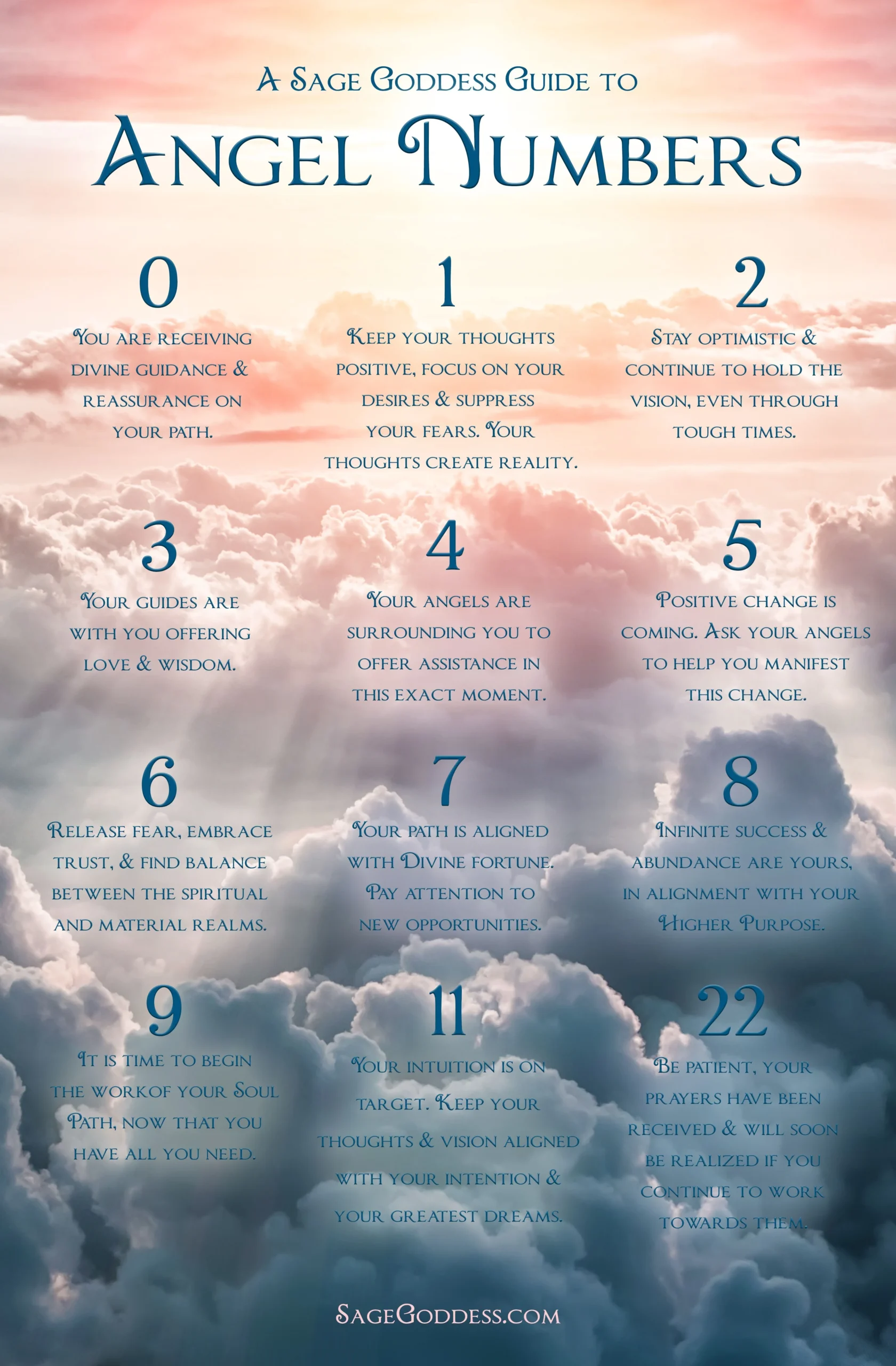
From a financial perspective, the reliance on angel numbers often falls under the umbrella of speculative decision-making. While the allure of a “sign from the universe” indicating a stock market win or a business success is strong, the biblical framework for wealth creation emphasizes a vastly different methodology. Understanding the divergence between modern numerology and biblical stewardship is the first step toward achieving genuine financial security.
The Economic Rise of Modern Numerology
The concept of angel numbers—repeated number sequences believed to carry divine messages—has seen a meteoric rise in search volume and marketability over the last decade. Within the personal finance niche, this is not merely a spiritual curiosity; it is a billion-dollar industry.
The Monetization of Spiritual Sequences
Today, “wealth manifestation” programs frequently integrate the concept of angel numbers to sell digital products, masterminds, and coaching sessions. These services often promise that by recognizing and “tuning into” specific frequencies or number patterns, an individual can unlock hidden financial abundance. This represents a significant shift in how personal finance is marketed to younger demographics, moving away from traditional metrics like CAGR (Compound Annual Growth Rate) or asset allocation and toward metaphysical synchronicity.
For the consumer, this presents a unique financial risk. Investing in high-cost spiritual coaching based on the promise of “angelic signs” often results in a negative ROI. Biblical wisdom warns against “wealth gained hastily” (Proverbs 13:11), a category into which many of these sign-based financial strategies fall.
Identifying High-Cost “Wealth Manifestation” Scams
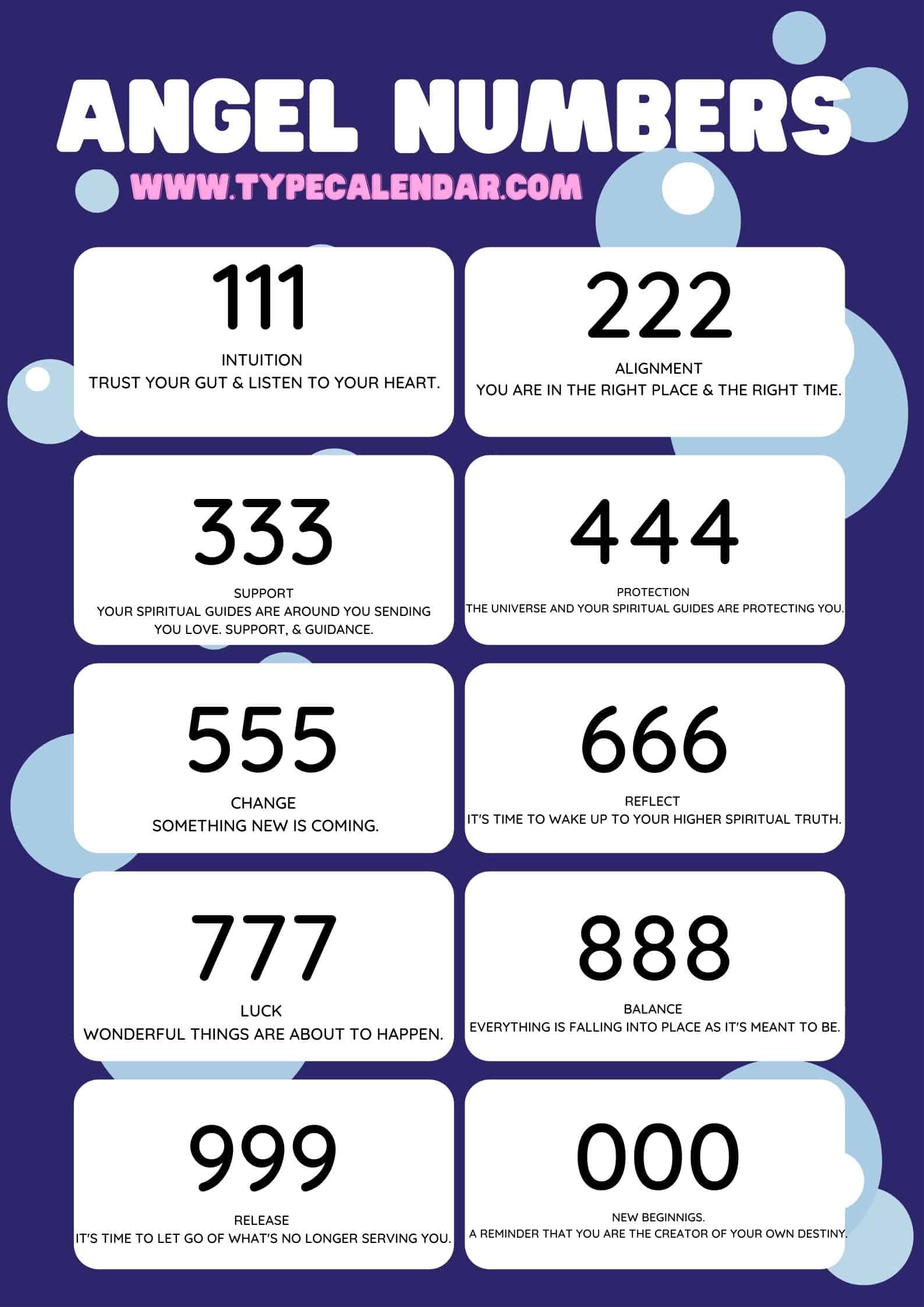
The “Money” niche is rife with predatory schemes that leverage spiritual language to bypass logical financial filters. When a service provider claims that seeing the number 888 is a direct instruction to invest in a specific cryptocurrency or to purchase an expensive “abundance course,” they are utilizing a psychological tactic known as confirmation bias.
From a professional financial standpoint, this is a red flag. A sound financial strategy is built on data, market analysis, and risk management—not on the subjective interpretation of repetitive digits. The Bible encourages believers to “count the cost” (Luke 14:28) before embarking on any venture, a directive that stands in stark contrast to the impulsive spending often encouraged by those who market angel numbers as financial omens.
Contrasting Biblical Stewardship with Numerological Sign-Seeking
To understand the biblical stance on angel numbers, one must look at how the Bible defines the acquisition of knowledge and the management of resources. The Bible does not explicitly mention “angel numbers,” but it does provide clear boundaries regarding divination and the search for secret knowledge to gain an advantage in the world.
The Biblical Foundation of Wealth: Diligence Over Divination
Scripture repeatedly points to diligence, labor, and wisdom as the primary drivers of financial success. Proverbs 10:4 states, “Lazy hands make for poverty, but diligent hands bring wealth.” This is a fundamental economic principle. It suggests that wealth is a byproduct of value creation and consistent effort, rather than the result of correctly interpreting a “sign” on a digital clock.
Seeking financial guidance through angel numbers can be categorized under the biblical prohibition of divination or “seeking omens” (Deuteronomy 18:10-12). In a financial context, relying on omens removes the agency and responsibility of the steward. If one believes a number sequence is dictating their financial fate, they are less likely to perform the necessary due diligence required for sustainable investing.
The Risk of Passive Financial Decision-Making
One of the greatest dangers of the angel number trend in the finance world is the promotion of passivity. Many proponents suggest that the “universe” or “angels” will provide for one’s needs if the right signs are followed. While the Bible certainly teaches that God is a provider (Matthew 6:33), it never suggests that this provision bypasses the need for active stewardship.
Biblical stewardship is the active management of God-given resources for his glory and the benefit of others. This involves budgeting, saving, investing wisely, and practicing generosity. When an individual pivots to “sign-seeking,” they often neglect these core financial disciplines, leading to stagnation or loss. The Bible describes the “prudent” as those who see danger and take cover, while the “simple” keep going and pay the penalty (Proverbs 22:3). Relying on angel numbers instead of market realities is, by definition, an imprudent financial move.
The Opportunity Cost of Chasing Symbolic Guidance
In economics, opportunity cost represents the benefits an individual, investor, or business misses out on when choosing one alternative over another. When someone spends their time and mental energy “hunting” for angel numbers to guide their career or investment choices, the opportunity cost is the time they could have spent developing marketable skills or researching sound investment vehicles.
Strategic Planning vs. Synchronicity
The Bible advocates for strategic planning. “The plans of the diligent lead surely to abundance, but everyone who is hasty comes only to poverty” (Proverbs 21:5). Strategic planning involves setting goals, understanding market cycles, and diversifying income streams.
The angel number philosophy often encourages “synchronicity”—the idea that events are meaningfully related even if they are not causally linked. In the world of business and finance, relying on non-causal relationships is a recipe for disaster. A business owner who waits for a “sign” to hire a new employee or expand into a new market, rather than looking at their P&L (Profit and Loss) statement, is ignoring the biblical call to “know well the condition of your flocks” (Proverbs 27:23).
Financial Security through Proverbial Wisdom
The Book of Proverbs serves as a manual for what we might today call “financial literacy.” It covers debt management, the importance of a good reputation (branding), the necessity of multiple counselors (professional advice), and the dangers of suretyship (co-signing loans).
None of these principles rely on mysticism. They are grounded in practical, observable reality. For example, the biblical warning against high-interest debt is a math-based principle. The “angel number” approach might suggest that seeing a specific sequence means the debt will “miraculously” disappear, but biblical wisdom dictates that the “borrower is slave to the lender” (Proverbs 22:7) and requires a disciplined repayment plan to achieve freedom.
The Business of Discernment: Navigating Trends in the “Spiritual Economy”
For those operating in the business world, whether as entrepreneurs or employees, maintaining a “sober mind” (1 Peter 5:8) is a competitive advantage. The ability to discern between a passing fad and a timeless principle is essential for long-term brand equity and financial stability.
The Danger of the “Prosperity” Lens
The angel number trend is frequently a subset of the “Prosperity Gospel,” a theological framework that has been heavily criticized for its financial implications. This framework often suggests that spiritual markers (like numbers) are indicators of a “season of harvest.” While the Bible does talk about seasons, it anchors them in the reality of sowing and reaping (Galatians 6:7).
In a financial context, you cannot reap a harvest where you have not sown capital, time, or labor. Chasing angel numbers as a shortcut to this natural law is not only biblically unsound but economically impossible. Real wealth is built through the compounding of small, wise decisions over time—not through a single “divine” tip-off from a number sequence.
Building a Wealth Strategy on Rock, Not Numbers
The parable of the wise and foolish builders (Matthew 7:24-27) is perhaps the best metaphor for financial planning. The wise man built his house (his life and finances) on the rock—solid, foundational principles. The foolish man built on the sand—shifting trends and subjective experiences.
Angel numbers are the “sand” of the financial world. They shift with one’s mood, the time of day, and the latest social media trends. Conversely, biblical principles—such as honesty in business, avoiding greed, and planning for the future—are the “rock.” These principles have survived market crashes, depressions, and technological revolutions.

Conclusion: Investing in Biblical Principles for Long-Term Security
While the Bible does not explicitly mention angel numbers, its silence on the matter, combined with its explicit warnings against divination and its strong emphasis on diligent stewardship, provides a clear path for the modern believer and investor. The pursuit of number sequences as a means of financial guidance is a distraction from the proven, albeit slower, path of biblical wealth building.
True financial peace does not come from seeing 11:11 on a clock and hoping for a windfall. It comes from the confidence of knowing that your finances are managed according to timeless truths. By prioritizing wisdom over whimsy and due diligence over divination, individuals can build a financial legacy that is not only robust and secure but also aligned with their deepest values. In the volatile world of money, there is no greater ROI than the peace of mind found in sound, biblically-grounded stewardship.
aViewFromTheCave is a participant in the Amazon Services LLC Associates Program, an affiliate advertising program designed to provide a means for sites to earn advertising fees by advertising and linking to Amazon.com. Amazon, the Amazon logo, AmazonSupply, and the AmazonSupply logo are trademarks of Amazon.com, Inc. or its affiliates. As an Amazon Associate we earn affiliate commissions from qualifying purchases.