
In the rapidly evolving landscape of medical technology and workplace compliance, the precision of chemical detection has reached an unprecedented level of sophistication. For professionals navigating the intersection of healthcare and employment, understanding the underlying technology of drug screening—specifically regarding complex medications like Suboxone—is critical. Suboxone, a combination of buprenorphine and naloxone, does not interact with standardized testing protocols in the same way traditional opioids do. Instead, its detection relies on high-tech targeted assays and advanced laboratory software designed to identify specific molecular signatures.

To understand what Suboxone “shows up as,” one must first understand the digital and biochemical architecture of modern toxicology. It is not a matter of a simple “opiate” flag; rather, it is a process of refined data acquisition involving specialized reagents and high-throughput analytical hardware.
The Bio-Tech Architecture of Specialized Immunoassays
The first line of defense in most screening environments is the immunoassay. This technology utilizes the principles of immunology to identify specific chemicals within a biological sample. However, the common misconception that Suboxone will trigger a positive result on a standard “Opiates” panel is technologically inaccurate.
Understanding Enzyme-Linked Immunosorbent Assays (ELISA)
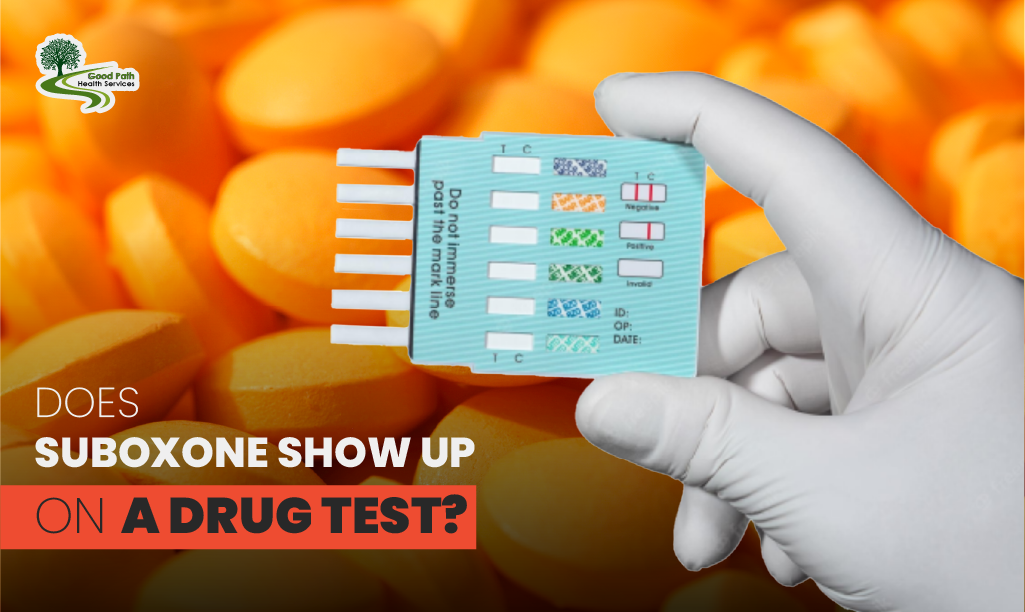
Standard drug screening technology, such as the 5-panel or 10-panel test, typically utilizes Enzyme-Linked Immunosorbent Assay (ELISA) technology. These tests are programmed with antibodies designed to bind to specific molecular structures. Traditional opiate screens are calibrated to detect morphine, codeine, and heroin metabolites (6-monoacetylmorphine).
Because buprenorphine—the primary active ingredient in Suboxone—possesses a unique chemical structure that differs significantly from the morphine molecule, it does not bind to the antibodies used in standard opiate panels. From a technological standpoint, the “lock and key” mechanism of the standard test does not recognize the buprenorphine molecule. Therefore, on a standard tech-driven screening platform, Suboxone effectively remains “invisible.”
The Rise of Targeted Buprenorphine Panels
For an organization to detect Suboxone, they must utilize specialized software and hardware configurations specifically designed for buprenorphine. These are often referred to as “expanded panels.” In these systems, the reagent kits are updated with synthetic antibodies that are programmed to seek out the buprenorphine molecule and its primary metabolite, norbuprenorphine.
When these targeted panels are employed, the software interprets the binding event as a specific positive result. The technology is sensitive enough to differentiate between various synthetic and semi-synthetic opioids, meaning that on a specialized screen, Suboxone shows up specifically as “Buprenorphine,” not as a generic opiate or an illegal narcotic.
Precision Detection: Liquid Chromatography-Mass Spectrometry (LC-MS)
While immunoassays provide a quick “yes/no” data point, they are prone to limitations in cross-reactivity and sensitivity. When a screening requires a higher degree of forensic certainty—often referred to as “confirmatory testing”—the technology shifts from biochemical binding to physical molecular weight analysis via Liquid Chromatography-Mass Spectrometry (LC-MS).
How Ionization Identifies Buprenorphine and Norbuprenorphine
LC-MS represents the pinnacle of modern analytical chemistry technology. The process begins by injecting the sample into a chromatograph, which separates the chemical components based on their physical properties. Once separated, the molecules enter the mass spectrometer, where they are bombarded with electrons to become ionized.
The software attached to the LC-MS system measures the mass-to-charge ratio of these ions. Because every chemical compound has a unique “molecular fingerprint” based on its mass, the system can identify buprenorphine with near-100% accuracy. This technology is so precise that it can detect the drug at concentrations as low as a few nanograms per milliliter. In this environment, Suboxone is identified not just by its presence, but by its quantitative data—showing exactly how much of the medication and its metabolites are present in the system.
Software Calibration and Data Interpretation in High-Throughput Labs
Modern laboratories utilize Laboratory Information Management Systems (LIMS) to process thousands of these samples daily. The software is calibrated with “cutoff levels.” If the LC-MS detects buprenorphine at a level below the programmed threshold (for example, 5 ng/mL), the software will automatically categorize the result as negative to avoid “background noise” or false positives.

The interaction between the hardware (the spectrometer) and the software (the LIMS) is what determines the final report. This digital interpretative layer ensures that Suboxone is reported accurately, distinguishing it from other substances like methadone or oxycodone, which possess different mass-to-charge ratios.
Digital Health Privacy and Secure Reporting Systems
Once the technology has identified Suboxone in a sample, the focus shifts from detection to data management. In the modern era, the “result” of a drug screen is a highly sensitive piece of digital data that must be handled through secure, encrypted channels.
Cybersecurity and Result Delivery
The transmission of drug screening results is governed by strict digital security protocols. Most enterprise-level screening providers use end-to-end encrypted portals to deliver results to Medical Review Officers (MROs). This prevents the intercept of sensitive health information.
When Suboxone is detected, the software generates a report that is flagged for human review. Because Suboxone is a prescription medication, the technology is integrated into a workflow that allows for the verification of medical legitimacy. The digital trail must be impeccable; any breach in the chain of custody or the data transmission could invalidate the result. This reliance on digital security ensures that an individual’s use of Suboxone—often a private medical matter—is handled within a secure technological ecosystem.
AI Integration in Forensic Toxicology Software
Artificial Intelligence is beginning to play a larger role in how labs interpret Suboxone data. AI algorithms can now analyze patterns in metabolite ratios. For instance, by comparing the levels of buprenorphine to norbuprenorphine, AI-driven software can help determine if a sample has been “spiked” (adding the medication directly to the sample) versus naturally metabolized by the body.
This level of technological scrutiny prevents fraud and ensures that the data reflects actual physiological consumption. For the end-user, this means the technology is becoming smarter at verifying the “steady-state” of their medication, providing a more comprehensive view of their health profile rather than a simple snapshot of presence or absence.
The Future of Screening Tech: Wearable Sensors and Real-Time Analytics
As we look toward the future of technology in this space, the traditional “urine cup” model is being challenged by real-time monitoring tools and wearable biosensors. These innovations aim to move away from point-in-time testing toward continuous data streams.
Biosensor Innovation
Researchers are currently developing wearable patches that use interstitial fluid to monitor medication levels in real-time. These patches use micro-needles and electrochemical sensors to detect specific molecules like buprenorphine. The data is then synced via Bluetooth to a smartphone app, providing a continuous log of medication adherence.
This shift represents a move from “punitive” screening tech to “supportive” health tech. For those on a Suboxone regimen, this technology could provide valuable data to their healthcare providers, ensuring that dosage levels are optimized based on real-time metabolic data rather than occasional lab tests.
Blockchain for Chain of Custody
The integration of blockchain technology into the drug screening process is another emerging trend. By creating an immutable ledger for every step of the testing process—from sample collection to laboratory analysis to the final report—blockchain can eliminate the possibility of data tampering. In this technological framework, a Suboxone result becomes a permanent, verifiable, yet private block of data that can be shared securely with authorized parties, such as employers or courts, without the risk of administrative error.
Conclusion: A Data-Driven Approach to Recovery
In summary, what Suboxone “shows up as” on a drug screen is entirely dependent on the level of technology being deployed. On basic, legacy systems, it is often undetected. On modern, targeted immunoassays, it appears as a specific positive for buprenorphine. On high-end LC-MS platforms, it appears as a detailed molecular profile, complete with quantitative data on metabolites.
As the technology continues to advance, the focus will likely move further away from simple detection and toward a more holistic integration of digital health data. The software, hardware, and security protocols surrounding drug screening are evolving to be more precise, more secure, and more insightful, transforming a once-simple test into a sophisticated exercise in biological data analytics. For those navigating these systems, understanding this technological landscape is the key to managing professional and personal health data in the digital age.
aViewFromTheCave is a participant in the Amazon Services LLC Associates Program, an affiliate advertising program designed to provide a means for sites to earn advertising fees by advertising and linking to Amazon.com. Amazon, the Amazon logo, AmazonSupply, and the AmazonSupply logo are trademarks of Amazon.com, Inc. or its affiliates. As an Amazon Associate we earn affiliate commissions from qualifying purchases.