
In the realm of personal finance and household budgeting, pet ownership is often categorized as a discretionary expense. However, for those who view their domestic environment through the lens of strategic financial planning, a pet is more than a companion—it is a long-term commitment that requires a calculated approach to risk management and capital allocation. When a pet owner asks, “What does spaying a cat mean?” the answer transcends the biological and veterinary definitions. From a financial perspective, spaying a cat is a foundational preventative healthcare investment designed to mitigate future liabilities, stabilize household cash flow, and ensure the long-term viability of the owner’s financial health.
The Direct Costs: Budgeting for the Initial Capital Outlay
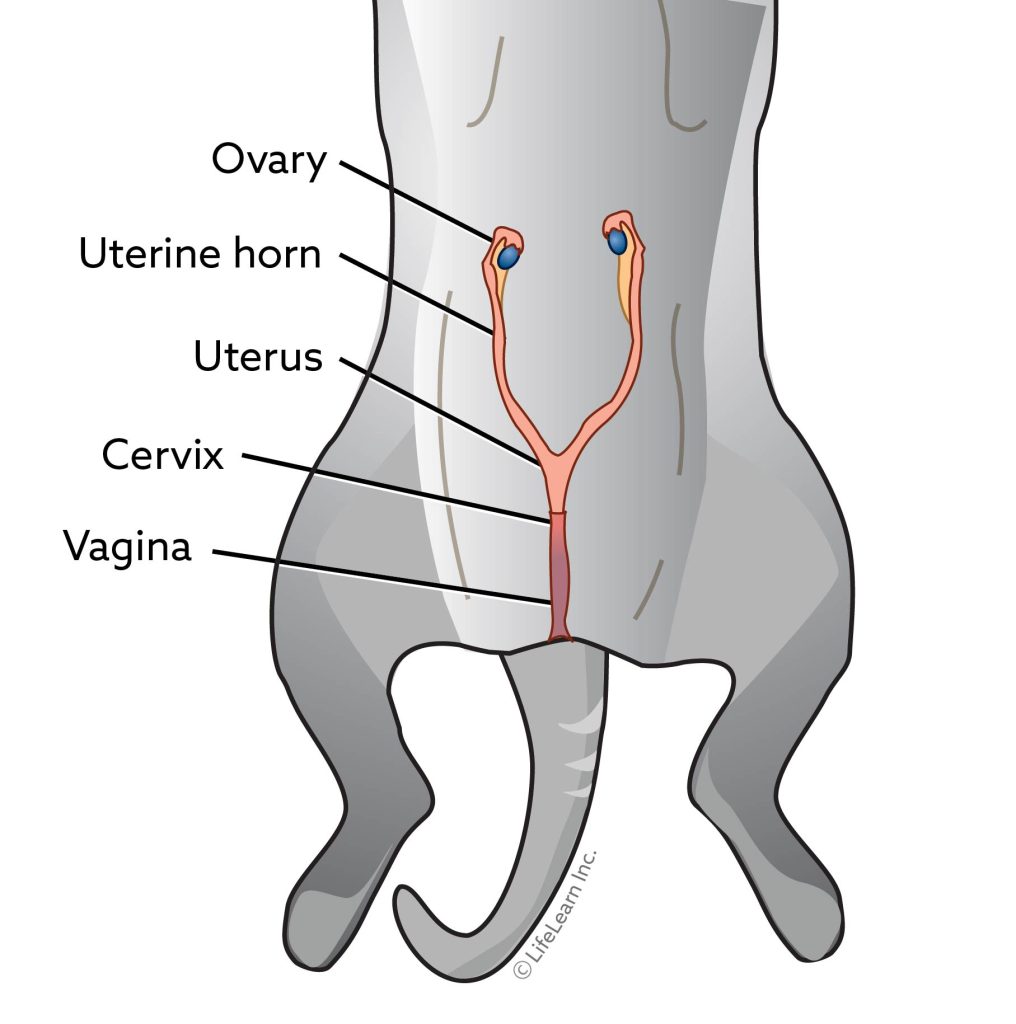
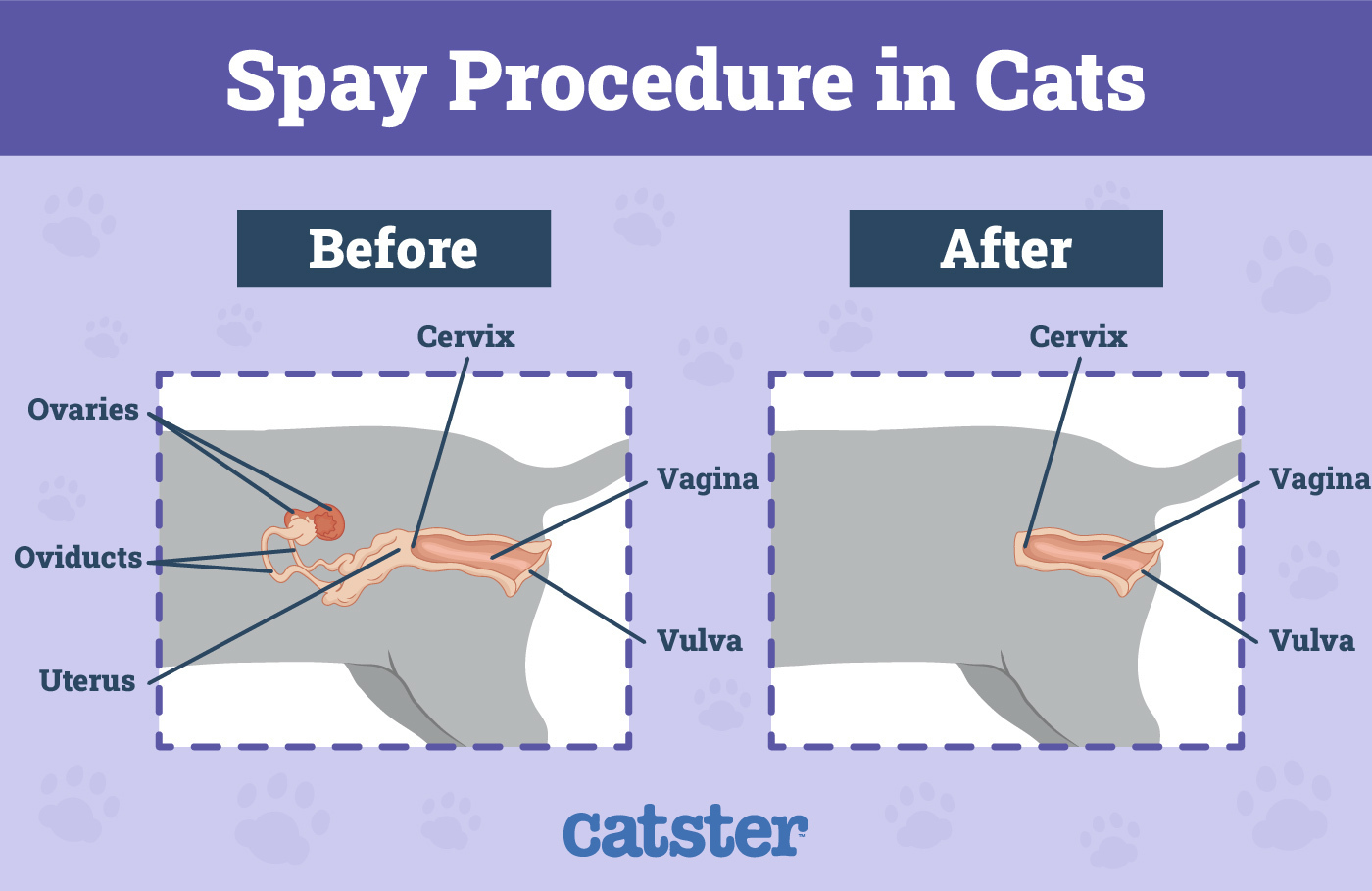
Spaying a cat—the surgical removal of a female cat’s reproductive organs—is a one-time capital expenditure that varies significantly based on geographic location, the type of facility chosen, and the specific medical needs of the animal. Understanding the breakdown of these costs is essential for any pet owner looking to manage their personal finances effectively.
Private Practice vs. Low-Cost Clinics
The first decision a financially conscious cat owner must make is where to allocate their funds for this procedure. Private veterinary practices typically offer a premium service model. This includes comprehensive pre-operative blood work, advanced anesthesia monitoring, and post-operative pain management. These services can range from $200 to $500. While the upfront cost is higher, this route is often viewed as a “de-risking” strategy, as thorough pre-screening can identify underlying health issues that might lead to more expensive complications during or after surgery.
Conversely, many non-profit organizations and municipal shelters offer low-cost spay and neuter programs. These clinics operate on a high-volume, low-margin business model, often subsidizing costs through grants or donations. Prices here can range from $50 to $150. For a budget-conscious owner, this represents a high-value opportunity to secure essential care without a significant impact on their monthly liquidity.
Ancillary Fees and Hidden Expenses
When budgeting for a spay procedure, one must look beyond the base price. A comprehensive financial plan for this surgery should account for “add-on” costs that can inflate the final invoice. These may include:
- Microchipping: Often bundled with surgery for a discounted rate, providing long-term protection against the total loss of the “asset” (the pet).
- Vaccinations: Many clinics require up-to-date immunizations before surgery, which may require an additional $40 to $80.
- Take-Home Medications: Pain relief and antibiotics are essential for recovery and represent a small but necessary line item in the surgical budget.
The ROI of Preventative Pet Care: Mitigating Future Liabilities
In finance, the Return on Investment (ROI) isn’t always about generating profit; often, it’s about cost avoidance. Spaying a cat is one of the most effective ways to avoid astronomical veterinary bills later in the animal’s life cycle. By investing in this procedure early, an owner effectively eliminates several high-risk health liabilities.
Eliminating the Risk of Pyometra and Cancers
One of the most significant financial risks for an unspayed female cat is pyometra—a life-threatening uterine infection. Treating pyometra is an emergency procedure that can cost between $1,000 and $3,000, depending on the severity and the need for hospitalization. By removing the uterus through a routine spay, the owner completely eliminates the possibility of this specific financial shock.
Furthermore, spaying significantly reduces the risk of mammary tumors. In cats, roughly 90% of mammary tumors are malignant and spread rapidly. The cost of oncology consultations, chemotherapy, and palliative care can easily reach five figures. From a risk management standpoint, the $200 spent on a spay is a hedge against a $10,000 potential future loss.
Preventing the Costs of Unplanned “Inventory”
Perhaps the most obvious financial implication of not spaying a cat is the potential for unplanned litters. A single unspayed female can produce dozens of kittens over her lifetime. Each kitten represents a new set of financial obligations: food, vaccinations, deworming, and the eventual cost of their own spay/neuter procedures.

For a household operating on a fixed budget, an unplanned litter of five kittens can result in an immediate and unforecasted expense of several hundred dollars in the first two months alone. If the owner is unable to rehome the kittens, the long-term financial burden grows exponentially. Spaying the mother cat acts as a “stop-loss” mechanism, ensuring the owner’s “pet portfolio” does not expand beyond their financial means.
Integrating Pet Health into Personal Finance Strategy
For the modern professional, pet care should not be treated as a series of unexpected crises, but as a manageable component of a broader financial strategy. This involves utilizing modern financial tools and disciplined saving habits to handle veterinary requirements like spaying.
Pet Insurance and the Spay/Neuter Clause
Pet insurance has become an increasingly popular tool for managing veterinary expenses. However, it is important to understand how “wellness” fits into these policies. Most standard accident-and-illness policies do not cover spaying, as it is considered a predictable, elective procedure.
To account for this, many insurers offer “Wellness Riders” or “Routine Care Packages” for an additional monthly premium. A savvy financier will calculate the “break-even” point of these riders. If the rider costs $20 a month and covers $200 of a spay procedure, it pays for itself within ten months. Integrating these costs into a monthly insurance premium can help smooth out cash flow and prevent large, one-time hits to a savings account.
Sinking Funds for Veterinary Procedures
A sinking fund is a strategic way to save for a specific, known expense. For a new cat owner, setting up a “Pet Health Sinking Fund” is a hallmark of financial literacy. By setting aside a small amount—perhaps $50 a month—from the moment the cat is acquired, the owner can ensure that when the time comes for the spay procedure, the capital is already available. This prevents the need to rely on high-interest credit cards or “buy now, pay later” schemes, which can add significant financing costs to the medical bill.
The Macroeconomic Impact: A Wider Financial View
Beyond the individual household, the decision to spay a cat has broader economic implications. The “meaning” of spaying extends to the efficiency of municipal budgets and the sustainability of the veterinary industry.
Reducing the Taxpayer Burden on Animal Control
The overpopulation of cats leads to a significant strain on public resources. Local governments spend millions of dollars annually on animal control services, shelter operations, and euthanasia. These expenses are funded by taxpayers. When individual owners take responsibility for spaying their pets, they contribute to a reduction in the stray population, which eventually allows for the reallocation of tax dollars toward other infrastructure or community projects. In this sense, spaying is a form of civic financial responsibility.
Corporate Social Responsibility in the Veterinary Sector
The veterinary industry itself is a multi-billion dollar sector of the economy. Many veterinary corporations and private equity firms that own clinics view spaying and neutering as a “loss leader” or a “low-margin/high-volume” service that builds client loyalty. By establishing a relationship through a routine spay, clinics gain a “long-term customer value” (LTV). For the consumer, understanding this dynamic allows for better negotiation and the ability to seek out “new client” discounts or package deals that can further reduce the cost of the procedure.
Conclusion: Spaying as a Pillar of Financial Wellness
When we strip away the clinical terminology, the question “What does spaying a cat mean?” finds its answer in the principles of sound financial management. It means choosing a $200 preventative measure over a $3,000 emergency. It means protecting a household budget from the volatility of unplanned expenses. It means utilizing insurance and sinking funds to manage life’s predictable requirements.
Ultimately, spaying a cat is an act of fiscal prudence. It reflects an understanding that pet ownership is a long-term asset management journey. By addressing the reproductive health of a pet early, an owner secures both the well-being of their animal and the stability of their financial future. In the world of money and personal finance, few investments offer as clear a path to risk reduction and peace of mind as the decision to spay.
aViewFromTheCave is a participant in the Amazon Services LLC Associates Program, an affiliate advertising program designed to provide a means for sites to earn advertising fees by advertising and linking to Amazon.com. Amazon, the Amazon logo, AmazonSupply, and the AmazonSupply logo are trademarks of Amazon.com, Inc. or its affiliates. As an Amazon Associate we earn affiliate commissions from qualifying purchases.