
When Dwayne “The Rock” Johnson announced his foray into the men’s skincare and grooming market, the industry took immediate notice. However, it wasn’t just the star power that fueled the initial conversation; it was the name. “Papatui” stands out in a sea of generic, hyper-masculine, or clinical brand names. To understand what Papatui means is to understand the sophisticated intersection of heritage, personal branding, and modern market positioning.
In the world of brand strategy, a name is rarely just a label. It is the vessel for the brand’s narrative, its values, and its promise to the consumer. For Papatui, the name serves as a bridge between a global icon’s private history and a public-facing corporate identity that seeks to redefine masculinity in the personal care aisle.
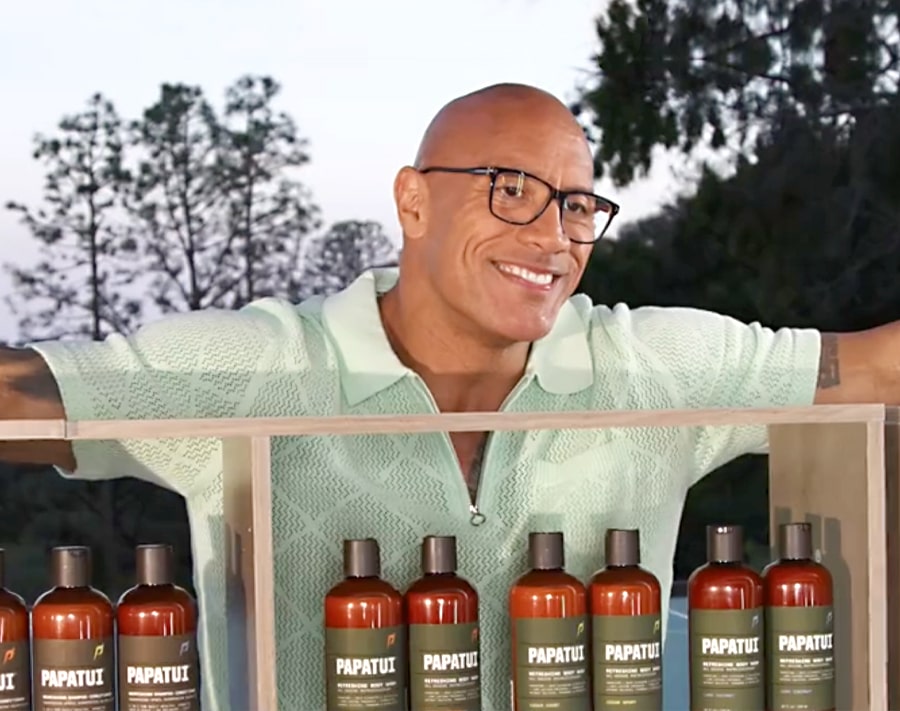
The Origin and Linguistic Identity of Papatui
The name Papatui is deeply rooted in Johnson’s Samoan heritage and familial legacy. To decode its meaning, one must look at the two components that form the word. “Papa” translates to “father” or “earth/rock” in several Polynesian contexts, but in this specific instance, it refers to Johnson’s role as a father—a central pillar of his public persona. “Tui” was the nickname of his maternal grandfather, High Chief Peter Maivia, a legendary figure in professional wrestling and a cultural icon in his own right.
The Power of Heritage in Brand Storytelling
By combining these elements, the brand establishes an immediate emotional narrative. It is not merely a product line; it is a tribute to lineage. In brand strategy, this is known as “Heritage Branding.” By grounding a new product in ancestral history, a company can bypass the “cold start” problem that many new brands face. Papatui arrives on the shelf with a pre-built soul, suggesting wisdom passed down through generations.
This linguistic choice does more than honor family; it humanizes a global superstar. While “The Rock” represents the invincible, muscular action hero, “Papatui” represents the grandson and the father. This vulnerability is a calculated branding masterstroke that makes the act of skincare—a topic some men still approach with hesitation—feel grounded in traditional, respectful masculinity rather than vanity.
Cultural Signifiers as a Moat
In a crowded marketplace, cultural specificity acts as a “moat.” While competitors may use clinical terms or generic descriptors like “Rugged” or “Active,” Papatui uses a term that invites curiosity. It forces the consumer to ask, “What does that mean?” This micro-engagement is the first step in the consumer journey, leading them from curiosity to the brand’s story, and eventually, to the checkout counter.
Personal Branding as a Business Catalyst
Dwayne Johnson is perhaps the most successful practitioner of personal branding in the 21st century. His transition from “The Rock” to a global box-office leader, and then to a beverage mogul with Teremana Tequila and ZOA Energy, follows a specific strategic blueprint. Papatui is the latest evolution of this blueprint, utilizing the “Authenticity-Authority” framework.
The Authenticity-Authority Framework
For a brand to succeed, the founder must have the “right to play” in that category. Johnson’s authority in the grooming space is built on his public-facing lifestyle. As a man who spends significant time in the gym and under the harsh lights of film sets, his skin and hair care routines are a logical extension of his physical brand.
However, the brand strategy goes deeper than just “celebrity endorsement.” Most celebrity brands fail because they feel like licensed products rather than founder-led ventures. Papatui is positioned as a solution to Johnson’s own frustrations with the market—specifically, the need for high-quality, accessible products that work for “the hardest worker in the room.” This creates a “Founder-Market Fit” that resonates with his audience of millions.
Translating Trust Across Verticals
The Papatui brand benefits from “Cross-Brand Halo Effects.” Consumers who trust Teremana for their spirits or Under Armour’s “Project Rock” for their athletic gear are predisposed to trust Papatui. This reduces the Customer Acquisition Cost (CAC), as the brand does not need to build trust from scratch. Instead, it leverages the existing equity of the Dwayne Johnson ecosystem. The name Papatui acts as a new chapter in a story the audience is already reading.
Disruptive Market Positioning and Design Strategy
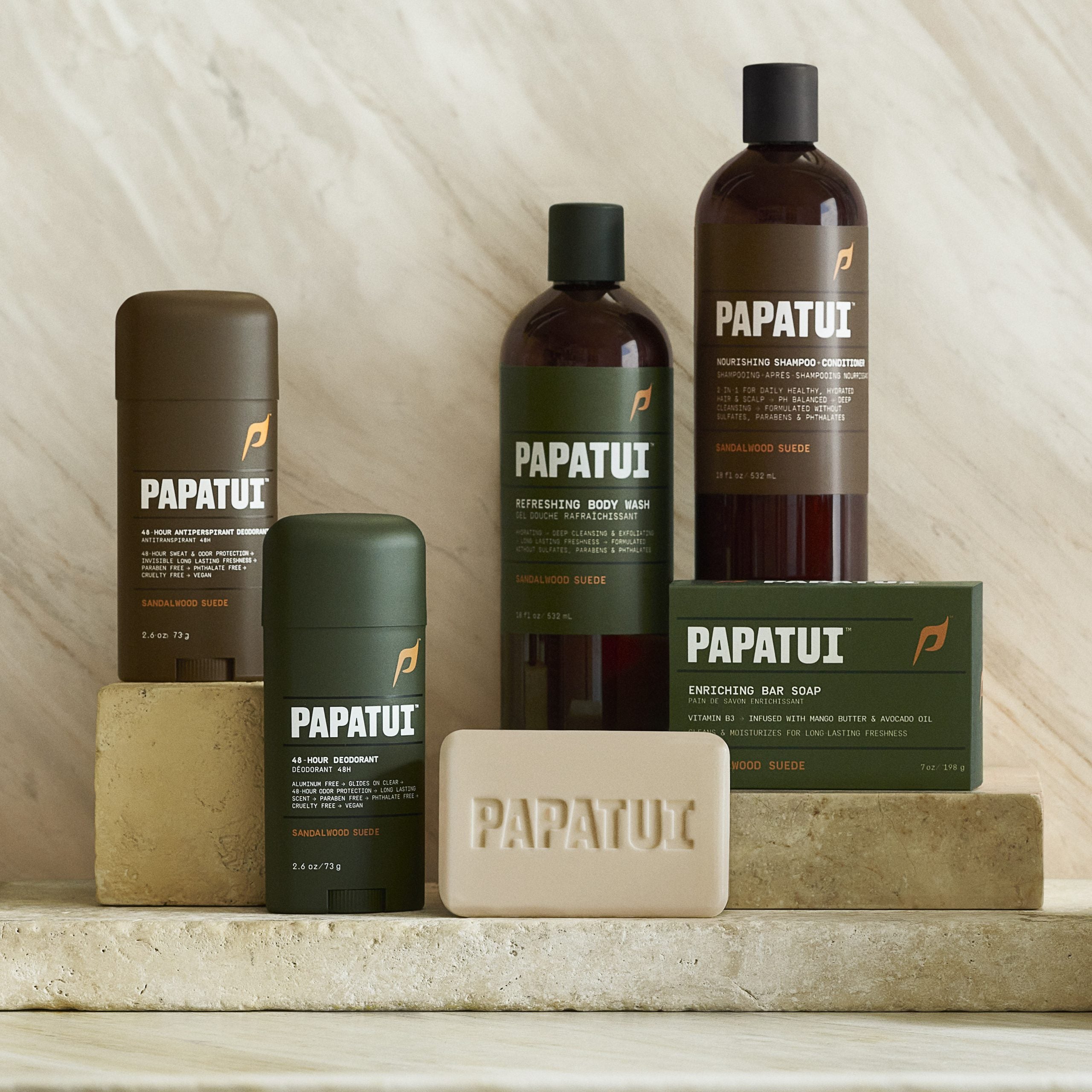
Beyond the name and the founder, the success of Papatui lies in its visual and corporate identity. The grooming industry for men has historically been bifurcated: either high-end, expensive luxury brands found in department stores, or budget-friendly, utilitarian brands found in pharmacies. Papatui occupies the “Masstige” (Mass-Prestige) space.
The “Clean” Aesthetic as a Strategic Choice
Visually, Papatui departs from the traditional “hyper-masculine” tropes. There are no dark greys, neon blues, or aggressive metallic fonts. Instead, the packaging utilizes muted, earth-toned palettes—creams, soft greens, and natural textures. This design choice signals “clean beauty” and “wellness,” trends that have dominated the women’s skincare market for a decade and are now rapidly moving into the men’s sector.
This aesthetic is a form of “Visual De-escalation.” It makes the products look sophisticated and premium while remaining approachable. It signals to the male consumer that skincare is a form of self-care and respect, not just a chore. The name Papatui, with its soft vowels and rhythmic cadence, complements this visual language perfectly.
Pricing and Accessibility Strategy
A critical pillar of the Papatui brand strategy is its partnership with Target. By launching as a retail exclusive with a major mass-market player, the brand ensures maximum visibility and accessibility. The pricing strategy is also deliberate: high enough to feel like an upgrade from basic soaps, but low enough to be an “impulse luxury” for the average shopper. This democratizes high-quality skincare, aligning with Johnson’s “People’s Champ” persona.
The Strategic Importance of Product Innovation
A brand name and a famous face can drive a first-time purchase, but only product performance drives the repeat purchases necessary for a sustainable business. Papatui’s strategy involves focusing on specific pain points that are often overlooked by generic brands.
Targeting the Tattoo Community
One of the standout products in the Papatui lineup is the tattoo balm. This is a brilliant niche marketing move. Dwayne Johnson’s tattoos are a core part of his visual brand. By creating a product specifically for tattoo care, the brand speaks directly to a massive demographic that is often underserved by traditional grooming companies. It reinforces the brand’s identity as being for “real men with real lives,” rather than a sanitized version of masculinity.
Formulating for the Modern Man
The brand emphasizes “clean” formulations—paraben-free, sulfate-free, and dermatologically tested. In the modern brand landscape, these are no longer optional extras; they are “table stakes.” However, Papatui uses these as a marketing lever to educate the male consumer. The brand strategy positions the product as “science-backed but heritage-inspired,” a dual-threat value proposition that appeals to both the rational and emotional brain of the consumer.
Lessons for Modern Brand Builders
The emergence of Papatui offers several critical insights for entrepreneurs and brand strategists looking to build a lasting identity in a competitive market.
1. Meaning Over Marketing
A name like Papatui works because it has a “why.” In an era of AI-generated brand names and clinical acronyms, a name with a personal story provides a hook for PR, social media storytelling, and customer loyalty. When building a brand, look for names that contain a narrative rather than just a description.
2. Consistency is the Foundation of Equity
Papatui does not exist in a vacuum. It is consistent with everything else in the Dwayne Johnson portfolio: high quality, hard work, and a touch of humility. Brand builders should ensure that every new venture reinforces their core identity rather than diluting it.
3. Solving for the “Middle”
The most lucrative space in many industries is the “middle”—the bridge between the elite and the everyday. Papatui’s strategy of offering premium-feeling products at accessible price points, backed by a sophisticated visual identity, is a blueprint for disrupting stagnant categories.

4. The Power of “Cultural Fluency”
Papatui succeeds by being culturally fluent. It understands the shift in how men view themselves. It moves away from the “tough guy” trope and toward a more holistic view of “the modern man” who values health, family, and self-presentation. Brands that can capture a cultural shift before it becomes mainstream are the ones that define the next decade of their industry.
In conclusion, Papatui is much more than a collection of soaps and lotions. It is a masterclass in brand architecture. By taking a name that carries the weight of his grandfather’s nickname and his own role as a father, Dwayne Johnson has created a brand that feels both ancient and contemporary. It proves that in the modern economy, the most valuable currency is not just fame, but the ability to tell a story that feels both personal and universal. Whether the brand expands into further lifestyle categories remains to be seen, but its foundation—built on the pillars of heritage, trust, and strategic disruption—is as solid as the man behind it.
aViewFromTheCave is a participant in the Amazon Services LLC Associates Program, an affiliate advertising program designed to provide a means for sites to earn advertising fees by advertising and linking to Amazon.com. Amazon, the Amazon logo, AmazonSupply, and the AmazonSupply logo are trademarks of Amazon.com, Inc. or its affiliates. As an Amazon Associate we earn affiliate commissions from qualifying purchases.