
Interest rates are often described as the “price of money.” In the current economic climate, this price has become the focal point of every financial discussion, from boardroom meetings on Wall Street to kitchen-table conversations about monthly mortgage payments. Whether you are looking to buy a home, expand a small business, or maximize the return on your savings, understanding what the current interest rate environment looks like—and more importantly, why it is moving the way it is—is essential for making informed financial decisions.
As we navigate an era of significant shifts in monetary policy, the “current” interest rate is not a single number but a complex web of benchmarks that influence everything from the APR on your credit card to the yield on a 10-year government bond. To master your personal finances, you must first understand the mechanics behind these rates and the macroeconomic forces that drive them.
The Mechanics of Modern Interest Rates: The Role of Central Banks
At the heart of the global interest rate environment sits the central bank—in the United States, this is the Federal Reserve. The “current interest rate” most people refer to in a general sense is the Federal Funds Rate. This is the target interest rate at which commercial banks borrow and lend their excess reserves to each other overnight. While it may seem like a technicality for bankers, it is the fundamental “base rate” that sets the floor for almost all other consumer interest rates.
The Federal Reserve and the Federal Funds Rate
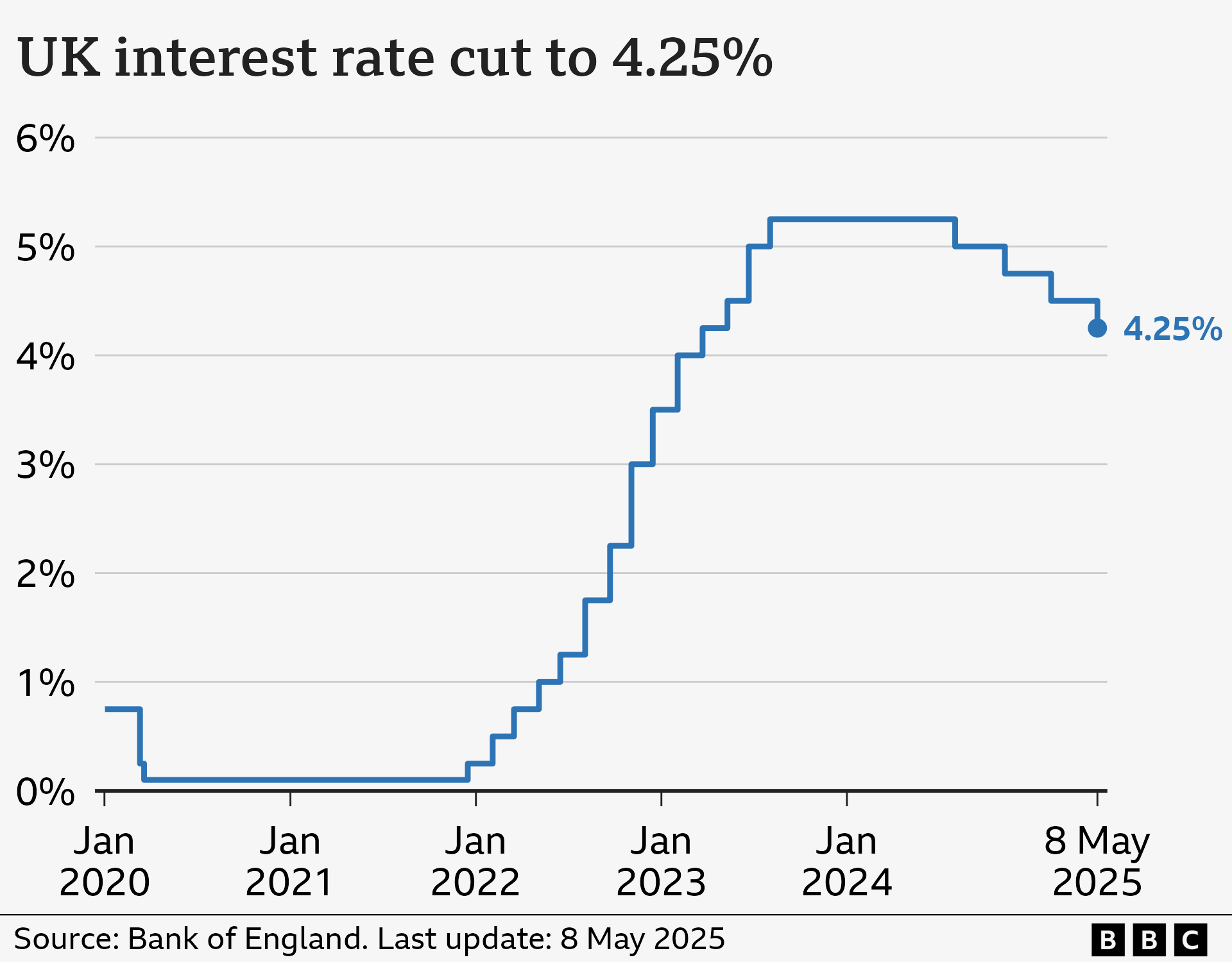
The Federal Reserve’s Federal Open Market Committee (FOMC) meets eight times a year to determine whether to raise, lower, or maintain the federal funds rate. When the Fed raises rates, it becomes more expensive for banks to borrow money. To maintain their profit margins, banks pass these costs down to consumers by increasing the interest rates on loans. Conversely, when the Fed lowers rates, borrowing becomes cheaper, which is intended to stimulate spending and investment during economic slowdowns.
How Inflation and the Dual Mandate Drive Decisions
The primary reason interest rates have remained elevated in the current period is the battle against inflation. The Federal Reserve operates under a “dual mandate”: to promote maximum employment and maintain stable prices. When inflation rises significantly above the target 2% mark, the Fed utilizes “contractionary” monetary policy—raising interest rates—to cool the economy. By making borrowing more expensive, the Fed aims to reduce consumer demand and corporate spending, which eventually slows the pace of price increases.
The Impact of the 10-Year Treasury Yield
While the Fed controls short-term rates, the market controls long-term rates. The 10-year Treasury yield is perhaps the most important indicator for long-term debt, including 30-year fixed-rate mortgages. This yield is influenced by investor expectations regarding future inflation, economic growth, and the Fed’s long-term path. When investors believe inflation will remain sticky, they demand higher yields on Treasuries, which pushes up interest rates for long-term consumer loans even if the Fed hasn’t moved the short-term rate recently.
The Impact on Personal Finance: Navigating Borrowing Costs
For the average individual, the current interest rate environment translates directly into the cost of debt. We have transitioned from a decade of “cheap money” (2010–2021) into a period where the cost of capital is significantly higher. This shift requires a tactical reassessment of how we manage debt and time major life purchases.
The Mortgage Market: Fixed vs. Variable Rates
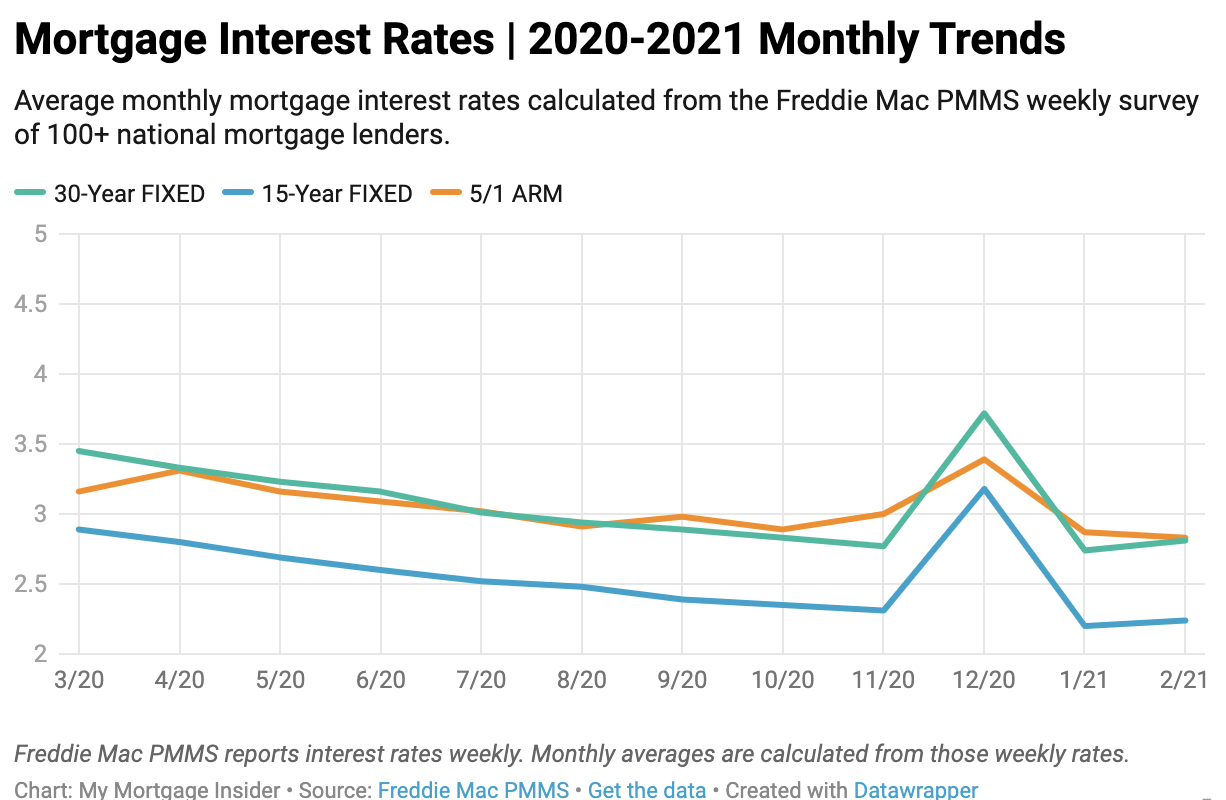
The housing market is the sector most sensitive to interest rate fluctuations. When the current interest rate for a 30-year mortgage climbs from 3% to 7%, the purchasing power of a buyer can be slashed by nearly 30-40%.
- Fixed-Rate Mortgages: These offer stability, locking in the current rate for the life of the loan. In a rising rate environment, those who locked in low rates years ago are in a strong position.
- Adjustable-Rate Mortgages (ARMs): These may offer a lower initial rate, but they carry the risk of “resetting” to a much higher rate in the future. In the current volatile market, borrowers must be extremely cautious with ARMs, ensuring they have the liquidity to handle potential payment shocks.
Credit Cards and the Variable Rate Trap
Most credit cards carry variable interest rates tied to the “Prime Rate,” which is usually 3 percentage points higher than the Federal Funds Rate. As the Fed has hiked rates over the last two years, the average credit card APR has surged to record highs, often exceeding 20-25%. This makes “revolving debt” incredibly dangerous. For consumers, the current interest rate environment demands a “debt-first” mentality—prioritizing the payoff of high-interest balances before allocating funds to lower-yielding investments.
Auto Loans and Personal Lending
Similar to mortgages, auto loans have seen a sharp increase. A few years ago, 0% or 1.9% financing was common. Today, even well-qualified buyers may see rates between 6% and 8%. This has shifted the “Money” strategy for many: instead of financing the entire purchase, more consumers are choosing to make larger down payments to avoid the compounding effect of high-interest debt over a 60-month or 72-month term.

Strategies for Savers and Investors in a High-Rate Environment
While high interest rates are a burden for borrowers, they represent a “golden age” for savers and fixed-income investors. For the first time in nearly 15 years, it is possible to earn a meaningful return on cash without taking on significant stock market risk.
High-Yield Savings Accounts (HYSA) and CDs
The current interest rate for High-Yield Savings Accounts has become a competitive tool for fintech and online banks. While traditional “brick-and-mortar” banks may still offer 0.01% interest, many online institutions are offering 4% to 5% APY.
- Certificates of Deposit (CDs): For those who don’t need immediate access to their cash, CDs allow you to lock in today’s high rates for a set period (e.g., 12 or 24 months). This is an effective “Money” strategy if you believe interest rates will fall in the near future.
- Money Market Funds: These funds invest in short-term debt instruments and currently offer yields that track closely with the Federal Funds Rate, providing liquidity and safety for an emergency fund.
The Shift in Equity Markets and Valuations
From an investment perspective, interest rates are the “gravity” of the stock market. When rates are high, the “discount rate” used by analysts to value future corporate earnings also rises. This often leads to lower valuations for “growth” stocks—companies that are expected to make most of their money in the future (like tech startups). Investors in the current environment have pivoted toward “value” stocks—companies with strong cash flows and low debt—which are more resilient when the cost of borrowing is high.
Bond Ladders and Fixed Income
Bond investing has become sophisticated again. A “bond ladder” is a strategy where an investor buys bonds that mature at different intervals. This allows the investor to capture current high yields while maintaining the flexibility to reinvest the principal if rates go even higher, or to benefit from capital gains if rates start to drop (since bond prices move inversely to interest rates).
The Global Economic Outlook and Future Projections
Understanding the current interest rate is only half the battle; the other half is anticipating where they are going. Financial markets are constantly trying to “price in” the next move by the Federal Reserve and other global central banks like the European Central Bank (ECB) or the Bank of England.
The Concept of the “Terminal Rate” and “Neutral Rate”
Economists often discuss the “Terminal Rate”—the peak level at which the Fed will stop raising rates. Once the terminal rate is reached, the focus shifts to how long rates will stay there (the “Higher for Longer” narrative). Additionally, there is the “Neutral Rate”—an interest rate that neither stimulates nor restricts the economy. Identifying where this neutral rate lies is the Holy Grail for financial planners, as it signals the long-term “normal” for interest rates once inflation is fully tamed.
Indicators to Watch: Unemployment and GDP
The path of future interest rates depends on two major data points: the Consumer Price Index (CPI) and the jobs report. If the unemployment rate stays low and the economy (GDP) remains strong, the Fed has more leeway to keep rates high to ensure inflation doesn’t return. However, if the economy begins to show signs of a recession—such as a sharp rise in unemployment or a contraction in consumer spending—the Fed will likely pivot and begin cutting rates to lower the cost of money and jumpstart growth.
The Yield Curve Inversion
A critical concept in business finance is the “Yield Curve.” Usually, long-term bonds pay higher interest than short-term bonds. When the opposite happens—when short-term rates are higher than long-term rates—it is called an “inversion.” Historically, a yield curve inversion has been a reliable predictor of a recession. For the savvy money manager, an inverted curve is a signal to move into more defensive assets and increase cash reserves in anticipation of economic volatility.
Conclusion: Mastering Your Financial Response
The “current interest rate” is more than just a headline; it is the most powerful lever in the world of finance. For the individual, it dictates the feasibility of homeownership, the growth of an emergency fund, and the volatility of a retirement portfolio.
In this “Money” niche, the key to success is adaptability. When rates are high, the strategy must shift toward saving, paying down variable-rate debt, and seeking out high-yield fixed-income opportunities. By monitoring the Federal Reserve’s signals and understanding the relationship between inflation and borrowing costs, you can transform a challenging interest rate environment into a period of strategic wealth building. Whether we are at the peak of the rate cycle or the beginning of a descent, staying informed is the only way to ensure your capital is working as hard as you are.
aViewFromTheCave is a participant in the Amazon Services LLC Associates Program, an affiliate advertising program designed to provide a means for sites to earn advertising fees by advertising and linking to Amazon.com. Amazon, the Amazon logo, AmazonSupply, and the AmazonSupply logo are trademarks of Amazon.com, Inc. or its affiliates. As an Amazon Associate we earn affiliate commissions from qualifying purchases.