
In the biblical Book of Revelation, the term “lukewarm” is used as a scathing indictment of the church in Laodicea. The text famously suggests that because the community was neither cold nor hot, they would be “spit out.” In a historical context, the city of Laodicea was situated between Hierapolis, known for its hot medicinal springs, and Colossae, known for its cold, refreshing mountain water. Being lukewarm meant being useless—lacking both the healing properties of heat and the refreshing clarity of cold.
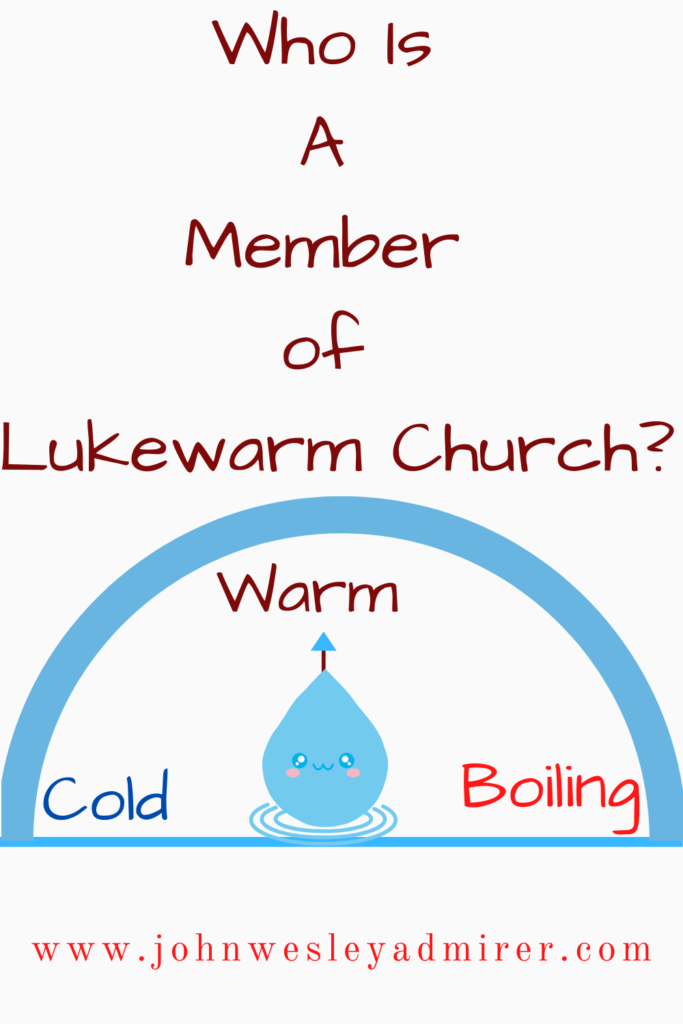
In the modern marketplace, this biblical metaphor serves as a prophetic warning for brand strategists and business leaders. To be “lukewarm” in branding is to occupy the mushy middle—the space where your identity is so diluted, so “safe,” and so broad that it fails to elicit a reaction from anyone. In an era defined by hyper-competition and social media saturation, a lukewarm brand is a dying brand.
The Fatal Flaw of the Middle: Understanding the Lukewarm Brand
The most dangerous place for a modern brand is not at the extremes of the market; it is in the center. In brand strategy, lukewarmness is the result of trying to please everyone. When a company attempts to appeal to every demographic, solve every problem, and avoid every possible controversy, it creates a “gray” identity. This lack of conviction is the corporate equivalent of being lukewarm.
The Psychology of Indifference
Human psychology is wired to respond to contrast. We notice the sharp edges, the bright colors, and the loud voices. A lukewarm brand offers no contrast. Because it seeks to be inoffensive, it becomes invisible. In marketing, the opposite of love is not hate; it is indifference. If a consumer hates your brand, they are at least engaged with it. They have an opinion. Hate can often be flipped into loyalty through product improvement or better communication. But indifference? Indifference is a vacuum. You cannot build a bridge over a vacuum.
The Dilution of Value Propositions
Lukewarm brands often suffer from “feature creep” or “message bloating.” Instead of standing for one powerful thing—speed, luxury, reliability, or affordability—they try to claim all of them. This dilution makes the value proposition murky. When a customer asks, “Why should I choose you?” a lukewarm brand provides a generic list of features that their competitors also claim. By trying to be everything to everyone, the brand becomes nothing to anyone.
The Theology of Brand Positioning: Hot vs. Cold
In the biblical metaphor, both “hot” and “cold” were useful. In brand strategy, this translates to the necessity of choosing a side. You must decide who you are for, and just as importantly, who you are not for. This is the essence of positioning.
The “Hot” Brand: Radical Advocacy
A “hot” brand is one that leans into radical advocacy or a specific lifestyle. These brands have high conviction and aren’t afraid to alienate people who don’t share their values. Think of brands like Patagonia or Tesla. Patagonia doesn’t just sell jackets; they sell environmental activism. They have famously told customers “Don’t Buy This Jacket” to discourage consumerism. This “hot” stance alienates those who don’t care about the environment, but it creates a cult-like devotion among those who do. They are useful, healing, and transformative for their specific audience.
The “Cold” Brand: Clinical Efficiency
A “cold” brand isn’t “bad”; rather, it is refreshing in its simplicity and utility. These are brands that compete on pure logic, price, or convenience. They don’t try to be your friend or your identity; they simply provide the best tool for the job. Amazon, in its early days, was a “cold” brand. It was about selection, price, and logistics. It didn’t need to have a personality because its utility was so refreshing. It solved a friction point with clinical precision.
The Rejection of the “Safe” Average
The problem arises when a brand tries to sit in the middle. They aren’t cheap enough to be the “cold” utility choice, and they aren’t inspiring enough to be the “hot” identity choice. They are stuck. In the biblical sense, they are “spit out” by the market. Consumers will bypass the lukewarm brand to find either the premium experience or the budget-friendly utility.
Identifying the Symptoms of a Lukewarm Identity

How do you know if your brand has fallen into the trap of Laodicean lukewarmness? There are several tell-tale signs that your identity is becoming stagnant.
Messaging by Committee
One of the fastest ways to become lukewarm is to let too many voices have a say in your brand’s messaging. When a brand voice is filtered through legal departments, multiple tiers of management, and risk-averse stakeholders, the “sharp edges” are sanded off. What remains is a bland, corporate “white noise” that sounds exactly like every other company in the industry. If your mission statement could be used by your competitor without changing a single word, you are lukewarm.
Fear of Alienating the Wrong Audience
Many brands are terrified of losing a potential customer. Consequently, they refuse to take a stance on anything—be it design aesthetics, social issues, or market disruptions. However, a brand that stands for everything stands for nothing. The most successful brands in history are those that are comfortable being “disliked” by the people who were never going to buy from them anyway. If you aren’t turning someone off, you probably aren’t turning anyone on.
Relying Solely on Functional Utility
If your only differentiator is that your product “works,” you are in the lukewarm zone. In the modern economy, “working” is the baseline; it is not a competitive advantage. Technology has leveled the playing field, making it easy for almost anyone to produce a functional product. The brand is the intangible layer that sits on top of the product. Lukewarm brands forget to build that layer, assuming that their technical specifications will do the talking. They won’t.
Strategies to Escape the Lukewarm Trap
If your brand is currently lukewarm, the solution is not to try harder at being “nice.” The solution is to get uncomfortable and find your “heat” or your “cool.”
Develop a Radical Brand North Star
Your “North Star” is your brand’s ultimate purpose beyond making a profit. To move away from the middle, this purpose must be specific. Instead of saying “We want to be the best software company,” your North Star should be “We want to make data privacy a human right.” This creates a clear boundary. It gives your team a reason to say “no” to certain features or partnerships. Conviction is the antidote to lukewarmness.
Embrace “The Niche”
In the biblical context, the lukewarm were those who were self-satisfied and felt they “needed nothing.” In business, this often looks like a brand trying to dominate the entire market at once. To find your heat, you must go deep before you go wide. By focusing on a specific niche—a small but passionate group of users—you can tailor your identity to their exact needs. Once you have a “hot” following in a niche, you can expand. But starting broad is a recipe for mediocrity.
Prioritize Emotional Resonance Over Logical Features
People buy based on emotion and justify with logic. A lukewarm brand spends 90% of its time on the logic and 10% on the emotion. To escape the middle, you must flip that ratio. What does your brand feel like? What does it say about the person who uses it? Does it make them feel powerful, safe, rebellious, or sophisticated? If your brand doesn’t evoke an emotional response, it remains at room temperature.
The Long-Term Cost of Mediocrity
The warning in the Bible regarding lukewarmness is a warning of total rejection. In the business world, the consequences are equally dire.
The Price War Death Spiral
Lukewarm brands have no “brand equity,” which means they have no pricing power. Because they haven’t convinced the customer that they are special, the customer will only buy from them if they are the cheapest option. This leads to a race to the bottom—a price war where margins are erased and the business eventually collapses.

Customer Churn and the Lack of Advocacy
A lukewarm brand may gain customers through aggressive advertising, but it rarely keeps them. Without a strong identity, there is no brand loyalty. As soon as a “hotter” or “colder” competitor emerges, the customer will switch. Furthermore, lukewarm brands don’t create advocates. Nobody goes to a dinner party and talks about a “decent” or “average” brand. They talk about the brand that changed their life or the brand that saved them a fortune. They talk about the extremes.
In conclusion, the biblical definition of lukewarmness is a state of being that is neither useful nor refreshing. For any brand seeking to survive the coming decades, the lesson is clear: find your conviction. Choose your audience. Be bold enough to be “hot” or disciplined enough to be “cold.” Anything in between is just a slow path to being spit out by the market.
aViewFromTheCave is a participant in the Amazon Services LLC Associates Program, an affiliate advertising program designed to provide a means for sites to earn advertising fees by advertising and linking to Amazon.com. Amazon, the Amazon logo, AmazonSupply, and the AmazonSupply logo are trademarks of Amazon.com, Inc. or its affiliates. As an Amazon Associate we earn affiliate commissions from qualifying purchases.