
To the uninitiated, the question “What does Liquid Death taste like?” might seem to invite a literal answer about mineral content, carbonation levels, or the crispness of mountain water. However, in the world of high-stakes brand strategy and corporate identity, the “taste” of Liquid Death has very little to do with H2O and everything to do with the flavor of rebellion, the texture of subversion, and the aftertaste of a brilliantly executed marketing heist.
Liquid Death does not merely sell water; it sells a brand experience that challenges the traditional semiotics of the beverage industry. By packaging mountain water in 16.9-ounce tallboy aluminum cans adorned with gothic typography and melting skulls, the brand has successfully managed to make the most mundane substance on Earth feel like a premium lifestyle choice. To understand what Liquid Death tastes like is to understand the mechanics of how a commodity is transformed into a cult icon through the power of aggressive, non-conformist branding.

The Alchemy of Branding: Why Liquid Death Tastes Like Disruption
The primary “flavor” of Liquid Death is disruption. For decades, the bottled water category was defined by “purity” tropes: images of snow-capped mountains, serene springs, and clear plastic bottles that signaled health and transparency. Brands like Evian, Fiji, and Aquafina competed on a platform of softness and safety. Liquid Death, founded by former creative director Mike Cessario, took the opposite approach.
The Psychology of the Tallboy
The physical sensation of drinking Liquid Death is designed to mimic the experience of drinking a craft beer or an energy drink. By choosing the tallboy aluminum can, the brand strategically maneuvers into social spaces where water was previously “uncool.” At a heavy metal concert or a high-energy party, holding a plastic bottle of water can feel like a social signal of abstinence or “sitting out.” Holding a Liquid Death can, however, provides the user with the aesthetic of participation. The brand “tastes” like inclusivity for those who want to stay hydrated without sacrificing their “edge.”
Subverting the Health Narrative
Liquid Death’s slogan, “Murder Your Thirst,” is a masterclass in brand positioning. It replaces the gentle, wellness-focused language of the hydration industry with violent, high-energy imagery. This creates a brand persona that is irreverent and humorous. The “taste” here is one of irony—consumers are in on the joke. They know they are drinking water, but they are enjoying the theater of the “death” of their thirst. This psychological layer adds a perceived value that goes far beyond the liquid inside the can.
Product-Market Fit Through Subversive Marketing Strategy
In brand strategy, the “taste” of a product is often shaped by the community that surrounds it. Liquid Death didn’t target the yoga studio demographic initially; they went after the skaters, the punks, and the gamers. By doing so, they created a brand that tastes like authenticity in a market often criticized for being overly corporate and sanitized.
Content as a Core Product
Liquid Death functions more like a media company than a traditional CPG (Consumer Packaged Goods) brand. From their viral videos featuring “the executioner” to their “Greatest Hates” vinyl records—where they set negative internet comments to death metal music—the brand builds a narrative that consumers want to be a part of. When a consumer drinks Liquid Death, they are consuming that content. The brand’s flavor profile is built on engagement, humor, and a “middle finger” to traditional advertising.
The Value of “The Cult”
Successful personal and corporate branding relies on the creation of a “tribe.” Liquid Death has cultivated a fanatical following by leveraging a “work for the brand” mentality. Their “Country Club” loyalty program requires users to “sell their souls” to join. This level of extreme brand commitment transforms the act of consumption into a ritual. In this context, the water tastes like belonging. It is a badge of identity that signals the consumer’s alignment with a brand that refuses to take itself seriously while being incredibly serious about its market share.
The Economics of Aesthetics: Packaging as a Brand Moat
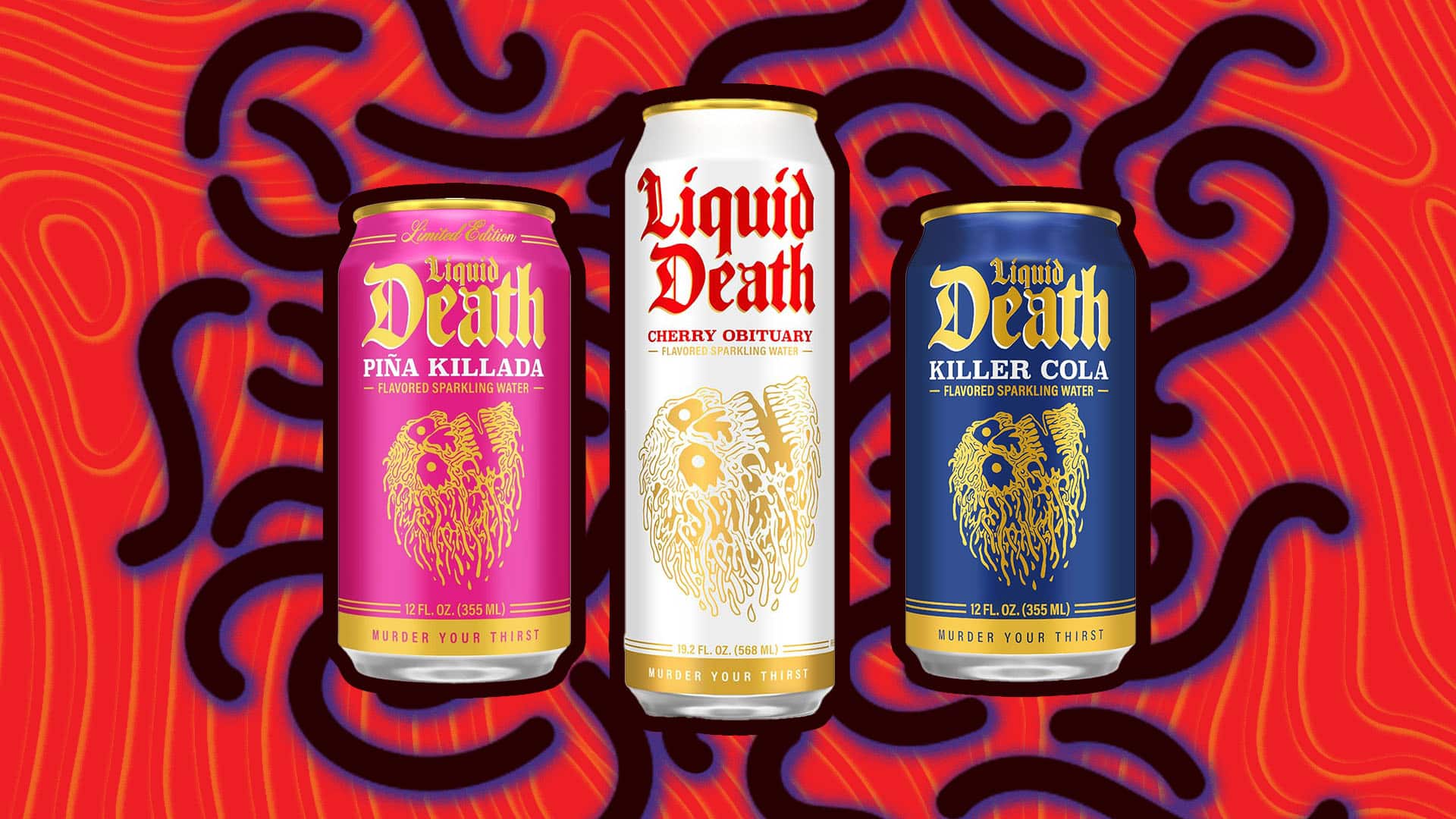
While the liquid inside may be comparable to other high-quality mountain waters, the “taste” of Liquid Death is heavily influenced by its commitment to aluminum. This is where brand strategy meets environmental advocacy, creating a “flavor” of ethical consumption that doesn’t feel like a lecture.
“Death to Plastic”
Liquid Death’s environmental stance is integrated into its core identity, not tucked away in a CSR (Corporate Social Responsibility) report. The “Death to Plastic” campaign is aggressive and aligns perfectly with the brand’s “metal” aesthetic. Aluminum is infinitely recyclable, unlike the plastic bottles used by competitors. For the modern consumer, Liquid Death tastes like a guilt-free conscience. The brand has managed to make sustainability look “cool” and “hard” rather than “soft” and “earnest.”
Shelf Presence and Visual Hierarchy
In a retail environment, the “taste” of a brand is first established through the eyes. Liquid Death’s packaging dominates the water aisle by breaking every established design rule of the category. The high-contrast black and white (or gold for sparkling) cans create a visual “shout” among a sea of blue and clear plastic. This visual dominance translates to a perceived premium quality. In the mind of the consumer, the boldness of the design suggests a boldness in the product, even if the product is fundamentally neutral.
Strategic Lessons for Modern Corporate Identity
What does Liquid Death taste like to a brand strategist? It tastes like the future of market penetration. It serves as a blueprint for how to enter a crowded, commodified market and extract massive value through sheer creative force.
The Power of Narrative Over Attribute
Traditional marketing focuses on product attributes: “Our water is filtered through volcanic rock.” Liquid Death focuses on the narrative: “Our water will murder your thirst and save the planet while looking like a beer.” For brands looking to replicate this success, the lesson is clear: in the absence of a unique product attribute, you must create a unique brand narrative. The narrative is the “flavor” that the consumer remembers.
Authenticity Through Consistency
One reason Liquid Death has maintained its momentum is its unwavering commitment to its “voice.” Whether it is a Super Bowl commercial or a response to a customer on Instagram, the brand never breaks character. This consistency builds trust. To the market, Liquid Death tastes like a brand that knows exactly what it is. It doesn’t pivot to “standard” marketing just because it has reached a billion-dollar valuation; it doubles down on the weirdness.
Leveraging the “Anti-Brand” Sentiment
There is a growing segment of consumers who are weary of traditional corporate polish. Liquid Death tastes like an “anti-brand.” By leaning into the absurd—such as selling “Enema Kits” with Travis Barker or “Canned Air”—they demonstrate a level of self-awareness that resonates with Gen Z and Millennial audiences. This strategy turns the brand into a personality, making the consumption of the product feel like an interaction with a friend rather than a transaction with a corporation.

Conclusion: The Final Flavor Profile
So, what does Liquid Death taste like?
To the consumer, it tastes like crisp, clean mountain water delivered with a side of entertainment and social signaling. To the competitor, it tastes like a wake-up call that “quality” is no longer enough to win—you need a soul, a voice, and a point of view. To the brand strategist, it tastes like the ultimate victory of identity over commodity.
Liquid Death has proved that you can sell anything—even the most basic necessity of life—if you can wrap it in a story that people want to tell about themselves. The “taste” of Liquid Death is the taste of a new era of branding, where the product is merely the souvenir of a powerful, disruptive, and unapologetic brand experience. By murdering the conventions of the beverage industry, Liquid Death has created a flavor profile that is impossible to ignore and even harder to replicate.
aViewFromTheCave is a participant in the Amazon Services LLC Associates Program, an affiliate advertising program designed to provide a means for sites to earn advertising fees by advertising and linking to Amazon.com. Amazon, the Amazon logo, AmazonSupply, and the AmazonSupply logo are trademarks of Amazon.com, Inc. or its affiliates. As an Amazon Associate we earn affiliate commissions from qualifying purchases.