
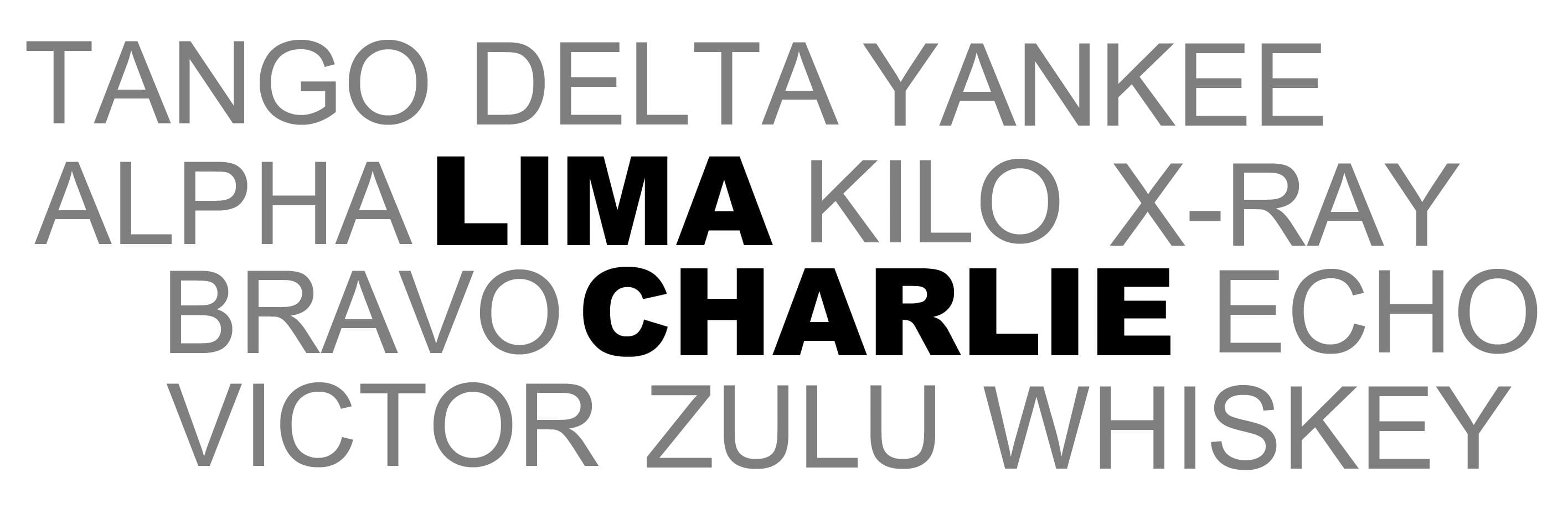
In the high-stakes world of military communications and aviation, clarity is the difference between mission success and catastrophic failure. When a pilot or a soldier receives a transmission and responds with “Lima Charlie,” they are using the NATO phonetic alphabet to signal “Loud and Clear.” In this context, “L” stands for Lima and “C” stands for Charlie. Together, they confirm that the message has been received and understood without distortion.
However, in the modern landscape of technology and digital security, “Lima Charlie” has taken on a second, equally vital meaning. It is the name of a pioneering SecOps Cloud Platform that is fundamentally changing how organizations approach cybersecurity. Just as the radio term implies transparency and reliability, the LimaCharlie platform aims to provide security professionals with a “loud and clear” view of their digital environment.
To understand what Lima Charlie means today, one must look past the radio jargon and dive into the architecture of modern security operations, the evolution of endpoint detection, and the shift toward infrastructure-as-code in the cybersecurity sector.
From Radio Communications to Digital Resilience
The transition of the phrase “Lima Charlie” from a tactical communication standard to a technological powerhouse is no accident. The core philosophy of the original term—ensuring that information is transmitted and received with absolute fidelity—is exactly what is missing from many legacy security solutions.
The Problem of “Quiet” Networks
In traditional cybersecurity, many platforms act as “black boxes.” They ingest data, process it using proprietary algorithms, and provide the user with a filtered, often obscured, version of reality. This lack of transparency leads to “quiet” networks where threats can hide in the gaps between what the tool sees and what it reports. When a security team lacks visibility, they cannot claim to have a “Lima Charlie” connection with their infrastructure.
The Birth of the SecOps Cloud
The LimaCharlie platform was built to solve this exact problem. By adopting the name, the founders signaled a commitment to visibility and transparency. In technical terms, LimaCharlie is a SecOps Cloud Platform that provides the building blocks for security teams to create a custom, scalable, and highly responsive security posture. It moves away from the “all-in-one” boxed software model and toward a “Security Infrastructure as a Service” (SIaaS) model.
The LimaCharlie Ecosystem: Redefining Security Operations
To truly understand what LimaCharlie means in a tech context, one must examine its unique architecture. Unlike traditional Endpoint Detection and Response (EDR) tools that are rigid and difficult to integrate, LimaCharlie is designed with an API-first mentality.
Infrastructure as Code (IaC) for Security
One of the most significant technological shifts in the last decade has been the move toward Infrastructure as Code. DevOps teams use tools like Terraform or CloudFormation to manage servers and networks through scriptable files. LimaCharlie brings this exact same rigor to security.
What does this mean for a security engineer? It means that every detection rule, every sensor configuration, and every automated response can be version-controlled in a Git repository. This ensures that security is not a manual, error-prone process but a repeatable, scalable, and auditable engineering discipline. When a security posture is defined as code, the organization gains “Loud and Clear” visibility into exactly how their defenses are configured at any given moment.
The Multi-Tenant Architecture
For Managed Service Providers (MSPs) and Managed Security Service Providers (MSSPs), LimaCharlie offers a multi-tenant environment that is natively cloud-based. This allows for the management of thousands of disparate organizations from a single pane of glass without the data bleed or complexity found in legacy systems. It provides the technological foundation to scale security operations without a linear increase in overhead or human labor.
Core Capabilities: Beyond Endpoint Detection and Response
While many people first encounter LimaCharlie as an EDR solution, its capabilities extend far beyond simply monitoring laptops and servers. It is a comprehensive ecosystem for telemetry, observation, and action.
Real-time Telemetry and Observability
The platform functions by deploying a “sensor”—a lightweight agent—across various endpoints, including Windows, macOS, Linux, Chrome, and even cellular networks. These sensors do not just wait for a virus to appear; they provide a constant stream of telemetry. This include process executions, network connections, file system changes, and registry modifications.
This level of detail allows security teams to engage in “threat hunting.” Instead of waiting for an alert, analysts can query their entire fleet in real-time to look for indicators of compromise (IOCs). If a new zero-day vulnerability is announced, a team using LimaCharlie can instantly ask, “Has any machine in my network executed this specific process in the last 30 days?” The answer comes back loud and clear.
The “Payload” and Extension System
Another technical innovation within the platform is the ability to run “payloads.” These are modular pieces of code or tools (such as Velociraptor or Zeek) that can be deployed to an endpoint on-demand to perform specific forensic tasks. This modularity means that LimaCharlie is not just a tool but a delivery mechanism for any security capability an organization might need. It effectively future-proofs the security stack by allowing teams to swap in new technologies as they emerge.
The Shift Toward an “On-Demand” Cybersecurity Model
Perhaps the most disruptive aspect of what LimaCharlie means in the current market is its business and operational model. For years, the cybersecurity industry has been dominated by multi-year contracts, “per-seat” pricing, and aggressive sales tactics. LimaCharlie has flipped this script by mirroring the consumption models of major cloud providers like AWS or Google Cloud.
Cost Efficiency and Scalability
In the tech world, scalability is king. Traditional security tools often force companies to pay for licenses they aren’t using or hit them with massive bills as they grow. LimaCharlie utilizes a “pay-for-what-you-use” model. If a company scales up by 1,000 servers for a weekend project, they pay for those 1,000 sensors only for the duration they are active.
This elasticity is critical for modern, cloud-native companies that experience fluctuating workloads. It aligns the cost of security directly with the value it provides, removing the financial friction that often prevents companies from implementing robust protections.
Empowering the “Builder” Mentality
LimaCharlie is built for “builders”—the security engineers, developers, and architects who want to create their own solutions rather than being told how to work by a software vendor. By providing open APIs, extensive documentation, and a Python SDK, the platform allows teams to integrate security data into their own custom dashboards, data lakes, or automation workflows.
This “Loud and Clear” access to raw data is a game-changer. It means that an organization is no longer a tenant in their own security tool; they are the owners of their data. They can export it, analyze it, and store it according to their own compliance requirements and business logic.
Why “Lima Charlie” is the Future of Modern Digital Security
As we look toward the future of technology, the complexity of our digital environments will only increase. With the rise of AI-driven threats, the proliferation of IoT devices, and the blurring of the traditional network perimeter, the need for clear communication and transparent security has never been greater.
“Lima Charlie” is more than a name; it is a standard for the next generation of SecOps. It represents a move away from the “security by obscurity” of the past and toward a future defined by:
- Transparency: Knowing exactly what is happening on every endpoint at every second.
- Agility: The ability to deploy, update, and automate security configurations in seconds via code.
- Neutrality: A platform that doesn’t lock you into a single vendor’s vision but empowers you to use the best tools for the job.
- Accessibility: Making enterprise-grade security tools available to everyone, from the solo developer to the Fortune 500 company, through a transparent and fair pricing model.
In conclusion, when someone asks “what does Lima Charlie mean,” the answer depends on the context. In a radio cockpit, it means the message is received. In the world of technology, it means you have finally achieved the level of visibility and control required to defend a modern enterprise. It means your security operations are operating with maximum clarity—Loud and Clear.
aViewFromTheCave is a participant in the Amazon Services LLC Associates Program, an affiliate advertising program designed to provide a means for sites to earn advertising fees by advertising and linking to Amazon.com. Amazon, the Amazon logo, AmazonSupply, and the AmazonSupply logo are trademarks of Amazon.com, Inc. or its affiliates. As an Amazon Associate we earn affiliate commissions from qualifying purchases.