
In the high-stakes arena of global entertainment, a brand is often more than just a logo or a product line; it is a carefully curated narrative built over decades. When Kendrick Lamar released the scathing “Not Like Us,” the phrase “69 God” became an instant viral sensation. However, for brand strategists and corporate identity experts, this wasn’t merely a lyrical insult. It was a masterclass in brand deconstruction. By modifying a single digit in his opponent’s primary trademark, Lamar executed a “brand hijacking” that fundamentally altered the market perception of the OVO (October’s Very Own) empire. To understand what Kendrick means by “69 God” through the lens of brand strategy, one must look at how cultural capital is traded, how identity is weaponized, and how a single linguistic pivot can dismantle billions of dollars in brand equity.

The Power of the Pivot: Redefining a Competitor’s Visual and Verbal Identity
The foundation of any successful brand is its core identity. For the artist Drake, that identity was inextricably linked to the “6 God” persona—a title that symbolized his dominion over Toronto (the “6”) and his status as a divine-tier figure in the music industry. This moniker served as a cornerstone for his personal branding, influencing everything from his Nike NOCTA collaborations to the marketing of his OVO Sound label.
From “6 God” to “69 God”: The Semiotics of Subversion
In branding, semiotics—the study of signs and symbols—is everything. The “6 God” brand communicated power, regional loyalty, and spiritual authority. When Kendrick Lamar introduced the “69 God” variation, he utilized a technique known as “subversive rebranding.” By adding the number nine, he didn’t just create a rhyme; he redirected the entire narrative flow of the OVO brand toward a set of negative associations.
The number 69, in contemporary cultural parlance, carries two heavy burdens for a brand. First, it references the legal and social infamy of Tekashi 6ix9ine, a figure associated with federal “snitching” and a lack of street credibility—the antithesis of the “authentic” brand Kendrick claims to represent. Second, it shifts the brand’s focus from the “God-tier” spiritual realm to a transactional, tawdry, and often predatory sexual connotation. In a single phrase, Lamar effectively “poisoned the well,” ensuring that every time a consumer sees the “6 God” logo, the “69 God” subversion flickers in the back of their mind. This is the ultimate nightmare for a brand manager: a competitor taking your most valuable asset and turning it into a liability.
Weaponizing Brand Vulnerabilities
Every brand has a “shadow”—a set of vulnerabilities that are hidden behind the polish of marketing. For the OVO brand, the vulnerability was the tension between “luxury” and “authenticity.” By labeling his opponent a “69 God,” Kendrick targeted the perceived moral vacuum within the OVO corporate identity. He suggested that the brand’s “God” status was built on a foundation of exploitative behavior rather than genuine cultural contribution.
From a strategic standpoint, this is known as “positioning against.” Lamar isn’t just saying his brand is better; he is defining the opponent’s brand by its worst possible interpretation. This forcing of a “rebrand from the outside” is a tactic often seen in aggressive political campaigning or hostile corporate takeovers, where one entity defines the other before they have a chance to defend their own narrative.
The Strategic Dismantling of the OVO Corporate Identity
A brand is an ecosystem. The OVO brand includes a record label, a clothing line, high-end retail locations, and massive partnership deals with entities like Stake and MGM. When a cultural heavyweight like Kendrick Lamar attaches a phrase like “69 God” to that ecosystem, the ripples extend far beyond the music charts. It enters the realm of corporate identity and long-term market viability.
Impact on High-Value Partnerships
Blue-chip partners like Nike, Apple, and various luxury fashion houses rely on “brand safety.” They want to associate with artists who represent aspirational lifestyle choices. The “69 God” moniker, and the heavy-hitting allegations it encapsulates, introduces an element of risk into the OVO business model. If the “6 God” identity is successfully rebranded by the public as the “69 God” identity, corporate partners must calculate the cost of “reputational contagion.”
In the world of personal branding, a “legacy brand” like Drake’s is built on the idea of being the “ultimate consumer.” However, Kendrick’s attack suggests that the consumption isn’t just of goods, but of people and cultures. By reframing the “6 God” as a predator (both culturally and socially), Lamar forces these corporate partners to evaluate whether their alignment with the OVO brand still yields a positive ROI or if it has become a “toxic asset.”
The Narrative Shift in Luxury Branding
Luxury branding depends on exclusivity and the “halo effect.” The OVO owl logo was designed to evoke a sense of late-night wisdom, exclusivity, and high-society mystery. Kendrick Lamar’s “69 God” narrative shatters this halo. He replaces the mystery with a lens of scrutiny. In brand strategy, this is called “de-positioning.” If a luxury brand is accused of being “not like us”—or, in other words, out of touch with the very culture it profits from—the brand loses its primary currency: cool.
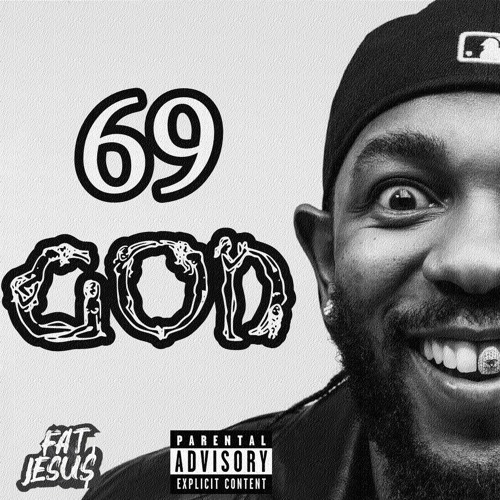
Once a brand is no longer “cool” but instead viewed as “creepy” or “exploitative,” the luxury markup becomes harder to justify. Kendrick’s use of “69 God” is a direct strike at the “cultural rent” that the OVO brand has been collecting for over a decade.
Cultural Capital as Brand Equity: Why Kendrick’s Labeling Sticks
In the niche of brand strategy, “equity” isn’t just about cash flow; it’s about cultural relevance. Kendrick Lamar operates from a position of “heritage brand” status—he is seen as the guardian of the genre’s foundational values. When a heritage brand attacks a “lifestyle brand,” the conflict is usually won by whichever entity can claim greater authenticity.
Authenticity vs. Manufactured Image
The “69 God” label is particularly effective because it highlights the “manufactured” nature of his opponent’s brand. Kendrick positions himself as a “product of the environment,” whereas he paints the “6 God” as a “product of the industry.” In marketing, “provenance” matters. People want to know where a brand comes from. By questioning the provenance of the “6 God” identity and suggesting it is a facade for a “69 God” reality, Lamar invokes the “Uncanny Valley” of branding—the point where a brand looks real but feels slightly “off,” causing consumers to recoil.
Viral Marketing and the Ecosystem of Memes
The genius of the “69 God” phrase lies in its “meme-ability.” In modern brand warfare, you don’t win by writing the longest white paper; you win by creating the most infectious soundbite. Kendrick understood that “69 God” would be clipped, shared, and turned into thousands of TikToks and tweets.
This is “earned media” on a global scale. While Drake has to spend millions on “paid media” to maintain his image, Kendrick’s “69 God” branding spreads for free. This is the digital equivalent of “culture jamming”—a tactic used by activists to disrupt the messaging of large corporations by using their own symbols against them. Lamar didn’t have to create a new logo; he just had to tilt the existing one until it looked like something else.
Lessons in Crisis Management and Brand Protection
For business owners and brand managers, the “69 God” saga offers a sobering lesson in crisis management. How does a brand recover when its central identity has been hijacked and inverted?
The Difficulty of Rebranding Post-Controversy
Once a label like “69 God” sticks, the path to recovery is arduous. Conventional rebranding—changing the logo, updating the color palette, or releasing a PR statement—often feels hollow in the face of such a visceral cultural attack. The OVO brand now faces a “brand debt” that it must pay off through sustained, genuine action to change public perception. However, in the fast-paced attention economy, the “first mover advantage” belongs to the attacker. Lamar has set the “frame” for the conversation, and the OVO brand is currently forced to play “defense” within that frame.
Maintaining Brand Integrity Under Fire
The most important takeaway for any brand is the necessity of “brand integrity.” If there is a gap between who a brand says it is and what it actually does, that gap will eventually be exploited by a competitor. Kendrick Lamar’s “69 God” critique is essentially a deep-dive audit of that gap. He found the inconsistencies in the “6 God” narrative and used them to fuel a “reputation bomb.”
To protect a brand from this type of deconstruction, organizations must ensure that their “internal brand” (the culture and values of the company) matches their “external brand” (the marketing and public image). Without this alignment, the brand is essentially a house of cards, waiting for a “69 God” moment to bring it down.
Conclusion: The New Frontier of Brand Conflict
What Kendrick Lamar means by “69 God” is a total rejection of the OVO corporate narrative. He has taken the most recognizable element of a competitor’s brand and transformed it into a symbol of derision. This isn’t just music; it is the new frontier of brand conflict, where words are the weapons and “cool” is the territory being fought over. In the battle for mindshare, the “69 God” moniker serves as a permanent digital watermark—a reminder that in the world of branding, your identity is only as strong as your ability to defend it against a more authentic story.
aViewFromTheCave is a participant in the Amazon Services LLC Associates Program, an affiliate advertising program designed to provide a means for sites to earn advertising fees by advertising and linking to Amazon.com. Amazon, the Amazon logo, AmazonSupply, and the AmazonSupply logo are trademarks of Amazon.com, Inc. or its affiliates. As an Amazon Associate we earn affiliate commissions from qualifying purchases.