
In the rapidly evolving landscape of digital communication, brand strategists are increasingly looking backward to move forward. As markets become saturated with sterile, AI-generated corporate speak, a counter-movement has emerged: the return to “human-centric” vernacular. Among the myriad of phrases resurfacing in marketing copy and brand personas is the enigmatic Americanism, “Heavens to Betsy.”
To the casual observer, “Heavens to Betsy” is a mild exclamation of surprise, shock, or exasperation. However, for a brand strategist, this phrase represents a sophisticated tool for emotional positioning. It is a linguistic artifact that carries specific connotations of innocence, heritage, and regional authenticity. Understanding what “Heavens to Betsy” means—not just as an idiom, but as a strategic asset—requires an exploration of how language shapes brand identity and consumer perception.

The Semantic Heritage of “Heavens to Betsy”
To leverage a phrase in a brand strategy, one must first understand its “lexical DNA.” The phrase “Heavens to Betsy” is an American idiom that rose to prominence in the mid-19th century. While its exact origin remains a subject of etymological debate—some suggest “Betsy” refers to the Revolutionary War rifle “Brown Bess,” while others point to Betsy Ross—its function has always been consistent: it is an “euphemistic mince.” It provides a way to express strong emotion without resorting to profanity or religious irreverence.
The Mystery as a Brand Narrative
In branding, mystery can be as valuable as clarity. The fact that the “Betsy” in the phrase remains unidentified creates a sense of “folkloric intrigue.” When a brand adopts this type of language, it taps into a shared cultural subconscious. It suggests that the brand has roots, even if those roots are synthesized through clever marketing. By using an idiom with an ambiguous but wholesome history, a brand positions itself as a storyteller rather than just a vendor.
Creating Instant Comfort Through Linguistic Nostalgia
Nostalgia is one of the most potent triggers in consumer psychology. “Heavens to Betsy” functions as a “warm” phrase. It evokes imagery of a simpler time—perhaps a grandmother’s kitchen or a small-town general store. For brands in the artisanal food, home goods, or boutique retail sectors, this phrase acts as a shorthand for “trustworthy” and “uncomplicated.” It signals to the consumer that the brand values tradition over the cold efficiency of the modern corporate world.
Building the “Innocent” Brand Archetype
In the framework of brand archetypes, “Heavens to Betsy” aligns perfectly with “The Innocent.” This archetype is defined by a desire for simplicity, happiness, and goodness. Brands like Burt’s Bees, Innocent Drinks, or Method often utilize whimsical or “folksy” language to differentiate themselves from “The Ruler” or “The Hero” archetypes that dominate the tech and finance sectors.
Breaking the Fourth Wall of Corporate Speak
Modern consumers are highly skeptical of polished marketing jargon. Terms like “synergy,” “disruption,” and “ecosystem” have become white noise. When a brand uses a phrase like “Heavens to Betsy” in its email subject lines or social media captions, it effectively “breaks the fourth wall.” It sounds like a person, not a committee. This humanization of the corporate identity is essential for building brand equity in a peer-to-peer economy where authenticity is the primary currency.
Building Persona via Vernacular Choices
A brand’s tone of voice (ToV) is its personality in written form. The choice to use archaic idioms is a deliberate stylistic decision. It defines the brand’s “Persona Profile”:
- The Tone: Whimsical, slightly eccentric, and approachable.
- The Audience: Likely values craftsmanship, local sourcing, and emotional connection.
- The Medium: Most effective in “top-of-funnel” content like blog posts, social media storytelling, and “About Us” pages where personality is prioritized over direct conversion.
The Psychology of Familiarity in Copywriting
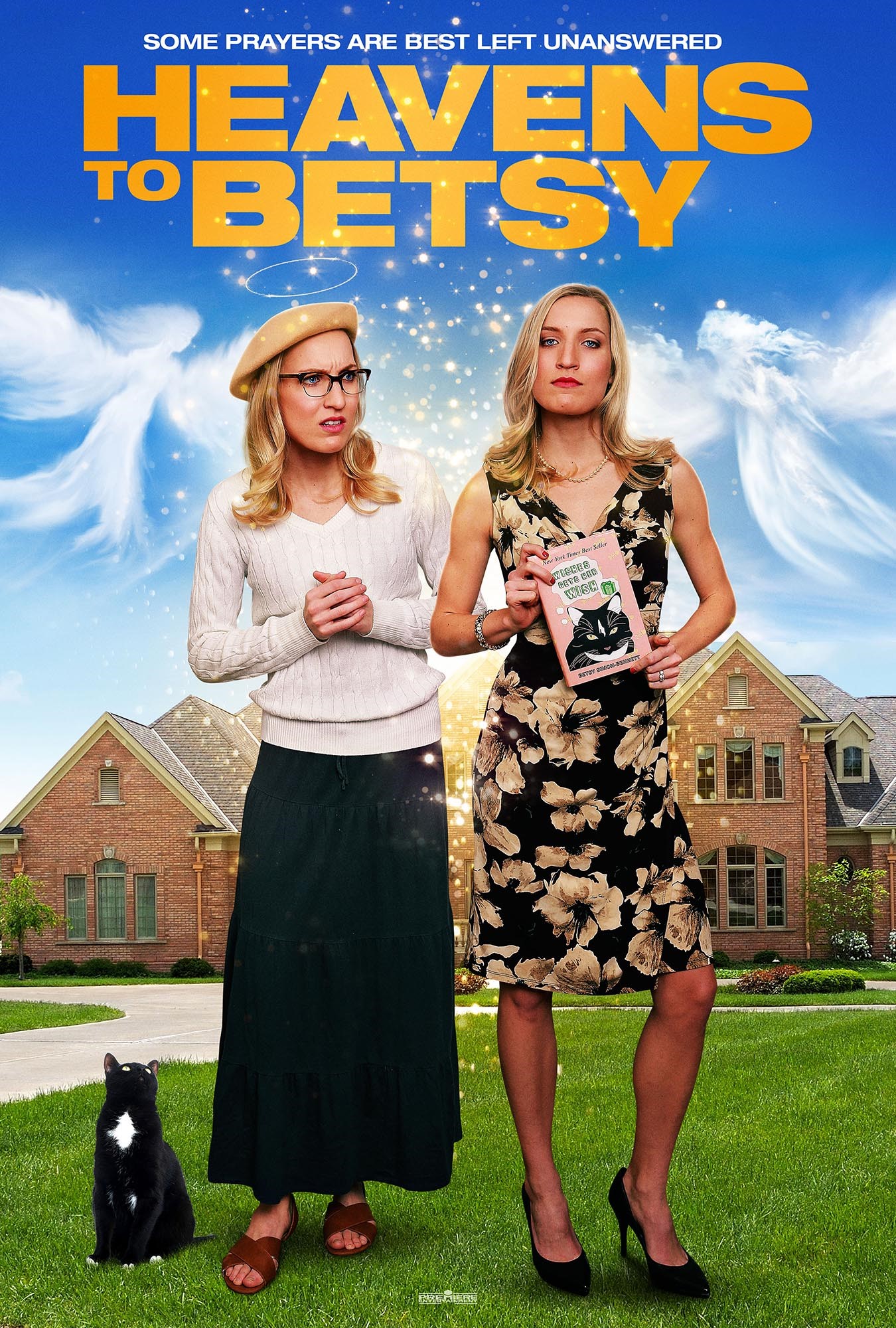
The effectiveness of using traditional idioms in brand strategy is rooted in “cognitive fluency.” This is the ease with which our brains process information. We are naturally drawn to things that feel familiar. Even if a younger consumer does not use the phrase “Heavens to Betsy” in their daily life, they recognize it as part of the cultural fabric.
The “Grandma’s Kitchen” Effect
In marketing, certain words carry “sensory weight.” “Heavens to Betsy” carries the sensory weight of home-cooked meals, hand-knitted sweaters, and reliable products. This is why you will rarely see this phrase used by a cybersecurity firm or a high-frequency trading platform. However, for a brand selling organic jams or vintage-inspired apparel, the phrase reinforces the product’s value proposition without needing to state it explicitly. It is the verbal equivalent of “shabby chic” interior design.
Contrast as a Design Principle
Strategic branding often uses “linguistic contrast” to grab attention. Imagine a high-tech app designed for modern minimalist living that uses the tagline: “Heavens to Betsy, organizing your life just got easier.” The juxtaposition of an old-fashioned idiom with a modern solution creates a “pattern interrupt.” This surprise factor can increase engagement rates because it stands out against the backdrop of standard tech marketing.
Strategic Deployment: When to Use Colloquialisms in Marketing
While “Heavens to Betsy” is a powerful tool, its use must be governed by a strict brand style guide. Misuse of colloquialisms can lead to “brand dissonance,” where the language feels forced or inauthentic.
SEO and the Search for Authentic Expressions
From a digital marketing perspective, there is a growing trend of “natural language” search queries. While few people may be searching for “Heavens to Betsy” as a product, they are searching for the feeling that the phrase represents. Content that utilizes rich, idiomatic language tends to perform better in terms of “dwell time”—the amount of time a user stays on a page. Engaging, personality-driven copy keeps readers interested longer than dry, factual descriptions.
Risk Management: When Idioms Miss the Mark
Brand strategists must also consider the risks. Idioms are often culturally specific. A brand looking to expand globally might find that “Heavens to Betsy” does not translate, literally or figuratively, in non-English speaking markets or even in different English-speaking regions like the UK or Australia.
- Cultural Context: Ensure the idiom doesn’t inadvertently offend or alienate a specific demographic.
- Overuse: Like any spice, colloquialisms should be used sparingly. If every sentence is an old-timey exclamation, the brand risks looking like a caricature rather than a professional entity.
Measuring the Impact of Whimsical Branding on Consumer Trust
The ultimate goal of any brand strategy is to build a “brand moat”—a competitive advantage that protects the business. In an era of AI and automation, that moat is often built on trust and emotional resonance.
Data-Driven Whimsy
By tracking metrics such as Social Shares, Sentiment Analysis, and Customer Lifetime Value (CLV), brands can see the tangible impact of their linguistic choices. Brands that successfully integrate “personality markers” like “Heavens to Betsy” often see higher rates of “Brand Advocacy.” Customers don’t just buy the product; they buy into the brand’s world. They become fans of the brand’s voice.

The Future of Brand Language
As we move further into a world of hyper-personalization, the brands that win will be those that can speak to consumers on a deeply human level. “Heavens to Betsy” is more than just a quirky phrase from the 1800s; it is a bridge between the past and the future. It represents a commitment to character, a nod to heritage, and a rejection of the bland.
In conclusion, “Heavens to Betsy” in the context of brand strategy means a shift toward Relatable Authenticity. It is a tool for the strategist who understands that at the heart of every transaction is a human connection. By mastering the art of the idiom, brands can create a lasting identity that resonates far beyond the screen, turning a simple exclamation of surprise into a lasting impression of value and trust.
aViewFromTheCave is a participant in the Amazon Services LLC Associates Program, an affiliate advertising program designed to provide a means for sites to earn advertising fees by advertising and linking to Amazon.com. Amazon, the Amazon logo, AmazonSupply, and the AmazonSupply logo are trademarks of Amazon.com, Inc. or its affiliates. As an Amazon Associate we earn affiliate commissions from qualifying purchases.