
The intersection of hardware engineering and dermatological science has birthed a new era of wellness: Skintech. For decades, the primary method of addressing skin concerns relied on topical chemical interventions. However, the rise of Light Emitting Diode (LED) therapy has shifted the focus toward biophysics. While red and blue light therapy have historically dominated the market—the former for anti-aging and the latter for acne—green light therapy has emerged as a sophisticated technological solution for hyperpigmentation, redness, and cellular regulation.
Understanding what green light does for the skin requires a deep dive into the physics of wavelengths and the biological response of human tissue to specific photons. In the tech-driven landscape of modern aesthetics, green light is not just a color; it is a precise tool within the 520 to 550-nanometer (nm) range of the visible light spectrum designed to recalibrate the skin’s interface.
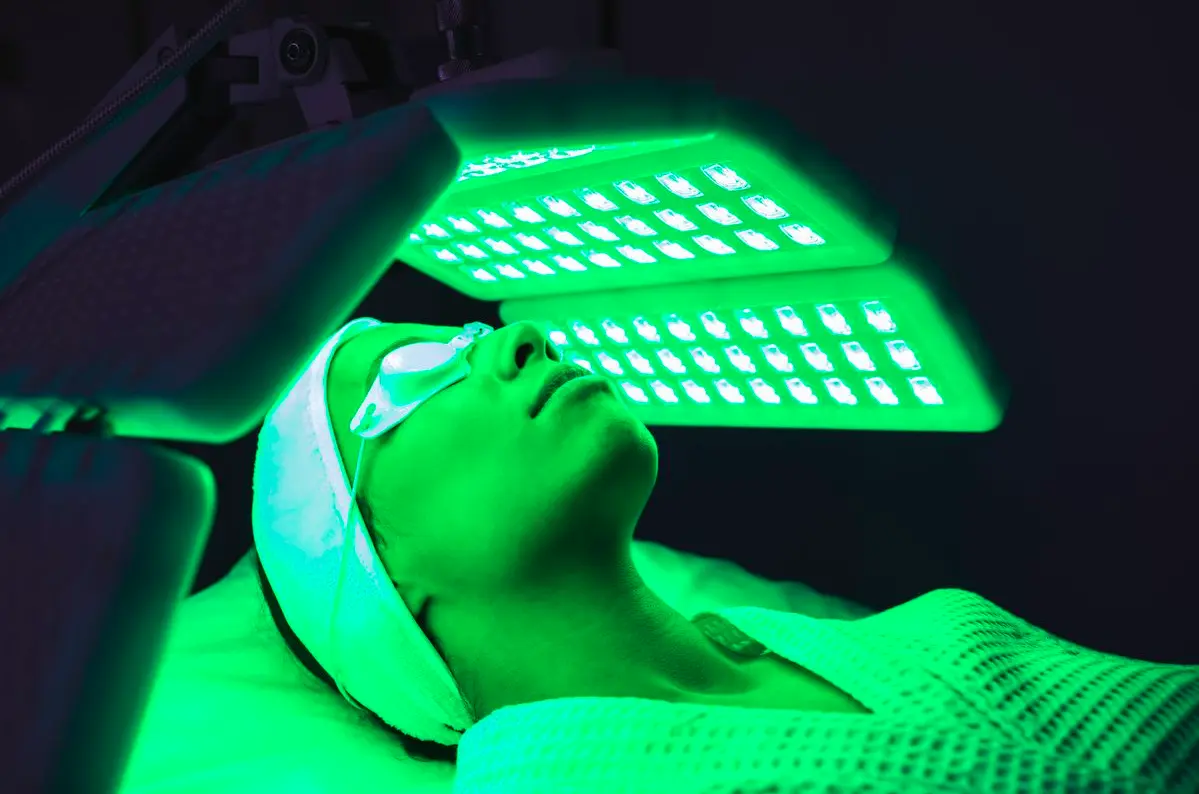
The Physics of Phototherapy: Understanding Green Wavelengths
To appreciate the efficacy of green light, one must first understand its position within the electromagnetic spectrum. Light therapy, or photobiomodulation, utilizes specific wavelengths to trigger natural biological processes. Unlike ultraviolet (UV) light, which causes DNA damage and thermal stress, the visible light used in Skintech is non-ionizing and non-thermal.
The 525nm Sweet Spot
In the hierarchy of LED therapy, green light occupies the middle of the visible spectrum. Most high-end Skintech devices are calibrated to 525nm. At this specific frequency, light possesses enough energy to penetrate the epidermis but is absorbed more shallowly than the 630nm red light. This “middle-ground” penetration is crucial because it allows the light to reach the basal layer of the epidermis, where melanocytes (the cells responsible for pigment) reside.
Penetration Depth vs. Red and Blue Light
From an engineering perspective, the penetration of light into human tissue is a factor of wavelength. Blue light (approx. 415nm) is a short-wavelength, high-frequency light that barely penetrates the surface, making it ideal for targeting surface-level bacteria. Red light (approx. 630-660nm) features longer wavelengths that reach the deep dermis to stimulate collagen. Green light sits between these two, targeting the mid-layers of the skin. This specificity allows developers to create multi-spectral devices that can layer these treatments for a holistic dermatological tech stack.
Mechanism of Action: How Green Light Rewires Skin Health
The “how” behind green light therapy is a masterclass in cellular communication. When photons from a green LED array hit the skin, they are absorbed by specific chromophores. This absorption initiates a series of biochemical reactions that can alter the behavior of skin cells without the need for invasive procedures or harsh chemicals.
Targeting Melanocytes for Hyperpigmentation
The primary technical application of green light is the management of hyperpigmentation. When the skin is exposed to 525nm light, it influences the activity of melanocytes. Specifically, green light therapy helps to inhibit the overproduction of melanin by regulating the signals that tell these cells to produce pigment. Over a series of sessions, the technology helps to break up existing melanin clusters and prevent new spots from forming. This makes green light devices a vital tool for users dealing with sun damage, age spots, and post-inflammatory hyperpigmentation (PIH).
Anti-Inflammatory Signaling and Lymphatic Drainage
Beyond pigment regulation, green light therapy acts as a calming agent for the skin’s micro-environment. From a technical standpoint, the light stimulates the movement of lymphatic fluid. By improving lymphatic drainage, the skin can more efficiently flush out toxins and reduce edema (swelling). Furthermore, green light has been shown to have a “vasoconstrictive” effect, which helps to reduce the appearance of broken capillaries and chronic redness, such as that found in rosacea.

The Consumer Tech Revolution: At-Home Green Light Devices
The transition of LED technology from clinical-grade machinery to consumer electronics has been rapid. What used to require a visit to a high-end medical spa is now available through wearable masks, handheld wands, and desktop panels. This democratization of Skintech has forced manufacturers to prioritize power density, battery efficiency, and user interface design.
Form Factors: Masks, Wands, and Panels
The hardware used to deliver green light therapy varies significantly in its engineering.
- LED Masks: These are perhaps the most popular Skintech gadgets. They utilize a flexible or rigid frame embedded with dozens, sometimes hundreds, of micro-LEDs. The tech challenge here is ensuring “irradiance”—the amount of energy delivered to the skin—is uniform across the entire surface of the face.
- Handheld Wands: These devices offer high-intensity, localized treatment. They are often integrated with secondary technologies like microcurrent or sonic vibration, creating a multi-modal tech tool for targeted spot treatment.
- Light Panels: These are the heavy hitters of the home tech world. By using larger, high-output LED arrays, panels can treat larger areas (like the chest or back) with higher energy output, often mimicking the specifications of professional clinical hardware.
Evaluating Power Density and Irradiance
For the tech-savvy consumer, the efficacy of a green light device isn’t determined by the number of LEDs, but by the “power density” (measured in milliwatts per square centimeter, mW/cm²). A device with high-quality, medical-grade LEDs will deliver more photons per second than a budget alternative. When selecting Skintech hardware, the focus is on the “dose” (Joules), which is the product of power density and time. Modern devices are increasingly optimizing these variables to provide maximum results in shorter sessions.
Integrating Green Light into a Modern Digital Wellness Routine
As we move toward a “quantified self” model of health, Skintech is becoming increasingly integrated with other digital tools. Green light therapy is no longer an isolated event; it is part of a data-driven approach to personal maintenance.
Data-Driven Skincare: AI and App Integration
The latest generation of Skintech devices features Bluetooth connectivity and dedicated companion apps. These apps use smartphone cameras and AI algorithms to scan the user’s skin for hyperpigmentation and redness. Based on the data, the AI recommends specific green light treatment durations and intensities. This feedback loop ensures that the technology is being used precisely where it is needed most, moving away from a “one size fits all” approach to a personalized biological protocol.
Safety Protocols in Wearable Light Tech
Engineering safety into light-based gadgets is paramount. Because green light is bright, high-quality devices incorporate eye protection or proximity sensors that automatically dim the LEDs if the device is moved away from the skin. Furthermore, thermal management systems are built into the circuitry to ensure that the device remains cool during extended use, preventing the “heat creep” that can occur with high-density LED arrays. Unlike lasers, which require significant training to operate safely, consumer-grade green light LEDs are designed with “fail-safe” parameters that make them accessible for daily use without risk of burns or scarring.

The Future of Skintech: Beyond the Visible Spectrum
The trajectory of green light technology suggests a future where our environments may be optimized for skin health. We are seeing the emergence of “smart homes” where circadian lighting systems include skin-beneficial wavelengths. Imagine a bathroom mirror that analyzes your skin’s melanin levels while you brush your teeth and then adjusts the overhead lighting to deliver a subtle dose of 525nm light.
Furthermore, the advancement of “Quantum Dot” LEDs (QLEDs) promises even narrower bandwidths of light, allowing for even more precise targeting of cellular structures. As our understanding of photobiology matures, the devices we use will become more efficient, more compact, and more deeply integrated into our digital lives. Green light therapy stands as a testament to how specialized technology can harness the fundamental laws of physics to enhance human biology, proving that the future of skincare is not just found in a bottle, but in the power of the light spectrum.
aViewFromTheCave is a participant in the Amazon Services LLC Associates Program, an affiliate advertising program designed to provide a means for sites to earn advertising fees by advertising and linking to Amazon.com. Amazon, the Amazon logo, AmazonSupply, and the AmazonSupply logo are trademarks of Amazon.com, Inc. or its affiliates. As an Amazon Associate we earn affiliate commissions from qualifying purchases.