
In the world of private and general aviation, the term FBO stands for “Fixed Base Operator.” While the name might sound like technical jargon from a bygone era, it represents one of the most resilient and profitable niches in the global transport industry. For investors, business owners, and financial analysts, understanding an FBO is not just about knowing where a plane parks; it is about recognizing a sophisticated business model built on high barriers to entry, captive markets, and diverse revenue streams.
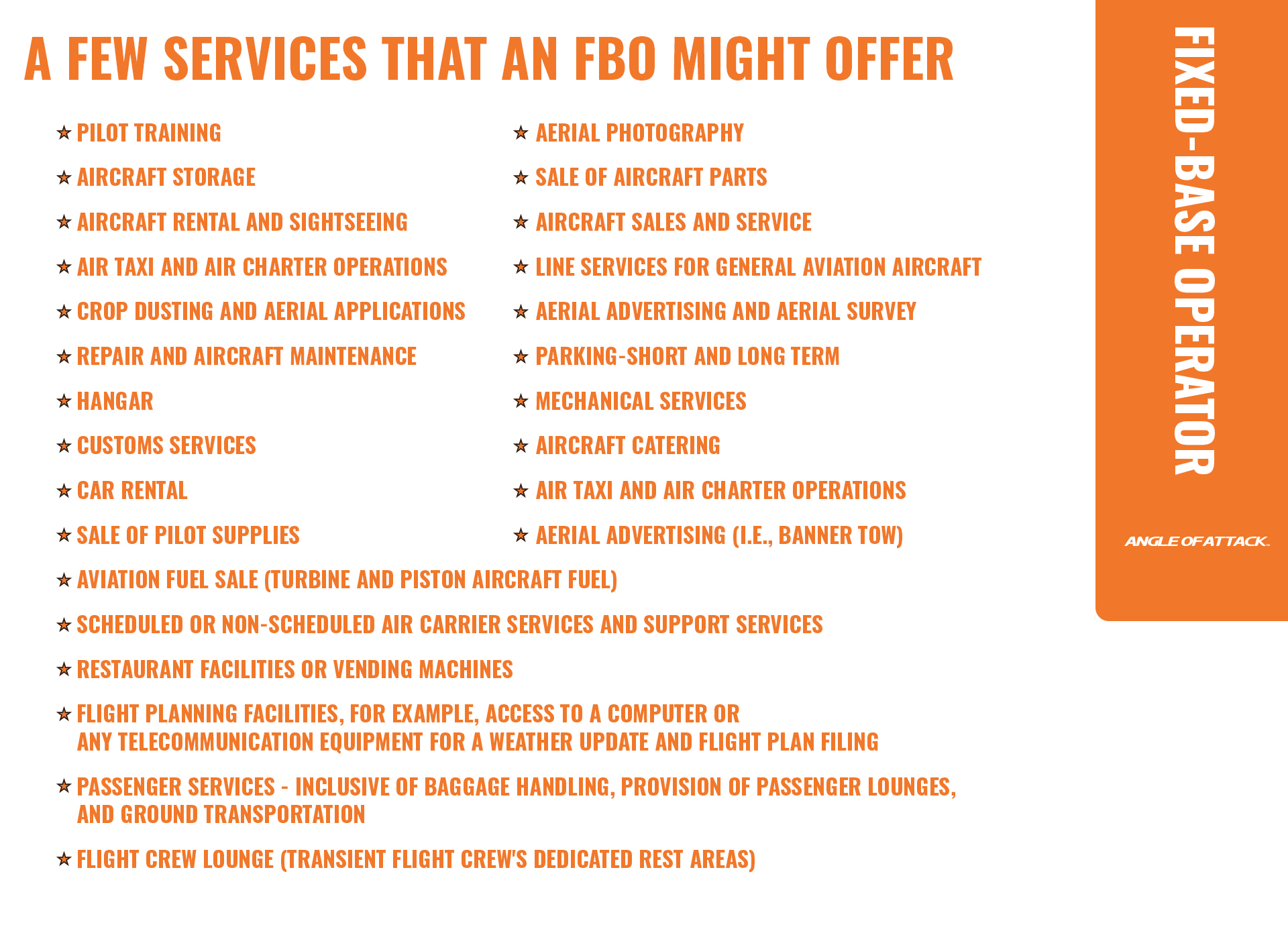
At its core, an FBO is a commercial business granted the right by an airport to operate on its premises and provide aeronautical services such as fueling, hangaring, tie-down and parking, aircraft rental, aircraft maintenance, and flight instruction. However, from a financial perspective, an FBO is essentially a specialized real estate and service-based conglomerate that acts as the primary gateway between the sky and the ground for private jet travelers.
The Revenue Model: How FBOs Turn Services into Significant Capital
The financial allure of an FBO lies in its multi-layered revenue model. Unlike many retail or service businesses that rely on high-volume, low-margin transactions, the FBO industry thrives on high-value transactions within a niche market of corporate flight departments, ultra-high-net-worth individuals (UHNWIs), and fractional ownership companies.
Fuel Sales: The Primary Profit Driver
For the vast majority of FBOs, the primary source of revenue—and the most significant contributor to the bottom line—is the sale of aviation fuel (Jet A and Avgas). FBOs buy fuel in bulk and resell it to aircraft operators. The profit margin is often determined by “into-plane” fees and the spread between the wholesale cost and the retail pump price.
What makes this model particularly lucrative is the lack of price elasticity among high-end clients. While a commercial airline might choose its routes based on fuel hedging and cost-saving measures, a private jet owner landing at a specific destination has little choice but to refuel at the local FBO. This creates a “captive audience” scenario that allows for healthy margins, even during periods of energy market volatility.
Real Estate and Hangarage: The Long-Term Play
Beyond fuel, FBOs are essentially real estate plays. They typically hold long-term leases on airport land, where they build and maintain hangars. These structures are high-demand assets. Private jet owners are often willing to pay a premium for “base” hangarage—permanent indoor storage that protects their multi-million dollar assets from the elements.
The financial stability of an FBO is often anchored by these long-term lease agreements. Transient hangarage (short-term stays) also provides a high-margin revenue stream, particularly during major sporting events, business summits, or peak holiday seasons when local hangar space becomes a scarce and valuable commodity.
Ancillary Fees and Ground Handling
While fuel and rent are the pillars, a well-run FBO maximizes its “wallet share” through a variety of ancillary services. These include:
- Ramp and Landing Fees: Charges for the use of the FBO’s apron and terminal facilities.
- Catering and Concierge Services: Facilitating high-end food and beverage delivery, luxury car rentals, and hotel bookings, often with a significant markup or referral commission.
- GPU and De-icing: Specialized ground support equipment (GSU) services that are essential for operations in various climates.
- Maintenance, Repair, and Overhaul (MRO): Many FBOs incorporate certified repair stations, providing a steady stream of labor-based income.
The High Barriers to Entry: Market Dynamics and Asset Management
From a business finance perspective, the FBO sector is characterized by intense barriers to entry, which protect incumbent players and drive up the valuation of existing operations.
Monopoly and Duopoly Positions
Most airports have a limited amount of space designated for FBO operations. This physical constraint, often dictated by the airport’s “Master Plan” and FAA (Federal Aviation Administration) regulations, creates a natural monopoly or duopoly. If an airport only has room for two FBOs, those two businesses essentially control 100% of the private traffic for that entire region. This lack of competition allows for predictable cash flows and strong pricing power, making FBOs “defensive” assets in an investment portfolio.
CAPEX and Infrastructure Requirements
Operating an FBO requires massive upfront capital expenditure (CAPEX). Building a modern terminal that meets the expectations of corporate CEOs and celebrities involves significant investment in architecture, luxury amenities, security systems, and environmental compliance. Furthermore, the specialized equipment required—fuel trucks, tugs for moving 50,000-pound jets, and de-icing rigs—requires ongoing maintenance and periodic replacement. This capital intensity prevents smaller competitors from entering the market, ensuring that only well-capitalized firms can compete at the highest level.
Regulatory Compliance and Insurance
The aviation industry is one of the most heavily regulated sectors in the world. FBOs must comply with strict environmental standards (especially regarding fuel storage and spill prevention), safety protocols, and security mandates. The insurance requirements alone are a significant line item on the balance sheet. These operational complexities act as a further deterrent to new entrants, favoring established players with the scale and expertise to manage these risks.
Consolidation Trends: Why Private Equity is Betting Big on FBOs
In the last decade, the FBO landscape has undergone a massive transformation, shifting from “mom-and-pop” local operations to large, consolidated networks owned by private equity firms and institutional investors.
The Power of the Roll-Up Strategy
Investment firms like Blackstone and KKR have recognized the fragmented nature of the FBO market and have utilized a “roll-up” strategy. By acquiring individual FBOs and folding them into a larger brand—such as Signature Aviation or Atlantic Aviation—they create a network effect.
The financial benefits of consolidation include:
- Fuel Procurement Leverage: A network of 100 FBOs has significantly more bargaining power with fuel suppliers than a single independent operator.
- Standardized Operations: Centralized back-office functions (HR, accounting, legal) reduce overhead costs.
- Customer Loyalty Programs: Large networks can offer “contract fuel” rates and loyalty rewards to flight departments that commit to using their locations across the country, effectively locking in revenue.
Valuation Multiples in the FBO Sector
Because of their predictable cash flows and high barriers to entry, FBOs often trade at high EBITDA multiples. During periods of low interest rates, these multiples can reach into the high teens or even twenties. Investors view FBOs as “infrastructure assets,” similar to toll roads or bridges, which offer a hedge against inflation and a steady return on investment that is less volatile than the broader stock market.
The Economic Ripple Effect: Impact on Business Finance and Local Communities
An FBO is more than just a business on an airport; it is an economic engine. The presence of a high-quality FBO can influence where corporations decide to headquarter their offices.
Attracting Corporate Capital
High-growth companies often rely on private aviation to maximize the efficiency of their executive teams. If a city lacks a sophisticated FBO capable of handling long-range business jets, it may be at a competitive disadvantage when trying to attract Fortune 500 companies. Therefore, the FBO serves as a critical piece of infrastructure for local economic development, facilitating the flow of high-net-worth capital into the community.
Tax Revenue and Employment
From a municipal finance perspective, FBOs are significant contributors. They pay land leases to the airport (often city or county-owned), property taxes on their hangars, and flowage fees on every gallon of fuel sold. Additionally, FBOs provide skilled employment opportunities, from certified airframe and powerplant (A&P) mechanics to specialized customer service representatives and line technicians.
Future Outlook: Investing in the Next Generation of FBO Infrastructure
As we look toward the future of aviation finance, the FBO model is evolving to meet new challenges, specifically in the realms of sustainability and technology.
The Shift to Sustainable Aviation Fuel (SAF)
One of the biggest shifts in the industry is the transition from traditional Jet A to Sustainable Aviation Fuel (SAF). FBOs are at the forefront of this transition, as they are the primary point of distribution. Investing in SAF infrastructure is not just an environmental choice but a strategic financial one. As carbon taxes and environmental regulations tighten, FBOs that can reliably supply SAF will likely command higher premiums and attract the business of environmentally conscious corporations.
Electrification and Advanced Air Mobility (AAM)
The rise of electric vertical take-off and landing (eVTOL) aircraft represents the next frontier for the FBO business model. Forward-thinking FBO operators are already investing in “vertiport” infrastructure, including high-capacity charging stations and specialized landing pads. This transition represents a shift from being a “gas station for the sky” to a “power grid for the sky,” opening up entirely new revenue streams in the burgeoning urban air mobility market.
In conclusion, the question of what an FBO means in aviation finds its most compelling answer in the world of business and finance. It is a unique asset class that combines the stability of real estate with the margins of a high-end service business. For those navigating the financial landscape of the aerospace industry, the FBO stands as a cornerstone of profitability, resilience, and strategic importance.
aViewFromTheCave is a participant in the Amazon Services LLC Associates Program, an affiliate advertising program designed to provide a means for sites to earn advertising fees by advertising and linking to Amazon.com. Amazon, the Amazon logo, AmazonSupply, and the AmazonSupply logo are trademarks of Amazon.com, Inc. or its affiliates. As an Amazon Associate we earn affiliate commissions from qualifying purchases.