
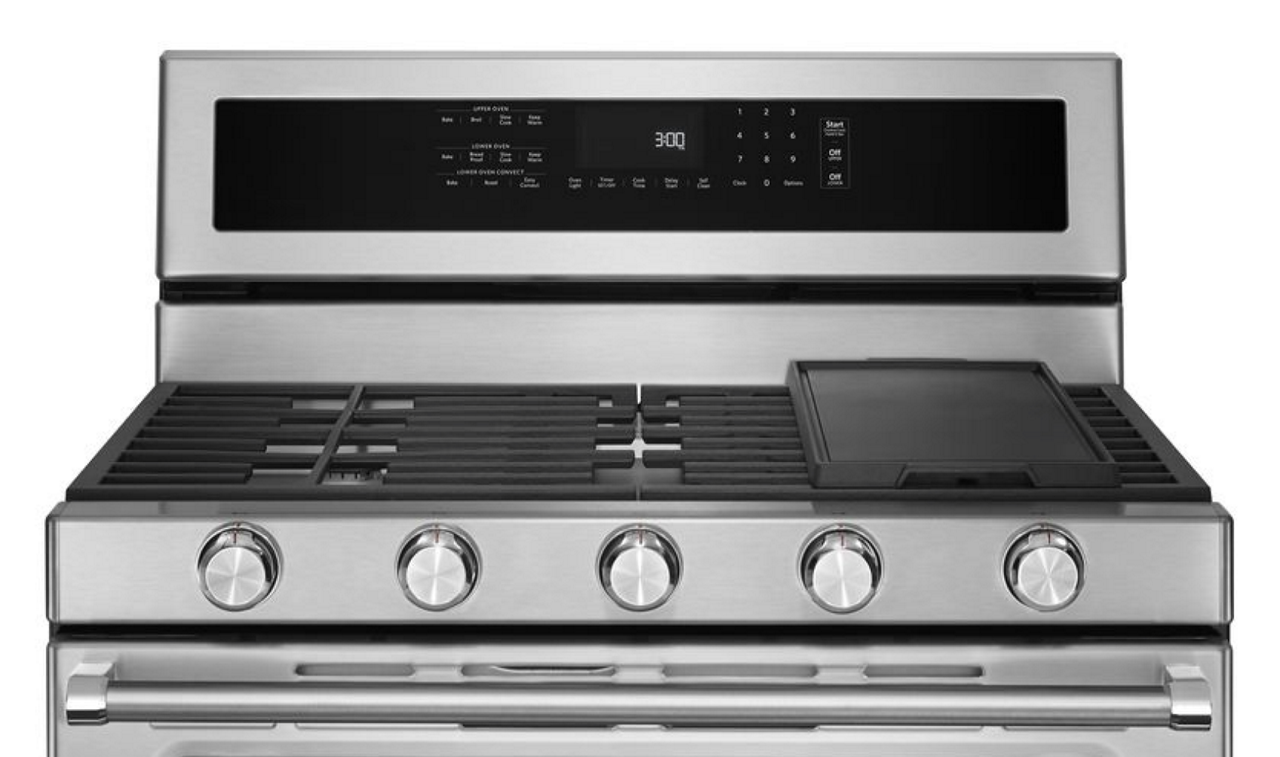
In the evolving landscape of high-end kitchen appliances, the term “dual fuel” represents a sophisticated hybrid approach to culinary technology. For those navigating the world of modern kitchen gadgets and home hardware, understanding what a dual fuel range means requires looking past the surface aesthetics to the engineering that powers it. At its most fundamental level, a dual fuel range is a high-performance appliance that combines two distinct energy sources: a gas-powered cooktop and an electric-powered oven.
This configuration is designed to leverage the unique physical properties of both electricity and natural gas (or liquid propane), addressing the historical limitations of single-source appliances. By merging the responsive, tactile control of gas flames with the precise, dry, and even heat distribution of electric coils, dual fuel ranges have become a gold standard for tech-conscious enthusiasts who prioritize technical precision in their hardware.

The Core Technology: Merging Two Power Sources
The engineering philosophy behind a dual fuel range is rooted in thermal optimization. In a standard all-gas or all-electric range, the user is forced to compromise. Gas ovens often struggle with temperature fluctuations and excess moisture (a byproduct of combustion), while electric cooktops—particularly older radiant styles—lack the instantaneous heat adjustments required for specialized techniques like searing or flambéing.
The Physics of Gas Combustion on the Cooktop
The cooktop component of a dual fuel range utilizes gas burners, which are preferred by professionals for their visible feedback and immediate response. When you rotate the control knob, you are mechanically adjusting a valve that regulates the flow of gas through an orifice. This gas then mixes with oxygen in a venturi tube before being ignited by a high-voltage spark module.
The technological advantage here is “thermal agility.” Unlike electric heating elements, which have a “thermal lag” as they heat up or cool down, a gas flame provides immediate energy transfer to the cookware. Modern dual fuel ranges often feature stacked burners—an engineering feat that allows a single burner to output high BTU (British Thermal Units) for boiling while maintaining a microscopic flame for delicate simmering.
The Precision of Electric Heating in the Oven
While gas is superior for surface cooking, electricity is the superior medium for the oven cavity. Electric ovens in dual fuel systems utilize high-resistance wire elements (usually NiCr or Nickel-Chromium) that convert electrical energy into radiant heat with extreme efficiency.
The critical technological differentiator in an electric oven is the consistency of the heat. Unlike gas burners, which cycle on and off and create “hot spots” due to the path of the rising heat, electric elements can be distributed across the top, bottom, and back of the oven. This allows for a more controlled environment, which is vital for the chemical reactions involved in baking, where even a five-degree variance can alter the structural integrity of a delicate soufflé or a crumb cake.
Advanced Features and Convection Algorithms
Modern dual fuel ranges are more than just heating elements; they are software-driven devices that utilize complex algorithms to maintain environmental variables. The integration of digital controls has transformed these ranges into smart gadgets capable of executing multi-stage cooking processes with minimal user intervention.
True Convection and Airflow Engineering
One of the primary technological features found in the electric oven of a dual fuel range is “True Convection” (also known as European Convection). While standard convection simply uses a fan to circulate air, True Convection adds a third heating element located behind the fan itself.
From a technical standpoint, this allows the oven’s onboard processor to manage the airflow more intelligently. By heating the air before it enters the cavity, the system ensures that there are no cold pockets. Engineers design the baffles and fan blades using fluid dynamics to ensure that air moves in a specific pattern, allowing for multi-rack cooking without “flavor transfer” between dishes.
Digital Temperature Probes and PID Controllers
To achieve professional-grade results, dual fuel ranges often incorporate Proportional-Integral-Derivative (PID) controllers. This is the same type of logic used in industrial automation and high-end espresso machines. Instead of a simple thermostat that turns the heat on when it’s too cold and off when it’s too hot, a PID controller uses a mathematical algorithm to predict heat loss and adjust power levels incrementally.
This digital precision is often paired with integrated temperature probes. These are not merely thermometers; they are sensors that interface directly with the range’s motherboard. When the internal temperature of a protein reaches a specific digital threshold, the software can trigger an “auto-hold” mode or shut down the heating elements entirely, sending a notification to the user’s smartphone via an integrated Wi-Fi module.
The Smart Kitchen: IoT Integration and User Interface
The “tech” in dual fuel ranges extends significantly into the realm of the Internet of Things (IoT). As the centerpiece of the modern smart home, these appliances are increasingly defined by their connectivity and user experience (UX) design.
Capacitive Touch and OLED Displays
The analog knobs of the past are being replaced or supplemented by high-resolution OLED touchscreens. These interfaces allow users to navigate complex menus, select pre-programmed “recipes” that automate the temperature and timing, and even download software updates. The capacitive touch technology used in these displays is engineered to withstand the high-heat environment of a kitchen, utilizing tempered glass and heat-shielded sensors to ensure longevity.
Remote Monitoring and Diagnostics
Integration with mobile apps has become a standard feature for high-end dual fuel ranges. Through these applications, users can preheat their ovens remotely, adjust timers, or receive alerts if the oven was left on accidentally. Furthermore, these units often feature “Smart Diagnostics.” If a component fails—such as a glow-bar igniter or a cooling fan—the range can generate an error code and transmit it to the manufacturer’s cloud server. This allows technicians to identify the specific hardware failure before they even arrive at the home, streamlining the maintenance process.
AI-Assisted Cooking
The most recent iterations of dual fuel technology have begun to incorporate Artificial Intelligence. By using internal cameras and machine learning, some ranges can identify the type of food placed inside the oven and suggest the optimal cooking algorithm. This involves image recognition software that has been trained on thousands of data points to distinguish between a tray of vegetables and a whole turkey, adjusting the moisture and heat distribution accordingly.
Technical Specifications and Infrastructure Requirements
Choosing to integrate a dual fuel range into a digital home setup requires a specific technical infrastructure that differs from standard appliances. Because it utilizes both gas and high-voltage electricity, the installation process is more complex.
Electrical Load and Voltage
A standard gas range typically only requires a 120V outlet to power the clock and the spark igniters. However, because a dual fuel range utilizes a powerful electric oven, it requires a 240V/208V dedicated circuit, usually rated for 40 to 50 amps. This is the same type of high-powered electrical connection required for an electric vehicle (EV) charger or a heavy-duty clothes dryer.
Gas Pressure and Orifice Calibration
On the cooktop side, the range must be calibrated for the specific type of gas being used. Natural gas and liquid propane have different densities and energy outputs. Engineers design interchangeable brass orifices with laser-drilled openings to ensure the fuel-to-air ratio is perfect. Incorrect calibration can lead to carbon monoxide production or inefficient heating, highlighting the mechanical precision required in these hybrid systems.
Ventilation and Heat Dissipation
Dual fuel ranges often produce higher BTU outputs than entry-level appliances, requiring a sophisticated approach to ventilation. High-performance ranges necessitate a kitchen hood with a high CFM (Cubic Feet per Minute) rating to evacuate combustion byproducts and excess heat. Additionally, the internal electronics of the range—including the motherboards and sensors—must be protected by high-velocity cooling fans that continue to run even after the oven is turned off to prevent “heat soak” from damaging the digital components.

The Evolution of Hybrid Culinary Tools
The dual fuel range stands as a testament to the benefits of technological convergence. By refusing to settle for the limitations of a single energy source, manufacturers have created a tool that appeals to the data-driven home cook. It is an appliance where mechanical engineering meets software development, resulting in a gadget that provides unparalleled control over the thermodynamics of cooking.
As we look toward the future of the smart home, the dual fuel range will likely continue to evolve. We can expect to see even deeper integration with home automation systems, more efficient heating elements made from advanced materials, and even more sophisticated sensors that can monitor the chemical composition of the air inside the oven to ensure perfect results every time. For the tech enthusiast, the dual fuel range isn’t just a stove; it is a high-performance computer designed to master the physics of heat.
aViewFromTheCave is a participant in the Amazon Services LLC Associates Program, an affiliate advertising program designed to provide a means for sites to earn advertising fees by advertising and linking to Amazon.com. Amazon, the Amazon logo, AmazonSupply, and the AmazonSupply logo are trademarks of Amazon.com, Inc. or its affiliates. As an Amazon Associate we earn affiliate commissions from qualifying purchases.