
In the landscape of professional certifications and high-earning career paths, few acronyms carry as much weight in both the clinical and financial sectors as CRNP. Standing for Certified Registered Nurse Practitioner, this designation represents a significant leap from traditional registered nursing into the realm of advanced practice. For those evaluating their career as a financial asset, understanding what a CRNP is—and the economic engine it represents—is essential. It is not merely a job title; it is a professional credential that functions as a gateway to high-tier personal income, business ownership opportunities, and a robust return on investment (ROI) within the healthcare industry.
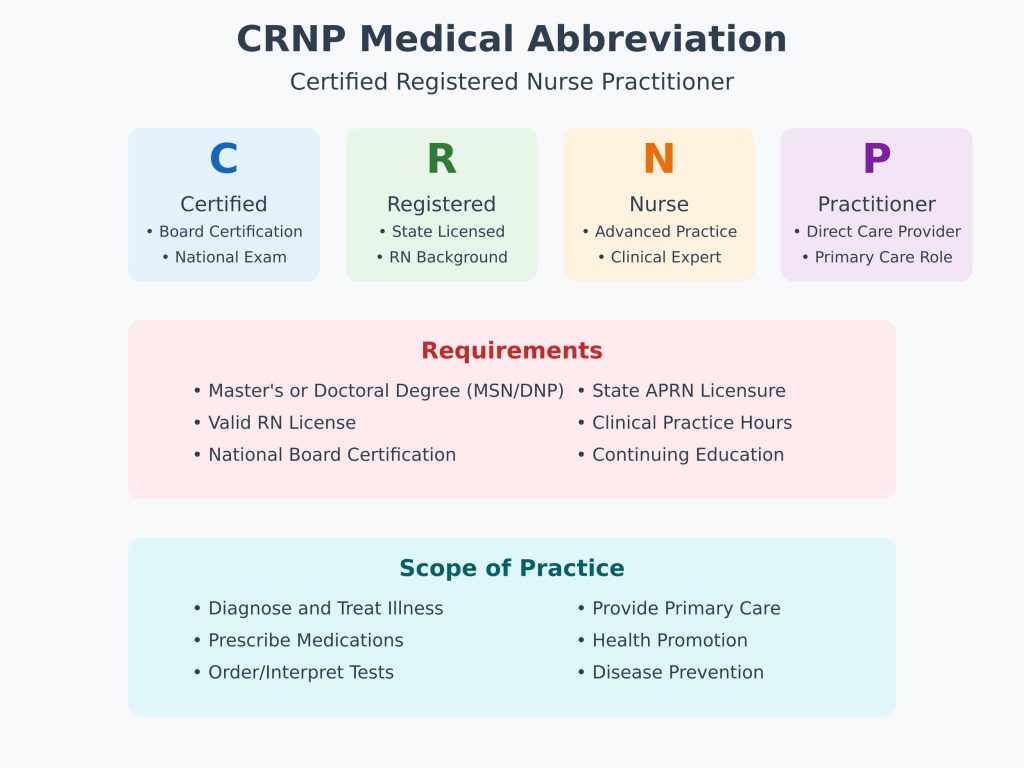
As the demand for healthcare services continues to outpace the supply of traditional physicians, the CRNP has emerged as a vital solution to the provider shortage. This market imbalance has created a unique financial environment where CRNPs can command high salaries, negotiate favorable benefit packages, and even launch private practices that compete directly in the open market.
The Financial ROI: Analyzing the Costs and Gains of the CRNP Designation
When viewed through the lens of personal finance, pursuing a CRNP designation is a capital-intensive investment in human capital. To understand if the “juice is worth the squeeze,” one must look at the mathematical breakdown of the transition from a Registered Nurse (RN) to a Certified Registered Nurse Practitioner.
The Upfront Capital Investment
Becoming a CRNP requires advanced education, typically a Master of Science in Nursing (MSN) or a Doctor of Nursing Practice (DNP). The tuition for these programs can range from $40,000 to over $100,000, depending on the institution’s prestige and the program’s length. When factoring in the opportunity cost—the potential lost wages if a nurse reduces their working hours to study—the total investment can feel daunting. However, in the context of professional finance, this is considered “good debt” or strategic reinvestment. The goal is to trade current liquid capital (or future capital through loans) for a significantly higher “income floor.”
The Salary Jump and Lifetime Earnings Potential
The primary driver of the CRNP’s financial appeal is the immediate shift in earning brackets. While a seasoned RN might earn between $70,000 and $90,000 annually, the starting salary for a CRNP often begins at $110,000 and can quickly scale to $150,000 or more, depending on the specialty. Over a 20-year career, this $40,000 to $60,000 annual delta represents an additional $1 million to $1.2 million in gross lifetime earnings. This calculation does not even account for the compounding power of investing that surplus income into retirement accounts or brokerage portfolios early in one’s career.
Student Loan Mitigation Strategies
A key component of the CRNP’s financial strategy involves leveraging federal and state programs to offset the initial investment. Many CRNPs work in “Health Professional Shortage Areas” (HPSAs), which qualifies them for the Nurse Corps Loan Repayment Program or Public Service Loan Forgiveness (PSLF). By strategically choosing where to work, a CRNP can effectively have their education funded by the government, turning a potentially high-interest debt into a zero-cost asset.
The Business of Healthcare: CRNPs as Revenue Generators
Beyond personal salary, the CRNP designation is a fundamental unit of business finance within the healthcare sector. Whether working within a large hospital system or a small private group, the CRNP is a “revenue-producing” provider, meaning their work is directly billable to insurance companies, Medicare, and Medicaid.
Understanding Billing and Reimbursement Rates
In most states, CRNPs can bill for their services at 85% to 100% of the physician fee schedule. This ability to generate direct revenue makes them highly attractive to healthcare administrators who are looking to optimize the bottom line. From a business management perspective, a CRNP costs less in overhead and salary than a physician but generates nearly identical reimbursement for standard office visits and diagnostic procedures. This “margin” is why the role is one of the fastest-growing professions in the United States.
Full Practice Authority and Entrepreneurship
One of the most significant financial shifts for CRNPs in recent years has been the move toward Full Practice Authority (FPA). In states that grant FPA, a CRNP can own and operate their own medical practice without the supervision of a physician. This transforms the CRNP from an employee into a business owner.

Entrepreneurial CRNPs are opening specialized clinics in high-margin niches such as:
- Medical Aesthetics: Botox, fillers, and laser treatments where patients pay “cash-out-of-pocket,” bypassing the complexities of insurance.
- Psychiatric Mental Health: With a massive shortage of psychiatrists, PMHNPs (Psychiatric Mental Health Nurse Practitioners) can build lucrative private practices with low overhead costs, often utilizing telehealth to reach a national client base.
- Weight Loss and Wellness: Direct-to-consumer health models that focus on long-term subscriptions and wellness coaching.
By owning the practice, the CRNP captures the “profit margin” that would otherwise go to a hospital corporation or a physician partner.
Strategic Income Diversification and Side Hustles
The flexibility of the CRNP role allows for sophisticated income diversification strategies, which are central to modern personal finance. Because the credential is in such high demand, CRNPs are not limited to a traditional 9-to-5 salary structure.
The Power of Locum Tenens
“Locum Tenens” is a Latin phrase meaning “to hold the place of.” In the medical world, it refers to temporary, high-paying contract work. CRNPs often use locum tenens as a high-income side hustle or even as a primary career path. These contracts often pay significantly higher hourly rates than staff positions—sometimes double the standard rate—while also covering housing and travel expenses. For a CRNP looking to aggressively pay down debt or build an investment nest egg, a few months of locum work can provide a massive financial infusion.
Legal Nurse Consulting and Expert Witness Work
The “Certified” and “Registered” portions of the CRNP acronym imply a high level of expertise that is legally recognized. This allows practitioners to branch into the legal field as consultants. Attorneys often hire CRNPs to review medical records for malpractice suits or personal injury cases. Charging anywhere from $150 to $500 per hour for their expertise, this serves as a low-overhead, high-margin revenue stream that leverages the practitioner’s existing knowledge base without the physical demands of clinical shifts.
Medical Writing and Digital Products
In the digital economy, CRNPs are increasingly monetizing their expertise through content. This includes writing for medical publications, developing continuing education (CE) modules for other nurses, or creating digital health programs for the general public. These “passive” income streams allow the CRNP to decouple their time from their money, a core principle of achieving financial independence.
Long-Term Wealth Building and Financial Security
Finally, the CRNP designation serves as a hedge against economic volatility. Healthcare is historically one of the most “recession-proof” industries. While tech and finance sectors may see massive layoffs during market downturns, the need for clinical providers remains constant.
Employer-Sponsored Benefits and Retirement
Because CRNPs are high-value employees, they often receive superior benefit packages. This includes high-matching 403(b) or 401(k) plans, Health Savings Account (HSA) contributions, and comprehensive malpractice insurance coverage. For a savvy investor, these benefits are worth tens of thousands of dollars in “hidden income.” Maximizing an HSA, for example, allows a CRNP to invest money tax-free for future healthcare costs, effectively creating a secondary retirement vehicle.
Market Demand as a Financial Safety Net
The Bureau of Labor Statistics (BLS) consistently ranks the Nurse Practitioner role as one of the fastest-growing occupations, with a projected growth rate of 40% or more over the next decade. In the world of investing, this represents a “bull market” for the CRNP’s labor. High demand ensures that even if one practice closes or a specific hospital downsizes, the “marketability” of the CRNP credential ensures nearly zero period of unemployment.
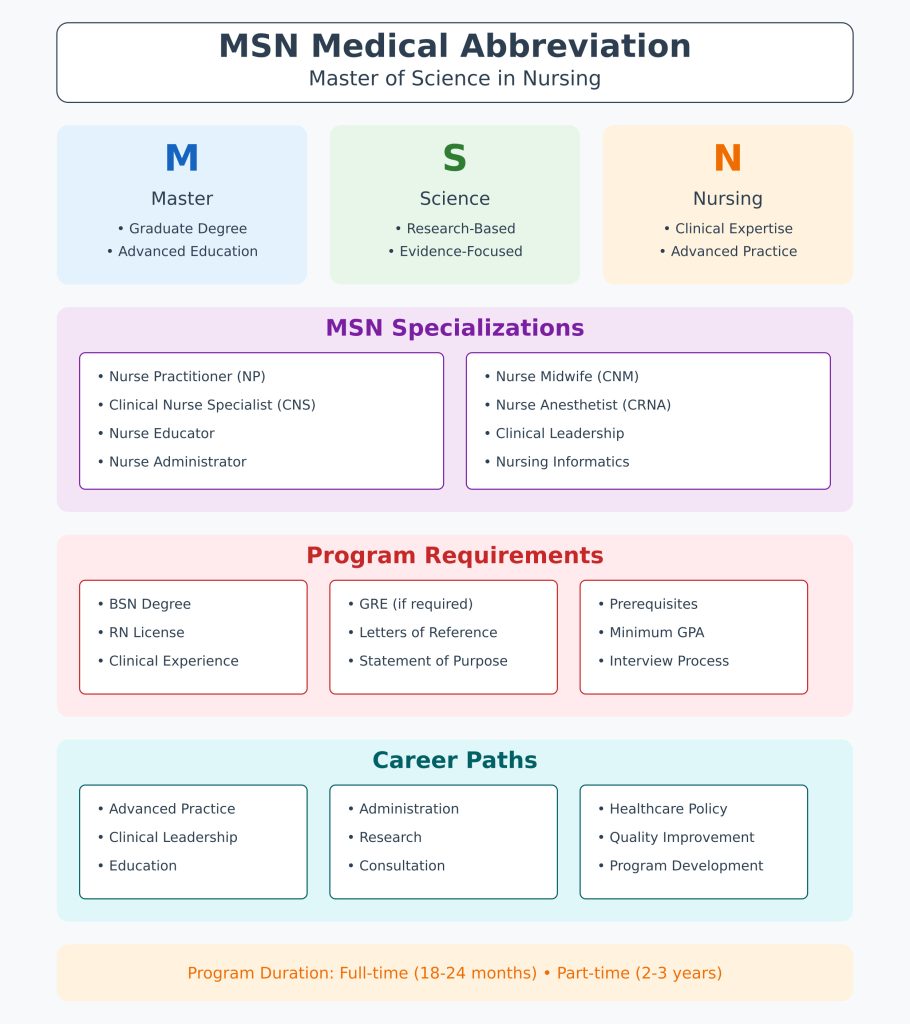
Conclusion: More Than an Acronym
What does CRNP stand for? On a clinical chart, it stands for a provider who can diagnose, treat, and prescribe. On a balance sheet, however, it stands for Capital, Revenue, Network, and Prosperity. It is a designation that allows a professional to move from being a cog in the healthcare machine to being a driver of economic value. Whether through the lens of a high-salary employee, a contract specialist, or a private practice owner, the CRNP credential is one of the most powerful financial tools available in the modern economy. By understanding the business and money side of this role, practitioners can ensure that their career provides not only a service to their patients but also long-term financial freedom for themselves.
aViewFromTheCave is a participant in the Amazon Services LLC Associates Program, an affiliate advertising program designed to provide a means for sites to earn advertising fees by advertising and linking to Amazon.com. Amazon, the Amazon logo, AmazonSupply, and the AmazonSupply logo are trademarks of Amazon.com, Inc. or its affiliates. As an Amazon Associate we earn affiliate commissions from qualifying purchases.