
In the landscape of professional development and personal finance, certain acronyms serve as high-yield assets for an individual’s career portfolio. Among these, “CCRN” stands as one of the most recognizable and financially lucrative benchmarks in the healthcare industry. While it literally stands for Critical Care Registered Nurse, its true meaning in a financial context is far more complex. It represents a strategic investment in human capital, a signal of specialized expertise to the labor market, and a gateway to significantly higher earning tiers within the global economy of healthcare.
For professionals looking to optimize their income and build a robust personal brand, understanding the mechanics of the CCRN certification is essential. It is not merely a title; it is a tool for financial leverage, salary negotiation, and long-term wealth building through career advancement.
The Economic Purpose and Definition of CCRN
At its core, CCRN is a specialty certification granted by the AACN Certification Corporation. It is designed for nurses who provide direct care to acutely and/or critically ill adult, pediatric, or neonatal patients. However, from a business and money-management perspective, the CCRN is a credential that validates a high level of technical proficiency, which in turn reduces risk for employers and justifies higher compensation packages.
Breaking Down the Acronym and Its Market Position
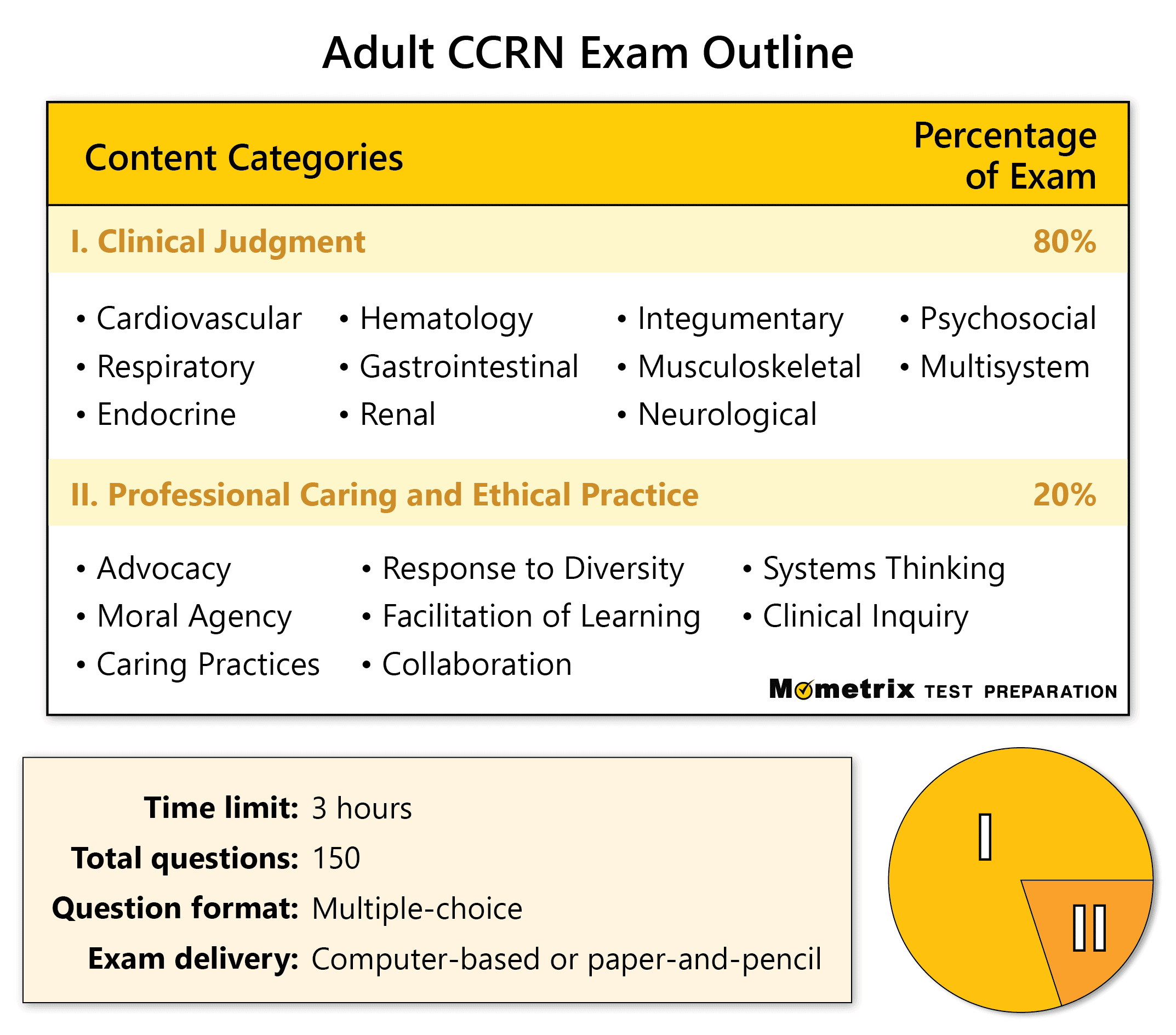
The acronym CCRN specifically denotes a Critical Care Registered Nurse. To earn this designation, a professional must meet rigorous clinical practice hour requirements and pass a comprehensive examination. In the world of professional finance, this acts as a “barrier to entry.” High barriers to entry typically lead to lower supply and higher demand for labor, which is a fundamental driver of increased wages.
By obtaining the CCRN, a nurse distinguishes themselves from the general labor pool of registered nurses. They move from a generalist category into a specialist category. In any industry—whether it be tech, finance, or medicine—specialization is the most reliable path to increasing one’s “billable rate” or annual salary.
CCRN as a Financial Asset
When we view a career through the lens of an investment portfolio, the CCRN is a “low-risk, high-reward” asset. The initial cost of the exam and study materials is relatively low—often under $1,000—while the potential lifetime earnings increase can reach hundreds of thousands of dollars.
This certification acts as a signaling mechanism to hospital administrators and recruiters. It signals that the individual possesses a disciplined work ethic and a mastery of complex systems. In a competitive job market, this signal reduces the “information asymmetry” between the employer and the employee, allowing the certified professional to command a premium price for their services.
The ROI of Certification: Is the Investment Worth It?
When analyzing any professional certification from a financial standpoint, the primary metric is Return on Investment (ROI). For the CCRN, the ROI is realized through several distinct channels: direct salary increases, shift differentials, and institutional bonuses.
Direct Salary Increases and Shift Differentials
Many healthcare systems operate on a “clinical ladder” program. This is a structured financial system where nurses are compensated based on their level of expertise and certification. Obtaining a CCRN often automatically moves a professional to a higher “step” or “tier” on the pay scale.
On average, CCRN-certified nurses can expect an hourly increase ranging from $2.00 to $5.00 over their non-certified counterparts. While this may seem modest in the short term, the compounding effect is significant. On a standard 36-hour work week, a $3.00 hourly increase results in an additional $5,616 per year. Over a 20-year career, and assuming these funds are invested in a standard index fund at a 7% annual return, this “certification bonus” alone could grow into a retirement nest egg of over $250,000.
Costs of the Certification vs. Long-Term Earning Power
The upfront costs of the CCRN include the exam fee (which is discounted for AACN members), study guides, and potentially a review course. Many forward-thinking professionals also factor in the “opportunity cost” of the time spent studying.
However, many hospitals offer tuition reimbursement or certification bonuses that cover these costs entirely. Some institutions provide a one-time bonus (often ranging from $1,000 to $2,500) simply for passing the exam. When the employer subsidizes the investment, the ROI becomes infinite, as the employee is essentially gaining a high-value asset for zero capital outlay.

Career Progression and Income Diversification
Beyond the immediate hourly raise, the CCRN serves as a critical prerequisite for the most high-paying paths in nursing. In the context of “Money,” the CCRN is the foundation upon which even larger revenue streams are built.
Moving into High-Paying Specialties: The CRNA Path
For many, the CCRN is the necessary stepping stone to becoming a Certified Registered Nurse Anesthetist (CRNA). CRNAs are among the highest earners in the nursing profession, with median annual salaries often exceeding $190,000 to $250,000, depending on the region and type of facility.
Most CRNA programs require at least one to two years of critical care experience and strongly prefer (or require) CCRN certification for admission. In this sense, the CCRN is not just a certification; it is an admission ticket to a career bracket that rivals the earnings of many corporate executives and physicians. The financial leap from a standard RN salary to a CRNA salary is a life-altering event that begins with the four letters: CCRN.
Leveraging CCRN for Travel Nursing and Consulting
The travel nursing market is another area where the CCRN pays dividends. Travel nursing agencies often prioritize candidates with certifications because they can “bill” the hospital at a higher rate for a highly qualified specialist.
A CCRN-certified travel nurse in a high-demand ICU environment can command weekly gross pay of $3,000 to $5,000 during peak periods. This “geographic arbitrage”—working in high-paying regions while maintaining a low-cost home base—is one of the fastest ways to achieve financial independence or pay off student loan debt. Furthermore, the CCRN opens doors to legal nurse consulting, where experts are paid high hourly fees to review medical-legal cases, providing a lucrative side hustle or a full-time business opportunity.
The Strategic Financial Advantage in a Competitive Job Market
In a volatile economy, financial security is often tied to “recession-proof” skills. The CCRN provides a layer of economic protection that general certifications do not.
Negotiation Power and Contract Bonuses
When applying for new positions, the CCRN provides tangible leverage during salary negotiations. A candidate with a CCRN is objectively more valuable to a hospital’s “Magnet Status” (a prestigious designation that affects a hospital’s branding and funding). Because hospitals are incentivized to maintain a high percentage of certified nurses, a CCRN candidate can often negotiate higher sign-on bonuses, better relocation packages, or preferred scheduling.
In the world of personal finance, negotiation is one of the most effective ways to increase net worth. Having the CCRN on a resume changes the power dynamic from “seeking a job” to “offering a high-value specialized service.”
Future-Proofing Your Earnings
As healthcare moves toward more complex, technology-driven interventions, the demand for nurses who can manage advanced life-support systems (like ECMO or CRRT) will only grow. The CCRN serves as evidence that a professional is capable of handling these high-stakes, high-tech environments.
By future-proofing their skills, CCRN holders ensure they remain at the top of the “preferred hire” list even during economic downturns. In financial terms, this is a form of “hedging” against unemployment. While generalist roles may be subject to budget cuts or automation, the specialized skill set of a CCRN nurse remains a non-negotiable necessity for healthcare facilities.

Conclusion: The Bottom Line on CCRN
What does CCRN stand for? To the public, it stands for Critical Care Registered Nurse. To the professional, it stands for a commitment to excellence. But to the financially savvy individual, it stands for Capital, Career Growth, ROI, and Negotiation.
It is a credential that pays for itself many times over. Whether through direct salary increases, access to elite graduate programs like CRNA school, or the ability to command top-tier rates in the travel nursing market, the CCRN is one of the most effective financial tools available in the modern professional landscape. It transforms a standard career into a high-growth business, providing the cash flow and stability needed to pursue long-term financial goals and wealth accumulation. For any nurse looking to maximize their economic potential, the CCRN is not just a milestone—it is a mandatory component of a successful financial strategy.
aViewFromTheCave is a participant in the Amazon Services LLC Associates Program, an affiliate advertising program designed to provide a means for sites to earn advertising fees by advertising and linking to Amazon.com. Amazon, the Amazon logo, AmazonSupply, and the AmazonSupply logo are trademarks of Amazon.com, Inc. or its affiliates. As an Amazon Associate we earn affiliate commissions from qualifying purchases.