
In the lexicon of global agribusiness and commodity investing, few acronyms carry as much weight—or as much controversy—as CAFO. Standing for Concentrated Animal Feeding Operation, a CAFO is much more than a descriptive term for a farm; it is a specific regulatory and economic classification that defines the backbone of the modern industrial food supply chain. For investors, financial analysts, and entrepreneurs, understanding what a CAFO stands for is essential for evaluating the risks and rewards inherent in the trillion-dollar global meat and dairy markets.

From a purely financial perspective, the CAFO model represents the pinnacle of industrial efficiency and the logic of economies of scale. However, as the global financial landscape shifts toward Environmental, Social, and Governance (ESG) transparency, the CAFO model is increasingly viewed through a lens of systemic risk. To understand the “Money” aspect of CAFOs, one must look past the fences and into the balance sheets of the world’s largest food producers.
Understanding the CAFO Business Model and Market Dominance
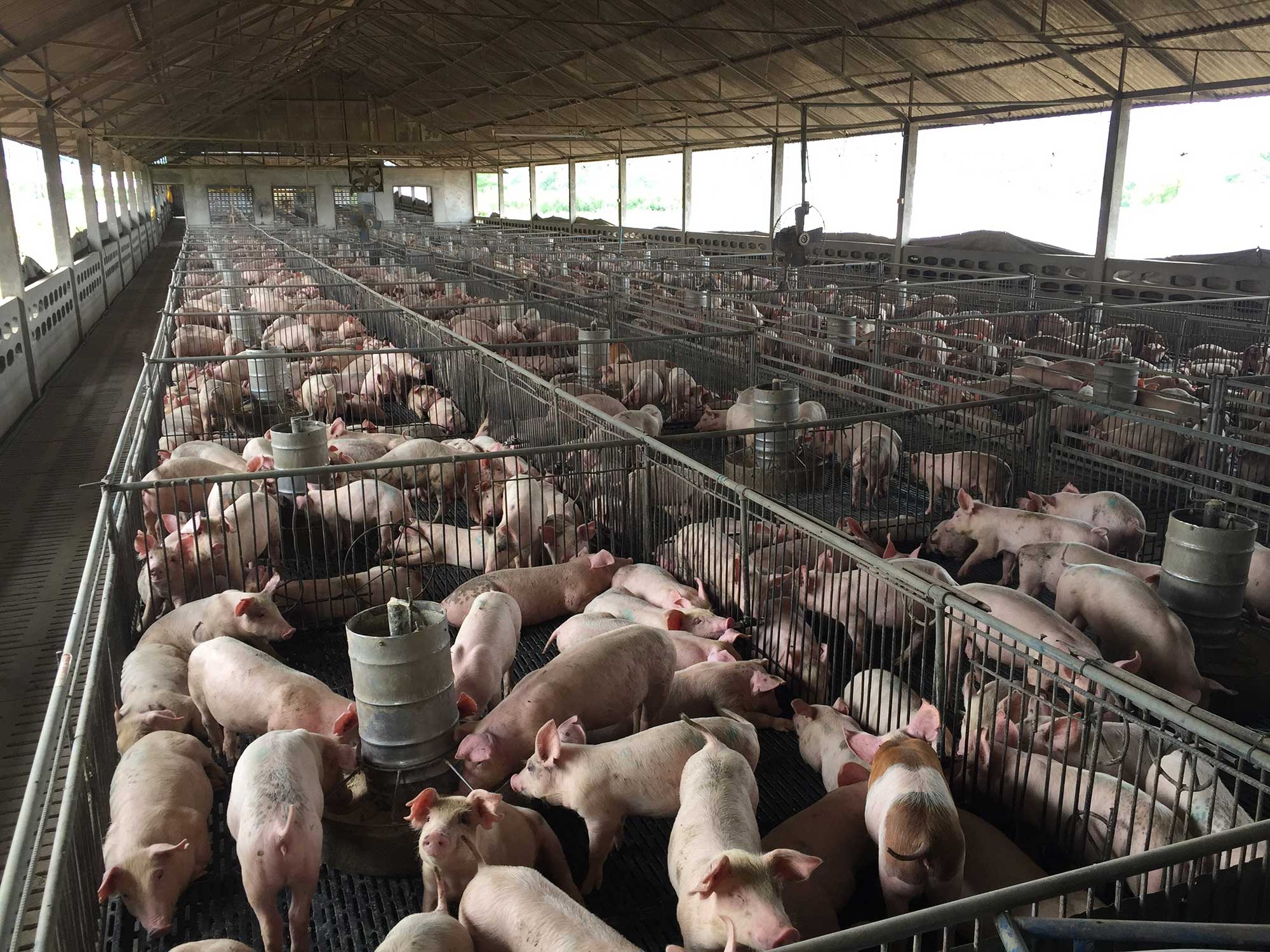
At its core, a CAFO is a production facility where animals are raised in high-density confinement. According to the U.S. Environmental Protection Agency (EPA), a facility is classified as a CAFO if it confines animals for at least 45 days a year in an area where vegetation is not sustained during the normal growing season. The financial rationale for this concentration is straightforward: maximizing output while minimizing the geographic footprint and labor costs.
The Logic of Economies of Scale
In the world of business finance, the primary goal of any industrial operation is to lower the marginal cost of production. CAFOs achieve this by centralizing resources. By housing thousands—and in some cases, millions—of animals in a single location, companies can streamline the delivery of feed, automate waste removal, and maintain precise control over the growth cycles of livestock. This centralization allows for high-throughput production that services global export markets and keeps retail prices low, driving massive revenue for parent corporations and their shareholders.
For the investor, this model has historically offered high predictability and steady cash flows. Large-scale operations benefit from vertical integration, where a single corporate entity may own everything from the feed mills to the slaughterhouses and distribution networks. This integration reduces transaction costs and allows for a more aggressive capture of market share.
Market Consolidation and Capital Intensity
The rise of CAFOs has led to significant market consolidation. In the United States, for example, a handful of multi-billion-dollar corporations control the vast majority of the beef, pork, and poultry markets. For a financial strategist, this represents a “moat”—a competitive advantage that makes it difficult for smaller, pasture-based competitors to enter the market.
However, this dominance comes with high capital intensity. Establishing and maintaining a CAFO requires significant upfront investment in specialized infrastructure, climate control systems, and automated feeding technology. Because these assets are highly specific, they represent “sunk costs” that can be difficult to recover if market demand shifts or if regulatory changes render the technology obsolete.
The Financial Risks of Concentrated Animal Feeding Operations
While the CAFO model is built for efficiency, it is also highly susceptible to “tail risks”—rare but devastating events that can wipe out profits and damage long-term enterprise value. Sophisticated investors must weigh the high yields of industrial agriculture against several categories of financial risk.
Biological and Biosecurity Vulnerabilities
Concentration is a double-edged sword. While it creates efficiency, it also creates a high-risk environment for disease outbreaks. When thousands of genetically similar animals are kept in close proximity, a single pathogen can spread with terrifying speed.
Events such as the Highly Pathogenic Avian Influenza (HPAI) or African Swine Fever (ASF) have historically led to the culling of millions of animals, resulting in billions of dollars in losses for the industry. From a financial perspective, these are not just biological events; they are supply chain disruptions that lead to extreme commodity price volatility. For institutional investors, the lack of biological diversity in CAFOs represents a systemic vulnerability that can lead to sudden, unhedged losses.

Regulatory and Litigation Risk
The legal landscape surrounding CAFOs is becoming increasingly treacherous for the bottom line. Because these operations produce vast quantities of waste—often exceeding the output of mid-sized cities—they are frequent targets of environmental litigation.
In recent years, we have seen a rise in “nuisance lawsuits” where neighboring property owners sue large agribusinesses for air and water pollution. Some of these cases have resulted in multi-million-dollar jury awards. Furthermore, as governments move toward more stringent carbon and nitrogen pricing, the “externalities” of the CAFO model—the costs of pollution currently paid by society—may soon be internalized into the company’s profit and loss statement. For a financial analyst, this represents a potential “carbon liability” that could significantly erode future margins.
ESG Investing and the Shift in Capital Allocation
The rise of Environmental, Social, and Governance (ESG) criteria has fundamentally changed how capital is allocated in the agricultural sector. Institutional investors, including pension funds and sovereign wealth funds, are increasingly scrutinizing the CAFO model through the lens of long-term sustainability.
The Cost of Capital and Social License
Companies that rely heavily on CAFOs are finding that their “social license to operate” is under pressure. As consumer preferences shift toward organic, grass-fed, or plant-based alternatives, the traditional CAFO-based companies risk becoming “stranded assets.”
In the financial markets, this shift is manifesting as a higher cost of capital for firms with poor ESG scores. Lenders and insurers are beginning to price in the risks associated with industrial farming, including the potential for future animal welfare regulations and the impact of antibiotic resistance—a global health crisis linked to the preventative use of antibiotics in crowded livestock environments. Conversely, companies that demonstrate a transition toward more regenerative or transparent sourcing models are being rewarded with lower interest rates on “green bonds” and higher valuation multiples.
Transparency and Supply Chain Due Diligence
Modern financial tools, including satellite monitoring and blockchain-based supply chain tracking, are making it harder for companies to hide the environmental impact of their CAFOs. For the investor, this increased transparency is a boon. It allows for better due diligence and a more accurate assessment of a company’s risk profile.
Investment firms like FAIRR (Farm Animal Investment Risk & Return) now provide detailed data on how the world’s largest protein producers manage risks like greenhouse gas emissions, water scarcity, and waste management. This data allows investors to move beyond the acronym and understand the true economic footprint of a Concentrated Animal Feeding Operation.
The Economic Future of Industrial Food Production
As we look toward the next decade, the financial viability of the CAFO model faces a crossroads. The global population is growing, and with it, the demand for protein. However, the economic inputs that made the CAFO model successful in the 20th century—cheap grain, abundant water, and minimal environmental regulation—are rapidly disappearing.
The Rise of Alternative Proteins and Market Disruption
The “Money” story of the next twenty years will likely involve the disruption of the CAFO model by technology-driven food production. Cultivated meat and precision fermentation offer the promise of producing animal protein without the logistical, biological, and ethical overhead of a CAFO.
From a venture capital perspective, the “meat-without-the-animal” sector is attracting billions in investment because it offers a more scalable, less risky, and more resource-efficient production method. While CAFOs still dominate the market today, savvy investors are keeping a close eye on the “tipping point” where these new technologies become price-competitive with industrial livestock.
Strategic Financial Management for Agribusiness
For those who remain invested in traditional agribusiness, the strategy is shifting toward “de-risking.” This involves diversifying production methods, investing in advanced waste-to-energy technology (such as anaerobic digesters that turn manure into methane gas for sale to utilities), and improving animal welfare to meet changing retail standards.
In conclusion, knowing what CAFO stands for is the first step in a complex financial analysis. To the casual observer, a CAFO is a farm; to the financier, it is a high-yield, high-risk industrial asset. As the global economy evolves, the ability of these operations to adapt to a world that demands more transparency and less environmental impact will determine whether they remain a cornerstone of the global food economy or become a cautionary tale of industrial overreach. For the smart money, the focus is now on identifying which companies can navigate this transition and which will be left behind in the shift toward a more sustainable and resilient financial future.
aViewFromTheCave is a participant in the Amazon Services LLC Associates Program, an affiliate advertising program designed to provide a means for sites to earn advertising fees by advertising and linking to Amazon.com. Amazon, the Amazon logo, AmazonSupply, and the AmazonSupply logo are trademarks of Amazon.com, Inc. or its affiliates. As an Amazon Associate we earn affiliate commissions from qualifying purchases.