
In the landscape of global consumer behavior, few events trigger a more predictable surge in specific purchasing patterns than the New Year. While much of the Western world focuses on resolutions and gym memberships, a deep-rooted cultural tradition in Latin America and Mediterranean Europe dictates a different kind of preparation: the selection of color-coded undergarments. Specifically, the question of “what does blue underwear mean on New Year’s” reveals a sophisticated intersection of cultural symbolism, color psychology, and seasonal marketing strategy. For brand strategists and marketers, this tradition is not merely a superstition; it is a masterclass in how symbolic meaning can drive brand resonance and product demand.
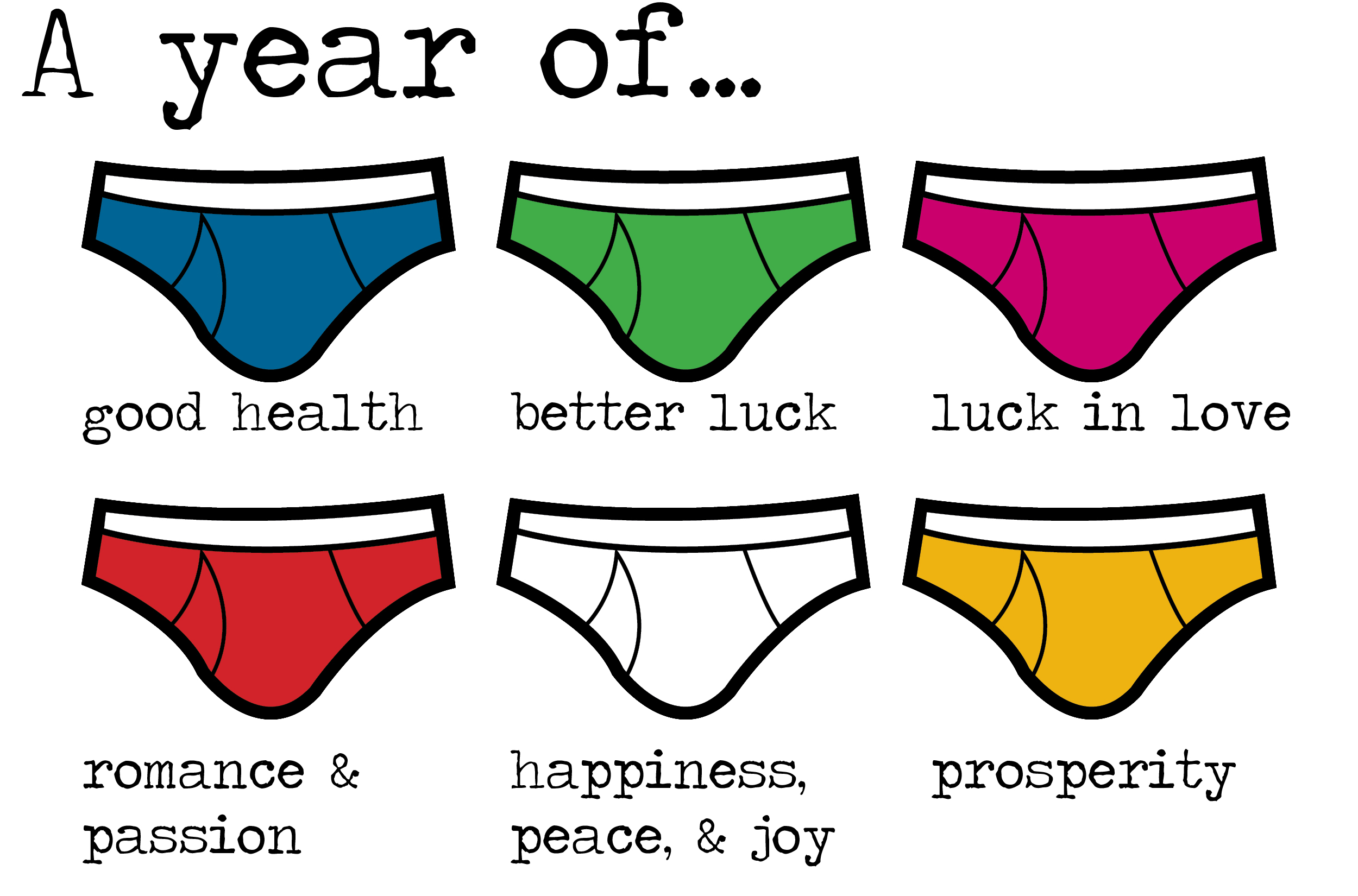
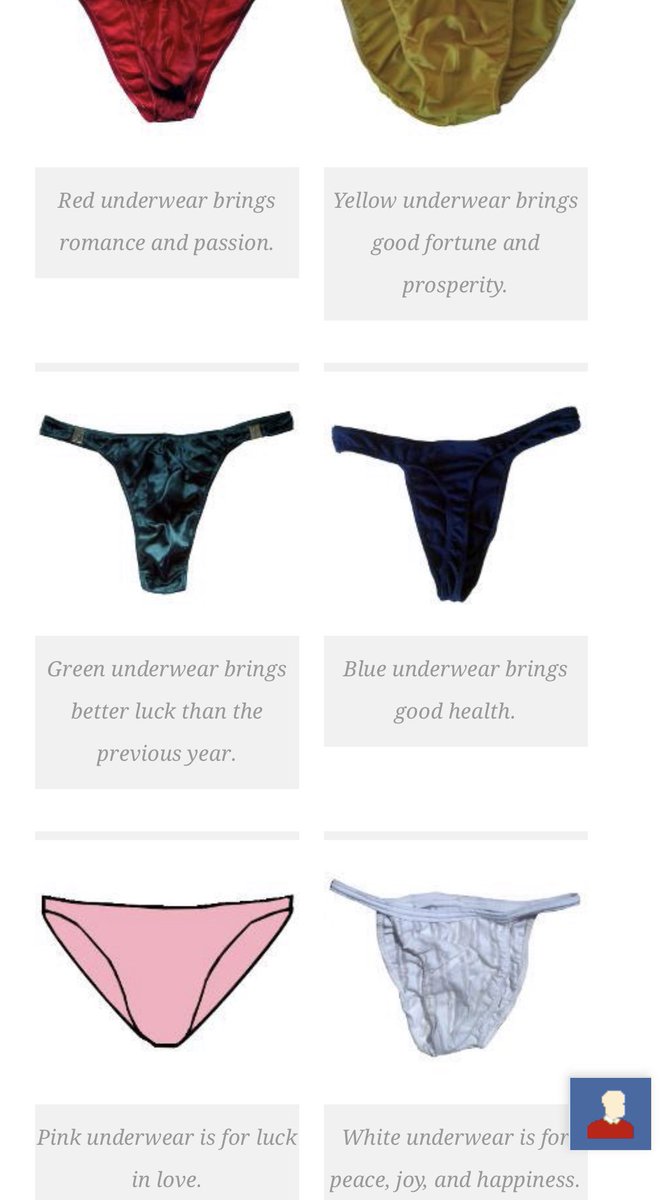
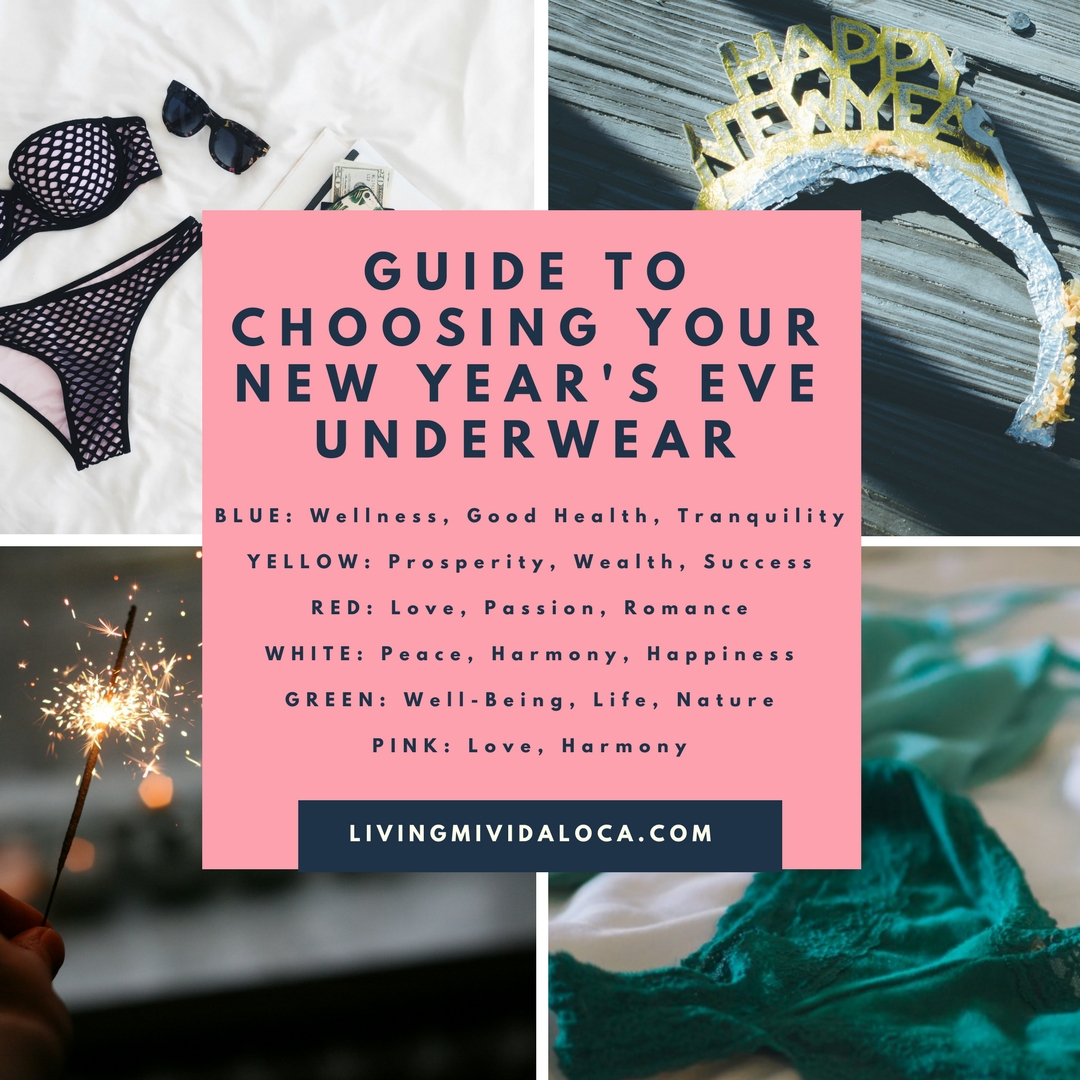
Within these traditions, blue is the color of health, wellness, and tranquility. While red signifies passion and yellow represents wealth, blue targets the foundational human need for stability and physical well-being. Understanding this shift from “want” to “need” is essential for brands looking to navigate the complex waters of emotional branding and seasonal consumerism.
The Cultural Currency of Seasonal Traditions
Traditions function as a form of cultural currency. They provide a framework for consumer decisions that are often irrational but deeply felt. When a consumer seeks out blue underwear for New Year’s Eve, they are not just buying a garment; they are purchasing an insurance policy for their health and a sense of calm for the year ahead.
Understanding the Symbolism of Blue
In the context of New Year’s rituals, blue is traditionally associated with the sky and the sea—vast, eternal elements that suggest a sense of permanence and peace. Unlike the high-energy urgency of red or the celebratory brightness of yellow, blue operates on a frequency of restoration. For a brand, this color represents a “safe harbor” positioning.
From a strategic perspective, the “meaning” of blue in this context aligns with the growing “Wellness Economy.” As consumers become increasingly concerned with mental health and physical longevity, the symbolic power of blue has migrated from niche superstition into mainstream lifestyle branding. Brands that understand this can pivot their messaging from “fashion” to “functionality of the soul.”
The Ritualistic Consumer: Why We Buy into Beliefs
Consumer behavior is often driven by the desire for control. New Year’s Eve is a period of transition and uncertainty. Rituals, such as wearing specific colors, provide a sense of agency over the unknown future. Brand strategy often mimics this by creating “ritualized consumption.” By leaning into the “blue for health” narrative, brands can position their products as essential components of a successful New Year’s transition.
This is not limited to the apparel industry. The “Blue New Year” concept can be extrapolated across various sectors—from healthcare brands emphasizing preventive care to home goods brands focusing on creating a “sanctuary.” The key is the alignment of the product with the consumer’s internal goal: a peaceful, healthy year.
Color Psychology as a Strategic Brand Asset
Color is the most immediate tool in a brand’s visual identity toolkit. It bypasses logical reasoning and speaks directly to the subconscious. When we analyze why blue underwear is sought after, we are essentially analyzing the psychological weight of the color blue itself and how it can be harnessed to build a corporate identity.
The “Blue” Influence: Trust, Health, and Stability
In professional branding, blue is the most used color for corporate identities, especially in finance and technology (think IBM, Intel, or Chase). This is because blue is universally perceived as trustworthy, reliable, and calm. In the context of New Year’s traditions, these same attributes are projected onto the wearer’s health.
For marketers, this means that any “Blue New Year” campaign must maintain a tone of serenity and authority. The aesthetic should be clean, minimalist, and restorative. If a brand is launching a product line centered on this theme, the packaging and digital assets must reflect “calmness” rather than “excitement.” This is the difference between a high-octane sale and a mission-driven brand movement.
From Tradition to Trend: The Commercialization of Color
The transition of a cultural ritual into a commercial trend requires a delicate balance. If a brand approaches the “blue underwear” tradition too aggressively, it risks appearing opportunistic. However, if it integrates the tradition into a broader narrative about wellness, it creates a “Lifestyle Brand” connection.
Strategic commercialization involves creating a “Halo Effect” around the color blue. It’s not just about the underwear; it’s about what the blue represents. Brands like Tiffany & Co. have mastered the “ownership” of a specific shade of blue to convey luxury and exclusivity. Similarly, apparel brands can “own” the New Year’s blue by associating their specific fabric technology or design philosophy with the concepts of health and tranquility.
Narrative Marketing: Building a Story Around Symbolism
A product is a physical object; a brand is a story. To effectively market “blue for the New Year,” a brand must develop a narrative that resonates with the consumer’s aspirations for the coming twelve months.
Emotional Branding and the “Fresh Start” Effect
The “Fresh Start Effect” is a psychological phenomenon where people are more likely to take action toward their goals after a temporal landmark, such as a new year. Blue, representing health and calm, is the perfect visual shorthand for this fresh start.
Brand strategists should utilize “Emotional Branding” to link the product to the consumer’s identity. The narrative shouldn’t be “Buy these blue boxers,” but rather “Start your year with the clarity you deserve.” By shifting the focus from the item to the emotional state of the consumer, the brand builds a deeper, more loyal connection. This is particularly effective in digital marketing, where storytelling via social media can turn a simple tradition into a viral movement.
Segmenting the Market Based on New Year’s Intentions
Not every consumer is looking for the same thing on New Year’s. While some seek wealth (yellow) or love (red), the segment seeking blue is often the “Conscious Consumer.” This demographic values sustainability, mental wellness, and long-term stability over short-term thrills.
Brands can use this insight to segment their marketing efforts. For example, a campaign for blue apparel can be targeted toward users interested in yoga, meditation, organic foods, and preventive health. By aligning the color symbolism with the consumer’s existing lifestyle choices, the brand increases its relevance and conversion rate.
Case Studies and Tactical Implementation
How do brands actually execute a strategy based on a color-coded tradition? It requires a multi-faceted approach that spans product development, digital marketing, and retail experience.
Omnichannel Strategies for Symbolic Products
An effective brand strategy for seasonal traditions must be consistent across all touchpoints.
- Digital: Use “Blue” as the dominant theme in email marketing and website hero images during the last two weeks of December. Incorporate educational content about the meaning of the color to add value beyond the transaction.
- Social Media: Use influencer partnerships to showcase “New Year’s Rituals.” Having a wellness influencer discuss their “Blue Year” goals while subtly featuring the brand’s products creates authentic social proof.
- Retail: In-store displays should group blue items together, perhaps with signage explaining the tradition. This creates a curated shopping experience that simplifies the decision-making process for the consumer.
Measuring the Impact of Seasonal Symbolic Campaigns
Success in this niche is measured not just by sales volume, but by brand sentiment and customer acquisition costs. If a brand successfully leans into the “Blue New Year” narrative, it should see an uptick in engagement from the wellness-focused segment.
Key Performance Indicators (KPIs) should include the “Sell-through Rate” of blue items compared to other colors during the same period, as well as social media “Share of Voice” regarding New Year’s traditions. This data helps brands refine their symbolic marketing for future years, perhaps expanding into other colors or related product categories.
The Future of Brand Symbolism in a Digital Age
As we move further into a digital-first economy, the way we consume symbols is changing. However, the core human desire for meaning remains. The tradition of wearing blue underwear for health is a reminder that even in a high-tech world, we are still driven by ancient narratives and psychological cues.
For a brand to remain relevant, it must be able to translate these offline traditions into online experiences. This might involve augmented reality (AR) filters that let users “visualize” their year in different colors or AI-driven recommendations based on their New Year’s goals.
Ultimately, “what blue underwear means on New Year’s” is a testament to the power of color to act as a bridge between a brand and a consumer’s deepest aspirations. By understanding the health and tranquility associated with blue, brands can move beyond selling commodities and start selling a vision of a better, more balanced life. In the world of brand strategy, that is the ultimate competitive advantage. Through the strategic use of color, narrative, and cultural awareness, a simple garment becomes a powerful symbol of a brand’s commitment to its customers’ well-being.
aViewFromTheCave is a participant in the Amazon Services LLC Associates Program, an affiliate advertising program designed to provide a means for sites to earn advertising fees by advertising and linking to Amazon.com. Amazon, the Amazon logo, AmazonSupply, and the AmazonSupply logo are trademarks of Amazon.com, Inc. or its affiliates. As an Amazon Associate we earn affiliate commissions from qualifying purchases.