
In the fast-paced ecosystem of digital communication, brevity is not just a preference—it is a necessity. As we navigate through various messaging apps, social media platforms, and collaborative software, the use of shorthand has become a foundational element of how we exchange information. One of the most versatile and frequently encountered abbreviations in this landscape is “BG.” While it may seem straightforward, the meaning of BG is highly dependent on the technical environment, the platform being used, and the intent of the sender.
Understanding these nuances is essential for anyone looking to master modern digital literacy. Whether you are a software developer, a competitive gamer, or a casual social media user, recognizing the multi-faceted nature of BG allows for clearer communication and prevents the common pitfalls of digital misinterpretation.
The Evolution of Textual Abbreviations in Modern Tech Communication
The transition from traditional long-form writing to the condensed language of “text-speak” was originally born out of technical limitations. In the early days of mobile telephony, Short Message Service (SMS) protocols limited messages to 160 characters. This constraint forced users to innovate, creating a lexicon of acronyms to maximize information density. While modern smartphones and data-driven messaging apps like WhatsApp, Telegram, and Discord have removed these character limits, the culture of shorthand has persisted and evolved.
From SMS Limits to Instant Messaging Efficiency
Today, the use of abbreviations like BG is less about overcoming hardware limitations and more about maintaining the “flow” of digital conversation. In a high-speed technological environment, users prioritize the speed of response. Abbreviations serve as a cognitive shortcut, allowing participants in a chat to acknowledge concepts or emotions without breaking their focus on the primary task, such as gaming, coding, or browsing.
The Role of Acronyms in Shaping Digital Culture
Acronyms do more than just save time; they signal membership within specific digital subcultures. Using “BG” in a specific way can identify a user as a member of the gaming community, a web designer, or a savvy social media consumer. As technology continues to integrate into every facet of our lives, these linguistic markers act as a bridge between human social behavior and the technical interfaces we inhabit.
Primary Meanings of BG in Messaging and Social Apps
When encountering “BG” in a text or direct message, the meaning is usually dictated by the social context of the conversation. There are three primary ways this abbreviation is utilized in daily digital interactions.
BG as “Background” in Content Creation and UI
In the world of digital design and social media content creation, “BG” almost universally stands for “Background.” With the rise of “Stories” on platforms like Instagram and the dominance of short-form video on TikTok, users frequently discuss the aesthetics of their posts.
From a technical perspective, the “BG” refers to the layer behind the primary subject. Influencers might ask for feedback on their “BG setup” or use apps to “remove BG” from a photo. In user interface (UI) and user experience (UX) discussions, tech professionals use BG to refer to background colors, textures, or images that define the visual hierarchy of an application.
BG as “Bad Game” in the Competitive Gaming Sector
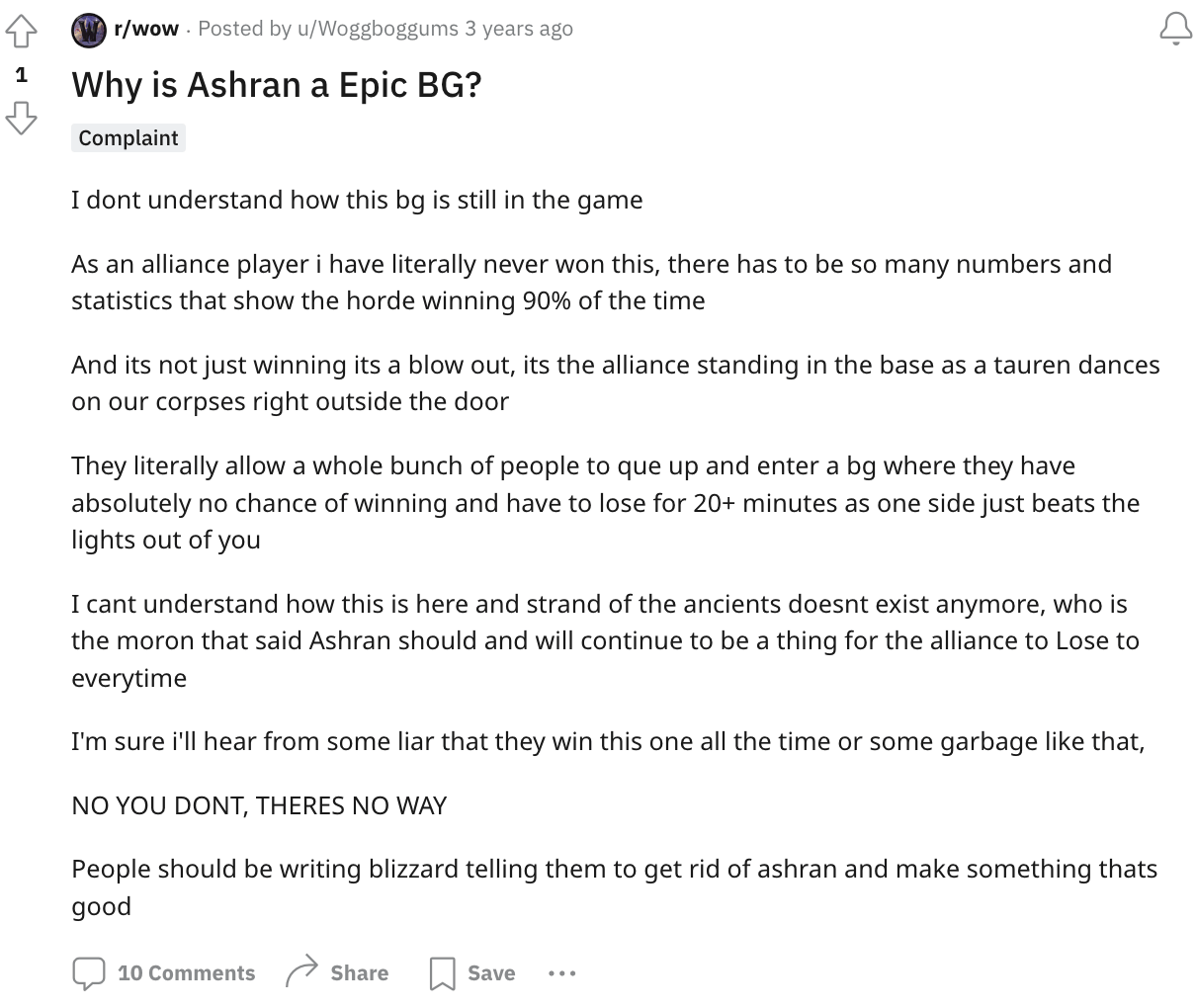
Perhaps the most widespread use of “BG” occurs within the global gaming community. In competitive multiplayer environments—ranging from League of Legends and Valorant to Call of Duty—players use “BG” at the conclusion of a match to signify a “Bad Game.”
This is the antithesis of the more common “GG” (Good Game). While GG is a sign of sportsmanship, BG is often used when a match was perceived as unfair, plagued by technical glitches (lag), or ruined by unbalanced matchmaking. In the context of gaming tech, a “BG” often prompts a discussion about server stability, ping rates, and the efficacy of anti-cheat software, highlighting how technical performance directly influences social interaction.
BG as “Baby Girl”: Social Media and Interpersonal Slang
In more informal, interpersonal contexts, particularly among Gen Z and Alpha demographics, BG is frequently used as shorthand for “Baby Girl.” This can be a term of endearment, a reference to a specific aesthetic trend (such as the “soft girl” or “it girl” tech aesthetics), or used ironically in memes. On platforms like X (formerly Twitter) or TikTok, the hashtag #BG is often associated with fashion, lifestyle, and personalized digital branding.
Technical and Specialized Applications of BG

Beyond casual conversation and gaming, “BG” holds significant meaning within specialized technical fields. In these contexts, the term moves from slang into the realm of professional terminology and data management.
BG in Software Development and Web Design
For developers and programmers, “BG” is a ubiquitous shorthand used in coding and documentation. Most notably, it appears in Cascading Style Sheets (CSS), where properties like background-color, background-image, and background-size are fundamental to web architecture.
Furthermore, “BG” is often used to describe “Background Processes.” In operating systems like Linux, macOS, or Windows, a background process is a program that runs without user intervention, handling tasks such as data indexing, system updates, or security scans. When a tech support professional mentions that an app is “running in the BG,” they are referring to the application’s consumption of system resources (RAM and CPU) while the user focuses on a different foreground task.
Health Tech and Wearables: BG as Blood Glucose
In the burgeoning sector of Health Technology (HealthTech), “BG” stands for “Blood Glucose.” This is a critical metric for millions of people managing diabetes. The integration of Continuous Glucose Monitors (CGM) with smartphone apps and smartwatches has made “BG” a daily tech term.
Users receive notifications about their “BG levels” directly on their devices. In this context, the “BG” abbreviation is part of a sophisticated data ecosystem where medical hardware communicates with cloud-based software to provide real-time health analytics. For developers in the HealthTech space, ensuring the accuracy and security of BG data is a primary technical challenge, involving strict adherence to HIPAA and other data privacy regulations.
Board Gaming Communities and Digital Adaptations
With the rise of platforms like Board Game Arena and Tabletop Simulator, the hobbyist community often uses “BG” to stand for “Board Game.” As the line between physical tabletop gaming and digital software blurs, enthusiasts use the abbreviation to discuss digital ports of classic games, AI-driven rule implementations, and the integration of companion apps in physical play.
Navigating Context: How to Determine the Correct Meaning
Given the diverse range of definitions, how can one accurately interpret “BG” in a digital environment? The key lies in analyzing the platform and the surrounding technical metadata.
Platform-Specific Interpretations
The platform serves as the strongest indicator of meaning:
- On GitHub or Stack Overflow: It almost certainly refers to a “Background” process or CSS property.
- On Discord (during a match): It is likely “Bad Game.”
- In a Health or Fitness App: It refers to “Blood Glucose.”
- In a text message from a friend: It is likely a term of endearment or “Background” (e.g., “Check out the BG in this photo”).
The Impact of Audience and Professionalism
When communicating in a professional tech environment, clarity is paramount. While “BG” is an efficient shorthand, it can lead to ambiguity in cross-functional teams. For instance, a designer talking about the “BG” (background) and a developer talking about a “BG” (background process) might find themselves in a state of confusion. To avoid this, industry leaders suggest using abbreviations only after the full term has been established within the documentation or the conversation thread.
The Future of Digital Shorthand and AI Integration
As we look toward the future of technology, the way we use and interpret shorthand like “BG” is set to change. The rise of Artificial Intelligence (AI) and Natural Language Processing (NLP) is already beginning to automate the decoding of digital slang.
How Natural Language Processing Handles Ambiguity
Modern AI models are trained on massive datasets that include social media slang, technical documentation, and casual text. When an AI assistant or a predictive text algorithm encounters “BG,” it uses context windows to predict the user’s intent. For example, if the previous three sentences discussed “hex codes” and “opacity,” a sophisticated AI will correctly interpret “BG” as “Background.” This level of contextual awareness is becoming a standard feature in smart keyboards and automated transcription services.

The Transition Toward Predictive Text and Real-Time Translation
As digital communication becomes increasingly globalized, the role of shorthand is being influenced by real-time translation tools. Developers are working on systems that can translate not just the words, but the cultural intent of abbreviations. In the future, a gamer in Korea typing the equivalent of “Bad Game” might be translated for an American player as “BG,” ensuring that the technical and social nuances of the communication remain intact across linguistic barriers.
In conclusion, “BG” is more than just a two-letter sequence; it is a reflection of the diverse and specialized worlds that exist within our digital reality. From the technical depths of CSS and background processes to the high-stakes environment of competitive gaming and the personal sphere of health monitoring, “BG” encapsulates the efficiency and complexity of modern communication. By understanding these various definitions, users can better navigate the digital landscape, ensuring that their messages are not only sent but truly understood.
aViewFromTheCave is a participant in the Amazon Services LLC Associates Program, an affiliate advertising program designed to provide a means for sites to earn advertising fees by advertising and linking to Amazon.com. Amazon, the Amazon logo, AmazonSupply, and the AmazonSupply logo are trademarks of Amazon.com, Inc. or its affiliates. As an Amazon Associate we earn affiliate commissions from qualifying purchases.