
In the modern marketplace, the term “shallow” is often relegated to personal critiques of character, but in the context of brand strategy and corporate identity, it carries a much more significant, and often expensive, weight. When we ask, “What does being shallow mean?” within the professional sphere, we are identifying a critical failure in brand depth—a state where a company’s visual identity, marketing slogans, and public-facing persona have no grounding in its operational reality, core values, or long-term vision.
A shallow brand is a “veneer brand.” It is an organization that prioritizes the aesthetic over the authentic, the campaign over the culture, and the transaction over the relationship. In an era where consumers are increasingly savvy and data-driven, a shallow brand identity is a liability that leads to high churn, low trust, and a fragile market position. To understand the implications of shallow branding, one must look beneath the surface of logos and color palettes to examine the structural integrity of a brand’s promise.
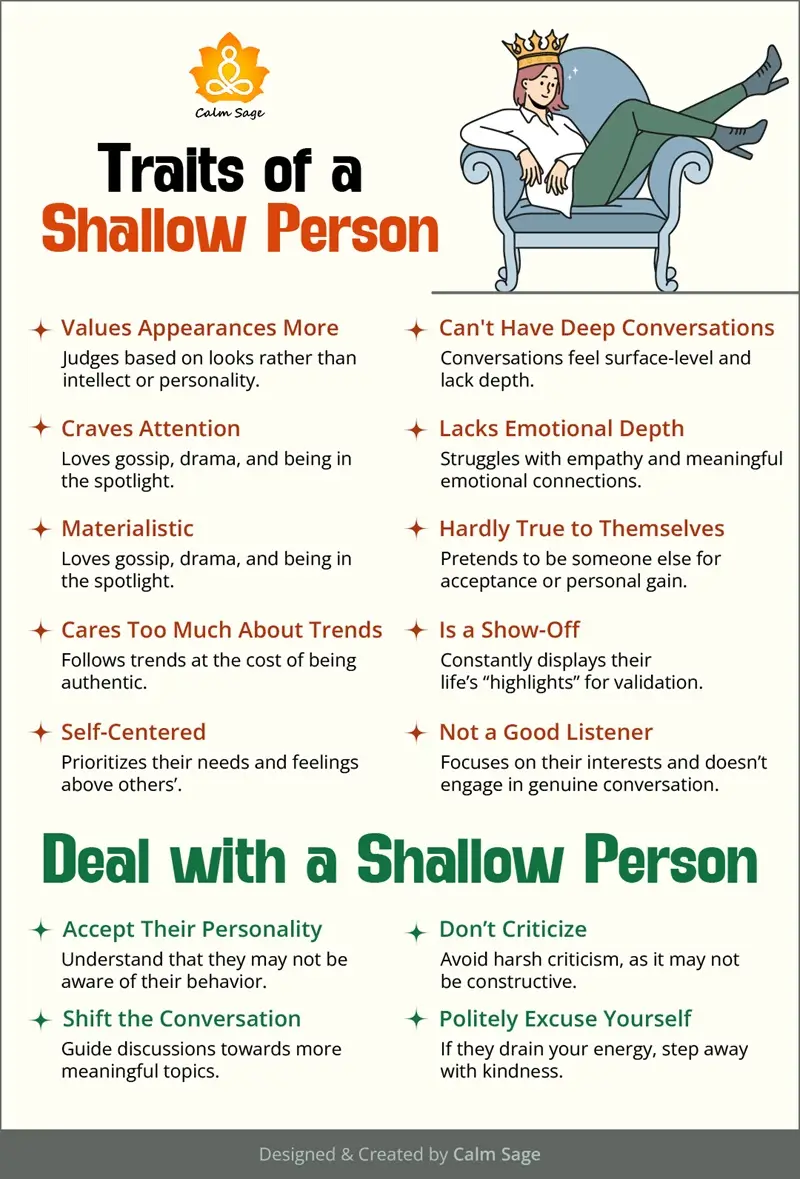
Defining the Shallow Brand: Aesthetics Without Substance
At its most basic level, being shallow in branding means there is a fundamental disconnect between what a brand says and what a brand does. It is the corporate equivalent of “all hat and no cattle.” This phenomenon usually manifests in two distinct ways: the visual-only trap and the promise-product gap.
The Visual-Only Trap
Many emerging companies and even established firms undergoing a “refresh” fall into the trap of thinking that a brand is merely a visual asset. They invest hundreds of thousands of dollars in a new logo, a minimalist website, and high-production-value social media content. However, if these visual elements are not informed by a deep understanding of the brand’s mission, they are inherently shallow.
A shallow visual identity is one that follows trends without purpose. For instance, the “blanding” trend—where diverse tech companies all adopted similar sans-serif fonts and muted color palettes—resulted in a sea of sameness. When a brand’s visual language is indistinguishable from its competitors, it signals to the consumer that there is no unique value proposition beneath the surface. Being shallow, in this sense, means lacking a distinct point of view.
The Disconnect Between Promise and Product
The second hallmark of a shallow brand is the failure to operationalize brand promises. If a brand markets itself as “customer-centric” but maintains a convoluted, automated customer service line that makes it impossible to speak to a human, the brand is shallow. The marketing is a thin layer of gold leaf over a leaden experience.
This disconnect is particularly visible in “purpose-driven marketing.” We see this when corporations change their social media avatars to support social causes for a month, yet their internal hiring practices or supply chain management contradict those very values. This is the definition of a shallow brand strategy: it is performative rather than transformative.
The Psychology of Consumer Perception: Why Depth Matters
To understand why being shallow is a strategic error, we must look at how consumers process brand information. Modern psychology suggests that consumers do not just buy products; they buy into identities and narratives. When a brand is perceived as shallow, it triggers a “skepticism response” that is difficult to reverse.
The Erosion of Trust and the “Sincerity Gap”
Trust is the currency of the digital economy. A shallow brand suffers from what researchers call the “sincerity gap.” This occurs when the perceived motives of a brand are purely transactional, despite its claims to be “communal” or “helpful.”
When a consumer realizes a brand is shallow, the relationship shifts from an emotional one to a purely price-sensitive one. If a customer feels no depth of connection to a brand, they have no loyalty. They will leave the moment a competitor offers a price that is five cents lower or a delivery time that is ten minutes faster. Shallow brands are forced to compete on margins because they have failed to build the “brand equity” that comes from perceived depth and authenticity.
Emotional Connection vs. Transactional Interactions
Deep brands create an “ecosystem of belonging.” Think of brands like Patagonia or Apple in its early decades. These brands are not shallow because their external messaging is a direct reflection of their internal obsession with quality, environmentalism, or design-led innovation.
A shallow brand, conversely, is purely transactional. Every interaction feels like a sales pitch. Because the brand lacks a “why” (as Simon Sinek famously articulated), it cannot inspire a “how” or a “what” that resonates on a human level. Being shallow means failing to provide the consumer with a narrative they want to be a part of.
Moving Beyond the Surface: Strategies for Deep Branding
Transitioning from a shallow brand to a deep one requires a radical shift in how leadership views brand strategy. It is not a marketing exercise; it is an organizational one. Depth is built from the inside out.

Rooting Brand Identity in Core Values
The antidote to shallowness is a return to first principles. A brand must define its core values not as a list of “corporate speak” words on a breakroom poster, but as a set of non-negotiable filters for decision-making.
To avoid being shallow, a brand should be able to answer: What would we refuse to do, even if it were profitable? If a brand cannot answer that, it has no depth. Depth is defined by boundaries. A brand that tries to be everything to everyone, following every market whim, is the epitome of shallow. Deep brands have the courage to exclude certain audiences in order to deeply resonate with their core tribe.
Operationalizing the Brand Promise
To move beyond the surface, the brand promise must be embedded into the customer journey at every touchpoint. This is where “Brand Strategy” meets “User Experience (UX).”
If a brand claims to be “innovative,” its depth is proven by its R&D budget and its tolerance for failure, not by how many times the word “innovation” appears in its annual report. If a brand claims to be “premium,” its depth is felt in the weight of the packaging, the speed of the website, and the tone of the transactional emails. Depth is the sum of a thousand small details being aligned with a single, coherent identity.
Case Studies: The Perils of the Shallow Pivot
History is littered with companies that attempted to “paint over” systemic issues with a new brand coat, only to find that the market saw through the shallowness.
When Rebrands Go Wrong
Consider the numerous retail giants that have attempted to pivot toward a younger, “hipper” demographic through shallow rebranding. They change their font, hire a celebrity influencer, and adopt Gen Z slang on Twitter. However, if the store experience remains cluttered, the product quality remains low, and the digital interface remains buggy, the rebrand is perceived as a shallow “glow-up.” The result is usually a “Brand Rejection” where the new target audience finds the attempt cringeworthy, and the old audience feels alienated.
Success Through Authenticity
In contrast, brands that survive “cancel culture” or economic downturns are those with depth. When a deep brand makes a mistake, it has a “buffer of goodwill.” Because the brand has demonstrated depth over years of consistent behavior, consumers are more likely to view a misstep as an anomaly rather than a revelation of a shallow core.
For example, when a legacy brand like Dove launched the “Real Beauty” campaign, it could have been dismissed as shallow marketing. However, because they backed it with the Dove Self-Esteem Project and changed their internal standards for advertisement retouching, the brand gained depth. It wasn’t just a slogan; it was a shift in the corporate DNA.
Future-Proofing Your Brand in a Value-Driven Economy
As we move further into the 21st century, the definition of “what does being shallow mean” will continue to evolve, but its core will remain the same: a lack of alignment. In an age of radical transparency, where glassdoor reviews, supply chain tracking, and social media leaks are ubiquitous, it is impossible to maintain a shallow brand for long. The “surface” is now transparent.
The Rise of the Conscious Consumer
The modern consumer—particularly Gen Z—is an expert at identifying “brand hypocrisy.” They have grown up in a world of targeted ads and are highly attuned to the “uncanny valley” of shallow branding. For these consumers, a brand that lacks depth is not just unappealing; it is untrustworthy.
To future-proof a brand, leaders must move away from “Image Management” and toward “Identity Management.” This means ensuring that the brand’s internal culture is the primary driver of its external reputation.

Conclusion: The Depth Dividend
Ultimately, the question “What does being shallow mean?” serves as a diagnostic tool for any business. To be shallow is to be vulnerable. It is to be a house built on sand, where the first storm of a PR crisis or a market disruption will wash away the carefully curated facade.
To have depth is to have a “Depth Dividend”—a competitive advantage that cannot be easily copied by a competitor with a bigger ad budget. Depth creates resilience, commands premium pricing, and fosters the kind of brand evangelism that no amount of shallow marketing can buy. In the final analysis, the most successful brands are those that understand that while the surface gets people to look, it is the depth that gets them to stay.
aViewFromTheCave is a participant in the Amazon Services LLC Associates Program, an affiliate advertising program designed to provide a means for sites to earn advertising fees by advertising and linking to Amazon.com. Amazon, the Amazon logo, AmazonSupply, and the AmazonSupply logo are trademarks of Amazon.com, Inc. or its affiliates. As an Amazon Associate we earn affiliate commissions from qualifying purchases.