
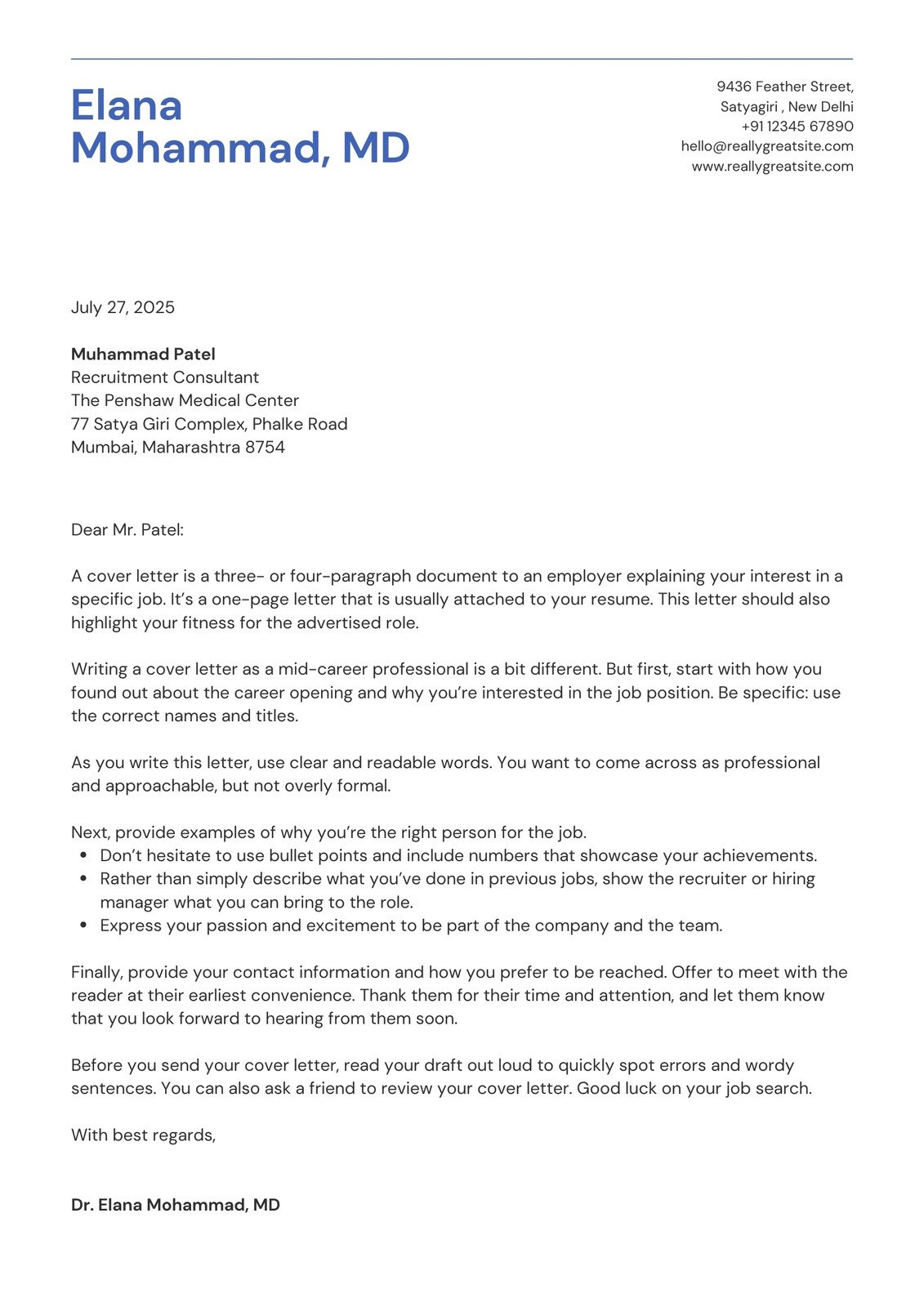
Receiving a job offer is more than a professional validation; it is a critical financial inflection point. To the untrained eye, an offer letter is a simple welcome message printed on company letterhead. To the savvy professional, however, it is a complex financial contract that dictates their net worth, tax liabilities, and long-term wealth trajectory for years to come. Understanding what an offer letter looks like—and more importantly, what the specific terms within it represent—is essential for anyone looking to optimize their personal finances.

An offer letter typically serves as a summary of the terms of employment, bridging the gap between the verbal handshake and the legally binding employment agreement. From a financial perspective, it is the blueprint of your “Total Rewards” package. It outlines not just what you will be paid on the 15th and 30th of every month, but how the company intends to invest in your future through equity, retirement contributions, and performance-based incentives.
The Core Components of Compensation: Base Salary vs. Total Package
The most prominent figure in any offer letter is the base salary. While it is the number most people fixate on, it is merely the foundation of a broader financial structure. When reviewing the salary section, the letter should clearly state the gross amount, the pay frequency (weekly, bi-weekly, or monthly), and whether the position is exempt or non-exempt under labor laws.
Base Salary: The Foundation of Your Monthly Cash Flow
Your base salary is the most predictable element of your financial life. It determines your debt-to-income ratio, which affects your ability to secure mortgages or car loans. In a standard offer letter, this figure is usually presented as an annual sum. However, the sophisticated earner looks at the “effective” rate after accounting for the local cost of living and tax jurisdictions. If the offer letter specifies a salary that seems high but requires relocation to a high-tax state, the “real” value of that money might actually be lower than your current earnings.
Variable Pay: Bonuses and Commissions
Beyond the base salary, an offer letter will detail variable compensation. This often includes a target annual bonus, expressed as a percentage of your base salary. It is crucial to look for language that defines whether this bonus is “discretionary” or “formulaic.” A discretionary bonus is a gift based on the company’s whim, whereas a formulaic bonus is a contractual obligation triggered by hitting specific Key Performance Indicators (KPIs). For those in sales or revenue-generating roles, this section will also include a commission structure, often accompanied by an “On-Target Earnings” (OTE) figure. Understanding the “draw” (recoverable vs. non-recoverable) in a commission-based offer is vital for maintaining a stable personal budget.
Equity and Long-Term Incentives: The Wealth-Building Lever
In the modern economy, especially within high-growth sectors, the most significant portion of an individual’s net worth is often built through equity, not salary. If you are entering a corporate or startup environment, your offer letter will contain a section dedicated to “Long-Term Incentives” (LTIs). This is where an offer letter transforms from a paycheck summary into a wealth-building roadmap.
Stock Options vs. RSUs
The offer letter will specify which type of equity you are being granted. Restricted Stock Units (RSUs) are a promise to give you shares of the company once certain conditions are met. They have intrinsic value the moment they vest, regardless of the stock price. Stock options, on the other hand, give you the right to buy shares at a specific “strike price.” From a money management perspective, options are higher risk but offer higher leverage. Your offer letter should state the number of shares or the dollar value of the grant, and for options, it must mention that the strike price will be determined by the fair market value (FMV) at the time of the board’s approval.
Vesting Schedules and Cliff Periods
The “catch” to equity is the vesting schedule. A standard offer letter usually features a four-year vesting schedule with a one-year “cliff.” This means that if you leave before your first anniversary, you walk away with zero equity. After the cliff, your equity typically vests monthly or quarterly. When calculating your total compensation, you must divide the total equity grant by the number of years in the vesting period to understand your “annualized” income. This is a critical step for tax planning, as the vesting of RSUs is treated as ordinary income and will increase your tax bracket.
The Indirect Financial Value: Benefits and Perks
While base pay and equity are the “hard” dollars, the benefits section of an offer letter contains “soft” dollars that can save you thousands of dollars in out-of-pocket expenses. A professional must quantify these benefits to see the true value of the offer.
Retirement Contributions and 401(k) Matching
One of the most powerful wealth-building tools mentioned in an offer letter is the retirement plan. Look for the company’s 401(k) matching policy. For instance, a 6% match on a $100,000 salary is an immediate, risk-free 100% return on your investment, totaling $6,000 in “free money” per year. If the offer letter does not mention a match, you are essentially taking a pay cut compared to a firm that offers one. Additionally, check for the “vesting schedule” of the employer’s contributions; some companies require you to stay for three to five years before you own the money they contributed to your retirement.
Health Insurance and HSA Contributions
High-end offer letters often highlight comprehensive health insurance. In the context of personal finance, the “look” of this section should include details on premiums paid by the employer. If a company covers 100% of your premiums, that can represent an additional $500 to $1,500 in monthly take-home value compared to a company that requires a high employee contribution. Furthermore, look for mentions of Health Savings Account (HSA) employer contributions. An HSA is a triple-tax-advantaged vehicle (tax-deductible contributions, tax-free growth, and tax-free withdrawals for medical expenses), and an employer “seed” into this account is a significant financial perk.
Legal Protections and Financial Contingencies
An offer letter also contains “fine print” that protects the company and, occasionally, the employee. These clauses determine what happens to your money in times of transition or termination.
Sign-on Bonuses and Clawback Provisions
To entice talent, companies often offer a sign-on bonus. This is an immediate cash infusion, but it almost always comes with a “clawback” provision. The offer letter will state that if you resign or are terminated for cause within a certain timeframe (usually 12 to 24 months), you must pay back the gross amount of the bonus. From a cash-flow management perspective, it is wise to keep sign-on bonus funds in a high-yield savings account until the clawback period expires, rather than immediately investing it in illiquid assets.
Severance and Termination Clauses
While most offer letters specify “at-will” employment—meaning either party can terminate the relationship at any time—executive-level letters often include severance language. This might guarantee three to six months of salary and COBRA (health insurance) coverage in the event of a layoff. Having this in writing reduces the need for an oversized personal emergency fund, allowing you to keep more of your capital invested in the market.
The Art of Negotiating the Numbers
Once you understand what the offer letter looks like, the final step is identifying where the numbers can move. An offer letter is rarely a “take it or leave it” document; it is an opening bid.
Identifying Leverage Points
When negotiating, don’t just ask for “more money.” Use the specific sections of the offer letter as leverage. If the base salary is lower than your market value, you might negotiate for a higher equity grant or a guaranteed sign-on bonus to bridge the gap. If the company cannot move on salary due to budget “bands,” you might ask for a relocation allowance or a tuition reimbursement cap. Each of these represents a tangible financial gain that improves your bottom line.

Finalizing the Financial Contract
Before signing, ensure that every verbal promise made during the interview process is reflected in the written offer. If a recruiter promised a performance review and salary adjustment after six months, that must be in the letter. If it isn’t in the “look” of the final document, it doesn’t exist in the eyes of the payroll department.
An offer letter is the first chapter of your financial relationship with an employer. By looking past the excitement of a new title and focusing on the mechanics of the compensation, equity, and benefits, you can ensure that your next career move is not just a professional step up, but a strategic leap forward for your personal wealth. Always remember: you don’t get what you deserve; you get what you negotiate and have documented in writing.
aViewFromTheCave is a participant in the Amazon Services LLC Associates Program, an affiliate advertising program designed to provide a means for sites to earn advertising fees by advertising and linking to Amazon.com. Amazon, the Amazon logo, AmazonSupply, and the AmazonSupply logo are trademarks of Amazon.com, Inc. or its affiliates. As an Amazon Associate we earn affiliate commissions from qualifying purchases.