
In the landscape of modern personal finance and career planning, the conversation often shifts heavily toward Silicon Valley tech roles or Wall Street finance positions. However, a significant and often overlooked sector for wealth generation lies within the skilled trades. Among these, ironworking stands out as a cornerstone of the global infrastructure and a high-yield career path for those looking to build a substantial financial foundation without the burden of traditional student debt. To understand what an ironworker does is to understand the literal and fiscal backbone of the urban skyline.
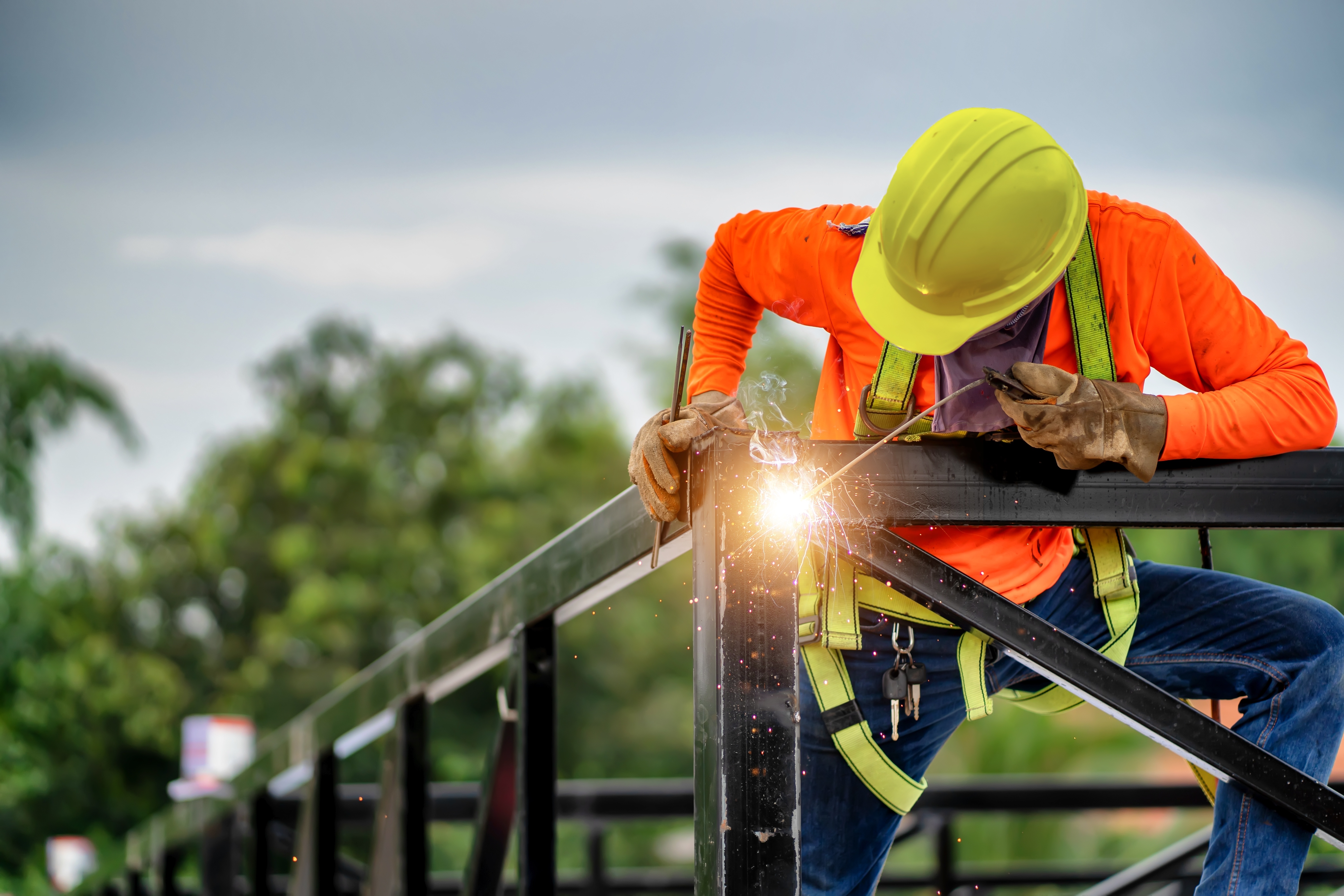
An ironworker is a specialized tradesperson who installs structural and reinforcing iron and steel to form the framework for buildings, bridges, and other large-scale structures. From a financial perspective, this role is a high-stakes, high-reward profession that requires a unique blend of physical stamina, mathematical precision, and an unwavering commitment to safety.
The Core Responsibilities: Building the Assets of the Future
At its most fundamental level, the work of an ironworker is divided into several specialized sectors, each contributing differently to the construction ecosystem and, consequently, offering varying levels of compensation and demand.
Structural Ironworking and Project Management
Structural ironworkers are the architects of the skeleton. They represent the most visible segment of the trade, working at great heights to erect the steel frames of skyscrapers, stadiums, and industrial plants. Their tasks include unloading steel, hoisting it into place with cranes, and connecting the beams with bolts or through specialized welding techniques.
From a business standpoint, structural ironworkers are essential for project timelines. Because the steel frame must be completed before other trades (like electrical or plumbing) can begin their work, ironworkers often have significant leverage in project scheduling. Their ability to work efficiently directly impacts the Return on Investment (ROI) for developers and municipal governments.
Reinforcing Ironworkers (Rodmen)
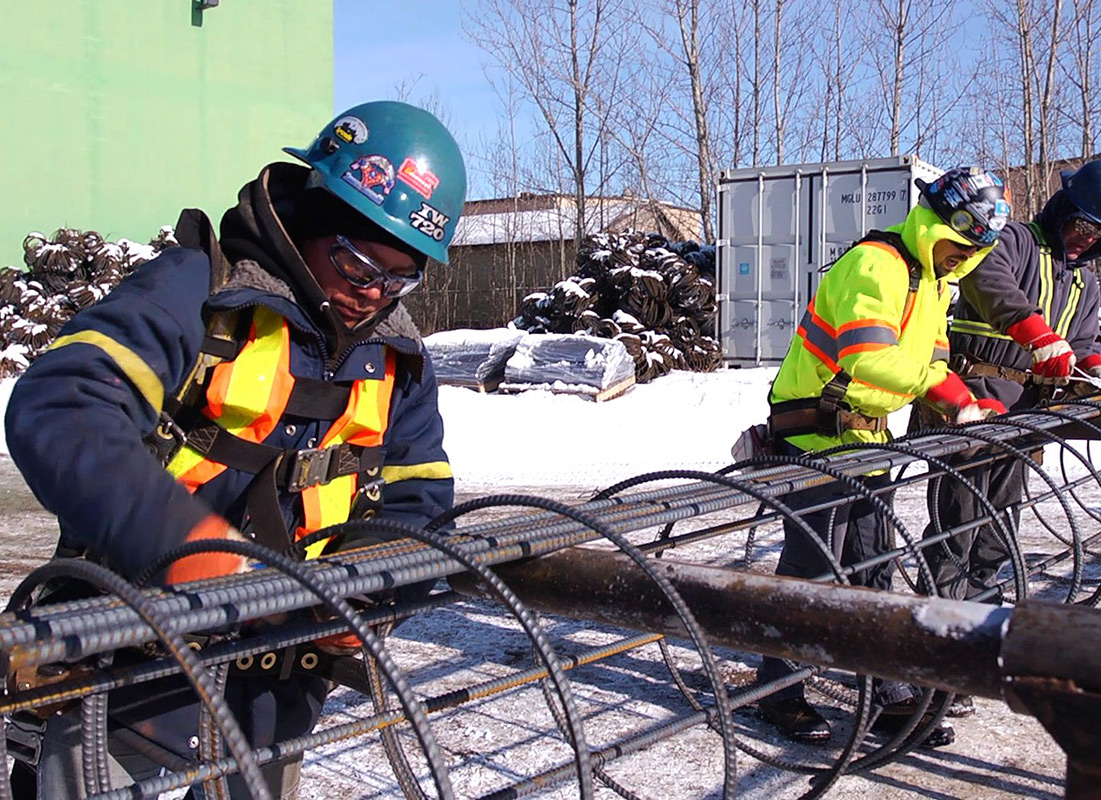
Often referred to as “rodmen,” these professionals focus on the “rebar” or reinforcing steel that is placed inside concrete forms. While concrete provides compressive strength, it lacks tensile strength; the ironworker’s job is to weave a grid of steel that allows the structure to withstand tension and bending. This work is foundational to the longevity of infrastructure assets like highways and dams. In the realm of public works and government-funded projects, reinforcing ironworkers are the primary beneficiaries of large-scale infrastructure bills and economic stimulus packages.
Ornamental Ironworking and Finishings
The ornamental sector focuses on the aesthetic and functional “finishing” of a building. This includes the installation of curtain walls—the glass and metal exterior skins of skyscrapers—as well as elevators, stairways, and railings. This niche often requires a higher degree of precision and “fine” skills, often fetching premium hourly rates for those who specialize in high-end commercial or luxury residential developments.
The Financial Trajectory: Salary, Benefits, and Long-Term Wealth
The primary appeal of ironworking as a career in the “Money” niche is the immediate and long-term financial upside. Unlike many white-collar professions that require four to six years of expensive education, ironworking utilizes an “earn-as-you-learn” model.
The Apprenticeship Model: Zero Debt, Immediate Income
The apprenticeship is the financial gateway to the trade. Typically lasting three to four years, an apprenticeship allows a newcomer to enter the field with zero prior experience and begin earning a percentage of a journeyman’s wage immediately. As the apprentice gains skills and completes classroom hours, their “step” increases, leading to incremental raises every six months to a year.
By the time an ironworker reaches “Journeyman” status, they have effectively received a master’s level education in structural engineering and metallurgy, all while maintaining a positive net worth. In a climate where the average college graduate enters the workforce with significant debt, the ironworker starts their career with several years of savings and zero liabilities.
The “Total Package” and Union Benefits
When analyzing the income of an ironworker, one must look beyond the hourly “check” rate. Unionized ironworkers, in particular, benefit from what is known as the “total package.” This includes:
- Base Wage: The direct hourly pay.
- Health and Welfare: Comprehensive medical, dental, and vision insurance funded by the employer.
- Pension Plans: Ironworkers often have access to defined benefit pension plans, which are increasingly rare in the private sector. These provide a guaranteed monthly income upon retirement.
- Annuities: Many locals also offer an annuity, which acts like a 401(k) but is funded through employer contributions per hour worked.

For a seasoned journeyman in a major metropolitan area, the total package can exceed $100 per hour. This level of compensation allows for a middle-class or upper-middle-class lifestyle, significant investment opportunities, and a secure retirement.
Overtime and Per Diem: Accelerating Net Worth
The construction industry is cyclical and project-based. During peak construction seasons or on “shutdown” projects for industrial plants, ironworkers are often offered significant overtime. Working 60 or 70 hours a week at “time-and-a-half” or “double-time” rates can lead to weekly checks that rival executive salaries. Additionally, ironworkers who are willing to travel to remote job sites often receive “per diem”—a daily tax-free allowance for lodging and food—which can be partially saved to further boost take-home pay.
Business and Entrepreneurial Opportunities in Ironworking
For the financially ambitious ironworker, the journey does not end at the journeyman level. The trade offers a clear path toward entrepreneurship and business ownership.
Transitioning from Labor to Contracting
Many successful construction firms were founded by former ironworkers who understood the mechanics of the job and the nuances of the labor market. Transitioning into a sub-contracting role allows an ironworker to move from earning an hourly wage to capturing the profit margins of entire projects. This shift requires a deep understanding of bidding, project management, and business finance, but the rewards are exponentially higher.
Specialized Niche Markets
Ironworkers who master specific high-demand skills—such as specialized underwater welding, bridge inspection, or the installation of wind turbine components—can position themselves as high-value consultants or niche contractors. These roles often carry high barriers to entry due to the certifications required, allowing the professional to command premium pricing in a less competitive market.
Risk Management and Occupational Longevity
No financial analysis of a career is complete without a discussion of risk. Ironworking is inherently dangerous and physically demanding. From a wealth management perspective, the ironworker must treat their body as their primary capital asset.
Investing in Safety and Health
The “cost of doing business” for an ironworker includes the physical toll on the body. Successful ironworkers manage this by investing heavily in high-quality gear and adhering to strict safety protocols. Financially, this means maintaining robust disability insurance and building an emergency fund that can cover living expenses during injury-related downtime.
Strategic Retirement Planning
Because the physical peak of an ironworker typically spans 20 to 25 years, early financial planning is critical. The smartest professionals in the trade use their high early-career earnings to invest in real estate, diversified stock portfolios, or side businesses. The goal is to reach a point of “financial independence” where the pension and annuity serve as the “floor” for retirement, while private investments provide the “ceiling.”
The Economic Outlook: Why Ironworking Remains a Solid Investment
As we look toward the 2030s, the economic demand for ironworkers is projected to remain strong. Global trends in urbanization, the transition to green energy (which requires massive amounts of steel for wind towers and solar frames), and the aging infrastructure of the Western world ensure a steady pipeline of work.
Unlike many sectors currently threatened by AI and automation, the physical complexity and unpredictable environments of a construction site make ironworking one of the most difficult jobs to automate. While technology will certainly assist the ironworker—through BIM (Building Information Modeling) or exoskeletons—the core human element of problem-solving at 50 stories in the air remains indispensable.
In conclusion, an ironworker does more than just “move steel.” They operate at the intersection of engineering and physical labor, providing the essential framework for a functioning modern economy. For the individual, it is a career path that offers a rare combination of high immediate earnings, robust long-term benefits, and a shield against the volatility of the white-collar job market. For those with the grit to master the trade, ironworking is not just a job—it is a sophisticated financial strategy for building a legacy.
aViewFromTheCave is a participant in the Amazon Services LLC Associates Program, an affiliate advertising program designed to provide a means for sites to earn advertising fees by advertising and linking to Amazon.com. Amazon, the Amazon logo, AmazonSupply, and the AmazonSupply logo are trademarks of Amazon.com, Inc. or its affiliates. As an Amazon Associate we earn affiliate commissions from qualifying purchases.