
In the modern marketplace, products are rarely just physical objects; they are vehicles for meaning, identity, and narrative. When we ask “what does an anklet signify,” we are not merely discussing a piece of jewelry worn around the ankle. From the perspective of brand strategy and personal branding, the anklet represents a sophisticated study in semiotics—the study of signs and symbols. For brands, understanding these signifiers is essential for tapping into consumer psychology and building a lifestyle narrative that resonates on a visceral level.
The transition of the anklet from a traditional cultural artifact to a modern fashion staple is a masterclass in rebranding. It demonstrates how a single item can be repositioned across different market segments—from luxury and high-fashion to bohemian-chic and wellness—while carrying a distinct set of meanings in each context.
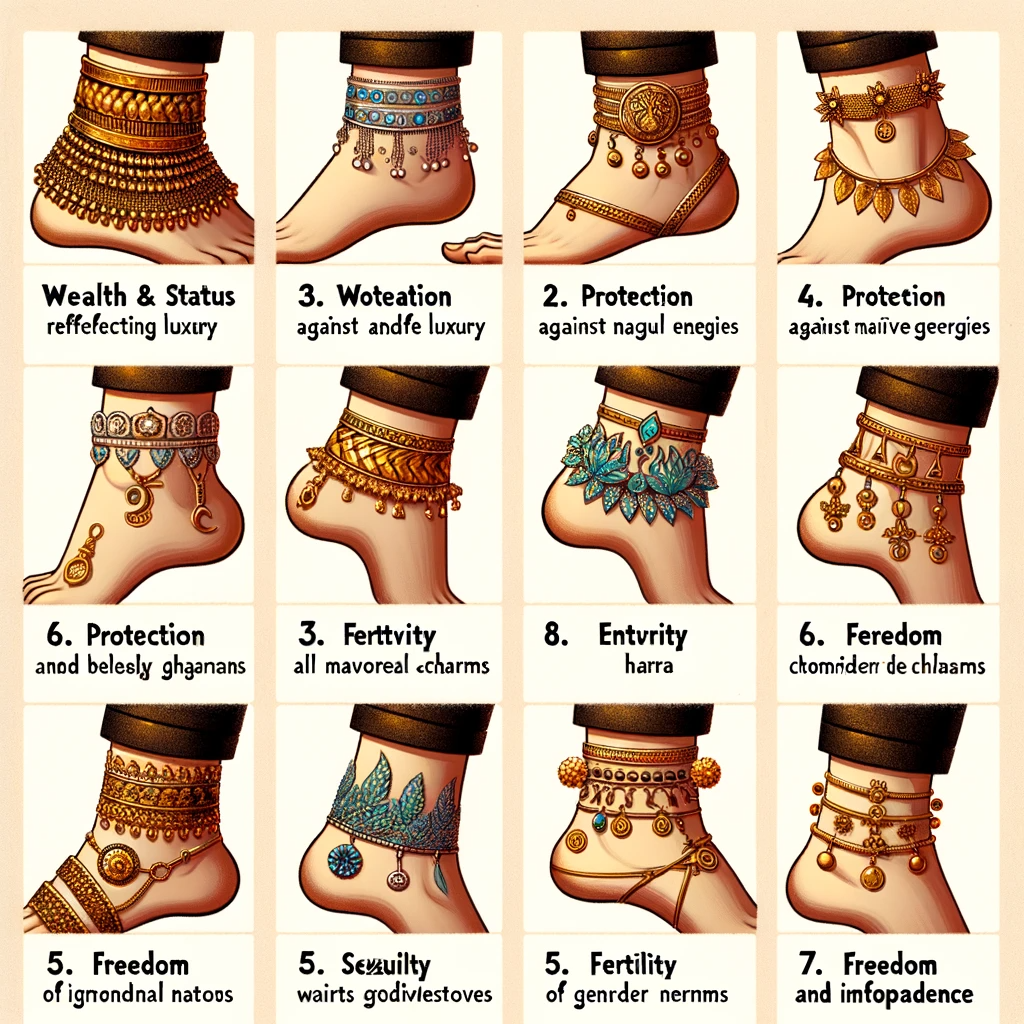
The Semiotics of Accessories in Personal Branding
Personal branding is the intentional effort to create and influence public perception of an individual. In this framework, every aesthetic choice is a strategic decision. Accessories like anklets serve as “micro-signifiers” that communicate an individual’s values, social status, and personality without a single word being spoken.
Signal Theory and the Curated Persona
In the world of personal branding, signal theory suggests that individuals use external cues to communicate unobservable qualities. A sleek, gold-chained anklet signifies a different brand persona than a corded, shell-adorned one. The former signals “refined luxury” and “metropolitan sophistication,” often associated with high-end corporate identity or elite social circles. The latter signals “creative freedom,” “nomadic lifestyle,” and “environmental consciousness.”
For influencers and public figures, these choices are rarely accidental. They are part of a curated visual language designed to attract a specific audience. By incorporating an anklet into their wardrobe, a public figure can soften a formal image or add a layer of “effortless cool” to their brand, bridging the gap between professional authority and relatable human experience.
Cultural Capital and Niche Identification
Anklets also function as tools for niche identification. In branding, a “niche” is a specialized segment of the market for a particular kind of product or service. Similarly, in social branding, wearing an anklet can signify membership in a specific subculture. Whether it is the “wellness-focused yogi,” the “luxury traveler,” or the “vintage enthusiast,” the anklet acts as a badge of belonging. This “brand tribe” mentality is what marketers strive to cultivate, as it fosters deep-seated loyalty and a sense of shared identity among consumers.
Strategic Product Positioning: Moving from Utility to Identity
For jewelry brands and fashion houses, the challenge lies in how to market a product that has no functional utility. Unlike a watch that tells time or a coat that provides warmth, an anklet is purely symbolic. Therefore, the branding must focus entirely on the emotional and aspirational value it provides to the consumer.
Luxury Branding and the “Subtle Status” Narrative
High-end brands like Tiffany & Co., Cartier, and Chanel have mastered the art of “subtle status.” In their branding of anklets, the focus is not on the size of the piece, but on its exclusivity and the craftsmanship it represents. What an anklet signifies in this tier is “understated wealth.”
The marketing narrative here moves away from the foot and toward the lifestyle of the wearer—private yachts, exclusive resorts, and a life of leisure. By positioning the anklet as a “resort wear essential,” luxury brands successfully link the product to the concept of time-wealth. Only those with the leisure time to spend in sun-drenched locales truly “need” an anklet, making the item a potent symbol of a high-net-worth lifestyle.
Lifestyle Branding and the “Bohemian Aesthetic”
On the opposite end of the spectrum, brands like Pura Vida have built multi-million dollar empires by branding anklets as symbols of a “pure life” and social responsibility. Here, the anklet signifies a commitment to artisan craftsmanship, environmental sustainability, and a laid-back, adventurous spirit.
Their strategy involves heavy use of user-generated content (UGC), where the anklet is shown in “real-world” settings—at the beach, on a hike, or at a music festival. This type of branding bypasses traditional high-fashion aspirationalism in favor of “authentic” lifestyle alignment. The signifies shifted from status to values, proving that a brand’s strength lies in its ability to reflect the consumer’s own moral or aesthetic compass.
Rebranding History for the Modern Consumer

One of the most effective strategies in brand management is the “rebranding of tradition.” Anklets have a history spanning thousands of years, from Ancient Egypt to India. Modern brands leverage this historical weight to add a sense of “heritage” and “soul” to their products, even if the brand itself is relatively new.
Leveraging Nostalgia and Heritage
Nostalgia is a powerful marketing tool. By tapping into the 1990s resurgence, many brands have repositioned the anklet as a nostalgic “must-have” for Millennials and Gen Z. This isn’t just about selling jewelry; it’s about selling a feeling of youth and uncomplicated joy.
What the anklet signifies in this context is “trend awareness.” A brand that successfully navigates these cycles shows that it is in tune with the cultural zeitgeist. By referencing historical or vintage styles, a brand builds “cultural equity,” making its products feel timeless rather than trendy. This perception of timelessness is crucial for maintaining long-term brand value and avoiding the “fast fashion” stigma.
The Evolution of Symbolism in Marketing
Historically, anklets in various cultures signified marital status or wealth. Modern brand strategy has largely stripped away these rigid definitions, replacing them with a more fluid, individualistic interpretation. This “democratization of meaning” allows a single brand to appeal to a wider demographic. By not prescribing a single meaning, a brand allows the consumer to “co-create” the significance of the product. This leads to higher engagement and a more personal connection between the brand and the buyer.
Digital Influence and the Visual Language of Branding
In the age of Instagram, TikTok, and Pinterest, the “meaning” of an anklet is often defined by the “aesthetic” it belongs to. Branding today is less about individual products and more about the “total look” or “vibe.”
The Rise of the “Aesthetic” as a Brand Category
In digital marketing, we see the rise of hyper-specific aesthetics like “Clean Girl,” “Coastal Grandmother,” or “Rockstar Girlfriend.” Each of these “brands” uses specific accessories to signal their identity. An anklet in a “Clean Girl” aesthetic signifies minimalism, health, and curated simplicity. In the “Coastal Grandmother” aesthetic, it signifies classic elegance and a high-standard of living.
Brands that understand these digital taxonomies can tailor their SEO and social media strategies to ensure their products appear in the right “aesthetic” searches. By doing so, they ensure that their product is seen not just as a piece of jewelry, but as a necessary component of a larger, aspirational brand identity.
Influencer Partnership and Narrative Control
When a brand partners with an influencer, they are essentially “renting” that person’s brand equity. If a fitness influencer wears a durable, waterproof anklet, the product signifies resilience and an active lifestyle. If a high-fashion model wears a diamond-encrusted anklet on a red carpet, it signifies glamour and peak visibility. The significance of the anklet is redirected through the lens of the influencer’s personal brand, providing the company with instant credibility and a pre-defined narrative.
Future-Proofing the Narrative: Ethics and Innovation
As we move forward, what an anklet signifies is increasingly tied to the ethics of its production. In an era of radical transparency, the “meaning” of a brand is judged by its supply chain as much as its aesthetic.
The “Conscious Consumer” Signifier
For the modern consumer, wearing an anklet from a brand that uses recycled gold or ethically sourced stones signifies “moral alignment.” The accessory becomes a statement of political and social belief. Brands that fail to integrate these values into their identity risk becoming obsolete. Therefore, the future of branding in this space lies in “purpose-driven” narratives. An anklet signifies that the wearer is informed, responsible, and cares about the footprint of their consumption.

Technological Integration in Jewelry Branding
We are also seeing the emergence of “smart jewelry,” where anklets can function as fitness trackers or safety devices. In this tech-forward branding space, the anklet signifies “innovation” and “intelligence.” It moves from being a passive ornament to an active tool for self-improvement or protection. This shift represents the ultimate rebranding: turning a decorative item into a functional necessity, thereby opening up entirely new markets and revenue streams.
Ultimately, the significance of an anklet is a fluid concept, shaped by the hands of expert brand strategists and the evolving desires of the public. Whether it signifies status, rebellion, tradition, or ethics, its power lies in its ability to tell a story. For any brand or individual, mastering that story is the key to creating a lasting and impactful identity in a crowded marketplace.
aViewFromTheCave is a participant in the Amazon Services LLC Associates Program, an affiliate advertising program designed to provide a means for sites to earn advertising fees by advertising and linking to Amazon.com. Amazon, the Amazon logo, AmazonSupply, and the AmazonSupply logo are trademarks of Amazon.com, Inc. or its affiliates. As an Amazon Associate we earn affiliate commissions from qualifying purchases.