
In the competitive landscape of modern marketing and corporate identity, symbols function as a shorthand for complex brand values, heritage, and consumer promises. Among the diverse array of icons utilized by designers and brand strategists, the white owl stands out as a particularly potent archetype. When a brand chooses to be represented by a white owl, it is not merely selecting an aesthetic mascot; it is tapping into a deep-seated psychological framework that balances wisdom, prestige, and a sense of timelessness.
Understanding what a white owl represents requires a deep dive into visual semiotics, the psychology of color, and the historical context of brand positioning. From luxury goods to mass-market heritage products, the white owl serves as a multi-layered tool for building brand equity and establishing a unique market presence.
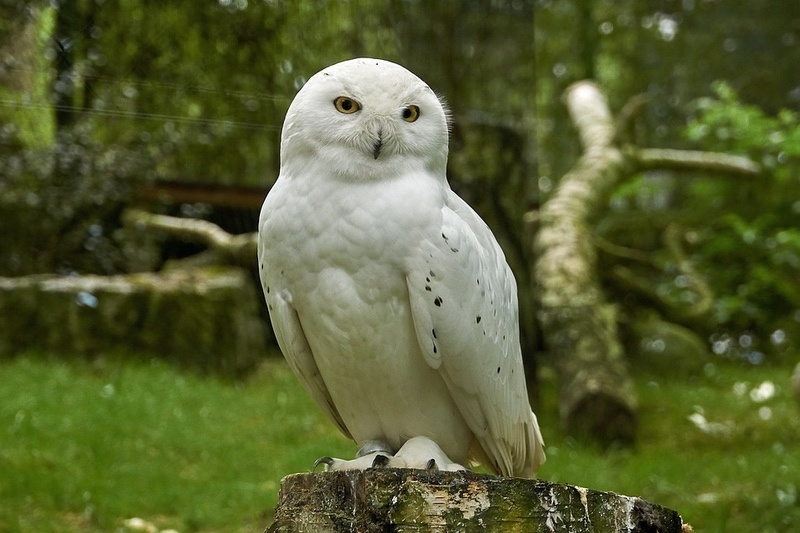
The Psychology of the Owl in Visual Identity
At its core, the owl is a symbol of intelligence, vigilance, and superior vision. In a branding context, these traits translate into a brand that is perceived as an industry leader, a guardian of quality, or an innovator with the “vision” to see what others cannot. However, the specific iteration of the “white” owl adds a layer of exclusivity and purity that traditional brown or grey owls do not possess.
Wisdom and Authority
Historically, the owl has been associated with Athena, the Greek goddess of wisdom. For a brand, this association fosters an immediate sense of authority. When consumers interact with a brand represented by an owl, there is a subconscious assumption that the brand possesses “expert” knowledge. This is particularly effective for consultancy firms, educational platforms, and legacy manufacturing brands that want to emphasize their specialized craft.
Vigilance and Reliability
The owl’s ability to see in the dark represents a brand that is always “on,” protecting the interests of its customers. This makes the symbol a popular choice for security firms, data management companies, and financial oversight organizations. It suggests that while the rest of the world is asleep or unaware, the brand is keeping a watchful eye, ensuring that every detail is managed with precision.
The Mystique of the Nocturnal
Because owls are creatures of the night, they carry an air of mystery and sophistication. Brands that aim for a “premium” or “insider” feel often leverage this nocturnal association to create a sense of exclusivity. It suggests a brand that operates in a space that is not accessible to everyone, catering to a sophisticated audience that appreciates depth and nuance.
Heritage and Longevity: The White Owl Brand Case Study
One cannot discuss the representation of a white owl without referencing the iconic “White Owl” brand itself, primarily known in the tobacco industry. Established in the late 19th century, the White Owl brand provides a masterclass in how a specific visual icon can sustain a brand through shifting social norms and economic cycles.
Consistency as Brand Equity
For over a century, the White Owl brand has maintained its visual anchor. In an era where digital brands undergo “flat design” refreshes every few years, the persistence of the White Owl icon serves as a testament to the power of consistency. By keeping the white owl front and center, the company reinforces its heritage, signaling to the consumer that the product they buy today is backed by the same standards of quality established in 1887.
Navigating Market Shifts
The white owl has allowed the brand to remain recognizable even as its product lineup evolved. Whether the brand was marketing traditional cigars or moving into modern, flavored cigarillos, the owl acted as a stabilizing force. It provided a “trust bridge” for consumers, allowing them to try new products under the umbrella of a familiar and respected icon. This demonstrates a key principle in brand strategy: a strong visual archetype provides the flexibility needed for product diversification without losing the core identity.
Emotional Connection and Nostalgia
The white owl icon has become more than a logo; it is a piece of cultural Americana. For many consumers, the symbol evokes a sense of nostalgia, reminding them of previous generations. In brand strategy, tapping into nostalgia is a high-level tactic that fosters deep brand loyalty. The white owl represents a “constant” in an ever-changing world, providing emotional security to the consumer.
The Intersection of Color Theory and Animal Archetypes
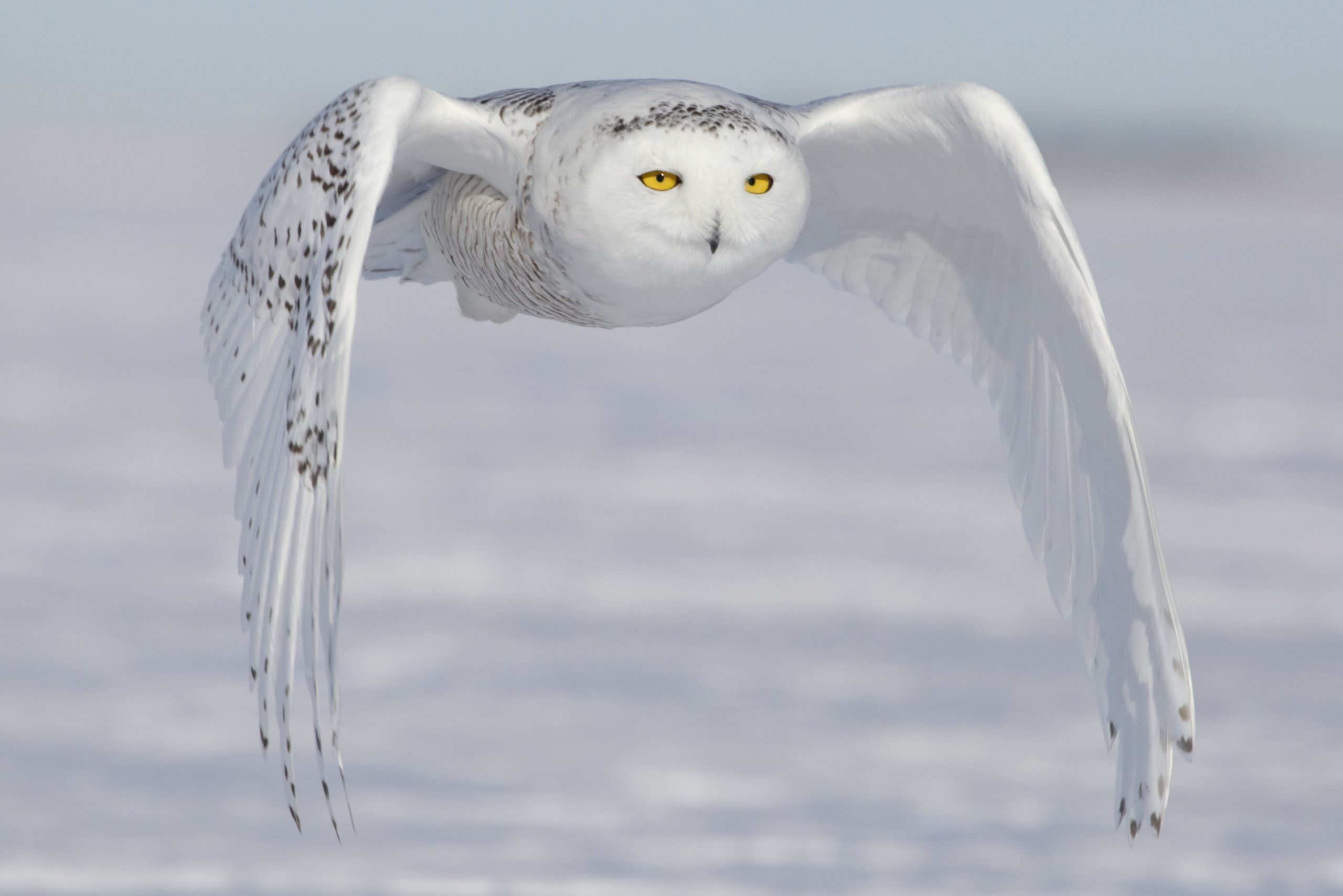
In branding, the “what” (the owl) is just as important as the “how” (the color white). The intersection of these two elements creates a unique brand personality that is distinct from brands using colored or multi-tonal owls.
The Purity of White
In the world of design, white represents purity, clarity, and simplicity. It is the color of a “blank slate,” suggesting a brand that is transparent and honest. When applied to an owl, it softens the predator-like nature of the bird, making it appear more approachable and noble. This is essential for brands that want to appear high-end but not intimidating.
Minimalism and Modernity
The white owl fits perfectly within the modern trend toward minimalism. A white-on-dark or white-on-neutral logo is clean, scalable, and highly legible across digital platforms. Brands like Duolingo use a green owl to represent growth and playfulness, but a brand utilizing a white owl is making a different strategic play: they are positioning themselves as the “standard-bearer.” White signifies a “platinum” or “premium” tier, often used to denote the highest quality within a product range.
Contrast as a Visibility Strategy
From a technical design perspective, a white owl provides maximum contrast against almost any saturated background. This is a strategic advantage in retail environments where shelf-presence is dictated by how quickly a logo can be identified. The white owl cuts through the visual “noise” of multi-colored packaging, drawing the eye directly to the center of the brand’s identity.
Evolution of the Icon: From Print to Digital Identity
The representation of the white owl has had to adapt to the constraints and opportunities of the digital age. Moving from embossed paper and tin signage to high-resolution mobile screens and social media avatars requires a strategic evolution of the symbol’s form.
Simplifying the Form for Scalability
Early versions of white owl icons often featured intricate feather details and realistic anatomical features. Modern brand strategy dictates a move toward “iconography”—simplifying the owl into its most recognizable geometric shapes. By focusing on the distinctive silhouette and the large, piercing eyes, brands ensure that the white owl remains recognizable even as a tiny favicon on a browser tab.
The Owl as a Digital Guide
In the tech and software space, the owl is often used as a “guide” or “tutor.” The white owl, specifically, represents a sophisticated AI or a clean, user-friendly interface. It suggests that the technology is intelligent but also “pure” (uncluttered and secure). This transition from a static product logo to a dynamic digital avatar shows the versatility of the symbol in modern brand storytelling.
Social Media and Brand Personality
The white owl is an excellent candidate for brand “mascotization.” On platforms like Instagram or X (formerly Twitter), a brand can use the white owl icon to voice industry insights, give “wise” advice, or engage in witty commentary. The symbol gives the brand a distinct “voice” that feels authoritative yet slightly detached and observant, which can be highly effective for building a sophisticated social media presence.
Strategic Implementation: Applying the White Owl Philosophy
For a brand manager or business owner, choosing to use a white owl as a representative icon is a commitment to a specific set of values. It is a strategic move that dictates how the brand will communicate with its audience across all touchpoints.
Identifying the Target Audience
The white owl resonates most with consumers who value stability, expertise, and understated luxury. It is less effective for brands targeting a “disruptive” or “rebellious” demographic. Instead, it appeals to the “informed consumer”—the person who does their research and wants to know they are buying from the best in the business.
Integrating the Symbol into the Brand Narrative
The most successful brands don’t just put the owl on the box; they weave the “wisdom” and “vision” of the owl into their copy, their customer service, and their corporate social responsibility (CSR) initiatives. If a brand claims the white owl as its icon, its messaging should reflect a high degree of transparency (the “white” element) and a deep understanding of its field (the “owl” element).

Future-Proofing the Visual Identity
As we move further into an era dominated by AI and automated branding, the human-centric archetypes like the white owl become even more valuable. They provide a “soul” to the brand that algorithms cannot replicate. The white owl represents a bridge between the ancient past and the technological future, making it one of the most resilient symbols in the history of branding and corporate design.
In conclusion, a white owl represents a strategic synthesis of wisdom, purity, and heritage. It is a visual shorthand for a brand that is both an expert in its field and a guardian of quality. Whether it is used to anchor a century-old tobacco legacy or to give a face to a modern financial tool, the white owl remains one of the most effective and prestigious symbols available in the brand strategist’s toolkit. By understanding the psychological and historical weight of this icon, companies can better leverage its power to build lasting, meaningful connections with their audience.
aViewFromTheCave is a participant in the Amazon Services LLC Associates Program, an affiliate advertising program designed to provide a means for sites to earn advertising fees by advertising and linking to Amazon.com. Amazon, the Amazon logo, AmazonSupply, and the AmazonSupply logo are trademarks of Amazon.com, Inc. or its affiliates. As an Amazon Associate we earn affiliate commissions from qualifying purchases.