
The image of a surgical nurse as merely a clinical assistant passing instruments to a surgeon is a relic of the past. In the contemporary medical landscape, the role has undergone a profound digital transformation. Today, a surgical nurse—specifically those specializing as perioperative nurses, scrub nurses, or circulating nurses—functions as a high-level technical orchestrator. They are the primary interface between complex medical technologies and the patient, responsible for managing a sophisticated array of hardware, software, and automated systems that define the modern operating room (OR).
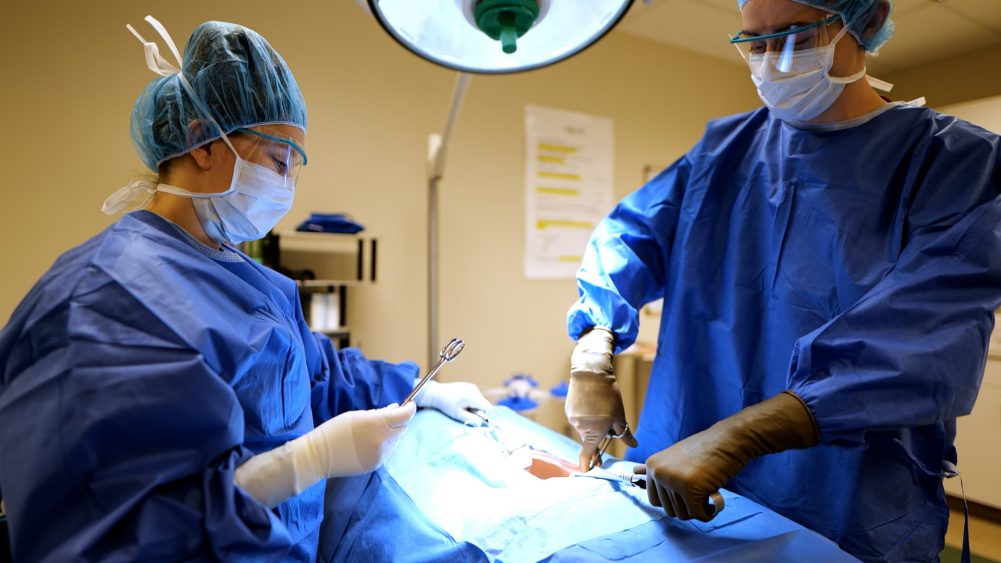
As healthcare continues to integrate with the broader technology sector, the surgical nurse’s responsibilities have expanded into the realms of robotics, data analytics, and digital security. To understand what a surgical nurse does in the 2020s is to understand how human expertise integrates with cutting-edge technological infrastructure to optimize patient outcomes.
The Technological Evolution of Perioperative Care
The modern operating suite is no longer a silent room of manual tools; it is a high-bandwidth data center. The surgical nurse is tasked with managing this tech stack, ensuring that every piece of equipment, from the anesthesia machine to the laparoscopic tower, is calibrated and communicating correctly within the hospital’s network.
From Scalpels to Systems: The Tech Stack of the OR
The primary responsibility of the surgical nurse starts long before the first incision. In a “Smart OR,” nurses must configure integrated systems that control environmental factors, such as laminar airflow, specialized LED lighting arrays, and high-definition video routing. They manage the “Digital Dashboard” of the surgery, which may involve setting up multiple monitors that display real-time vital signs, radiological images (CT scans or MRIs), and endoscopic feeds simultaneously.
Nurses are also responsible for the setup and troubleshooting of electrocautery devices and ultrasonic scalpels. These tools rely on precise electrical frequencies to seal blood vessels or cut tissue, and the nurse must understand the software settings and safety protocols required to prevent electrical interference or thermal injury. This requires a deep technical understanding of how different medical devices interact with one another to prevent system failures during critical moments.
Mastering Electronic Health Records (EHR) and Intraoperative Data
Documentation has moved from paper charts to sophisticated Electronic Health Record (EHR) systems. A surgical nurse, particularly the circulating nurse, acts as a data manager. They are responsible for the real-time entry of intraoperative data, including medication administration, fluid balance, and the precise timing of surgical milestones.
This is more than just clerical work; it is about data integrity. These systems are often integrated with hospital-wide analytics platforms that use the nurse’s input to track resource utilization, predict recovery times, and ensure compliance with regulatory standards. The nurse must navigate complex software interfaces while maintaining a “sterile field,” often using voice-activated systems or specialized touchscreens designed for medical environments.
Managing Robotic-Assisted Surgery and Advanced Instrumentation
One of the most significant shifts in surgical nursing is the rise of robotic-assisted surgery (RAS). Platforms like the Da Vinci or Mako systems have changed the fundamental workflow of the operating room. In these scenarios, the surgical nurse is the human bridge between the surgeon—who may be seated at a console across the room—and the robotic arms interacting with the patient.
The Interface Between Nurse and Machine
In a robotic procedure, the surgical nurse is the primary operator responsible for the “patient-side” hardware. This includes the intricate process of “docking” the robot—positioning the massive robotic arms with millimeter precision to ensure they have the necessary range of motion without colliding. The nurse must be an expert in the mechanical nuances of the system, understanding how to exchange specialized robotic instruments and troubleshoot mechanical errors on the fly.
Furthermore, the nurse manages the vision system of the robot. Modern surgical robots utilize 3D high-definition cameras that require calibration and focus. If the lens fogs or the fiber-optic cable loses integrity, it is the nurse who must rapidly diagnose the technical fault and restore the visual feed, ensuring the surgeon’s “eyes” inside the patient remain clear.

Troubleshooting Hardware and Software in Real-Time
Medical technology is not infallible. Software glitches, connectivity issues between the console and the arms, or hardware malfunctions can occur. A surgical nurse is trained to identify “system fault” codes and execute override protocols. They are the first line of technical support in the OR. If a robotic system experiences a critical failure, the nurse must lead the transition from a robotic approach to a traditional laparoscopic or open surgery, a high-stakes pivot that requires a seamless transition between different sets of technological tools.
Digital Safety and Cybersecurity in the Surgical Suite
As surgical tools become increasingly connected to the Internet of Medical Things (IoMT), the role of the surgical nurse has expanded to include a focus on digital security and patient privacy. The operating room is no longer an isolated island; it is a node on a massive network, making it a potential target for cybersecurity threats.
Protecting Patient Data in a Connected Environment
Every piece of equipment in a modern OR, from the smart infusion pump to the digital imaging system, transmits data. Surgical nurses must be vigilant about the protocols that govern these transmissions. They ensure that patient identifiers are protected within the digital workflow and that only authorized personnel have access to the live feeds of the surgery.
Nurses are also responsible for the “digital hygiene” of the OR. This involves ensuring that portable diagnostic devices and tablets used for surgical checklists are properly encrypted and docked into secure networks. In an era where medical device hijacking is a theoretical and practical concern, the nurse’s role in verifying the integrity of the software updates on surgical equipment is a vital component of patient safety.
The Integration of IoT Devices and Remote Monitoring
Surgical nurses now work with IoT-enabled devices that provide continuous streams of data. Smart sponges and instruments equipped with Radio Frequency Identification (RFID) tags are tracked by digital sensors to ensure no foreign objects are left inside a patient. The nurse manages the scanning systems and the software that reconciles the count at the end of the procedure.
Additionally, many surgeries now involve remote monitoring, where specialists in different locations can view the surgical field or telemetry data in real-time. The surgical nurse manages these remote connections, ensuring that the telepresence software is functioning and that the communication channels remain secure and stable throughout the operation.
The Future of Surgical Nursing: AI, VR, and Augmented Reality
The horizon of surgical nursing is defined by the rapid adoption of Artificial Intelligence (AI) and Virtual Reality (VR). These tools are moving from the experimental phase into daily clinical practice, and surgical nurses are at the forefront of this adoption.
Predictive Analytics and AI-Driven Patient Outcomes
AI algorithms are beginning to assist surgical teams by analyzing real-time data to predict potential complications. For example, AI-integrated anesthesia monitors can alert the team to a high probability of hypotension (low blood pressure) before it even occurs. The surgical nurse must be able to interpret these AI-generated alerts, distinguishing between actionable intelligence and “alarm fatigue.” They act as the final human check on algorithmic recommendations, ensuring that the technology supports rather than dictates clinical decisions.
Training via Virtual Reality and Digital Twins
Technological proficiency is now a core competency in nursing education. Surgical nurses are increasingly using VR to “pre-plan” complex surgeries. By using a patient’s specific imaging data to create a “digital twin,” the surgical team can practice a procedure in a virtual environment. The nurse uses these simulations to anticipate the specific technical needs of a case, such as specialized instruments or unique equipment configurations, effectively “debugging” the surgery before it happens.
As Augmented Reality (AR) makes its way into the OR, nurses may soon use AR headsets to see digital overlays of a patient’s internal anatomy while they assist the surgeon. This would allow for even more precise placement of ports and instruments. The surgical nurse of the future will be a true “techno-clinician,” blending the traditional values of patient care with the mastery of digital systems that are as complex as the biological systems they are designed to treat.
In conclusion, a surgical nurse is a critical component of the hospital’s technological infrastructure. They are the guardians of the digital-surgical interface, ensuring that the vast array of gadgets, software, and robotics in the modern OR function harmoniously to save lives. As technology continues to advance, the surgical nurse will remain the essential human element that makes the high-tech operating room both possible and safe.
aViewFromTheCave is a participant in the Amazon Services LLC Associates Program, an affiliate advertising program designed to provide a means for sites to earn advertising fees by advertising and linking to Amazon.com. Amazon, the Amazon logo, AmazonSupply, and the AmazonSupply logo are trademarks of Amazon.com, Inc. or its affiliates. As an Amazon Associate we earn affiliate commissions from qualifying purchases.