
When users ask, “What’s on Netflix?” they are typically looking for a list of trending titles or new releases. However, from a technological perspective, the answer is far more complex than a simple catalog of digital files. What is actually “on” Netflix is a sophisticated ecosystem of cloud computing, machine learning algorithms, global content delivery networks (CDNs), and advanced video encoding technologies. The platform is not merely a library of content; it is one of the most advanced software-as-a-service (SaaS) infrastructures in existence, managing petabytes of data to deliver seamless experiences to over 260 million subscribers worldwide.
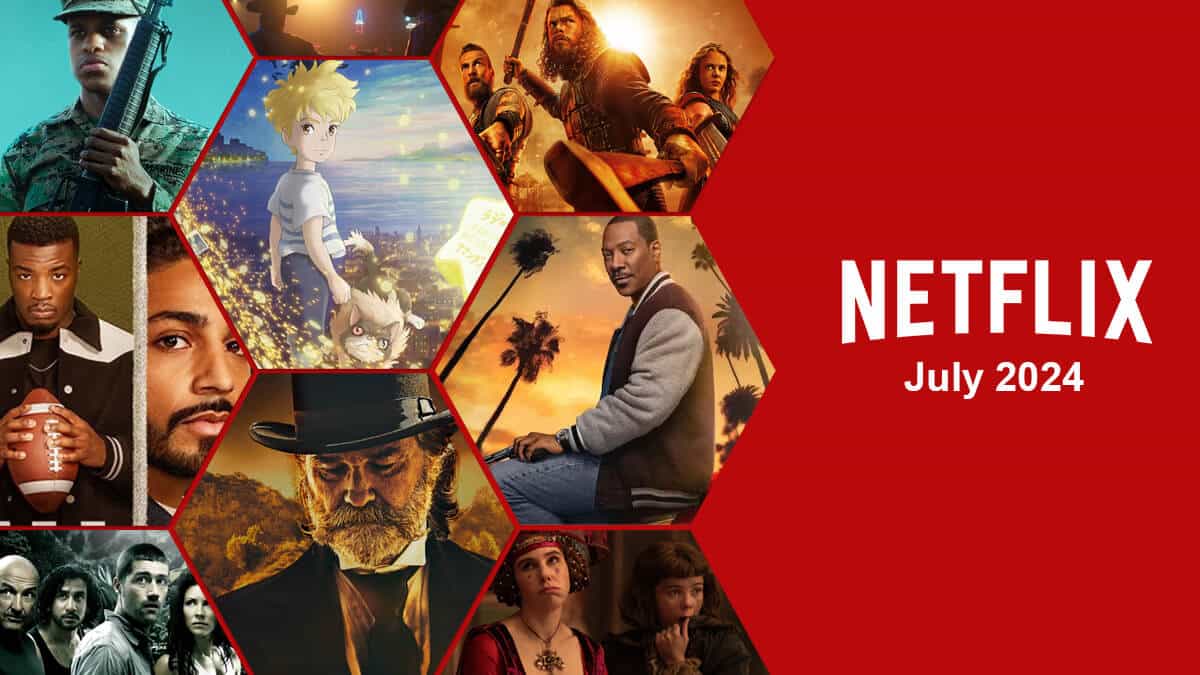
To understand the tech stack behind the “Netflix” experience, we must look beyond the user interface and into the backend innovations that allow the platform to function without lag, even on low-bandwidth connections, and how it anticipates user desires with uncanny accuracy.
The Recommendation Engine: How AI and Machine Learning Curate Your Feed
The primary reason Netflix remains the dominant force in streaming is its hyper-personalized recommendation engine. Approximately 80% of what people watch on Netflix is discovered through the platform’s automated recommendation system. This is not a simple “if you liked this, you might like that” logic; it is a multi-layered machine learning architecture.
Collaborative Filtering and Multi-Armed Bandits
At the core of the recommendation system is collaborative filtering. This algorithm analyzes the viewing habits of millions of users to find patterns. If User A and User B have similar viewing histories, the system will recommend content that User B has watched to User A, and vice versa. However, Netflix goes deeper by utilizing “Multi-Armed Bandit” algorithms. These algorithms allow the platform to constantly test new content against user preferences in real-time, balancing “exploration” (showing the user something entirely new) with “exploitation” (showing the user something they are guaranteed to like).
The Science of Visual Bait: Artwork Personalization
One of the most fascinating tech applications on Netflix is the personalization of thumbnail images. Two users looking at the same movie title may see completely different posters. If a user frequently watches romantic comedies, the algorithm might show a thumbnail of the lead actors in an intimate moment. If that same user has a preference for action, the thumbnail might feature a high-octane chase scene from the same film. By using aesthetic visual analysis and deep learning, Netflix maximizes the probability of a “click” based on a user’s visual triggers.
The Infrastructure of Speed: Open Connect and Edge Computing
Delivering high-definition and 4K video content to millions of concurrent viewers requires more than just a powerful server. To prevent buffering and reduce latency, Netflix built its own custom Content Delivery Network (CDN) called Open Connect.
Global Content Delivery Networks (CDNs)
While many tech companies rely on third-party CDNs like Akamai or Cloudflare, Netflix invested in its own hardware. The company provides “Open Connect Appliances” (red boxes filled with hard drives and flash memory) to Internet Service Providers (ISPs) around the world for free. By placing these servers directly inside the ISP’s data centers, the content is physically closer to the user. When you press “play,” the data often travels only a few miles from a local exchange rather than across an ocean, drastically reducing transit costs and improving load times.
Adaptive Bitrate Streaming and the Netflix Tech Stack
Netflix uses Adaptive Bitrate (ABR) streaming to ensure that the video never stops, even if the user’s internet speed fluctuates. The technology works by slicing a video file into small chunks of a few seconds each. Each chunk is encoded at multiple quality levels (from 240p to 4K). The Netflix app on your device constantly monitors your bandwidth. If your connection slows down, the player automatically requests the next “chunk” at a lower resolution to prevent a “buffering” wheel. This seamless transition is managed by complex client-side logic that balances buffer health with visual fidelity.
Next-Gen Streaming: Video Encoding and Spatial Audio

The “What’s on Netflix” question also involves the sheer efficiency of the data being transmitted. As mobile usage grows, Netflix has had to innovate in video compression to deliver high quality using minimal data.
Efficiency in Video Encoding (AV1 and VMAF)
Netflix was an early adopter of the AV1 codec, a high-efficiency video coding format that provides 30% better compression than previous standards. This allows for 4K streaming at lower bitrates, making high-quality video accessible even in regions with limited infrastructure.
Furthermore, Netflix developed VMAF (Video Multimethod Assessment Fusion), an open-source tool that uses machine learning to predict how a human would perceive video quality. Instead of using a one-size-fits-all encoding approach, Netflix uses “per-shot encoding.” An action scene with lots of movement requires a higher bitrate to look good, while a scene of a static landscape can be compressed much more aggressively. By analyzing each shot, Netflix optimizes the file size without sacrificing the viewer’s experience.
Enhancing the Immersive Experience with Spatial Audio
To bridge the gap between home viewing and the cinema, Netflix has integrated advanced audio technologies like Dolby Atmos and Sennheiser AMBEO Spatial Audio. For users without a surround-sound setup, spatial audio technology uses digital signal processing to simulate a 3D soundstage through standard stereo speakers or headphones. This software-driven approach to hardware limitations ensures that the “tech” of Netflix remains premium regardless of the user’s specific gadgetry.
Security and Digital Rights Management (DRM)
A significant portion of the technology “on” Netflix is dedicated to the protection of intellectual property. Because Netflix hosts high-value proprietary content, it must employ rigorous Digital Rights Management (DRM) to prevent piracy and unauthorized distribution.
Protecting Intellectual Property at Scale
Netflix utilizes multiple DRM systems, including Google’s Widevine, Apple’s FairPlay, and Microsoft’s PlayReady. These systems ensure that the video stream is encrypted from the server to the user’s device screen. The decryption keys are handled within a “Trusted Execution Environment” (TEE) on the hardware level of the device, making it incredibly difficult for software-based screen recorders to capture the content.
Account Integrity and Device Authentication
Beyond content protection, Netflix uses sophisticated security protocols to manage account integrity. This includes geofencing via IP analysis and device fingerprinting to ensure that users are accessing the service within the terms of their subscription. The transition toward stricter household sharing rules has necessitated an even more robust backend system that can distinguish between a user traveling with a mobile device and an unauthorized user accessing an account from a different primary location.
The Future of Netflix Tech: Interactive Media and Cloud Gaming
As the platform evolves, the definition of “what’s on” is shifting from passive video to interactive experiences and software-based entertainment.
Beyond Linear Video: Branching Narratives
With titles like Black Mirror: Bandersnatch, Netflix introduced a complex state-tracking engine. Unlike traditional video, interactive content requires the player to remember the choices a user has made and pre-cache the next possible video segments in the background. This creates a “seamless” transition between choice points, requiring a specialized API that can handle non-linear video delivery without a single frame of lag.
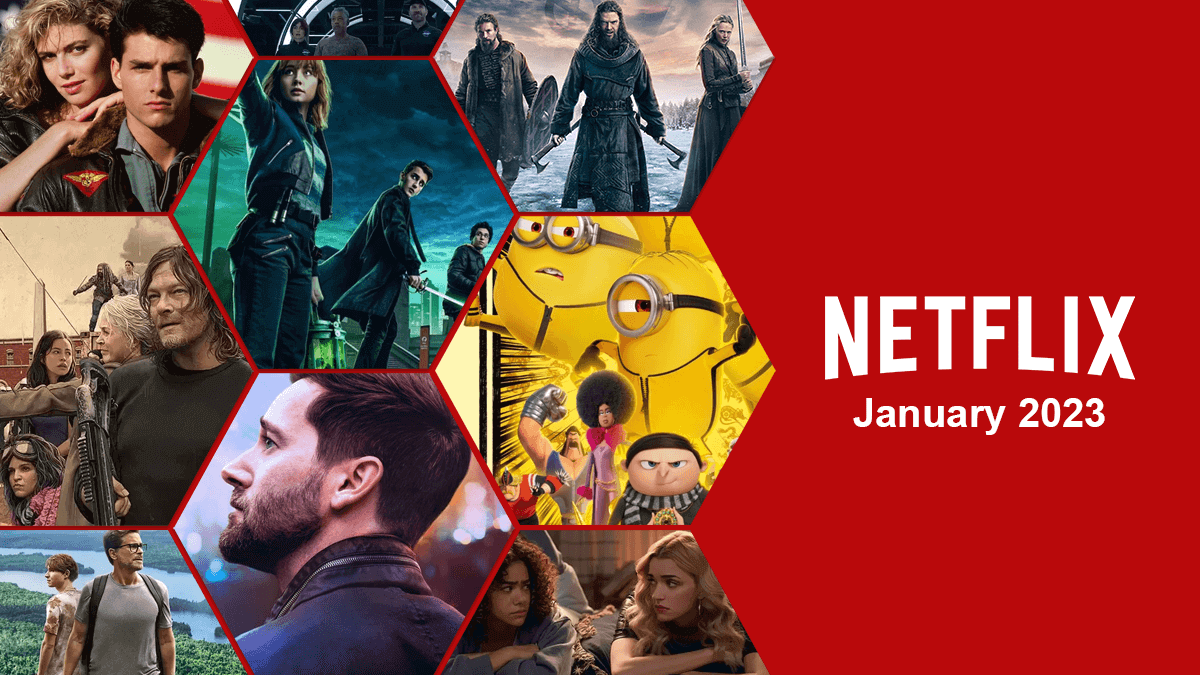
Netflix Games: The Convergence of Software and Entertainment
Netflix’s expansion into mobile gaming represents a significant shift in its tech stack. By integrating a gaming library into the streaming app, Netflix is leveraging its cloud infrastructure to manage game licensing and user data. While most current games are downloaded to the device, the integration of cloud-save synchronization and the potential for future cloud-streaming of high-end games suggests that Netflix is positioning itself as a direct competitor to specialized gaming platforms. This move transforms the Netflix app into a comprehensive entertainment portal that balances high-concurrency video delivery with low-latency interactive software.
In conclusion, “What’s on Netflix” is a testament to the power of modern software engineering. It is a harmonious blend of artificial intelligence, global hardware distribution, and cutting-edge compression science. Every time a user scrolls through their feed, they are interacting with billions of lines of code designed to make the transition from “searching” to “watching” as frictionless as possible. The tech behind the scenes is what makes Netflix not just a media company, but a premier technology innovator in the digital age.
aViewFromTheCave is a participant in the Amazon Services LLC Associates Program, an affiliate advertising program designed to provide a means for sites to earn advertising fees by advertising and linking to Amazon.com. Amazon, the Amazon logo, AmazonSupply, and the AmazonSupply logo are trademarks of Amazon.com, Inc. or its affiliates. As an Amazon Associate we earn affiliate commissions from qualifying purchases.