
In the world of corporate identity and market positioning, every major organization eventually faces a moment of reckoning where its brand no longer resonates with its target audience as effectively as it once did. For the Democratic Party, that moment is now. Branding in the political sphere is not merely about logos and color palettes; it is about the emotional architecture of a movement and the clarity of a value proposition. As the party looks toward the future, the primary challenge is not just a policy shift, but a comprehensive brand overhaul designed to navigate an increasingly fragmented and skeptical marketplace.

To understand what is next for the Democratic brand, we must view the organization through the lens of a “Big Tent” corporation that has seen its market share fluctuate due to inconsistent messaging and a lack of a cohesive narrative. The path forward requires a focus on brand consistency, personal branding integration, and a radical simplification of the core value proposition.
The Brand Audit: Identifying the Identity Gap
Before any successful rebranding can occur, a rigorous brand audit is necessary. Currently, the Democratic brand suffers from what marketers call “brand dilution.” By attempting to be everything to everyone, the party has inadvertently weakened its primary brand associations.
Perception vs. Reality in Market Positioning
The Democratic brand is often perceived through the lens of its most vocal sub-brands rather than its central corporate identity. In marketing terms, this is a failure of “brand architecture.” When the public cannot distinguish between the core platform and the specialized interests of various wings, the message becomes cluttered. The next phase for Democrats involves reclaiming the “Master Brand”—the overarching narrative that ties disparate policy goals into a single, digestible story. This requires moving away from a laundry list of features (policies) and toward a focus on benefits (the impact on the consumer’s life).
The Challenge of the Multi-Generational Demographic
One of the most complex aspects of the Democratic brand is its multi-generational target audience. From Gen Z digital natives to Boomer loyalists, the brand must speak several different “languages” simultaneously. In corporate branding, this is handled through sophisticated segmentation. The future of the Democratic brand lies in its ability to deploy a “Global Message” with “Local Execution.” This means maintaining a unified national brand equity while allowing for regional variations that feel authentic to specific local markets without contradicting the core brand values.
Re-establishing the Core Value Proposition
In a competitive landscape, the most successful brands are those that own a specific emotional space in the consumer’s mind. For Democrats, the “What’s Next” involves a return to a purpose-driven brand strategy that emphasizes stability, progress, and economic advocacy.
Defining the “North Star” Narrative
Every successful brand has a North Star—a singular guiding principle. For decades, the Democratic brand was synonymous with the “middle class.” However, as the economic landscape has shifted, that terminology has lost some of its potency. The next strategic move is to redefine this value proposition for the gig economy and the post-industrial age. By positioning the brand as the “Architect of Modern Opportunity,” the party can move away from defensive posturing and toward a proactive, aspirational identity. This shifts the brand from being a “safety net” to being a “launchpad.”
Moving Beyond Reactivity
A common pitfall in brand strategy is being “reactive” rather than “innovative.” For several cycles, the Democratic brand has been defined largely in opposition to its competitors. In the world of branding, being “The Alternative” is a weak position; being “The Choice” is where the power lies. What’s next for the Democratic brand is a pivot toward an affirmative identity. This involves building a brand that stands for a specific vision of the future, regardless of what the competition is doing. This proactive stance builds brand equity that is resilient to the news cycle.
The Power of Simplified Messaging
If a brand’s message takes more than thirty seconds to explain, it has already lost the consumer. The Democratic party has historically struggled with “over-engineered” messaging. The future requires a “Brand Simplification Project.” This means distilling complex legislative goals into three to five core pillars that are repeated across every touchpoint. Consistency is the bedrock of trust, and for a brand to be trusted, it must be predictable.
Visual and Digital Identity in the Age of Personalization
The way a brand looks and interacts in digital spaces is often the first point of contact for a new consumer. The Democratic brand must modernize its visual and digital strategy to compete with the high-velocity content of the modern era.

Leveraging the Power of Personal Sub-Brands
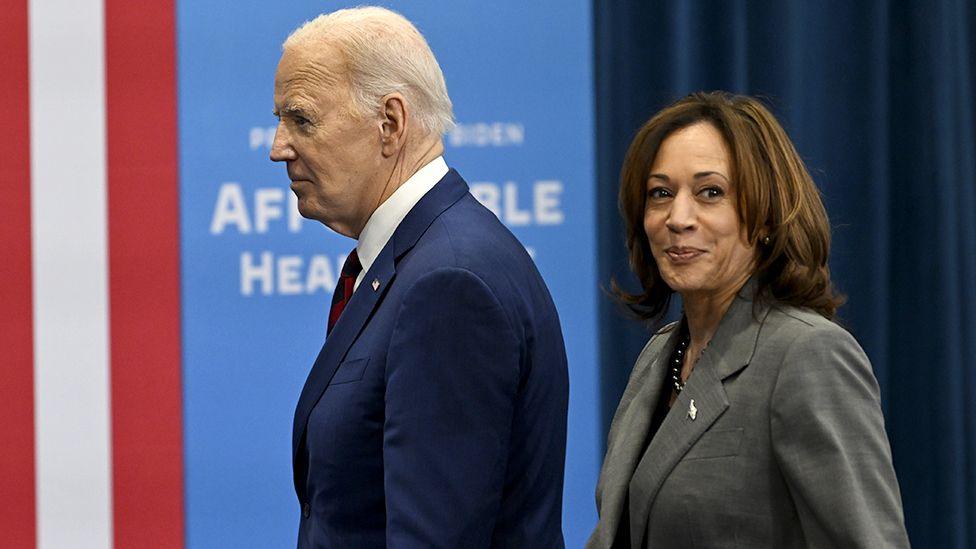
In the modern market, “Personal Branding” often carries more weight than institutional branding. We see this in the corporate world where CEOs like Elon Musk or Steve Jobs often overshadow their companies. The Democratic brand must learn to effectively manage its “portfolio” of personal brands—its high-profile leaders and rising stars. The strategy should involve using these individual influencers to reach niche demographics while ensuring they remain “on-brand” with the party’s central values. This creates a decentralized but unified brand ecosystem.
Creating a Consistent Design System
Visual identity is more than just the color blue. It is about typography, imagery, and the “feel” of the brand across platforms. The next step for Democrats is the development of a universal design system that can be adapted by local candidates while maintaining a professional, high-authority aesthetic. This “franchise model” of branding ensures that whether a consumer sees an ad in rural Pennsylvania or a social media post in Los Angeles, the visual cues immediately signal the “Democratic” brand, building cumulative brand recognition.
Content Strategy and the Digital Ecosystem
In the attention economy, the brand that tells the best story wins. The Democratic brand needs to move away from traditional “broadcast” marketing and toward “community” marketing. This involves creating digital spaces where the brand is not just talking at the audience, but engaging with them. By utilizing data-driven insights to deliver personalized content, the brand can move potential voters through the “marketing funnel” from awareness to consideration to “brand advocacy.”
Market Segmentation and the “Voter-Consumer” Experience
The future of branding lies in understanding the psychographics of the audience—not just where they live or how much they make, but what they believe and what they fear.
Transitioning from Demographics to Psychographics
Traditional political branding relies heavily on demographics (age, race, gender). However, modern brand strategy focuses on psychographics (values, lifestyle, personality). What’s next for Democrats is a sophisticated mapping of the “voter-consumer” journey. By identifying the shared values that cross demographic lines—such as a desire for agency, a need for security, or a passion for innovation—the brand can create “Value Clusters” that resonate more deeply than broad demographic appeals.
Trust as a Brand Asset
In a marketplace characterized by “brand fatigue” and skepticism, trust is the most valuable currency. The Democratic brand must focus on “Brand Accountability.” This means following through on brand promises and being transparent about the process. In the corporate world, brands that admit mistakes and show a path forward often gain more loyalty than those that claim perfection. Embracing a brand identity rooted in “Authentic Progress” allows for the flexibility to evolve while maintaining the core trust of the audience.
Relationship Management and Retention
It is five times more expensive to acquire a new customer than to keep an existing one. The Democratic brand has often focused heavily on “acquisition” (voter turnout) during peak seasons while neglecting “retention” (ongoing engagement). The next phase involves a year-round “Customer Relationship Management” (CRM) approach. By maintaining a constant, value-add presence in the lives of their audience, the brand ensures that it is top-of-mind not just during election cycles, but as a permanent fixture of the consumer’s identity.
Measuring Brand Equity and Long-Term Sustainability
The final component of the Democratic rebranding strategy is the implementation of metrics to measure success beyond just the “bottom line” of election results.
Key Performance Indicators for the Brand
To understand what’s next, the party must track “Brand Sentiment” and “Net Promoter Scores” (NPS) among different segments. Are people proud to associate with the brand? Does the brand represent a “Badge Identity” for its supporters? By monitoring these indicators, the brand can pivot its messaging in real-time to address emerging concerns or capitalize on new opportunities.
Future-Proofing the Narrative
A brand that does not evolve eventually becomes a legacy brand—one that is remembered fondly but no longer used. To avoid this, the Democratic brand must stay ahead of cultural trends. This involves “Future-Sensing,” or identifying the next wave of economic and social shifts before they hit the mainstream. By positioning the brand as the “Navigator of the Future,” Democrats can ensure their brand remains relevant for decades to come.
The Iterative Messaging Model
The modern brand is never “finished.” It is a living, breathing entity that must be constantly refined. What’s next for Democrats is a move toward an “Agile Branding” model. This involves testing messages in small “beta” markets, gathering data on their effectiveness, and then scaling the successful narratives to the national level. This iterative process reduces the risk of brand failure and ensures that the message is always optimized for the current market conditions.
In conclusion, the evolution of the Democratic brand is a task of strategic architecture. By auditing the current identity, clarifying the value proposition, modernizing the visual and digital presence, and deepening the relationship with the voter-consumer, the party can transition from a fragmented entity into a powerhouse modern brand. The future belongs to those who can tell a clear, compelling story that people want to be a part of. For Democrats, the “What’s Next” is a journey from being a political party to becoming an aspirational brand for the 21st century.
aViewFromTheCave is a participant in the Amazon Services LLC Associates Program, an affiliate advertising program designed to provide a means for sites to earn advertising fees by advertising and linking to Amazon.com. Amazon, the Amazon logo, AmazonSupply, and the AmazonSupply logo are trademarks of Amazon.com, Inc. or its affiliates. As an Amazon Associate we earn affiliate commissions from qualifying purchases.