
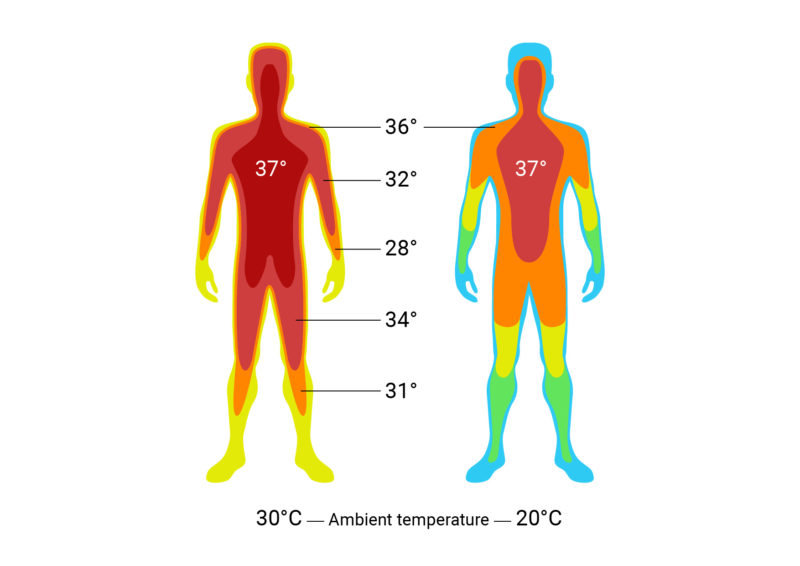
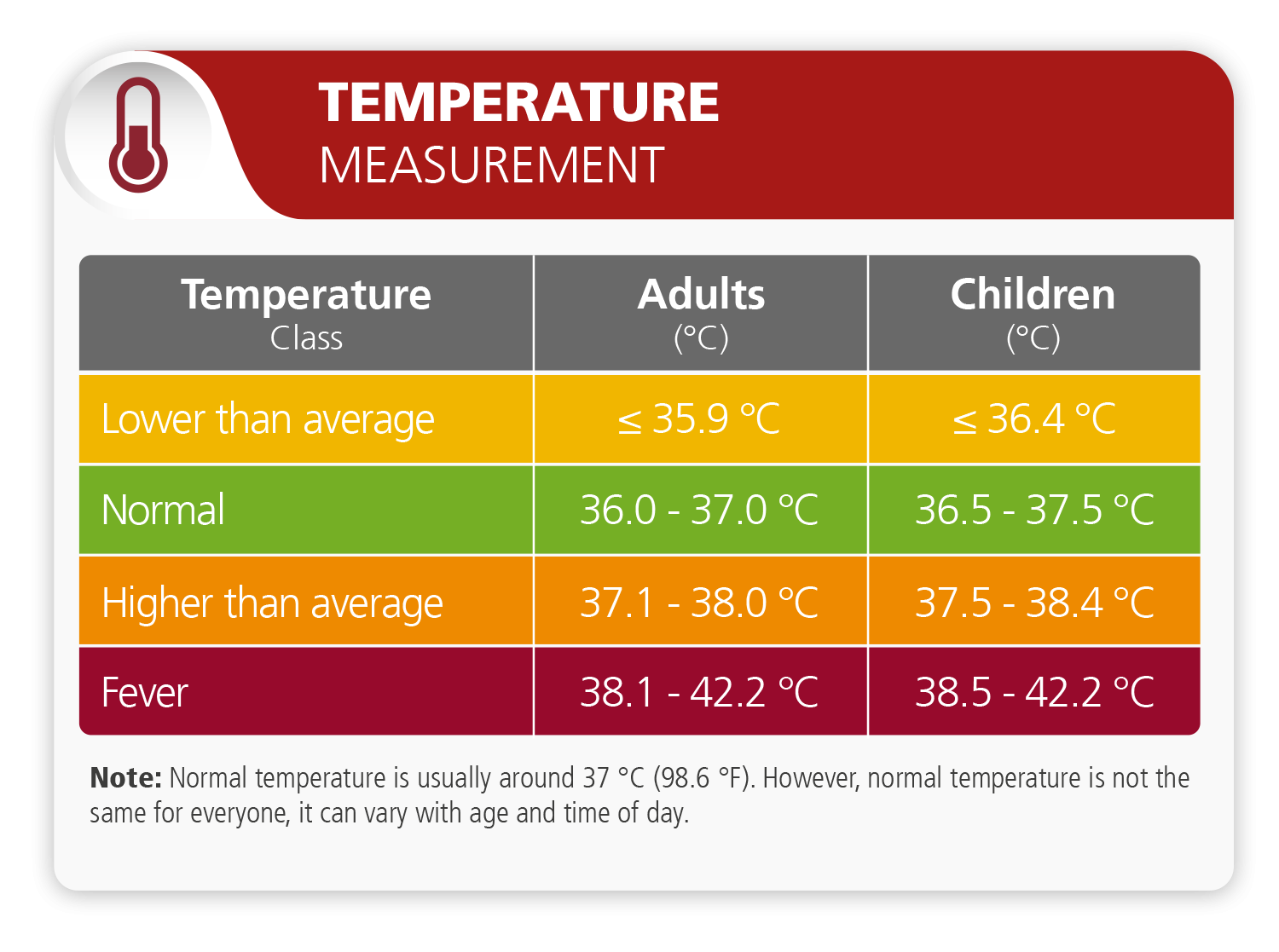
For over a century, the standard answer to “what’s human body temperature” was a definitive 98.6°F (37°C). Established by Carl Wunderlich in 1851, this figure served as the benchmark for clinical health. However, in the modern era, technology has not only challenged the accuracy of this static number but has fundamentally redefined how we measure, interpret, and utilize thermal data. In the landscape of technology trends, “body temperature” is no longer just a biological metric; it is a critical data stream integrated into the Internet of Things (IoT), wearable ecosystems, and predictive AI modeling.
Today, the question of human body temperature is answered through high-precision sensors, cloud-based analytics, and biometric security protocols. As we move away from the traditional mercury thermometer and toward continuous, real-time monitoring, we are seeing a convergence of medical science and hardware engineering that transforms the human body into a high-fidelity data source.
The Digital Transformation of Vital Signs
The evolution of temperature measurement represents a significant shift from reactive diagnostics to proactive monitoring. Historically, measuring temperature was a “snapshot” activity—something done only when a person felt symptomatic. Tech-driven health monitoring has shifted this paradigm toward a “continuous flow” model.
From Mercury to Infrared and Beyond
The transition from analog to digital began with the digital thermistor, but the real breakthrough in consumer tech arrived with non-contact infrared (NCIR) sensors. During the global health crises of the last few years, NCIR technology became a staple of public digital security and screening. These sensors work by measuring the infrared energy emitted by the body and converting it into an electrical signal. In a tech context, the focus has shifted toward the miniaturization of these components. Modern smartphones and smartwatches now integrate specialized thermal sensors that can detect minute fluctuations in skin temperature, filtering out environmental noise through sophisticated software algorithms.
The Wearable Revolution
Wearables like the Oura Ring, Whoop strap, and Apple Watch Series 8 and later have integrated temperature sensing as a core feature. Unlike a clinical thermometer that measures internal core temperature (oral or rectal), these gadgets measure “skin temperature” at the wrist or finger. The tech challenge here lies in the “baselining” algorithm. Because skin temperature fluctuates based on ambient room temperature, exercise, or even sleep cycles, the software must establish a personal “thermal baseline” for the user. In the tech industry, this is known as “deviation modeling.” Instead of telling a user they are exactly 98.6°F, the app reports that they are “1.2 degrees above their baseline,” providing a much more accurate picture of their physiological state than a single static measurement could.
AI and the Prediction of Physiological Shifts
The true power of modern temperature tracking lies not in the hardware alone, but in the Artificial Intelligence and Machine Learning (ML) layers that process the data. Temperature is a lagging indicator in medical terms, but in the world of big data, it serves as a predictive input for various health and performance outcomes.
Machine Learning in Symptom Detection
Software developers are increasingly using ML models to identify “thermal signatures” associated with specific conditions. For example, AI can analyze weeks of continuous temperature data to identify the subtle “thermal peak” that occurs during a female user’s ovulation or the early inflammatory response preceding a viral infection. By training algorithms on millions of anonymous data points, tech companies are creating software that can alert a user to a potential illness up to 48 hours before they feel their first symptom. This is the “predictive maintenance” of the human body, borrowing a concept from industrial IoT and applying it to personal health.
Continuous Monitoring vs. Snapshot Data
The limitation of the “98.6°F” standard was its failure to account for circadian rhythms. In a tech-driven approach, software tracks the natural “dip” in body temperature during the REM cycle and the rise during the afternoon. This continuous data stream allows for the creation of a “Digital Twin”—a virtual model of a user’s healthy physiological state. When the real-time data deviates from the Digital Twin, the system triggers a notification. This shift from “snapshot” data to “trend” data is the hallmark of the current HealthTech era, moving the needle from simple gadgets to sophisticated diagnostic tools.
The Gadget Landscape: Leading Tools for Thermal Tracking

The consumer electronics market is currently saturated with devices claiming to track body temperature. However, the tech community distinguishes these tools based on their sensor accuracy, data integration capabilities, and the robustness of their companion apps.
Smart Rings and the Power of Miniaturization
Smart rings represent a feat of engineering, packing NTC (Negative Temperature Coefficient) thermistors into a form factor no larger than a standard wedding band. These sensors are positioned against the digital arteries of the finger, where blood flow is close to the surface. The technology here is particularly effective for sleep tracking. Because the finger is less susceptible to “arm swing” and ambient air cooling than the wrist, rings are often cited in tech reviews as having higher fidelity for basal body temperature (BBT) tracking.
Medical-Grade Consumer Tech
There is a growing sub-sector of “Prosumer” health tech—devices that bridge the gap between a toy and a clinical tool. We are seeing the rise of smart patches and FDA-cleared wearables that offer medical-grade accuracy. These devices often use “heat flux” sensors, which measure the flow of heat from the body to the environment. By calculating the difference between skin temperature and ambient temperature, the software can estimate core body temperature with a high degree of precision. For the tech-savvy consumer, the value lies in the API integrations, allowing this data to be exported to other platforms like MyFitnessPal, TrainingPeaks, or even a physician’s dashboard.
Data Privacy and the Biometric Frontier
As body temperature becomes a digital data point, it enters the complex realm of digital security and data privacy. Biometric data is among the most sensitive information an individual can generate, and the tech industry is currently navigating the ethics of how this data is stored and used.
Security Challenges in Health Apps
When a wearable tracks your temperature, that data is typically synced to the cloud. The security of this “data in transit” and “data at rest” is paramount. Leading tech firms are employing end-to-end encryption and anonymization techniques to ensure that a user’s thermal profile cannot be tied back to their legal identity in the event of a breach. However, as temperature data becomes more predictive—capable of identifying pregnancy or chronic illness—the stakes for digital security rise. The tech community is currently debating the implementation of “on-device processing,” where the AI analysis happens locally on the watch or phone rather than in the cloud, minimizing the footprint of sensitive biometric data.
The Ethics of Bio-Data
Beyond security, there is an emerging discussion regarding the “ownership” of biometric data. If a workplace uses thermal scanning tech to monitor employee health, who owns that data? Does the “human body temperature” reading belong to the individual or the corporation providing the hardware? We are seeing a push for decentralized data models, possibly utilizing blockchain technology, to give users sovereign control over their thermal and biometric history. This represents the next frontier of digital rights in the age of persistent biological monitoring.
Future Trends: Beyond the Thermometer
The future of temperature technology is moving toward even deeper integration, where the boundary between the human body and digital interface blurs.
Subcutaneous Sensors and Digital Twins
The next logical step in the tech roadmap is the transition from “wearable” to “nearable” or “implantable.” Researchers are developing subcutaneous biosensors—microscopic chips injected under the skin—that can provide a permanent, 24/7 stream of core temperature data. These sensors would communicate via Near Field Communication (NFC) with a smartphone. This would eliminate the noise associated with skin temperature and provide the ultimate data set for a person’s Digital Twin, allowing for unprecedented levels of personalized medicine.
Smart Environments and Biometric Feedback Loops
We are also approaching the era of the “Biometric Smart Home.” Through Matter and other smart home protocols, your wearable could communicate directly with your thermostat. If your body temperature rises during sleep, the AI-driven HVAC system could automatically lower the room temperature to optimize your recovery. In this scenario, “human body temperature” becomes a control signal for the environment, creating a seamless feedback loop between the human biology and the technological ecosystem.
Ultimately, “what’s human body temperature” is no longer a question with a single numeric answer. In the tech world, it is a dynamic, multi-dimensional data point that reflects our health, predicts our future wellness, and integrates us more deeply into the digital fabric of the modern world. As sensors become more accurate and AI becomes more intuitive, our thermal profile will remain one of the most vital metrics in the ongoing digital transformation of humanity.
aViewFromTheCave is a participant in the Amazon Services LLC Associates Program, an affiliate advertising program designed to provide a means for sites to earn advertising fees by advertising and linking to Amazon.com. Amazon, the Amazon logo, AmazonSupply, and the AmazonSupply logo are trademarks of Amazon.com, Inc. or its affiliates. As an Amazon Associate we earn affiliate commissions from qualifying purchases.