
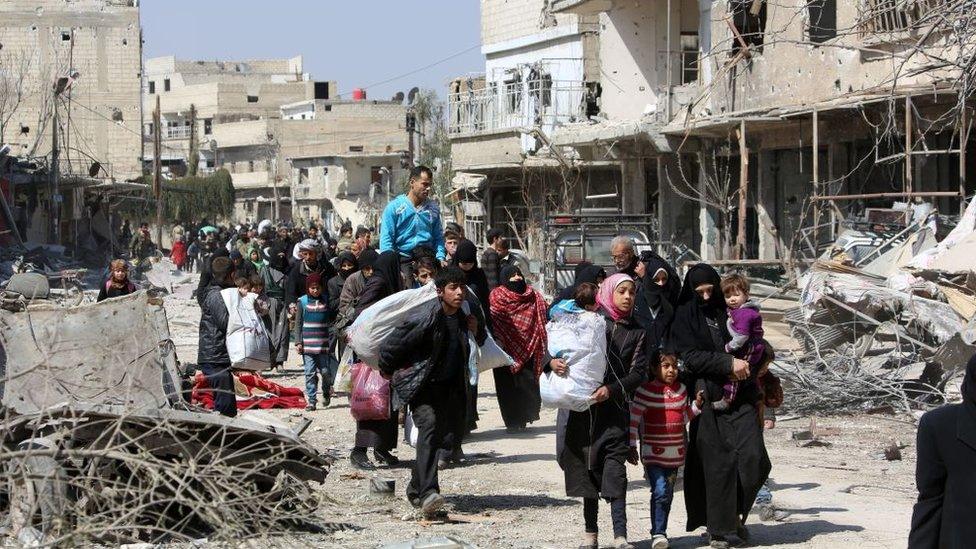
To understand what is happening with Syria right now, one must look past the geopolitical headlines and examine the intricate, often fractured financial landscape that defines the nation’s survival. While conflict dominated the narrative for over a decade, the current crisis is fundamentally economic. Syria is navigating a period of unprecedented monetary instability, characterized by hyperinflation, a thriving shadow economy, and a desperate search for financial viability amidst a web of international sanctions. For investors, analysts, and those following global business finance, the Syrian situation represents a case study in “war economy” dynamics and the resilience of informal financial systems.
The Macroeconomic Landscape: A Study in Hyperinflation
The primary driver of daily life and business strategy in Syria today is the catastrophic devaluation of the Syrian Pound (SYP). The currency has transitioned from a stable medium of exchange to a volatile asset that loses value almost weekly. This has fundamentally altered how personal finance and business operations are conducted within the country.
The Collapse of the Syrian Pound (SYP)
At the start of the conflict in 2011, the exchange rate stood at approximately 47 SYP to the US dollar. Today, the rate fluctuates wildly, often exceeding 14,000 or 15,000 SYP to the dollar on the black market. This depreciation is not merely a number; it represents the total erosion of purchasing power for the average citizen and the destruction of corporate balance sheets. For businesses still operating, traditional accounting has become nearly impossible. Inventory purchased today may cost more to replace tomorrow than the total revenue generated from its sale, leading to a “liquidity trap” where businesses are forced to choose between halting operations or operating at a continuous loss.
Policy Failures and Monetary Instability
The Central Bank of Syria has attempted various interventions to stabilize the currency, including multiple official exchange rates for different sectors—such as one for government transactions, one for remittances, and one for essential imports. However, these fragmented tiers have created massive opportunities for arbitrage and corruption, further draining the state’s foreign exchange reserves. For the individual, this means that holding cash is a liability. The movement toward “dollarization”—where the US dollar becomes the de facto currency for high-value transactions like real estate, vehicles, and electronics—is now a permanent fixture of the economy, despite government efforts to criminalize the use of foreign currency in domestic trade.
Navigating International Sanctions and Financial Compliance
A significant portion of “what’s going on” in Syria involves the complex interplay between local business and international law. The Syrian financial sector is largely decoupled from the global banking system, primarily due to the comprehensive sanctions regimes imposed by the United States and the European Union.
The Impact of the Caesar Act on Private Enterprise
The Caesar Syria Civilian Protection Act, implemented by the U.S., remains the most formidable barrier to large-scale financial recovery. Its “secondary sanctions” provisions mean that any individual or entity, regardless of nationality, who provides significant financial or technological support to the Syrian government or its reconstruction efforts can be targeted. For international investors and regional banks (particularly those in Lebanon and the UAE), this creates a “chilling effect.” Even legitimate humanitarian or non-sanctioned business activities are often blocked because banks are unwilling to risk the potential for massive fines or loss of access to the US dollar clearing system.
Over-compliance and the Banking Deadlock
The phenomenon of “over-compliance” has essentially paralyzed formal trade finance. Many global financial institutions have simply “de-risked” by closing all accounts associated with Syrian entities or individuals, even those living abroad. This has forced the Syrian business community to rely on offshore jurisdictions and complex corporate structures to facilitate basic imports like food, medicine, and industrial raw materials. The cost of doing business has consequently skyrocketed, as every transaction involves multiple intermediaries and high “risk premiums” that are ultimately passed down to the Syrian consumer.
The Shadow Economy and Informal Financial Networks
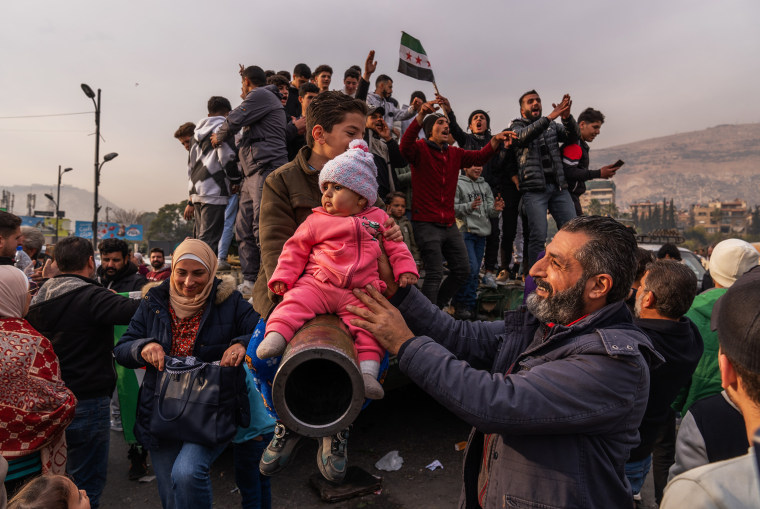
In the absence of a functional formal banking sector, Syria has seen the rise of a sophisticated shadow economy. This informal sector is now the backbone of the nation’s financial survival, moving billions of dollars annually outside the view of traditional regulatory bodies.
The Hawala System: Syria’s Invisible Banking Backbone
The Hawala system—a traditional method of transferring money based on a network of brokers rather than wire transfers—has become the primary vehicle for both personal remittances and business payments. Because Syria is cut off from SWIFT, Hawala dealers in hubs like Istanbul, Dubai, and Beirut coordinate with local counterparts inside Syria to move value. If a family in Germany wants to send €500 to a relative in Damascus, they pay a broker in Berlin; that broker then messages a contact in Damascus who pays out the equivalent in SYP or USD. No money actually crosses the border digitally, bypassing sanctions and banking hurdles. For many Syrians, this is the only reliable way to access capital.
Remittances as the Primary Economic Driver
Remittances from the Syrian diaspora are currently the single most important source of foreign currency for the country. Estimates suggest that billions of dollars flow into Syria annually through informal channels. These funds do more than just help families survive; they provide the liquidity necessary for small-scale side hustles and micro-businesses. In a country where the average government salary has dropped to the equivalent of less than $20 USD per month, remittances are the only reason the domestic retail and service sectors haven’t completely vanished.
Strategic Investment and the Geopolitics of Reconstruction
While the current climate is one of crisis, there is a fierce behind-the-scenes financial struggle regarding the future of Syria’s infrastructure and natural resources. “Reconstruction” is the buzzword for the next phase of the Syrian economy, but it is fraught with financial and ethical risks.
The Cost of Rebuilding and Infrastructure Gaps
The United Nations has previously estimated that rebuilding Syria could cost upwards of $250 billion to $400 billion. The Syrian state does not have this capital, and international financial institutions like the World Bank cannot intervene due to the political climate. This has left a vacuum that is being filled by “allied” investors from Russia, Iran, and increasingly, interested parties from the Gulf states. These investments are rarely liquid; instead, they take the form of long-term concessions for ports, phosphate mines, and telecommunications networks. From a business finance perspective, Syria is being leveraged—trading its future industrial output for immediate survival and reconstruction.
Energy Markets and Resource Management
Syria’s energy sector, once a source of modest wealth, is currently in shambles. The country’s most productive oil and gas fields are located in the northeast, outside of the central government’s control. This has forced the state to spend precious foreign reserves on energy imports, often through high-interest credit lines from regional allies. The lack of reliable electricity is the single greatest hurdle for any remaining manufacturing or industrial sector. Businesses are forced to invest in private generators and fuel, which adds a massive overhead that makes Syrian goods uncompetitive in global markets.
The Rise of Digital Finance and Remote Labor Markets
Despite the physical and financial barriers, a new generation of Syrians is turning to technology to bypass the traditional economy. This shift toward digital finance and online income represents one of the few growth sectors in the country.
Cryptocurrency as a Wealth Preservation Tool
In an environment where the local currency is depreciating and US dollars are hard to find, cryptocurrency has emerged as a niche but vital tool for wealth preservation. Bitcoin and stablecoins like USDT (Tether) are increasingly used by tech-savvy residents to hedge against inflation. For a Syrian freelancer, receiving payment in USDT is far more secure than receiving SYP. While the regulatory environment is murky and internet connectivity is often poor, the “borderless” nature of crypto provides a financial exit ramp for those with the technical literacy to use it.
The Digital Freelance Revolution
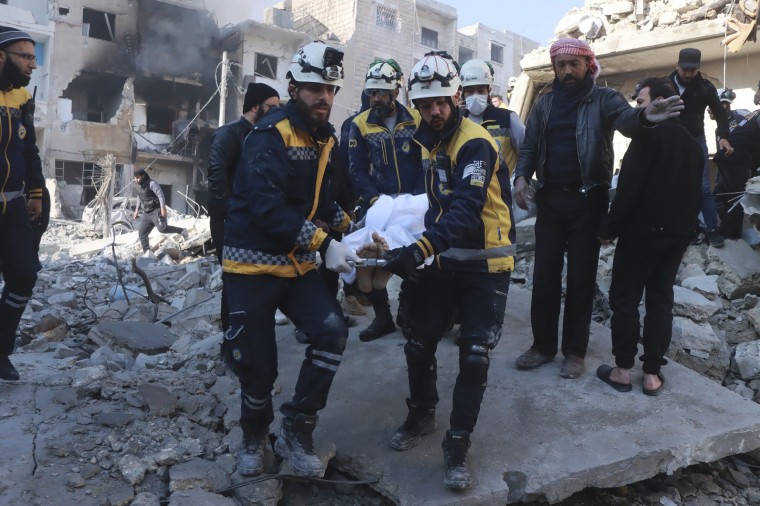
The “side hustle” economy in Syria has gone global. Designers, programmers, and translators are increasingly looking for work on international platforms. However, they face the massive hurdle of how to get paid. Since PayPal, Stripe, and direct bank transfers are unavailable, these workers often use “proxy” accounts managed by friends or relatives in neighboring countries. They perform the work in Syria, the payment is received in a foreign bank account, and the funds are eventually trickled back into Syria via the Hawala system. This digital labor export is a vital source of “new money” for the economy, allowing young professionals to earn wages that are orders of magnitude higher than local government or private sector salaries.
In conclusion, “what’s going on with Syria” from a financial perspective is a transition from a centralized, state-led economy to a fragmented, informal, and highly resilient survivalist economy. The nation is currently caught between the crushing weight of hyperinflation and the high-tech, decentralized workarounds of the 21st century. For those monitoring the intersection of money, risk, and resilience, Syria remains one of the most complex financial environments in the world.
aViewFromTheCave is a participant in the Amazon Services LLC Associates Program, an affiliate advertising program designed to provide a means for sites to earn advertising fees by advertising and linking to Amazon.com. Amazon, the Amazon logo, AmazonSupply, and the AmazonSupply logo are trademarks of Amazon.com, Inc. or its affiliates. As an Amazon Associate we earn affiliate commissions from qualifying purchases.