
The digital landscape is currently undergoing a seismic shift driven by the rapid evolution of artificial intelligence. At the heart of this transformation lies a phenomenon known as the “deepfake.” A portmanteau of “deep learning” and “fake,” deepfakes represent the pinnacle of synthetic media—highly realistic images, videos, and audio recordings generated or manipulated by sophisticated AI algorithms. While the concept of altering media is as old as photography itself, the emergence of deepfakes marks a departure from manual editing toward automated, hyper-realistic forgery that is increasingly difficult to distinguish from reality.
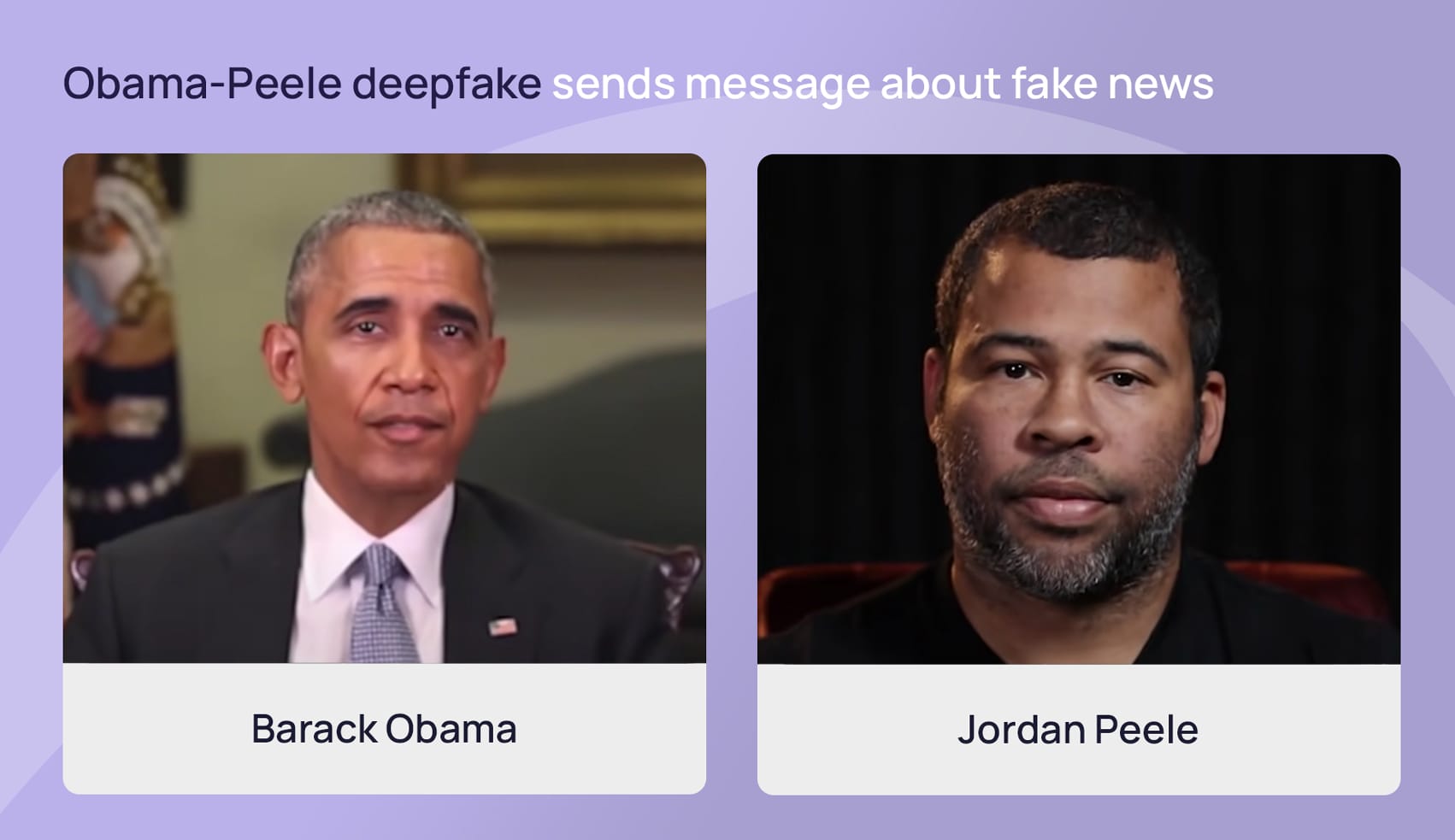
As we navigate an era where seeing is no longer necessarily believing, understanding the underlying technology, the associated security risks, and the defensive mechanisms being developed is essential for tech professionals and digital citizens alike.
The Technical Architecture: How Deepfakes Are Created
Deepfakes are not produced through traditional video editing software. Instead, they rely on deep neural networks, a subset of machine learning inspired by the structure of the human brain. The primary engine behind most high-quality deepfakes is the Generative Adversarial Network (GAN).
The Role of Generative Adversarial Networks (GANs)
Introduced by Ian Goodfellow in 2014, GANs consist of two neural networks—the “generator” and the “discriminator”—that work in a constant state of competition. The generator’s task is to create a synthetic image or video clip that mimics a target person’s likeness. The discriminator’s job is to evaluate that creation against real-world data and determine if it is authentic or a forgery.
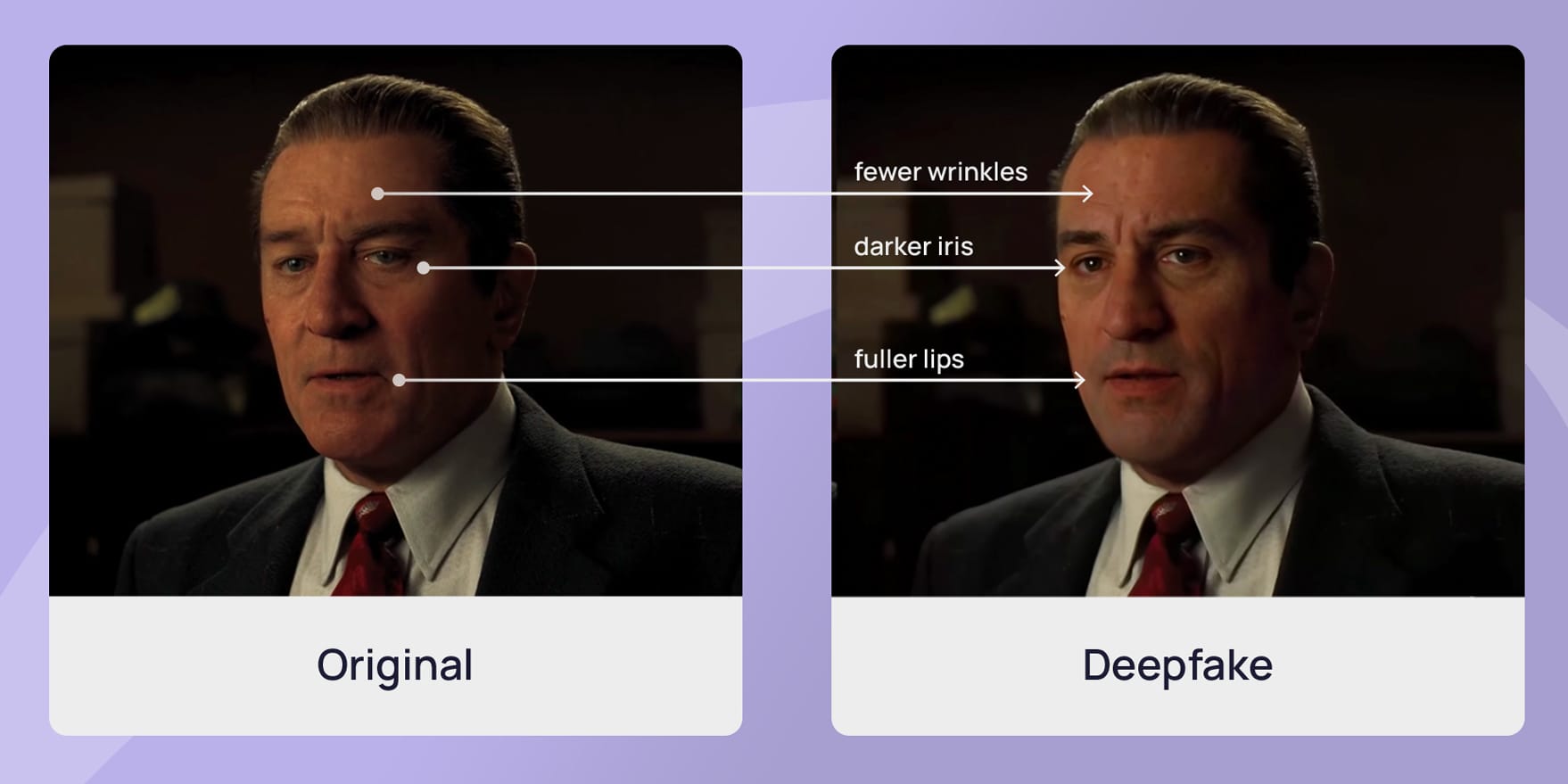
As the process repeats through thousands of iterations, the generator learns from the discriminator’s rejections, refining its output until the discriminator can no longer tell the difference between the real and the synthetic. This adversarial loop is what allows deepfake technology to achieve such uncanny levels of realism, capturing subtle nuances in skin texture, lighting, and micro-expressions.
Autoencoders and Face Swapping
Beyond GANs, autoencoders are another common architectural choice for creating deepfakes, particularly for face-swapping applications. An autoencoder consists of an “encoder,” which compresses an image into a lower-dimensional representation, and a “decoder,” which reconstructs the image from that compressed data. To perform a face swap, the AI is trained on two different sets of images (Person A and Person B). By using the encoder for Person A and the decoder for Person B, the system can map the expressions and movements of the first person onto the facial features of the second, resulting in a seamless digital mask.
Voice Synthesis and Audio Deepfakes
While visual deepfakes garner the most headlines, audio deepfakes—or voice clones—have become equally sophisticated. Using Neural Text-to-Speech (TTS) and voice conversion models, AI can now analyze a few minutes of a person’s recorded speech and generate a synthetic voice that matches their pitch, tone, and cadence with startling accuracy. This has significant implications for both the entertainment industry and cybersecurity.
The Dual-Use Nature of Synthetic Media
Like many disruptive technologies, deepfakes are “dual-use,” meaning they possess the potential for both groundbreaking innovation and significant harm. In the tech and media sectors, the legitimate applications are vast, yet they are often overshadowed by the technology’s capacity for misuse.
Innovation in Film and Education
In the world of entertainment, deepfake technology is revolutionizing post-production. It allows filmmakers to de-age actors, seamlessly dub movies into different languages by altering lip movements to match the new audio, and even “resurrect” deceased performers for historical accuracy or franchise continuity. In education, synthetic media can bring historical figures to life, providing immersive experiences where a digital avatar of a scientist or philosopher can “interact” with students, making the learning process more engaging.
The Weaponization of Information
Conversely, the ease with which deepfakes can be produced has led to their weaponization. The most prevalent and damaging use of the technology involves the creation of non-consensual synthetic content, which accounts for a staggering majority of deepfake videos found online. Beyond personal harm, deepfakes pose a systemic threat to the integrity of information. In a political context, “shallowfakes” (low-tech manipulations) and deepfakes can be used to spread disinformation, discredit public figures, or incite social unrest by placing people in situations or making them say things that never occurred.
Digital Security and the Threat to the Enterprise
As deepfake technology becomes more accessible, it has entered the toolkit of cybercriminals, presenting new challenges for corporate security and identity verification. The “human element” has always been the weakest link in cybersecurity, and deepfakes provide a powerful new way to exploit that vulnerability.
Social Engineering and Vishing 2.0
Traditional phishing has evolved into “vishing” (voice phishing) and “sishing” (synthetic phishing). Attackers can now use AI-generated voice clones to impersonate high-level executives in phone calls, instructing employees to authorize fraudulent wire transfers or disclose sensitive credentials. These “Business Email Compromise” (BEC) attacks, enhanced by synthetic audio, are notoriously difficult to detect because the voice sounds exactly like a trusted supervisor or CEO.
Bypassing Biometric Authentication
Many modern security systems rely on biometric data, such as facial recognition, to grant access to secure environments or financial accounts. Deepfakes pose a direct threat to these “liveness” checks. Advanced synthetic models can simulate the blinking, head movements, and depth required to fool basic facial recognition software. As these tools become more sophisticated, the security industry is forced to move toward multi-modal authentication—combining biometrics with hardware tokens or behavioral analytics.
Corporate Reputation and “The Liar’s Dividend”
Perhaps the most insidious security threat is the “Liar’s Dividend.” This concept suggests that as the public becomes more aware of deepfakes, individuals can claim that real, incriminating evidence is actually a deepfake. This creates a climate of universal skepticism where objective truth becomes harder to establish. For brands and corporations, a well-timed deepfake released during a quarterly earnings call or a product launch can cause immediate stock volatility and long-term reputational damage before the forgery can even be debunked.
The Counter-Offensive: Detection and Provenance
In response to the rise of synthetic media, a new field of “deepfake forensics” has emerged. Tech giants, startups, and academic institutions are engaged in a constant arms race to develop tools that can identify AI-generated content.
AI-Driven Detection Tools
Just as AI is used to create deepfakes, it is also the primary tool for detecting them. Detection algorithms are trained to look for artifacts that are invisible to the human eye, such as unnatural blood flow patterns in the face (photoplethysmography), inconsistencies in light reflection on the cornea, or irregularities in the digital “noise” of a file. Platforms like Microsoft’s Video Authenticator and various open-source initiatives aim to provide real-time analysis of media to flag potential manipulations.
Content Provenance and the C2PA
While detection is reactive, “provenance” is a proactive approach. The Coalition for Content Provenance and Authenticity (C2PA) is a major industry standard supported by companies like Adobe, Intel, and Microsoft. The goal is to create a digital “paper trail” for media files. Using cryptographic metadata, the C2PA standard records the history of an image or video from the moment it is captured by a camera through every stage of editing. If a piece of media lacks this chain of custody or if the metadata has been tampered with, it serves as a red flag for users and platforms.
Legislative and Regulatory Frameworks
Governments are also beginning to step in. The European Union’s AI Act and various state-level laws in the U.S. are starting to mandate that AI-generated content be clearly labeled. Furthermore, new legal frameworks are being explored to provide victims of deepfake-related harm with avenues for civil and criminal recourse. However, the borderless nature of the internet makes enforcement a significant challenge.

The Future of Reality in a Post-Truth Era
As we look toward the future, the boundary between “real” and “synthetic” will continue to blur. We are moving toward a world of real-time deepfakes, where AI can alter a person’s appearance and voice during a live video call with zero latency. This has profound implications for digital trust.
To navigate this landscape, the solution cannot be purely technical. It requires a combination of robust AI detection tools, industry-wide standards for content authenticity, and a high degree of digital literacy among the public. Users must be taught to verify sources, look for context, and maintain a healthy level of skepticism toward sensational or unexpected media.
The era of deepfakes does not necessarily mean the end of truth, but it does mark the end of passive consumption. In the age of synthetic media, the responsibility for verifying reality falls on the shoulders of both the creators of technology and those who use it. As AI continues to evolve, our definition of “seeing is believing” must evolve with it, shifting from visual confirmation to a more rigorous, multi-layered approach to digital evidence.
aViewFromTheCave is a participant in the Amazon Services LLC Associates Program, an affiliate advertising program designed to provide a means for sites to earn advertising fees by advertising and linking to Amazon.com. Amazon, the Amazon logo, AmazonSupply, and the AmazonSupply logo are trademarks of Amazon.com, Inc. or its affiliates. As an Amazon Associate we earn affiliate commissions from qualifying purchases.