
For decades, the period between closing our eyes and waking up was a biological “black box.” We knew sleep was restorative, but the specific physiological transitions—the shifts in heart rate, the fluctuations in core temperature, and the complex cycles of brain activity—remained largely invisible to the average person. Today, the rise of the “quantified self” movement and the evolution of sophisticated wearable technology have turned the bedroom into a high-tech laboratory. By leveraging advanced sensors and machine learning algorithms, we can now decode exactly what the body is doing during rest, transforming sleep from a passive state into a data-rich environment for health optimization.
Decoding the Biological Signals: Sensors and the Sleep Cycle
The primary challenge in understanding what the body does during sleep lies in the non-invasive capture of biometric data. Traditional polysomnography (PSG) involves being tethered to dozens of wires in a clinical setting. However, modern consumer technology utilizes three core methods to track our nocturnal biology: photoplethysmography (PPG), accelerometry, and thermometry.
Photoplethysmography (PPG) and Heart Rate Variability
At the heart of most wearable sleep trackers is the PPG sensor. This technology emits light into the skin (usually green or infrared) and measures the amount of light reflected back. Because blood absorbs light, the fluctuations in light return correspond to the pulsing of blood through your veins. This allows devices like the Oura Ring or the Apple Watch to track not just your heart rate, but your Heart Rate Variability (HRV).
During deep sleep, your Parasympathetic Nervous System (the “rest and digest” branch) should be dominant, leading to a higher HRV. Tech platforms analyze this data to determine if your body is successfully recovering from the physical and mental stressors of the day. If the sensors detect a low HRV and an elevated resting heart rate, the software identifies that the body is struggling—perhaps due to overtraining, illness, or late-night blue light exposure.
Accelerometry and Actigraphy
While heart rate provides an internal view, accelerometers provide an external one. By tracking movement in three dimensions, devices can distinguish between the total stillness of deep sleep and the frequent micro-movements of light sleep or wakefulness. High-end trackers use this data to determine “sleep latency”—how long it actually takes your body to transition from an active state to a physiological sleep state.
Core Temperature and the Circadian Rhythm
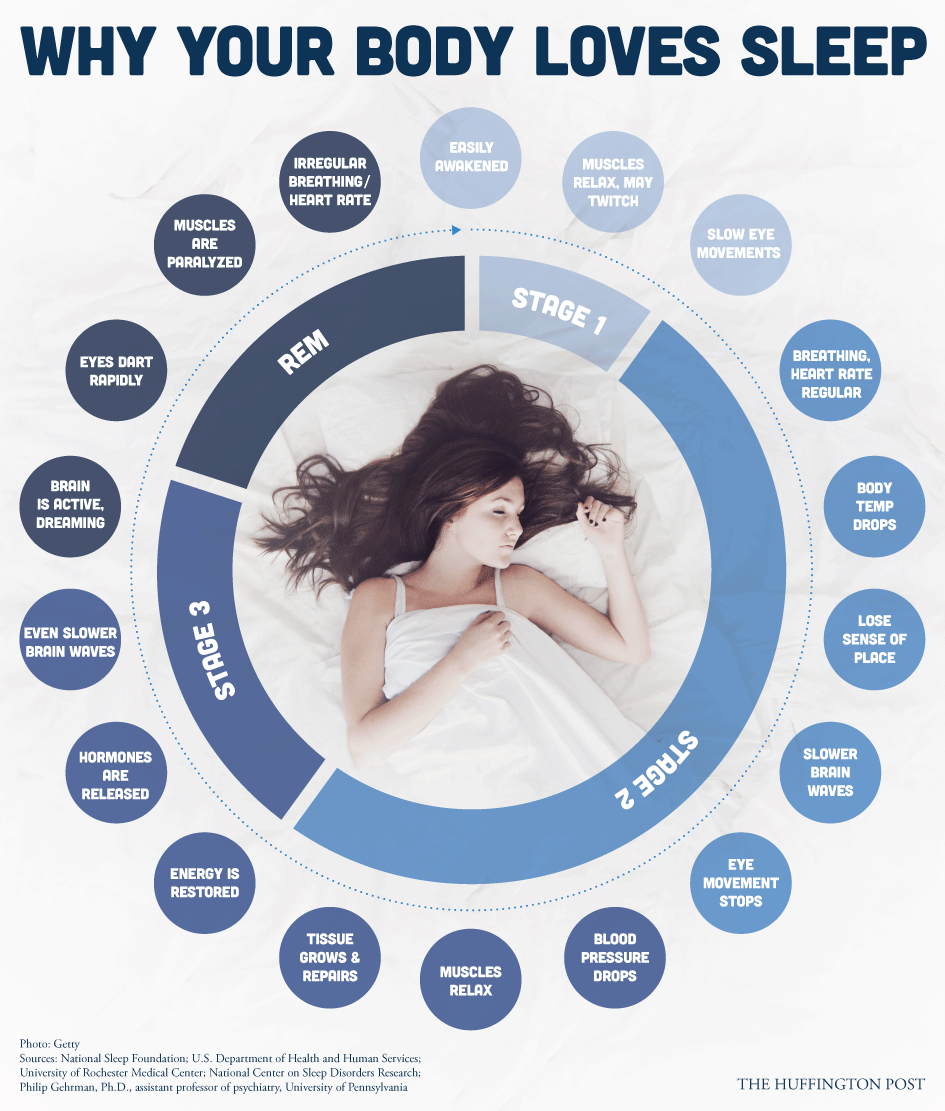
One of the most critical things your body does when you sleep is regulate its thermal environment. To initiate sleep, the body must drop its core temperature by about two degrees Fahrenheit. Modern wearables now include high-precision thermistors that track skin temperature throughout the night. A deviation from your baseline can signal the start of a fever before you feel symptoms or indicate that your external environment—your smart thermostat or bed cooling system—is preventing your body from reaching the thermal nadir required for deep, restorative rest.
The Sleep Economy: AI-Driven Insights and Algorithmic Rest
The hardware provides the data, but it is the software—powered by artificial intelligence—that interprets what these biological signals mean. As the “sleep tech” industry grows into a multi-billion dollar sector, the focus has shifted from simple data logging to predictive analytics.
Machine Learning and Sleep Stage Classification
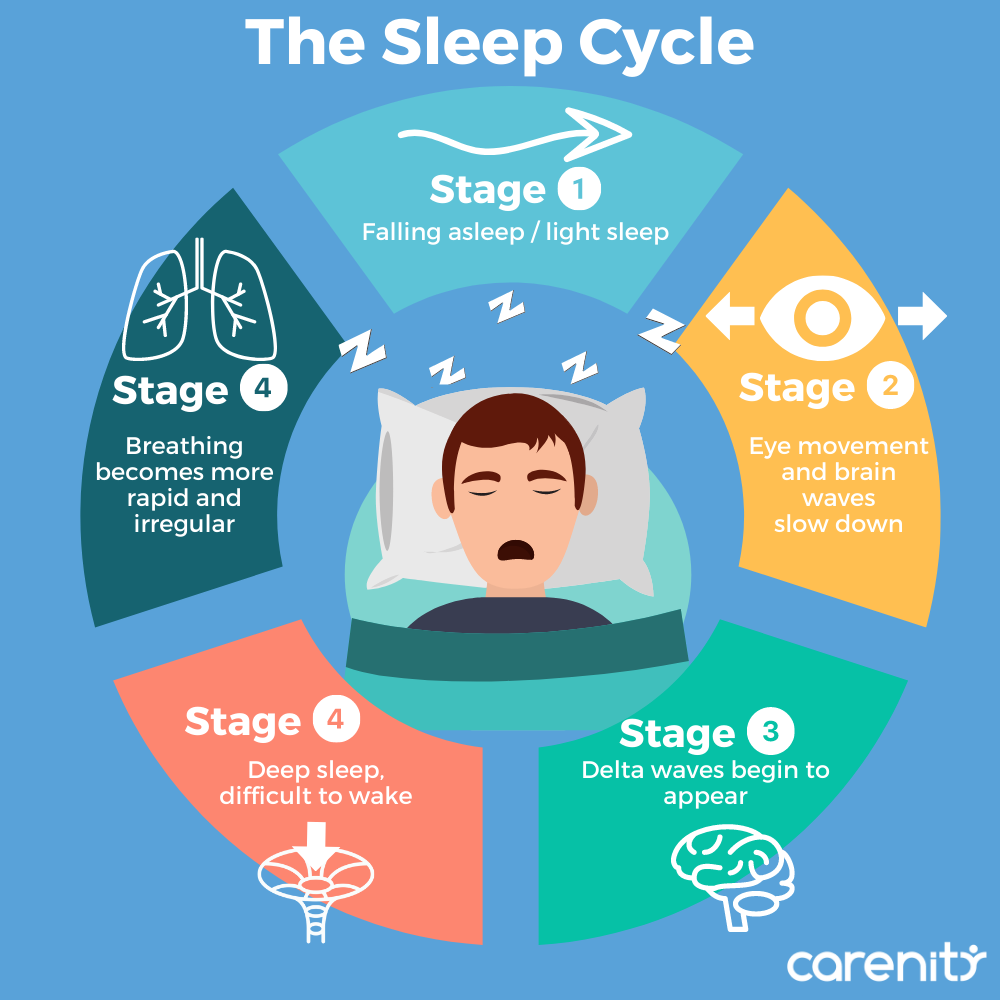
The human body moves through distinct stages: Light Sleep (Stages 1 and 2), Deep Sleep (Slow Wave Sleep), and REM (Rapid Eye Movement). Each stage has a unique biometric signature. AI models are trained on thousands of hours of clinical PSG data to recognize these patterns in consumer devices.
For instance, during REM sleep, the body enters a state of temporary muscle paralysis (atonia) while the brain becomes highly active, mimicking wakefulness. A wearable’s AI identifies this by looking for the combination of a fluctuating heart rate and a complete lack of limb movement. By quantifying these stages, software can tell you if your body spent enough time in the “Deep” stage required for physical repair and growth hormone release, or enough time in “REM” for memory consolidation and emotional processing.
The “Readiness” Score and Actionable Data
The most significant trend in sleep software is the move toward “Readiness” or “Body Battery” scores. These algorithms aggregate sleep duration, HRV, and previous day activity to provide a single metric. This represents a shift in how we view our bodies: we are no longer guessing how we feel; we are looking at a digital dashboard of our internal resource management. If the AI detects that your body did not complete its necessary cellular repair cycles, it might suggest a “recovery day,” effectively using tech to prevent burnout before it happens.
The Problem of Orthosomnia
As we gain more insight into what our bodies do during sleep, a new technological phenomenon has emerged: orthosomnia. This is the clinical term for a preoccupation with “perfect” sleep data. When users become overly stressed by their sleep scores, the resulting anxiety triggers the sympathetic nervous system, causing the very sleep disturbances they are trying to avoid. Tech developers are responding by “calming” their interfaces—using softer colors, providing more context, and focusing on long-term trends rather than nightly fluctuations.
Smart Environments: Integrating IoT for Circadian Optimization
Understanding what the body does during sleep has led to a revolution in the “Smart Home” ecosystem. We now know that the body is highly sensitive to environmental triggers—specifically light, sound, and temperature—which signal the brain to produce or suppress melatonin.
Circadian Lighting Systems
The human eye contains non-image-forming cells that are highly sensitive to blue light. When these cells detect short-wavelength light, they signal the suprachiasmatic nucleus in the brain to stop melatonin production. Smart lighting systems, integrated via protocols like Matter or Zigbee, now automate this process. As the sun sets, these systems shift the “color temperature” of the home from a cool 5000K to a warm 2000K, mimicking the natural solar cycle and allowing the body to begin its physiological wind-down.
Thermoregulation and Active Cooling Tech
The most disruptive technology in the sleep space currently is active thermoregulation. Companies like Eight Sleep and BedJet have moved beyond passive tracking to active intervention. These devices use “AI-driven thermal engines” to adjust the temperature of the bed in real-time based on the user’s sleep stage.
As the body enters deep sleep and requires a cooler environment, the bed’s sensors detect the shift and lower the temperature of the mattress. Conversely, during the early morning hours when the body naturally prepares for wakefulness by raising its core temperature, the bed can subtly warm up. This tech-enabled feedback loop ensures that the body’s natural biological transitions are never interrupted by external discomfort.
Audio Masking and Neural Entrainment
Sound is another area where tech is aiding the body’s nocturnal functions. Smart noise-masking earbuds and bedside hubs use “pink noise” or “brown noise”—frequencies that have been shown to stabilize brain waves. Some experimental tech even uses “acoustic stimulation” to enhance slow-wave sleep. By playing specific frequencies at the exact moment the sensors detect the onset of deep sleep, these devices can theoretically amplify the brain’s natural restorative processes.
The Future of Sleep Tech: Brain-Computer Interfaces and Biohacking
As we look toward the next decade, the technology used to monitor what the body does during sleep will move from the wrist and the bedside to the brain itself. We are entering the era of neuro-tech and non-invasive brain-computer interfaces (BCIs).
EEG Headbands and Neural Monitoring
While PPG and accelerometry are effective proxies, the “gold standard” for knowing what the body is doing during sleep is the electroencephalogram (EEG), which measures electrical activity in the brain. Consumer-grade EEG headbands are now entering the market. These devices allow users to see their “brain age” and track the precise micro-volts of power generated during slow-wave sleep. This level of granularity will eventually allow for real-time neuro-feedback, where the device could potentially nudge the brain back into a deeper sleep state if it detects signs of arousal.
The Privacy of the Bedroom
With this explosion of data comes a significant tech challenge: digital security. Biometric sleep data is among the most sensitive information a person can generate. It reveals health conditions, pregnancy, stress levels, and even early signs of neurodegenerative diseases like Parkinson’s. The future of sleep tech will be defined by “Edge AI”—processing this sensitive data locally on the device rather than in the cloud—to ensure that our most private biological moments remain secure.

Conclusion: The Tech-Enabled Evolution of Rest
What your body does when you sleep is no longer a mystery; it is a stream of data that can be analyzed, optimized, and protected. Through the integration of wearable sensors, AI-driven analytics, and smart environmental controls, technology has given us the tools to master our biology. We are moving toward a future where “sleep” is not just something we do, but a precision-engineered state of recovery, monitored by a digital ecosystem dedicated to ensuring our bodies perform at their peak. As the line between biology and technology continues to blur, the way we sleep will become the ultimate reflection of the quantified self.
aViewFromTheCave is a participant in the Amazon Services LLC Associates Program, an affiliate advertising program designed to provide a means for sites to earn advertising fees by advertising and linking to Amazon.com. Amazon, the Amazon logo, AmazonSupply, and the AmazonSupply logo are trademarks of Amazon.com, Inc. or its affiliates. As an Amazon Associate we earn affiliate commissions from qualifying purchases.