
The annual ritual of “springing forward” and “falling back” is more than just a minor inconvenience for our sleep schedules; it is a global economic phenomenon with profound implications for commerce, energy consumption, and public health. When asking what year Daylight Savings Time (DST) was invented, the answer is often tied to periods of extreme financial strain and the need for resource optimization. While the conceptual roots go back further, the formal adoption of DST was a child of the 20th century, specifically designed to mitigate the soaring costs of energy during wartime.
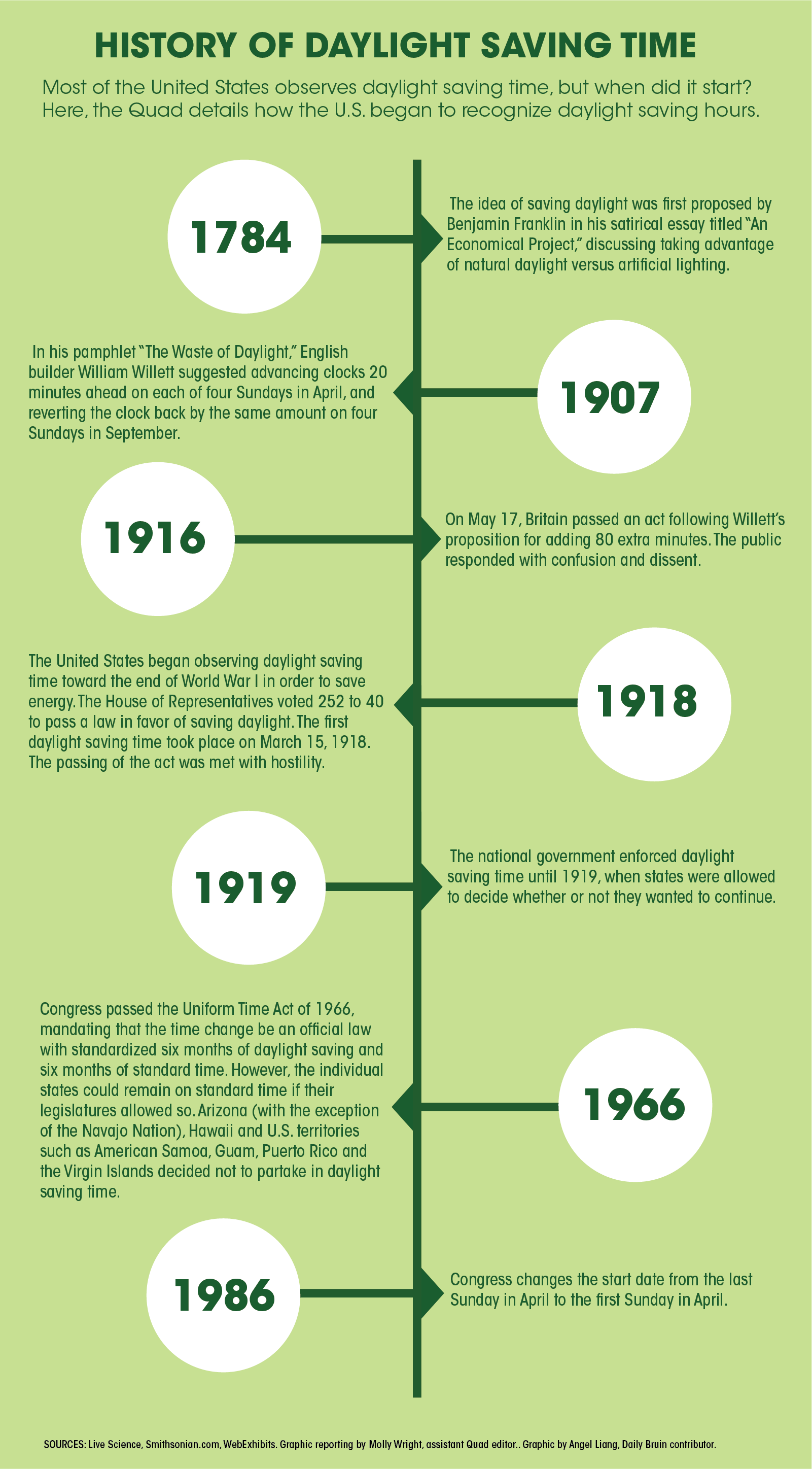
To understand the financial architecture of our modern timekeeping, we must look beyond the clock and examine the ledger. From the initial proposals based on candle-usage savings to modern-day retail lobbying, Daylight Savings Time has always been an exercise in fiscal management.
The Origins of Time Manipulation: From Benjamin Franklin to the First World War
The history of Daylight Savings Time is often misattributed to Benjamin Franklin. While he did not “invent” the practice in a legal sense, he was the first to articulate the economic rationale for it. In 1784, while serving as the American envoy to France, Franklin penned a satirical essay titled “An Economical Project for Diminishing the Cost of Light.”
The 1784 Proposal: A Satirical Look at Candle Costs
Franklin’s argument was purely fiscal. He calculated that by waking up with the sun, the citizens of Paris could save an enormous sum of money on candles. He estimated that if 100,000 families burned half a pound of candles per hour for seven hours a day, the city was wasting roughly 64 million pounds of wax and tallow over six months. Although his essay was meant to be humorous, it established a fundamental principle: sunlight is a free commodity, and any system that maximizes its use is a net win for the economy.
1916: The Economic Necessity of War-Time Energy
The official “invention” and implementation of Daylight Savings Time occurred in 1916. On April 30 of that year, the German Empire and its ally, Austria-Hungary, became the first nations to implement DST. The motivation was not public health or leisure, but the desperate need to conserve coal and fuel during World War I. By extending daylight hours, the government hoped to reduce the need for artificial lighting in factories and homes, thereby diverting more energy resources toward the war effort.
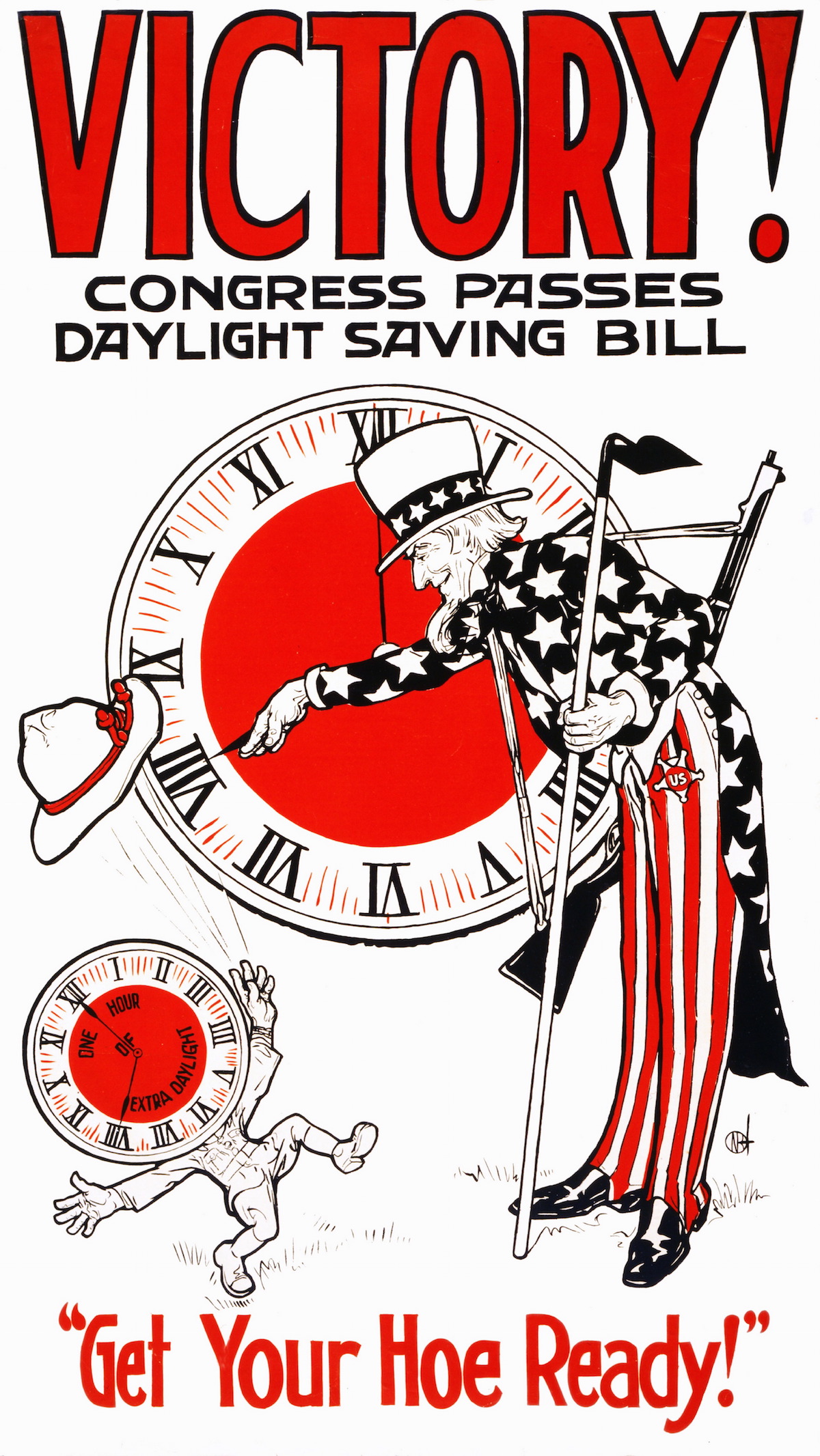
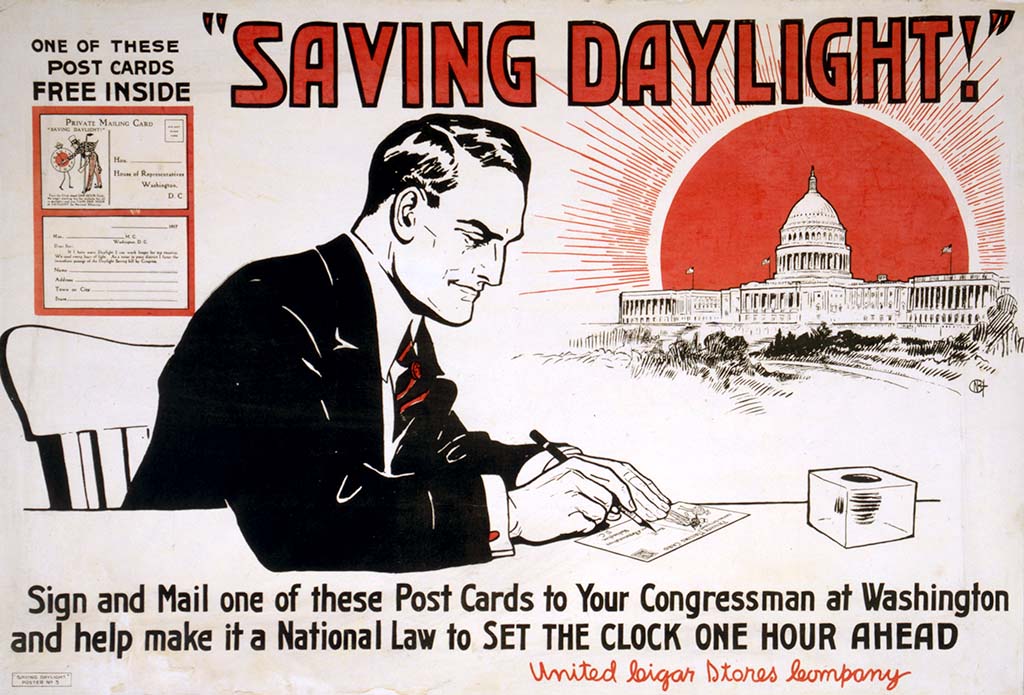
The United States followed suit in 1918 with the passage of the Standard Time Act. This legislation not only established formal time zones but also implemented a national DST. However, the move was highly controversial. While urban retailers and industrialists supported the change, the agricultural sector—which operated on the sun’s schedule, not the clock—found it disruptive to their labor costs and logistics. This tension between different economic sectors led to the repeal of national DST in 1919, though many cities continued the practice locally, creating a fragmented and costly “patchwork” of time zones that persisted for decades.
The Commercialization of Daylight: How Retail and Leisure Industries Profit
The modern persistence of Daylight Savings Time is largely fueled by the private sector. While the original intent was energy conservation, the current beneficiaries are retail, tourism, and leisure-based businesses. The extra hour of evening light encourages consumers to stay out longer, visit shops, and participate in recreational activities that contribute significantly to the Gross Domestic Product (GDP).
The “Golf and Barbecue” Lobby
It is no coincidence that the most vocal proponents of extending DST have been trade associations representing the leisure industry. In the 1980s, when the U.S. Congress debated extending DST by an additional month, the golf industry testified that the extra month of daylight would result in an additional $200 million in sales of greens fees and equipment. Similarly, the barbecue industry—producers of charcoal and grills—estimated an additional $100 million in revenue from consumers who were more likely to cook outdoors during light evenings.
In 2005, when the Energy Policy Act extended DST even further into November, the “Candy Lobby” (represented by the National Confectioners Association) was a major supporter. Their goal was to ensure that Halloween fell within the period of Daylight Savings Time, believing that an extra hour of light would make trick-or-treating safer and, consequently, increase candy sales.
Retail Revenue and the Extra Hour of Sunlight
Studies have shown a direct correlation between evening daylight and consumer spending. According to a report by the JP Morgan Chase Institute, which analyzed 480 million credit card transactions, the transition to DST leads to a notable increase in per-capita spending. Conversely, when the clocks “fall back” in November, spending at grocery stores and retail outlets drops significantly. The logic is simple: consumers are less likely to stop at a store on their way home from work if it is already dark. By shifting light to the evening, the government effectively subsidizes the retail economy.
The Hidden Costs: Productivity Loss and Health Care Expenditures
While the retail sector flourishes under DST, other areas of the economy bear a heavy burden. The “spring forward” transition in March is particularly costly due to the disruption of the human circadian rhythm. These costs are often hidden from plain sight, buried in insurance premiums, workplace accidents, and lost productivity.
The “Monday After” Effect: Workplace Accidents and Efficiency
The Monday following the start of DST is often referred to as “Sleepy Monday.” Economists have studied the impact of this collective sleep deprivation on the workforce. Research indicates a significant spike in workplace injuries on this day, as employees are less alert. Furthermore, “cyberloafing”—the practice of wasting time on the internet during work hours—increases dramatically on the Monday following the time change. One study estimated that this loss of productivity costs the U.S. economy upwards of $434 million annually.
Financial Burdens on the Healthcare System
The physiological stress of the time change has measurable financial consequences for the healthcare system. Statistical data shows a 24% increase in heart attack visits to hospitals on the Monday following the “spring forward” shift. There is also a documented rise in traffic accidents and strokes. These events place an immediate strain on emergency services and lead to long-term costs in terms of medical leave, disability payments, and increased health insurance premiums for corporations. When these individual costs are aggregated, the supposed “energy savings” of DST are often outweighed by the “health tax” imposed on the population.
Modern Financial Infrastructure: Managing Global Markets and Time Synchronization
In the era of high-frequency trading and global supply chains, the variance in DST start and end dates creates significant friction in international finance. Not every country observes DST, and those that do often change their clocks on different weekends. This lack of synchronization creates narrow windows for cross-border trading and increases the risk of operational errors.
Stock Market Volatility and Cross-Border Trading
Financial markets operate on razor-thin margins where milliseconds matter. When the time difference between London and New York shifts from five hours to four hours (or six) during the transition weeks, it disrupts the overlap of trading sessions. This can lead to decreased liquidity and increased volatility in currency and equity markets. For institutional investors managing multi-billion dollar portfolios, these shifts require complex adjustments to automated trading algorithms to ensure that “time-stamped” orders are executed correctly.
The Technology Cost of Updating Financial Systems
The maintenance of “time” is a significant IT expense for the financial sector. Every change in DST legislation—such as the 2005 extension in the U.S.—requires millions of dollars in software updates across banking platforms, global positioning systems (GPS), and automated clearing house (ACH) networks. If a bank’s internal clock is out of sync with a federal reserve system by even a few seconds, it can lead to failed transactions and regulatory fines.
The Future of Time: Is Permanent Daylight Savings a Better Investment?
As the debate over the utility of DST intensifies, many economists and legislators are advocating for a permanent shift to either Standard Time or Daylight Savings Time to eliminate the “transaction cost” of shifting twice a year. The Sunshine Protection Act, which has gained traction in the U.S. Congress, proposes making DST permanent.
Analyzing the Potential Energy Savings in a Modern Economy
The original 1916 argument for DST—saving coal—is largely obsolete. In a modern economy, air conditioning is a primary driver of energy costs. Some studies suggest that while DST saves money on lighting, it increases the cost of cooling homes and offices during the hotter evening hours. In some regions, such as Indiana, the implementation of DST actually led to a 1% increase in residential electricity bills. A move to a permanent, standardized time would allow for more predictable energy modeling and infrastructure planning.
The Case for Standardization to Reduce Business Friction
From a business perspective, the greatest cost of DST is the lack of uniformity. If the global economy moved toward a more standardized timekeeping system, the savings in administrative overhead, IT maintenance, and logistics would be substantial. Businesses thrive on predictability. By eliminating the bi-annual disruption, companies could regain the lost productivity of “Sleepy Monday” and streamline their international operations.
In conclusion, while the year 1916 marked the official invention of Daylight Savings Time as a tool for wartime frugality, the practice has evolved into a complex economic lever. It serves as a testament to how governments and industries attempt to engineer human behavior to drive consumption. Whether the current system remains a net positive for the global economy is a matter of ongoing debate, but one thing is certain: time, in the world of finance, is the most expensive commodity of all.
aViewFromTheCave is a participant in the Amazon Services LLC Associates Program, an affiliate advertising program designed to provide a means for sites to earn advertising fees by advertising and linking to Amazon.com. Amazon, the Amazon logo, AmazonSupply, and the AmazonSupply logo are trademarks of Amazon.com, Inc. or its affiliates. As an Amazon Associate we earn affiliate commissions from qualifying purchases.