
In the annals of cinematic history and corporate brand evolution, few dates are as significant as July 9, 2003. This was the day that Pirates of the Caribbean: The Curse of the Black Pearl premiered in United States theaters. While the casual observer might view this simply as the release date of a successful summer blockbuster, brand strategists and marketing executives view it as the launch of one of the most audacious and successful brand extensions in the history of the entertainment industry.
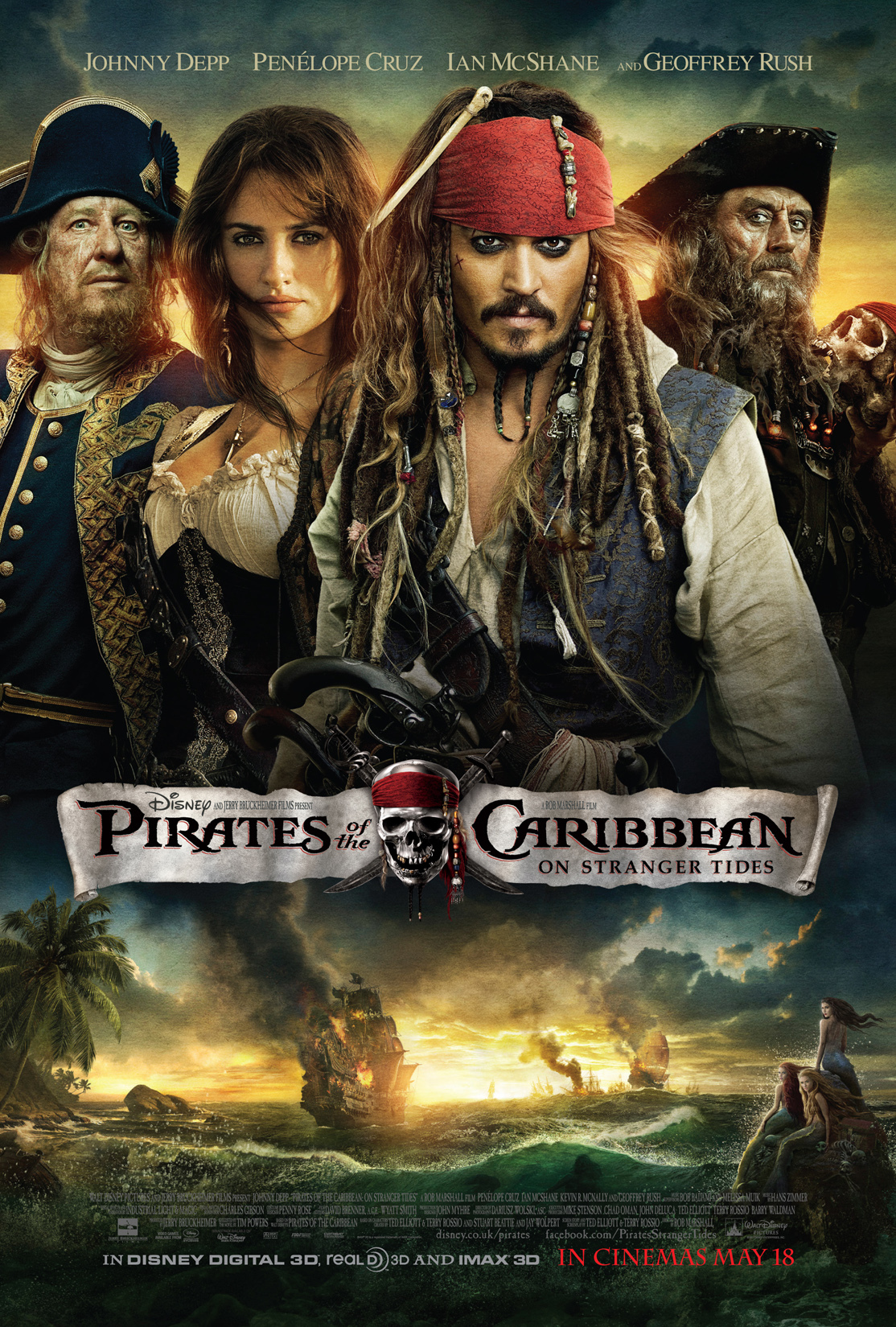
Before 2003, the “pirate” genre was widely considered “box office poison” following the high-profile failure of films like Cutthroat Island. Disney’s decision to revitalize this niche—based not on a novel or a comic book, but on a 36-year-old theme park ride—was a masterclass in risk management and brand positioning. To understand why the year 2003 was a watershed moment, one must look beyond the film itself and examine the strategic framework that transformed a static amusement park attraction into a global lifestyle brand.
2003: The Year the Sea-Faring Brand Changed Forever
The launch of Pirates of the Caribbean in 2003 represented a pivotal shift in how the Walt Disney Company approached its intellectual property (IP). Traditionally, theme park attractions were built to capitalize on the popularity of successful films. This “ride-to-movie” pipeline inverted the standard corporate identity model, proving that established brand equity in a physical experience could be successfully transitioned into a narrative medium.
From Theme Park Attraction to Cinematic IP
The original Pirates of the Caribbean ride opened in 1967 at Disneyland, serving as a cornerstone of the park’s brand for decades. By 2003, the brand had high “unaided awareness” among consumers but lacked a contemporary narrative to drive growth. The challenge for Disney’s brand strategists was to take a collection of vignettes—skeletons, treasure, and animatronic pirates—and synthesize them into a cohesive brand story that appealed to a modern, more cynical audience.
The 2003 release successfully utilized “Nostalgia Marketing” while simultaneously modernizing the brand’s tone. By moving away from the “G-rated” safety of previous decades and embracing a PG-13 rating, Disney expanded its brand reach to include teenagers and young adults, a demographic that had previously viewed the Disney brand as “just for kids.”
Risk Mitigation and Market Positioning
The brand’s success was far from guaranteed. In 2003, the market was dominated by high-fantasy epics and superhero origin stories. A pirate movie was an outlier. However, the strategic positioning of the film as an “action-adventure with supernatural elements” rather than a traditional historical drama allowed it to carve out a unique niche. This differentiation is a core principle of brand strategy: when a market is saturated with similar products, the most distinct brand identity wins.
The Jack Sparrow Effect: Character as Brand Identity
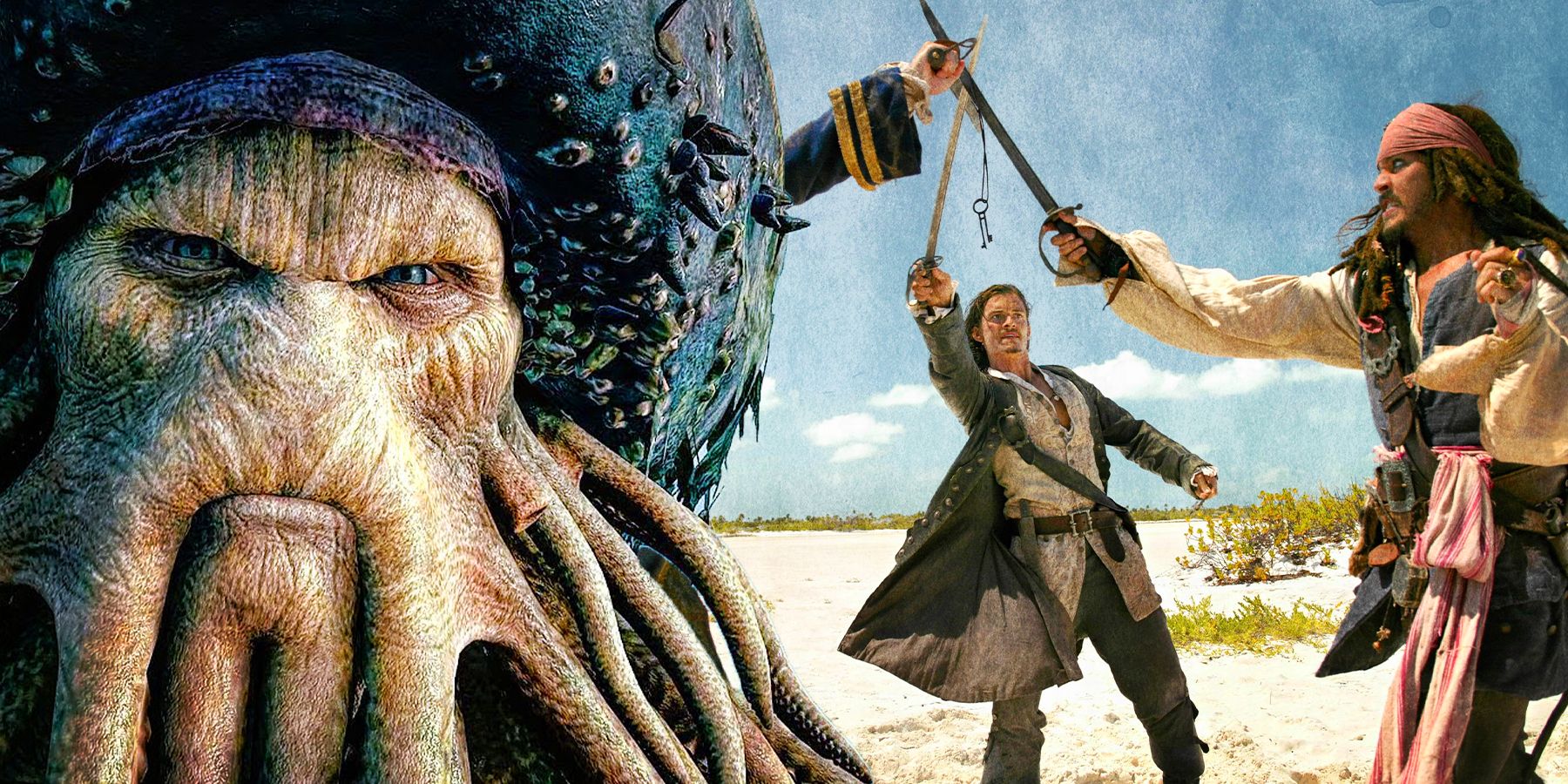
One cannot discuss the 2003 launch without analyzing the primary driver of the brand’s equity: Captain Jack Sparrow. In branding terms, Jack Sparrow became the “Brand Mascot” or “Brand Representative,” much like the Nike Swoosh or the Apple logo, but with a human face and a complex personality.
The Power of the Anti-Hero Brand
Before Pirates of the Caribbean came out in 2003, cinematic heroes were often predictable and morally upright. Jack Sparrow, portrayed by Johnny Depp, introduced a brand of “calculated unpredictability.” This was a strategic departure from the clean-cut protagonists of Disney’s past. From a marketing perspective, Sparrow represented a “Disruptive Brand Personality.” He was flawed, eccentric, and morally ambiguous, which made the brand feel authentic and relatable to a 21st-century audience.
This unconventional branding created a “Halo Effect” across the entire franchise. Because the central character was so strong, the audience was willing to overlook narrative inconsistencies in later installments. The character became the product, and the movies became the delivery mechanism for that product.
Consistency vs. Innovation in Character Marketing
Once the brand identity was established in 2003, the subsequent challenge was maintaining consistency. Every sequel, piece of merchandise, and marketing campaign had to adhere to the core “Sparrow DNA.” Brand consistency builds trust, and trust leads to customer loyalty. By ensuring that Jack Sparrow’s essence remained unchanged across decades, Disney ensured that the “Pirates” brand remained one of the most recognizable IPs in the world, long after the novelty of the initial 2003 release had faded.
Strategic Diversification: Beyond the Silver Screen
The significance of 2003 extends beyond film history into the realm of integrated brand ecosystems. The release of the first movie was the catalyst for a massive diversification strategy that touched almost every sector of the Disney empire.
Licensing and Merchandising as Revenue Pillars
Immediately following the 2003 release, the “Pirates” brand moved into a hyper-growth phase. Licensing agreements were signed for everything from high-end jewelry and apparel to action figures and video games. This is a classic example of “Brand Extension,” where a brand uses its established reputation to enter new product categories.
For the Pirates of the Caribbean brand, this meant moving into the digital space. Video game tie-ins and mobile apps allowed the brand to interact with consumers on a daily basis, far beyond the two-hour window of a movie theater. This constant interaction is vital for brand “Top-of-Mind Awareness” (TOMA), ensuring that when consumers think of adventure or pirates, they think exclusively of the Disney brand.
Ecosystem Integration: The Disney Vault Strategy
Disney’s strategy involves creating a “closed-loop ecosystem.” The movie (released in 2003) drives interest in the theme park ride (updated in 2006 to include film characters), which in turn drives sales of home media and merchandise. This creates a self-sustaining cycle of brand reinforcement.
The 2003 launch also allowed Disney to test the “Franchise Model” for live-action films. Prior to this, Disney’s primary franchise strength lay in animation. Pirates of the Caribbean proved that live-action IP could be just as lucrative and durable as animated classics like The Lion King or Cinderella. This realization fundamentally changed Disney’s corporate strategy, leading to the acquisition of other massive live-action brands like Marvel and Lucasfilm.
Lessons in Brand Longevity and Global Reach
As we look back at the year Pirates of the Caribbean came out, we can see the long-term impact of its global branding strategy. The franchise has generated over $4.5 billion in global box office revenue, but its true value lies in its international brand equity.
Adapting to Global Cultural Nuances
The Pirates brand was designed for global consumption from its inception in 2003. The themes of freedom, rebellion, and adventure are universal, allowing the brand to transcend cultural and linguistic barriers. Marketing campaigns were meticulously tailored for different regions, ensuring that the brand resonated in markets as diverse as China, Japan, and Western Europe.
A key element of this global success was “Visual Storytelling.” Because the brand relied heavily on physical comedy, grand spectacle, and iconic costumes, it was less dependent on dialogue-heavy marketing. This made the brand highly “portable” across different media and geographies, a crucial factor for any brand seeking global dominance.

The Future of the Franchise Brand: Sustainability and Evolution
The question “what year did the pirates of the caribbean come out” often leads to a discussion about where the brand is going next. In the world of brand strategy, no brand can remain static. The challenge for Disney moving forward is “Brand Rejuvenation.” As the original audience from 2003 matures, the brand must find ways to appeal to Gen Z and Alpha.
Whether through a reboot, a spin-off, or a complete reimagining, the Pirates of the Caribbean brand must evolve while staying true to the core values established in 2003. The success of this evolution will depend on the brand’s ability to balance “Heritage” with “Relevance.”
In conclusion, the year 2003 was not just the year a movie about pirates was released; it was the birth of a strategic juggernaut. By leveraging existing IP, creating a disruptive brand personality, and building a multi-channel ecosystem, Disney transformed a theme park ride into a gold standard for franchise branding. The lessons learned from the 2003 launch continue to influence how brands are built, managed, and scaled in the modern era. For any business professional, the story of the Pirates of the Caribbean brand offers a compelling case study in the power of visionary strategy and the enduring value of a well-crafted brand identity.
aViewFromTheCave is a participant in the Amazon Services LLC Associates Program, an affiliate advertising program designed to provide a means for sites to earn advertising fees by advertising and linking to Amazon.com. Amazon, the Amazon logo, AmazonSupply, and the AmazonSupply logo are trademarks of Amazon.com, Inc. or its affiliates. As an Amazon Associate we earn affiliate commissions from qualifying purchases.