
The question of what year The Lorax came out requires a two-fold answer that defines two distinct eras in brand management. Dr. Seuss’s original book was published in 1971, marking the birth of a literary icon. However, for the modern marketing professional and brand strategist, the more pivotal date is 2012—the year Universal Pictures and Illumination Entertainment released the feature film adaptation. This 2012 release transformed The Lorax from a beloved children’s book into a multi-billion-dollar global franchise, providing one of the most complex case studies in brand licensing, corporate identity, and the perils of “greenwashing.”
Understanding the timeline of The Lorax is essential for analyzing how a brand maintains its core identity while navigating the pressures of commercialization. From its 1971 roots as a subversive environmental manifesto to its 2012 status as a vehicle for over 70 corporate partnerships, the evolution of The Lorax offers profound insights into brand equity and market positioning.
1971: The Birth of a Purpose-Driven Brand Identity
In 1971, the publication of The Lorax represented a significant departure for the Dr. Seuss brand. Theodor Geisel (Dr. Seuss) was already a powerhouse in the publishing world, but The Lorax introduced a level of social and environmental advocacy that was unprecedented for his work. From a brand strategy perspective, this was the moment the “Seuss” identity shifted from whimsical entertainment to purposeful narrative.
Positioning the “Lorax” as a Brand Archetype
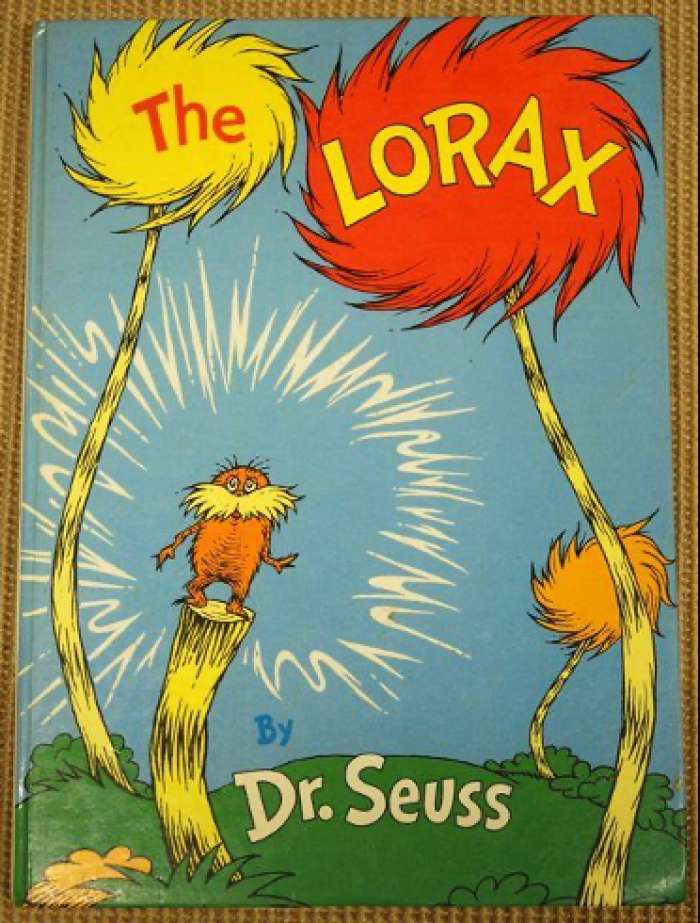
In the early 1970s, the environmental movement was gaining mainstream traction. By creating the Lorax—a character who “speaks for the trees”—Geisel successfully occupied a unique market niche: the environmental conscience of children’s literature. The brand was built on a foundation of simplicity, urgency, and moral clarity. The visual identity, characterized by the vibrant Truffula Trees and the mossy, mustachioed protagonist, created a “narrative moat” that was instantly recognizable and difficult to replicate.
The Power of the Subversive Narrative
The 1971 release didn’t just sell books; it established a brand ethos that was anti-industrialist and anti-greed. This “challenger brand” status allowed The Lorax to endure for decades. For forty years, the brand remained relatively “pure,” existing primarily within the educational and literary spheres. This long-term consistency built immense brand equity, making the IP (Intellectual Property) incredibly valuable when the time came for a modern cinematic reboot.
2012: The Year of the Commercial Pivot and Rebranding
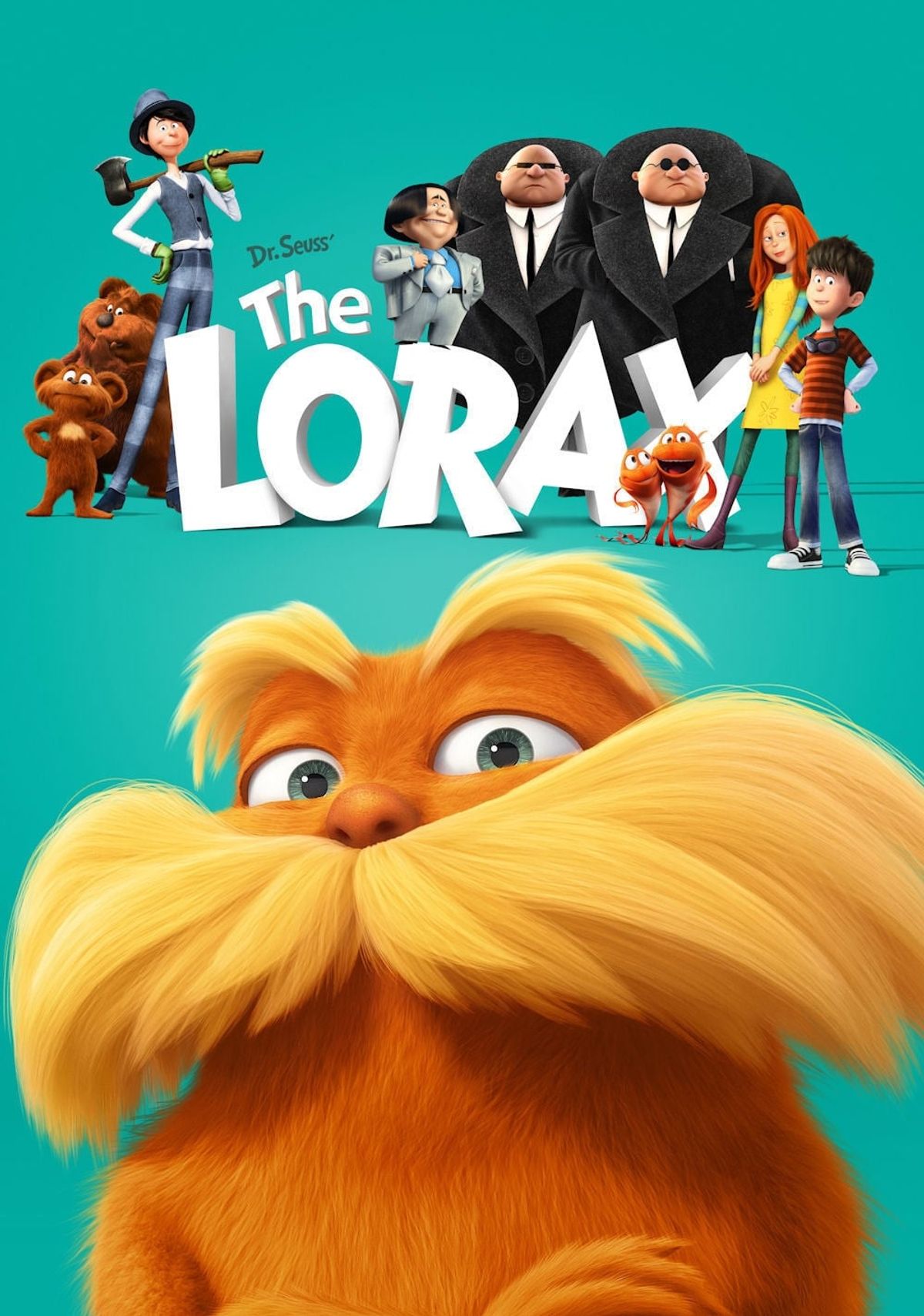
When 2012 arrived, the release of the CGI film signaled a massive strategic pivot. Seuss Enterprises and Universal Pictures sought to modernize the IP for a digital-first audience. This transition involved more than just a change in medium; it required a complete overhaul of the brand’s visual language and its approach to consumer engagement.
The Illumination Entertainment Strategy
The 2012 film was produced by Illumination Entertainment, the studio behind Despicable Me. Their strategy focused on “high-energy branding”—bright colors, pop-culture humor, and a star-studded voice cast including Zac Efron and Taylor Swift. This rebrand aimed to broaden the target demographic from young children and educators to the “four-quadrant” audience (male, female, under 25, and over 25). While this was a commercial success, grossing over $348 million worldwide, it created a tension between the original brand’s message and the commercial delivery.
Modernizing the Aesthetic for Global Consumption
In 2012, the Lorax character underwent a “CGI makeover.” The goal was to make the character more expressive and marketable for merchandise. This move was a classic example of brand extension—taking a core asset and adapting it to fit new platforms (toys, video games, apparel). However, brand managers must always weigh the benefits of modernization against the risk of diluting the original brand’s soul. In the case of The Lorax, the 2012 aesthetic was highly successful in creating a “cute” and “collectible” icon, even if it strayed from the grit of the 1971 original.
A Masterclass in Multi-Channel Brand Licensing

The 2012 launch of The Lorax is perhaps most famous in the marketing world for its aggressive licensing strategy. To maximize the film’s reach, the studio secured over 70 promotional partners. This created a paradoxical brand environment where an environmentalist icon was being used to sell SUVs and disposable goods.
The Mazda Controversy: A Case Study in Brand Misalignment
One of the most debated partnerships in 2012 was the tie-in with Mazda. The “Truffula Tree Approved” Mazda CX-5 crossover SUV was marketed as eco-friendly. Critics and brand purists argued that using the Lorax to sell a fossil-fuel-burning vehicle was a fundamental violation of the brand’s core identity. This serves as a vital lesson for brand managers: even if a partnership is financially lucrative, it can cause “brand friction” if the values of the partner do not align with the narrative of the IP.
Successful Tie-ins: Leveraging Seventh Generation and HP
Not all 2012 partnerships were controversial. The brand’s collaboration with Seventh Generation (a producer of eco-friendly household products) and HP (focusing on sustainable printing and paper sourcing) felt more authentic. These partnerships leveraged the Lorax’s brand equity to promote actual sustainability efforts, showing that when brand alignment is high, the “halo effect” can benefit both the licensor and the licensee. For a brand like The Lorax, authenticity is the primary currency.
Brand Equity and the Challenge of “Greenwashing”
Since 2012, the term “Lorax” has become synonymous not just with environmentalism, but with the complexities of “Greenwashing” in corporate branding. “Greenwashing” occurs when a company spends more time and money marketing itself as environmentally friendly than on actually minimizing its environmental impact. Because The Lorax is the ultimate symbol of environmentalism, its association with any brand immediately bestows a “green” credential.
Protecting the IP’s Core Values
For Seuss Enterprises, the challenge since the 2012 release has been maintaining the integrity of the Lorax brand while continuing to monetize it. Modern brand management requires a strict vetting process for partners. If the Lorax is seen everywhere—from pancake mix to insurance—the message of “unless someone like you cares a whole awful lot” begins to lose its punch. This is the “scarcity vs. ubiquity” dilemma that faces all major heritage brands.
Navigating Negative Public Relations in the Digital Era
The 2012 release coincided with the rise of social media as a primary tool for brand accountability. The backlash against certain Lorax tie-ins was amplified on platforms like Twitter and Facebook. This taught the industry that in the modern era, a brand is no longer just what the company says it is; it is what the consumers say it is. The Lorax brand had to navigate a landscape where fans were the gatekeepers of its legacy, forcing the brand managers to be more selective in future ventures.
Future-Proofing the Lorax: Lessons for Modern Brand Managers
The 1971 publication and the 2012 cinematic release represent two bookends of a brand that has survived and thrived for over half a century. As we look at the legacy of The Lorax, there are three key takeaways for anyone managing a purpose-led brand or a legacy corporate identity.
1. Content Diversification is Key to Relevance
The reason The Lorax is still a household name is that the brand refused to stay static. By moving from books to a 1972 TV special, then to the 2012 blockbuster, and now into digital apps and educational programs, the brand has ensured it meets new generations where they are. In brand strategy, “relevance” is a moving target that requires constant content innovation.
2. Purpose is a Double-Edged Sword
When your brand is built on a moral or social purpose—like environmentalism—the market will hold you to a higher standard. Brands that sell purely on utility (like a brand of batteries) have more leeway in their marketing than brands that sell on values. The Lorax must always “walk the talk,” or risk losing its brand equity entirely.
3. The Power of Visual Symbols
The Truffula Tree is one of the most successful “brand assets” in literary history. It is a visual shorthand for a specific feeling and a specific message. Modern brands should strive to create “symbols” that can stand alone without the brand name. When a consumer sees a Truffula Tree, they know exactly what the brand stands for before a single word is spoken.
In conclusion, while The Lorax first came out in 1971, its most significant commercial evolution occurred in 2012. That year transformed the character into a case study for the modern branding era—illustrating the immense power of purpose-driven IP, the complexities of global licensing, and the enduring need for brand authenticity in an age of skepticism. Whether viewed as a cautionary tale of over-commercialization or a brilliant example of brand scaling, The Lorax remains a cornerstone of corporate identity and marketing strategy.
aViewFromTheCave is a participant in the Amazon Services LLC Associates Program, an affiliate advertising program designed to provide a means for sites to earn advertising fees by advertising and linking to Amazon.com. Amazon, the Amazon logo, AmazonSupply, and the AmazonSupply logo are trademarks of Amazon.com, Inc. or its affiliates. As an Amazon Associate we earn affiliate commissions from qualifying purchases.