
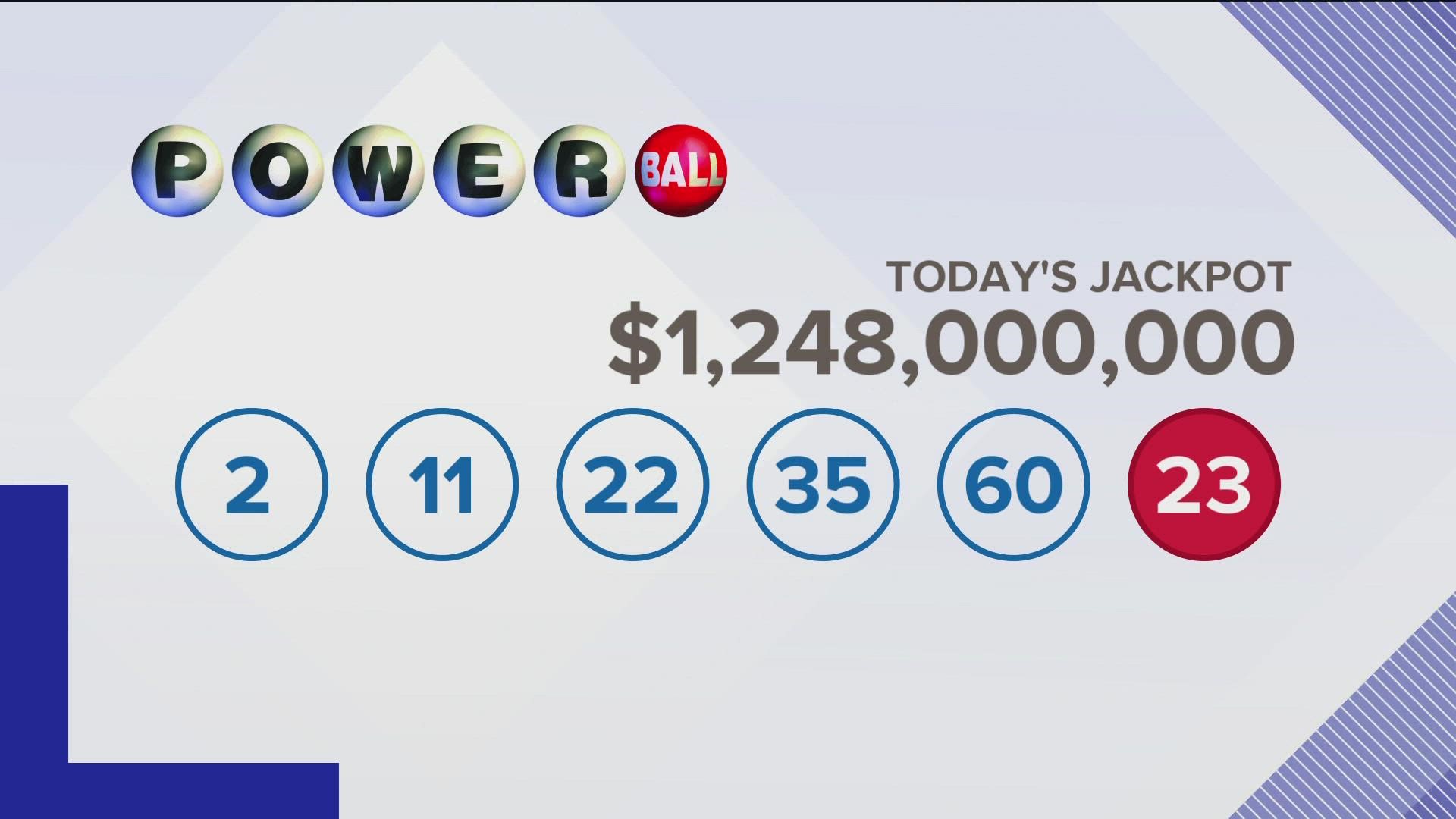
For many, searching for the winning Powerball numbers for tonight is a ritual fueled by the hope of ultimate financial freedom. However, the discovery of those five white balls and the red Powerball matching your ticket is not the end of a journey; it is the beginning of a complex, high-stakes financial transition. Transforming a sudden windfall into sustainable, multi-generational wealth requires a shift in mindset from consumerism to stewardship. This transition involves navigating intricate tax landscapes, making pivotal decisions regarding payout structures, and implementing sophisticated investment strategies that protect against the common pitfalls of sudden wealth.

The Mathematics of Choice: Lump Sum vs. Annuity
The moment a ticket holder realizes they have won, they are faced with the most significant financial decision of their life: the choice between a one-time cash payment (the lump sum) or an annuity paid out over 30 installments. While the “advertised jackpot” reflects the total value of the annuity, the cash value is significantly lower, representing the actual funds currently held in the prize pool.
The Present Value of Money and Opportunity Cost
The decision between these two options is fundamentally a question of the time value of money. The lump sum offers immediate liquidity, allowing the winner to deploy capital into the markets instantly. Historically, if a winner can achieve a post-tax annualized return that exceeds the implied interest rate of the annuity (which is typically tied to U.S. Treasury yields), the lump sum is mathematically superior.
However, the annuity offers a unique form of “forced discipline.” Because the payments are spread over three decades, the winner is protected against the risk of total capital depletion in the early years. For individuals without a background in finance or those who lack a trusted advisory team, the annuity serves as an insurance policy against the “lottery curse”—the phenomenon where winners declare bankruptcy within a few years of their windfall.
Inflationary Pressures and the Annuity Schedule
The Powerball annuity is structured to increase by 5% each year, which is designed to help winners keep pace with inflation. In a high-inflation environment, this graduated payment can be beneficial. Conversely, if the winner chooses the lump sum, they must manage their portfolio actively to ensure their purchasing power is not eroded. This requires a sophisticated understanding of asset allocation, moving beyond simple savings accounts into diversified equities, real estate, and inflation-protected securities.
The Tax Man Cometh: Navigating Federal and State Obligations
A Powerball win is one of the most highly taxed events a taxpayer can experience. Before a single dollar reaches the winner’s bank account, the financial reality of the “tax bite” must be analyzed. Understanding these obligations is critical for accurate financial planning and avoiding a massive, unexpected bill during the following April’s tax filing.
Immediate Federal Withholdings vs. Actual Liability
The IRS considers lottery winnings as ordinary income. Upon claiming a prize, the lottery commission automatically withholds 24% for federal taxes. However, the top federal income tax bracket is currently 37%. This means that for a major jackpot, the winner will likely owe an additional 13% of their winnings to the IRS when they file their annual return. Failing to set aside this 13% from the initial payout is a common mistake that leads to severe liquidity crises for the unprepared.
The Impact of State and Local Jurisdictions
Tax liability varies dramatically depending on where the ticket was purchased and where the winner resides. Some states, such as California and Florida, do not tax lottery winnings at the state level. Others, like New York or New Jersey, apply significant state income taxes that can exceed 8% or 10%. Furthermore, certain municipalities (notably New York City) apply their own local income taxes. When combining federal, state, and local taxes, a winner might see nearly 50% of their “winning numbers” value vanish before it can be reinvested.
Building a Fortress: Asset Protection and Wealth Preservation
Once the numbers are confirmed and the tax liabilities are calculated, the focus must shift to protection. Wealth of this magnitude makes an individual a target for litigation, predatory “investment opportunities,” and requests from distant acquaintances. Protecting the principal is often more difficult than acquiring it.
Assembling the “Dream Team” of Fiduciary Advisors
A lottery winner should never navigate the financial system alone. The first step—even before claiming the prize—is assembling a team of fee-only professionals. This team typically includes:
- A Tax Attorney: To navigate the legalities of the claim and maximize tax efficiency.
- A Certified Public Accountant (CPA): To handle the complex filing requirements and ongoing tax strategies.
- A Fiduciary Financial Advisor: An advisor who is legally obligated to act in the winner’s best interest, focusing on long-term wealth preservation rather than commission-based products.
- An Estate Planning Specialist: To draft trusts and wills that ensure the wealth is transferred according to the winner’s wishes while minimizing future estate taxes.
The Role of Trusts and Anonymity
In many states, lottery winners can remain anonymous by claiming their prize through a legal entity, such as a “Blind Trust” or a Limited Liability Company (LLC). This is a vital strategy for personal security and financial privacy. By using a trust, the winner can keep their name out of the public record, reducing the influx of unsolicited solicitations. Furthermore, assets held within properly structured irrevocable trusts can provide a layer of protection against future lawsuits and creditors, ensuring that the windfall remains within the family for generations.
The Strategic Investment Portfolio: Moving Beyond Liquid Cash
With the net proceeds secured, the next phase of the financial journey is the construction of an investment portfolio. For someone who has just won the Powerball, the primary goal is often no longer “wealth accumulation” but “wealth preservation” and “income generation.”
Modern Portfolio Theory and Diversification
A sudden multi-millionaire must avoid “home bias” and “concentration risk.” While it may be tempting to invest heavily in a single sector or a familiar business, the hallmark of institutional-grade wealth management is broad diversification. This includes:
- Global Equities: Exposure to both domestic and international markets to capture global growth.
- Fixed Income: High-quality municipal bonds (often tax-exempt) and corporate bonds to provide steady cash flow.
- Alternative Assets: Including private equity, venture capital, and hedge funds, which offer low correlation to traditional markets.
- Real Estate: Tangible assets that provide both rental income and potential appreciation, acting as a hedge against inflation.
The Psychology of Spending and the “Sinking Fund”
Financial advisors often recommend that winners wait six months to a year before making any significant lifestyle changes. This “cooling-off period” allows the emotional volatility of the win to subside. From a personal finance perspective, creating a “sinking fund”—a designated pool of liquid cash for immediate desires (a new home, travel, gifts)—prevents the winner from dipping into the “investable core” of the windfall. By living off the dividends and interest generated by the principal, rather than the principal itself, the winner ensures that the winning numbers provide a lifetime of financial security.
Long-Term Legacy and Philanthropic Strategy
For those who hold the winning Powerball numbers, the conversation eventually turns from “How much do I have?” to “What is my impact?” Wealth management at this level frequently involves a significant philanthropic component, which offers both social utility and strategic tax advantages.
Donor-Advised Funds and Private Foundations
Establishing a Donor-Advised Fund (DAF) or a Private Foundation allows winners to manage their charitable giving with the same rigor as their investments. Contributions to these vehicles are often tax-deductible in the year they are made, which can be a powerful tool for offsetting the massive income tax spike caused by the initial win. Moreover, these structures allow the winner to involve family members in the decision-making process, teaching younger generations the values of financial stewardship and social responsibility.

Estate Taxes and the Generation-Skipping Transfer
Under current U.S. law, estates exceeding a certain threshold (adjusted for inflation) are subject to a 40% federal estate tax. For a Powerball winner, this means a significant portion of their wealth could be taxed again upon their death. Advanced financial tools, such as Grantor Retained Annuity Trusts (GRATs) or Charitable Lead Trusts (CLTs), are used to move assets out of the taxable estate while still providing for the winner and their heirs. By planning for the eventual transfer of wealth today, winners ensure that the “luck” of tonight’s numbers becomes a permanent foundation for their family’s future.
aViewFromTheCave is a participant in the Amazon Services LLC Associates Program, an affiliate advertising program designed to provide a means for sites to earn advertising fees by advertising and linking to Amazon.com. Amazon, the Amazon logo, AmazonSupply, and the AmazonSupply logo are trademarks of Amazon.com, Inc. or its affiliates. As an Amazon Associate we earn affiliate commissions from qualifying purchases.