
The ritual of checking the Powerball numbers after a Saturday night drawing is a cornerstone of American financial aspiration. For millions, the sequence of five white balls and one red Powerball represents more than just a game of chance; it represents a theoretical pivot point between their current financial reality and a future of unlimited liquidity. While the specific numbers drawn on any given Saturday are transient, the financial implications of matching those numbers are permanent and profoundly complex.
In the world of high-stakes personal finance, a lottery win is categorized as a “sudden wealth event.” Unlike the slow accumulation of capital through traditional investing or career advancement, a Powerball windfall requires an immediate and sophisticated shift in fiscal management. Understanding how to handle the transition from a ticket holder to a high-net-worth individual is essential for ensuring that a Saturday night win leads to generational wealth rather than a cautionary tale of bankruptcy.
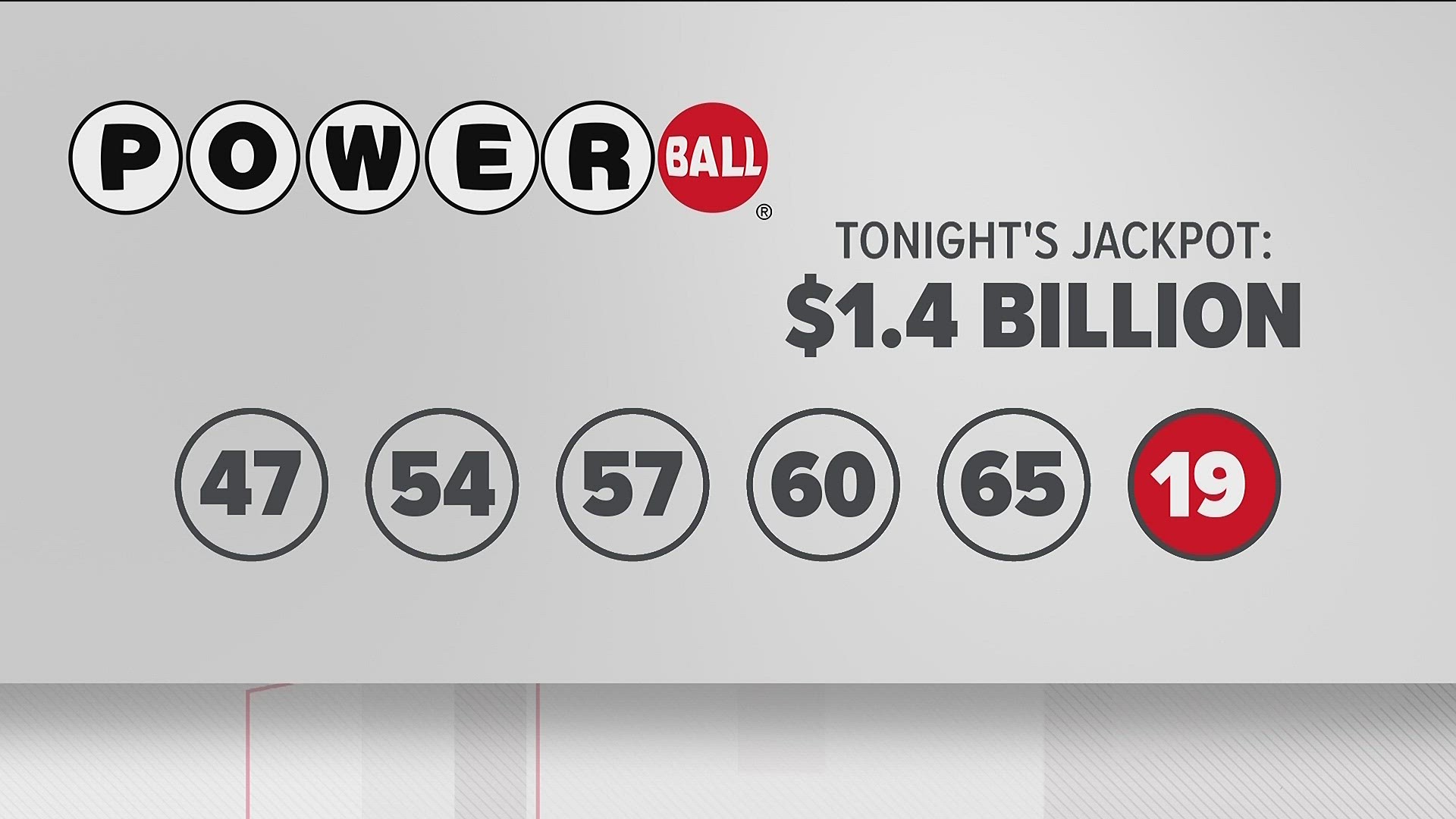
The Mechanics of the Drawing: Understanding the Odds and Financial Structure
The Powerball lottery operates on a scale that defies standard intuitive probability. With odds of approximately 1 in 292.2 million, the likelihood of holding the winning ticket is statistically remote, yet the financial structure of the game is designed to create massive pools of capital. When you check the Saturday numbers, you are participating in a system that aggregates micro-investments from millions of participants to create one of the largest liquid assets available to a private citizen.
The Lump Sum vs. Annuity Debate
One of the first financial decisions a Saturday winner must face is the choice between the lump sum (cash option) and the annuity. This is not merely a preference of “more money now” versus “more money later”; it is a complex calculation involving the Net Present Value (NPV) of money, projected inflation rates, and expected investment returns.
The annuity option provides 30 graduated payments over 29 years, with each payment increasing by 5%. This offers a hedge against “lifestyle creep” and provides a safety net against poor initial investment decisions. Conversely, the lump sum represents the actual cash currently in the jackpot pool. For a sophisticated investor, the lump sum is often more attractive because it allows for immediate capital deployment into diversified assets that may outperform the 5% annual increase of the annuity.
How Jackpot Totals are Calculated
The “advertised” jackpot and the “cash value” are two different financial figures. The advertised amount is based on the projected value of the annuity over 30 years. When checking the Saturday results, investors should look primarily at the cash value, as this represents the actual taxable income that will be transferred upon a claim. This figure is influenced by interest rates; when the Federal Reserve raises rates, the gap between the cash value and the advertised jackpot narrows, as the cost to fund the annuity decreases.
Immediate Steps for the Winner: Securing Your Financial Future
If your Saturday numbers match the draw, the transition from “hopeful participant” to “wealth manager” must be instantaneous. The first 48 hours are critical for protecting the asset and establishing a perimeter of privacy.
The Importance of the “Golden Ticket” Security
A winning Powerball ticket is a bearer instrument, meaning that, in most jurisdictions, whoever holds the ticket owns the prize. Before making any public moves, the ticket should be photocopied and stored in a high-security environment, such as a bank safety deposit box. Some financial advisors suggest that winners consult with an attorney before even signing the back of the ticket. In certain states, signing the ticket as an individual may preclude you from claiming the prize through a blind trust or an LLC—entities that can provide a layer of anonymity and asset protection.
Building Your Professional “Dream Team”
No individual, regardless of their financial literacy, should attempt to manage a Powerball-sized windfall alone. The complexity of the tax code and the legal liabilities associated with extreme wealth require a specialized team:
- Tax Attorney: To navigate the immediate federal and state tax liabilities.
- Certified Public Accountant (CPA): To manage ongoing filings and audits.
- Fiduciary Financial Advisor: To create an investment policy statement (IPS) that aligns with long-term goals.
- Estate Planner: To restructure your will, set up trusts, and manage the transfer of wealth to heirs or charities.
Tax Implications and Fiscal Responsibility
The moment the Saturday numbers are verified and the claim is processed, the internal revenue service becomes your most significant partner. A Powerball win is taxed as ordinary income, and the implications are substantial.
Federal and State Tax Obligations
The federal government automatically withholds 24% of lottery winnings for taxes. However, because a jackpot win puts the winner in the highest tax bracket (currently 37%), a winner will likely owe an additional 13% when they file their annual return. This “tax gap” can represent tens of millions of dollars that must be kept liquid and not invested in volatile or illiquid assets.
State taxes vary significantly. Winners in states like Florida, Texas, or Nevada—which have no state income tax—retain a much higher percentage of their winnings than those in states like New York or New Jersey. Understanding these geographical tax variances is a vital part of the post-Saturday financial audit.
Gift Taxes and Philanthropic Strategies
Many winners feel an immediate impulse to distribute wealth to family and friends. From a financial perspective, this must be done with extreme caution. The IRS imposes a gift tax on transfers exceeding a certain annual threshold ($18,000 per person as of 2024). Large-scale gifting can quickly deplete the lifetime gift tax exemption.
A more tax-efficient strategy often involves the creation of a Private Foundation or a Donor-Advised Fund (DAF). These structures allow the winner to take an immediate tax deduction while maintaining control over how the capital is distributed to charitable causes over time. This transforms a one-time windfall into a sustainable philanthropic legacy.
Long-Term Wealth Management and Preservation
The “Lottery Curse” is a well-documented phenomenon where winners lose their entire fortune within a decade. This is rarely the result of a single bad purchase, but rather a lack of institutional-grade wealth management and an inability to manage the psychological pressures of sudden liquidity.
Avoiding the “Lottery Curse”
The primary driver of wealth depletion is “lifestyle creep”—the habit of increasing one’s cost of living to match their new net worth. Maintaining a sustainable “burn rate” is essential. Financial advisors often recommend a “cooling-off period” of six months to a year, where the winner makes no major purchases. During this time, the capital can be held in low-risk, liquid vehicles like Treasury bills or money market funds while a long-term strategy is developed.
Diversifying Your Portfolio Post-Windfall
A $2 Powerball ticket is a speculative gamble, but a $500 million jackpot is a capital preservation challenge. The investment strategy must shift from growth-seeking to risk-mitigated. This involves diversifying across several asset classes:
- Equities and Fixed Income: A balanced portfolio of global stocks and high-grade bonds.
- Real Estate: Investing in income-producing properties or Real Estate Investment Trusts (REITs).
- Alternative Investments: Allocating a small percentage to private equity, venture capital, or commodities to hedge against market volatility.
- Cash Reserves: Maintaining enough liquidity to cover several years of living expenses and tax liabilities without needing to sell assets during a market downturn.
Conclusion: Beyond the Winning Numbers
Checking the Powerball numbers from Saturday is a moment of extreme emotional and financial volatility. While the numbers themselves are the key that unlocks the vault, the real work begins once the vault is open. The transition into the top 0.1% of earners requires a disciplined, professional approach to money management.
The goal for any Saturday winner should be to convert a stroke of luck into a stable financial infrastructure. By securing the ticket, assembling a team of experts, accounting for taxes, and implementing a diversified investment strategy, a winner can ensure that their Saturday night fortune lasts for generations. Ultimately, the numbers are just the beginning; the strategy is what determines whether the win is a lifelong blessing or a temporary anomaly in a person’s financial history. In the world of high-finance, the most valuable asset isn’t the winning ticket itself—it is the knowledge and discipline used to manage the capital it provides.
aViewFromTheCave is a participant in the Amazon Services LLC Associates Program, an affiliate advertising program designed to provide a means for sites to earn advertising fees by advertising and linking to Amazon.com. Amazon, the Amazon logo, AmazonSupply, and the AmazonSupply logo are trademarks of Amazon.com, Inc. or its affiliates. As an Amazon Associate we earn affiliate commissions from qualifying purchases.