
In the modern marketplace, a brand’s public persona is often compared to a theatrical performance. The bright lights, the polished messaging, and the seamless user experience represent the “show” that the world sees. However, the most successful corporate identities are not built under the spotlight. They are forged in the “dark”—the period of intense research, strategic positioning, and internal cultural development that occurs long before a logo is ever revealed to the public. To understand why some brands command cult-like devotion while others flicker out, we must examine the invisible work: what we do in the dark to ensure the show is a masterpiece.

The Architecture of the Shadow: Building a Brand Behind Closed Doors
The most common mistake in contemporary branding is the rush to the “reveal.” Many organizations prioritize the visual elements—the colors, the typography, and the social media aesthetic—before they have established a foundational identity. Building in the dark means spending months, or even years, in the incubation phase. This is the period where a brand’s soul is defined, away from the prying eyes of competitors and the fickle nature of public opinion.
The Incubation Phase: Why Secrecy Matters
Strategic secrecy is not about hiding a product; it is about protecting the integrity of an idea. When a brand is in its infancy, it is highly susceptible to external influence. If a company tests its core values against public opinion too early, those values often become diluted into “safe” corporate platitudes. The incubation phase allows a leadership team to determine what they truly stand for.
During this dark period, the focus is on internal alignment. If every employee does not understand the brand’s mission in the dark, they will never be able to project it accurately under the lights. This phase involves rigorous stress-testing of the brand’s value proposition. It asks the hard questions: Who do we exclude? What do we refuse to do? What is our non-negotiable truth?
Stakeholder Alignment in the Dark
Before a brand can convince a customer, it must convince its internal stakeholders. This is the “internal show.” In the dark, brand strategists work to create a unified narrative that aligns the C-suite with the front-line staff. If the internal perception of the brand does not match the external promise, the “show” will eventually collapse under the weight of its own hypocrisy. Successful brands use this quiet time to build a culture that acts as the brand’s immune system, ensuring that the identity remains consistent even when the spotlight gets hot.
Dark Social and the Power of Invisible Influence
In the digital age, the most potent marketing doesn’t happen on public-facing walls or billboards. It happens in “dark social”—the private channels like WhatsApp, Slack, Discord, and direct messages where consumers share recommendations and opinions. For a brand to succeed, it must find a way to penetrate these dark spaces without appearing intrusive.
Beyond Public Metrics: The Untracked Funnel
Standard marketing analytics often fail to capture the true path to a purchase. While a brand might see a spike in traffic from a specific Instagram ad, the actual decision to buy was likely made in a private group chat three days prior. Understanding “what we do in the dark” involves acknowledging that the most valuable brand conversations are untrackable.
To influence these spaces, a brand must create “social currency.” This is content or information that is so valuable, or so aligned with a user’s identity, that they feel compelled to share it privately with their peers. This is the pinnacle of brand strategy: when your audience becomes your marketing department in the dark, away from your surveillance tools.
Cultivating Community in Private Spaces
Modern brand strategy is moving away from broad-spectrum broadcasting and toward the cultivation of private communities. By creating exclusive, dark channels—such as invite-only Beta groups or private forums—brands can foster a sense of belonging that is impossible to achieve in a public comment section. These spaces allow for a more authentic interaction between the brand and its most loyal advocates, providing the brand with “dark” data that is far more honest than anything found in a public survey.
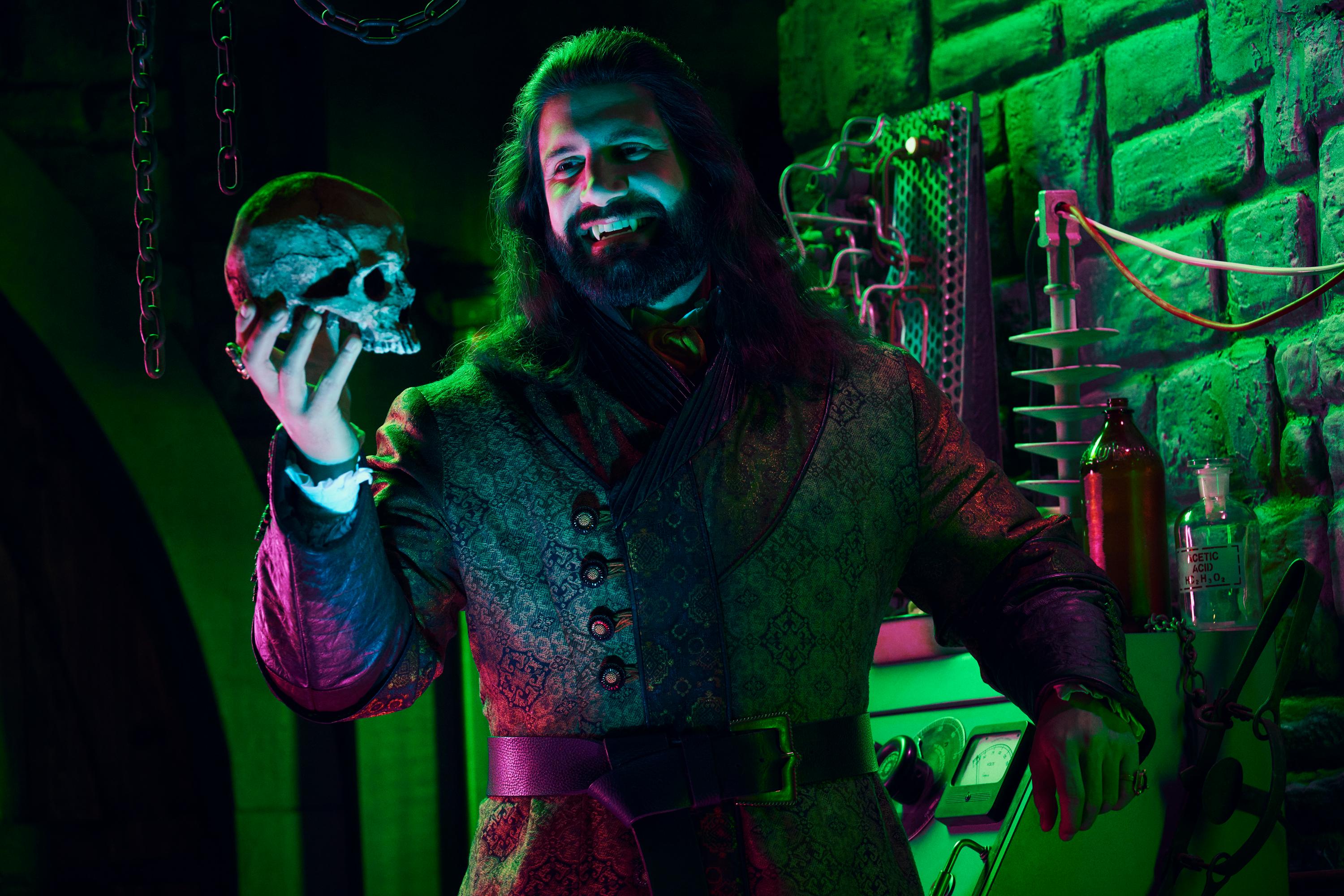
The Art of the Reveal: Transitioning from Dark to Spotlight
The transition from the strategic dark to the public show is the most critical moment in a brand’s lifecycle. This is the “Product Launch,” the “Rebrand,” or the “Grand Opening.” If the work done in the dark was sound, the reveal feels like an inevitable evolution. If the work was shallow, the reveal feels like an expensive mask.
Timing the Launch Spectacle
The timing of a brand’s reveal is as much a psychological game as it is a logistical one. Strategic brands utilize the “mystery” created during their dark period to build anticipation. By leaking small, curated fragments of information, they prime the market for the show. This creates a vacuum of information that the public rushes to fill with their own expectations, effectively doing the brand’s promotional work for it.
However, the reveal must be managed with surgical precision. The “show” is the moment of greatest vulnerability. It is the point where the brand’s internal truth meets the market’s external reality. A successful reveal doesn’t just show a product; it tells a story that justifies why the brand existed in the dark for so long.
Managing Perception and Expectation
In the dark, a brand can be anything. Under the lights, it must be something specific. The art of the reveal involves managing the gap between what people imagined and what the brand actually is. High-end brands, particularly in the tech and fashion sectors, master this by ensuring that the “show” exceeds the expectations built in the dark. They do this by focusing on one or two “hero” features or values that resonate so strongly that any minor disappointments are overlooked.
Case Studies: Brands That Mastered the Dark Strategy
Looking at iconic brands through the lens of the “Dark/Show” dichotomy reveals why they dominate their respective markets. These organizations treat their internal strategy as a sacred ritual, ensuring that by the time they step onto the stage, their victory is already assured.
Apple’s Culture of Confidentiality
Apple is the quintessential example of “what we do in the dark.” Their culture of secrecy is legendary, not just for the sake of surprise, but to maintain the integrity of the user experience. By keeping their development process entirely in the dark, they prevent the market from commoditizing their ideas before they are fully realized. When the “show” (the Keynote) finally happens, it isn’t just a product announcement; it’s a cultural event. The secrecy enhances the brand’s aura of innovation and excellence.
The Stealth Branding of Luxury Houses
Luxury brands like Hermès or Rolex operate almost entirely in the dark. They do not engage in loud, public-facing discounts or aggressive digital marketing. Instead, they focus on the “dark” work of craftsmanship, heritage, and scarcity. Their “show” is the experience of the boutique or the presence of the product on a high-profile wrist. By keeping their processes, their supply chains, and their client lists largely out of the public eye, they maintain a level of prestige that “light-heavy” brands can never achieve.

Maintaining the Mystery: Long-term Brand Preservation
The final stage of this strategy is the realization that a brand must never be “fully” in the light. Once a brand is completely understood, it becomes predictable. Once it is predictable, it becomes a commodity. To survive long-term, a brand must always keep a portion of itself in the dark.
This “Strategic Mystery” is what keeps consumers engaged. It involves constant internal reinvention that isn’t immediately shared with the public. It means having “skunkworks” projects that may never see the light of day, but which inform the products that do. It means maintaining a brand voice that suggests there is more depth beneath the surface than what is currently being displayed.
In conclusion, the “show” is what attracts the customer, but what is done in the dark is what keeps them. The invisible strategy—the culture, the private communities, the internal alignment, and the strategic secrecy—is the true engine of brand value. In an era where everyone is trying to be seen, the most powerful brands are those that understand the profound influence of what happens when the lights are off. Success is not just about the performance; it is about the preparation that no one ever sees.
aViewFromTheCave is a participant in the Amazon Services LLC Associates Program, an affiliate advertising program designed to provide a means for sites to earn advertising fees by advertising and linking to Amazon.com. Amazon, the Amazon logo, AmazonSupply, and the AmazonSupply logo are trademarks of Amazon.com, Inc. or its affiliates. As an Amazon Associate we earn affiliate commissions from qualifying purchases.