
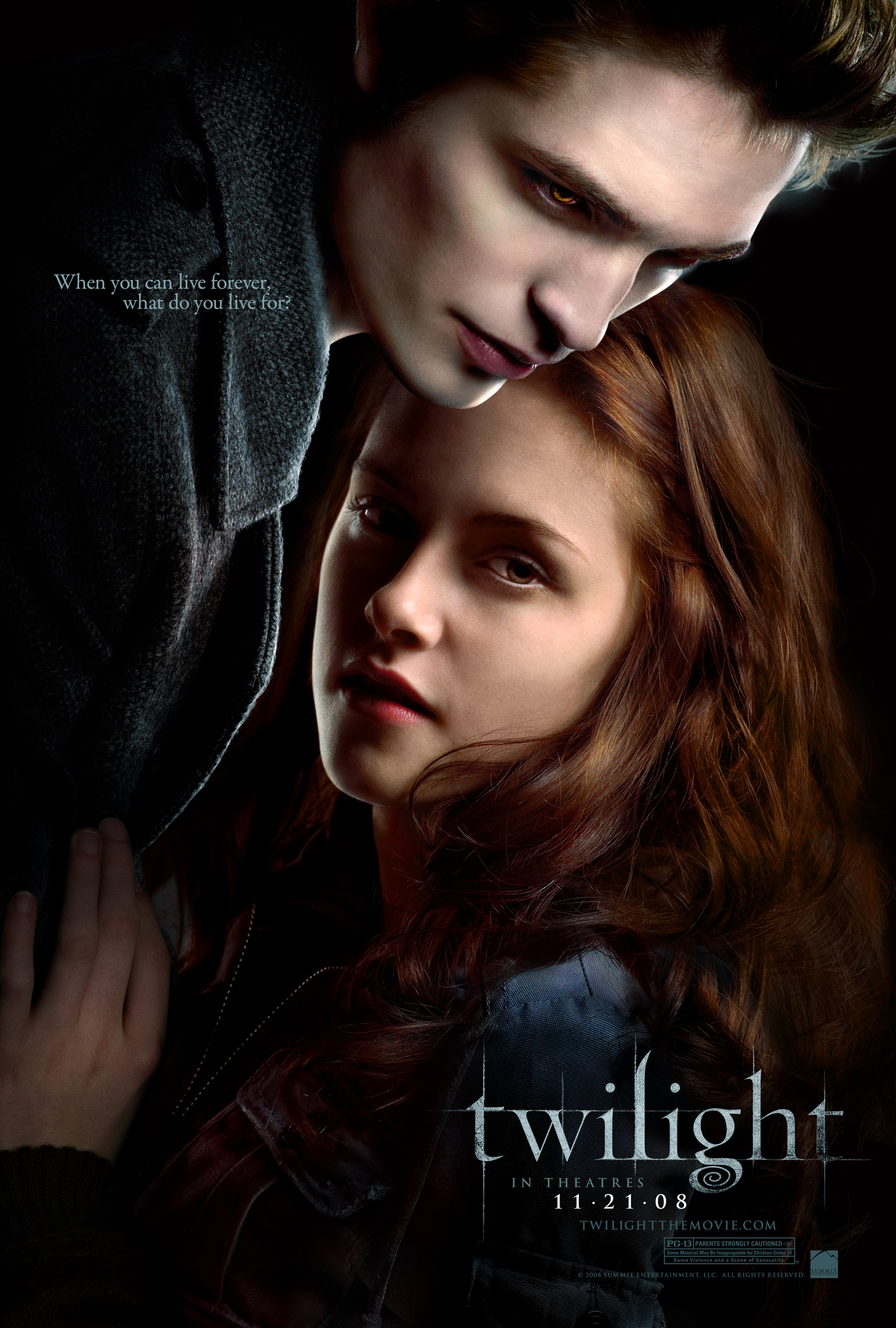
When audiences ask, “What was the first Twilight movie?” they are rarely seeking a simple title. Released in 2008, Twilight was more than just a cinematic adaptation of Stephenie Meyer’s bestselling novel; it was a seismic shift in how entertainment brands are built, marketed, and sustained. At its core, the first film served as the blueprint for a multibillion-dollar corporate identity that redefined the Young Adult (YA) genre and established a new gold standard for consumer engagement.
The success of Twilight was not an accident of timing. It was the result of a calculated brand strategy that leveraged niche positioning, visual consistency, and a revolutionary approach to community building. By analyzing the first film through the lens of brand architecture, we can uncover how a low-budget indie project transformed into a global powerhouse that continues to hold significant brand equity nearly two decades later.
The Strategic Foundation: Identifying and Owning a Niche
Before the first Twilight movie hit theaters, the vampire subgenre was largely dominated by horror tropes or high-action narratives. Summit Entertainment, then a relatively small studio, identified a massive gap in the market: the underserved demographic of young women seeking high-stakes romantic escapism.
Defining the Brand Persona
The branding of the first Twilight movie was built on the “Everygirl” archetype. Bella Swan was intentionally designed to be a relatable vessel for the audience, allowing for a deep psychological connection between the consumer and the brand. This relatability became the cornerstone of the franchise’s identity. Unlike the polished superheroes of the era, the Twilight brand leaned into awkwardness, yearning, and atmospheric moodiness. This positioning allowed the movie to stand out in a crowded marketplace, offering an emotional intensity that competitors were failing to provide.
Pivoting from Book to Screen
One of the most critical brand decisions made during the production of the first film was the commitment to “fan service” as a legitimate business strategy. The studio understood that the readers of the book were the primary brand ambassadors. By staying remarkably faithful to the source material’s emotional beats, the film secured the loyalty of an existing community. This established a foundation of trust, ensuring that the brand’s “early adopters” would do the heavy lifting of marketing the film through word-of-mouth and early social media forums.
Visual Identity and the “Blue Filter” Aesthetic
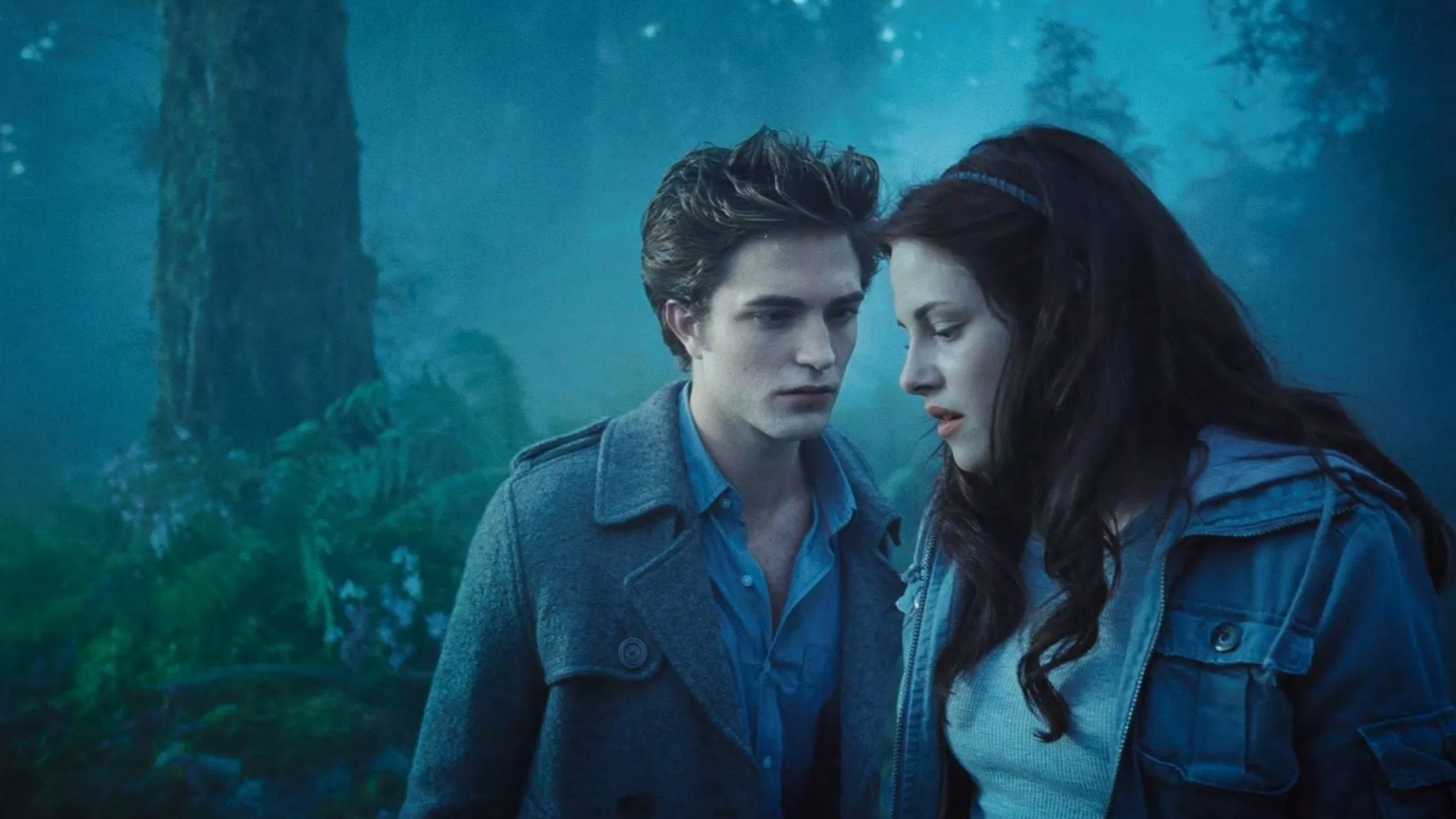
In branding, visual consistency is paramount. The first Twilight movie is famous—and often parodied—for its pervasive blue-and-green color palette. However, from a brand strategy perspective, this was a stroke of genius. Director Catherine Hardwicke utilized a cool-toned, desaturated aesthetic that gave the film a distinct, moody “indie” feel.
Creating a Recognizable Brand Asset
The blue tint became a visual shorthand for the Twilight brand. Even today, a single still frame from the 2008 film is instantly recognizable. This level of visual differentiation is what every corporate identity strives for. It didn’t just look like a movie; it looked like Twilight. This aesthetic extended beyond the screen into the promotional posters, the merchandise, and even the “Twilight-core” fashion trends that would follow.
The Role of Sensory Branding
The branding of the first movie wasn’t limited to visuals; it extended to a carefully curated auditory identity. The soundtrack for the first Twilight movie featured alternative artists like Muse, Paramore, and Iron & Wine. This helped position the brand as “cool” and “alternative” rather than purely commercial. By associating the film with respected indie and rock artists, the brand creators elevated the intellectual and emotional perceived value of the product, appealing to a demographic that valued authenticity.
The “Team” Strategy: Gamifying Consumer Loyalty

Perhaps the most significant contribution the first Twilight movie made to the world of marketing was the formalization of the “Team Edward vs. Team Jacob” campaign. While the rivalry was present in the books, the film’s marketing team weaponized this narrative tension to create a binary choice for the consumer.
The Psychology of Binary Branding
By asking fans to choose a side, the Twilight brand moved from a passive viewing experience to an active, participatory one. This is a classic “Us vs. Them” psychological tactic used in brand strategy to deepen loyalty. When a consumer identifies as “Team Edward,” they are no longer just a fan of a movie; they have integrated the brand into their personal identity. This choice fostered intense community debates, viral social media engagement (in the early days of MySpace and Facebook), and a massive surge in merchandise sales, as fans wanted to wear their “team” on their sleeves.
Scalability and Viral Marketing
The “Team” dynamic was inherently viral. It encouraged peer-to-peer interaction and forced individuals to defend their brand preference, effectively turning every fan into a brand advocate. This strategy turned the first movie into a cultural conversation that lasted far beyond the theatrical window. It proved that a brand’s strongest asset is not its product, but the community’s emotional investment in that product.
Managing Growth: From Niche Indie to Global Powerhouse
The first Twilight movie was produced on a modest budget of approximately $37 million. Its overwhelming success presented a unique brand challenge: how to scale a “niche” identity into a global blockbuster franchise without losing the “soul” that attracted the initial audience.
Brand Consistency vs. Evolution
As the franchise progressed to New Moon, Eclipse, and the Breaking Dawn films, the budgets grew, and the directors changed. However, the core brand pillars established in the first movie—the focus on the central romance, the atmospheric music, and the “team” rivalry—remained intact. The brand successfully navigated the transition from a cult favorite to a mainstream juggernaut by maintaining its “emotional North Star.”
The Ripple Effect on the YA Industry
The branding of the first Twilight movie created a “Gold Rush” in the entertainment industry. For the next decade, every studio sought to replicate the Twilight model. It established a blueprint for book-to-film adaptations that prioritized the fan community and leveraged visual aesthetics as a primary marketing tool. Brands like The Hunger Games and Divergent owe their strategic foundations to the path blazed by the first Twilight film.
The Twilight Renaissance: Brand Longevity and Nostalgia
In recent years, the Twilight brand has experienced what marketers call a “Brand Renaissance.” This is particularly evident on platforms like TikTok and Instagram, where the aesthetic of the first movie has seen a massive resurgence.
Leveraging Nostalgia Equity
The longevity of the Twilight brand is a testament to the strength of its initial positioning. Because the first movie had such a strong, distinct visual and emotional identity, it was able to tap into “nostalgia equity” a decade later. The “Twilight-core” aesthetic—characterized by Pacific Northwest gloom, flannels, and 2000s alt-rock—has been adopted by Gen Z, a demographic that was barely born when the first movie was released.
Lessons for Modern Brand Managers
The enduring relevance of the first Twilight movie offers several lessons for modern brand managers and creators:
- Differentiate Visually: A unique aesthetic can become a brand’s most recognizable asset.
- Foster Participation: Give the audience a way to “join” the brand, whether through a “team” choice or community engagement.
- Respect the Core Audience: The most loyal fans are the most effective marketers.
- Embrace Niche Positioning: Trying to appeal to everyone often leads to a diluted brand. Twilight succeeded by being unapologetically specific.
In conclusion, “What was the first Twilight movie?” is a question that leads to the heart of one of the most successful brand launches in modern history. By focusing on a specific demographic, creating a unique visual language, and gamifying fan loyalty, the creators of the first Twilight movie didn’t just release a film—they launched a cultural movement. The film serves as a timeless case study in how a clear brand vision can transcend the screen and embed itself into the global cultural consciousness.
aViewFromTheCave is a participant in the Amazon Services LLC Associates Program, an affiliate advertising program designed to provide a means for sites to earn advertising fees by advertising and linking to Amazon.com. Amazon, the Amazon logo, AmazonSupply, and the AmazonSupply logo are trademarks of Amazon.com, Inc. or its affiliates. As an Amazon Associate we earn affiliate commissions from qualifying purchases.