
The modern viewer is no longer limited by the constraints of linear broadcasting. We have moved from an era of scarcity to an era of overwhelming abundance. In the early 2000s, “what to watch” was determined by a TV guide and a specific time slot. Today, the question of what TV show to watch next is solved by complex mathematical frameworks, massive data centers, and sophisticated machine learning models.
Finding your next binge-watch is not a matter of chance; it is the result of a highly engineered technological ecosystem designed to predict human desire. To understand how we discover content in the digital age, we must look under the hood of the streaming platforms, software tools, and hardware innovations that have transformed the living room into a personalized data experiment.
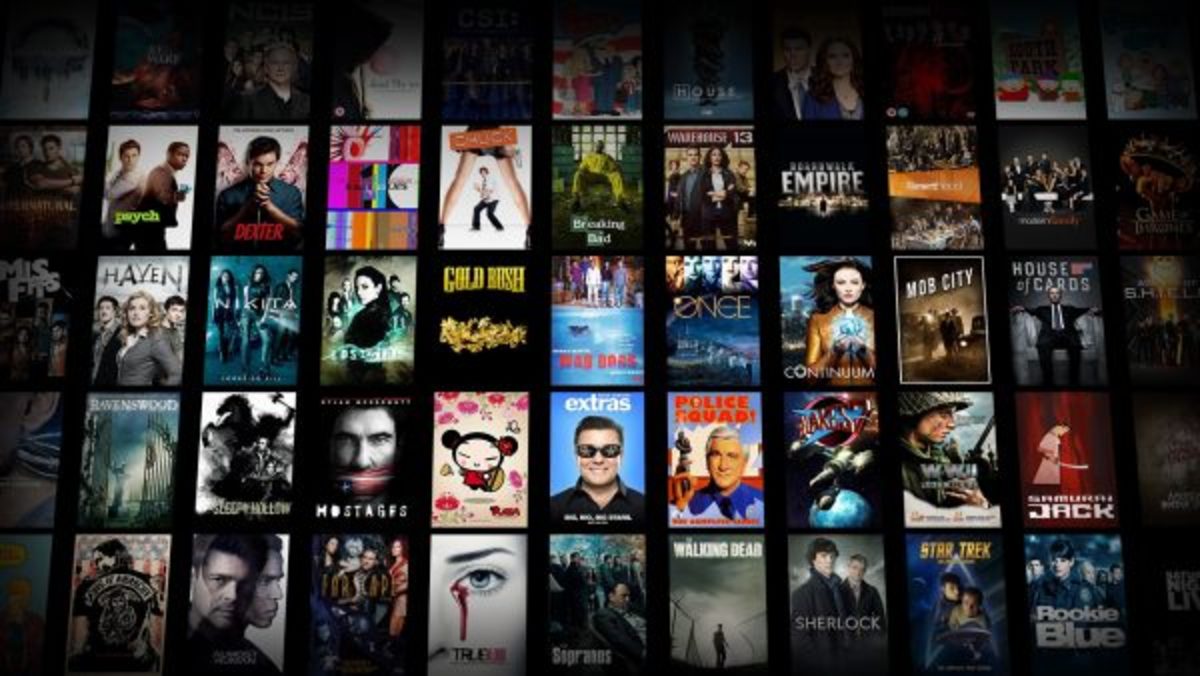
The Evolution of Algorithmic Discovery
At the heart of every major streaming platform—be it Netflix, Disney+, or Max—lies a recommendation engine. These systems are designed to solve the “paradox of choice,” where having too many options leads to decision paralysis. To prevent users from navigating away from the app, companies invest billions in refining their discovery algorithms.
Collaborative Filtering vs. Content-Based Filtering
Recommendation engines generally rely on two primary methodologies. The first is content-based filtering. This system looks at the metadata of what you have already watched. If you have finished three cyberpunk sci-fi series, the algorithm identifies tags such as “Dystopian,” “Future,” and “Neon Aesthetic” to suggest similar titles. It is a linear approach that focuses on the attributes of the media itself.
The second, more powerful method is collaborative filtering. This tech does not look at the show; it looks at you and millions of other users. By identifying “taste clusters,” the software finds thousands of people who share your specific viewing habits. If User A and User B both enjoyed “Succession” and “The Bear,” and User B then watches “Industry,” the algorithm concludes that User A will likely enjoy it as well. This peer-to-peer data modeling allows platforms to make surprising but accurate connections that transcend genre.
The Role of Big Data in Content Creation
The tech behind what you watch next doesn’t just suggest existing shows; it informs the creation of new ones. Streaming giants analyze “micro-engagements” to determine what themes to greenlight. They track when users pause, when they rewind a scene, and at exactly what point they abandon a series.
For instance, if data shows a high retention rate for political thrillers with female protagonists in the 30-45 demographic, the software creates a “demand signal.” Production houses then use these data-driven insights to engineer shows that are statistically likely to succeed. In this sense, the technology is not just predicting the future of your watchlist; it is actively building it.
AI and Machine Learning: Your Digital Critic
As artificial intelligence has evolved, so has the sophistication of the “Next Up” feature. We are moving beyond simple data sorting into the realm of deep learning and neural networks. These AI tools can now process unstructured data, such as visual aesthetics and emotional resonance, to fine-tune suggestions.
Neural Networks and Natural Language Processing (NLP)
Modern recommendation systems often use Natural Language Processing (NLP) to scan through thousands of user reviews, social media discussions, and critic blurbs. By sentiment-mapping the way people talk about a show, the AI can categorize content by “vibe” or “mood” rather than just genre. This is why you might see categories like “Witty Workplace Comedies” or “Ominous Psychological Mysteries.” The AI understands the nuances of language to better align with your current psychological state.
Furthermore, deep learning models can analyze the visual components of a trailer or an episode. Computer vision tech can detect color palettes, pacing, and even the “brightness” of a show. If the system knows you prefer fast-paced, brightly lit action over slow-burn, dark cinematography, it will prioritize content that matches those visual signatures in your feed.
Real-Time Feedback Loops and Reinforcement Learning
The most advanced tech in this space utilizes reinforcement learning. This is a type of machine learning where the system learns through trial and error. Every time you click on a recommended thumbnail, you are providing a “reward” to the algorithm. If you click and watch for only two minutes before exiting, the system receives a negative signal.
This creates a real-time feedback loop. The software is constantly recalibrating your profile. This is why your homepage might look drastically different on a Friday night (when you want mindless entertainment) compared to a Sunday afternoon (when you might prefer a documentary). The AI is learning to predict your needs based on the time of day, the device you are using, and your historical patterns of “binging” versus “sampling.”
Third-Party Tools and Specialized Software
While the platforms themselves have internal engines, a secondary market of software and apps has emerged to help users navigate the fragmented streaming landscape. With content spread across dozens of services, the tech challenge has shifted from “what to watch” to “where to find it.”
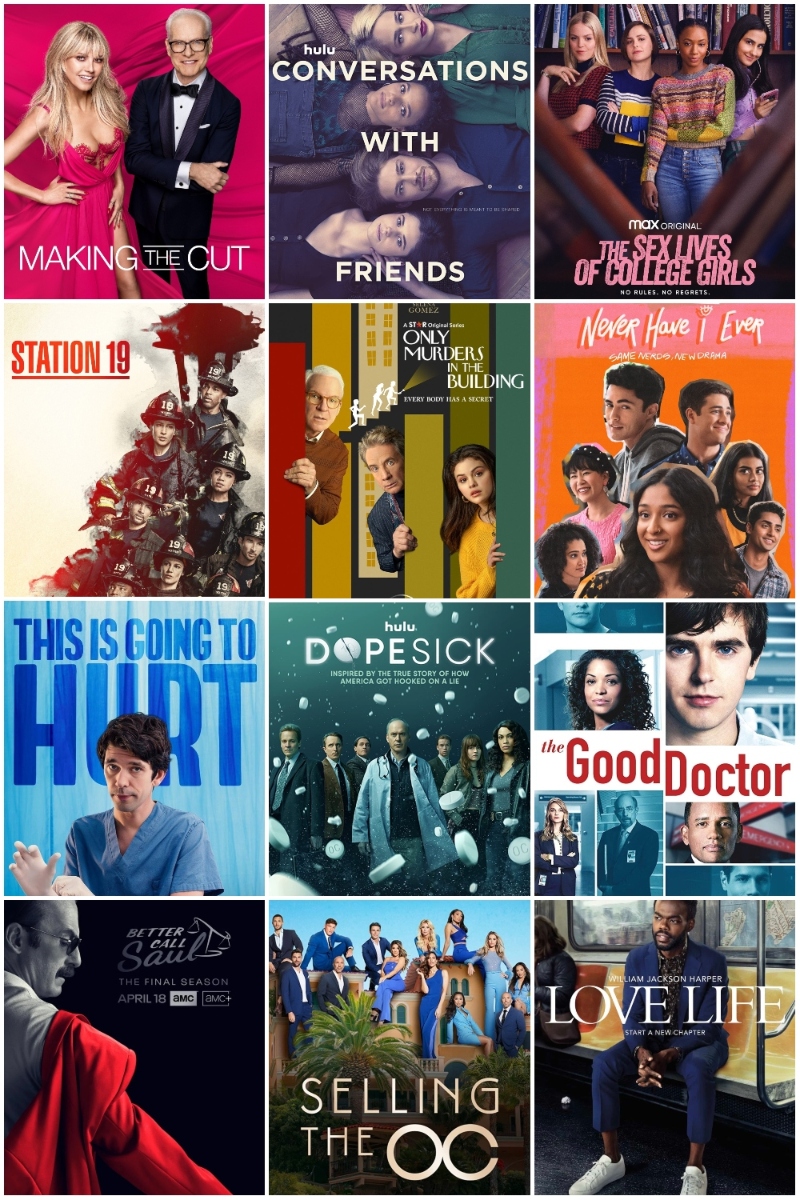
Cross-Platform Aggregators
Apps like JustWatch and Reelgood have become essential tools for the modern viewer. These platforms use API (Application Programming Interface) integrations to pull data from every major streaming service into a single interface. From a technical standpoint, these aggregators solve the problem of data silos. Instead of opening five different apps to check for a specific show, the software queries multiple databases simultaneously to provide a unified search result.
These tools also leverage localized data. Since licensing agreements change by region, these apps use IP-based geolocation to ensure that the “Watch Now” button actually leads to a service available in the user’s country. This layer of middleware is crucial for maintaining a seamless user experience in a complex global market.
The Rise of Social Recommendation Tech
Social-centric apps like TV Time or Letterboxd (for film and increasingly TV) add a human layer to the algorithmic stack. These platforms use social graphing to connect your watchlist with your real-world acquaintances. By integrating with contact lists and social media APIs, these apps create a hybrid discovery model: part data-driven, part word-of-mouth.
From a software perspective, these apps prioritize community-driven data. They track “trending” shows in real-time, often anticipating a hit before the platform’s own algorithm catches up. This “crowdsourced intelligence” provides a different type of signal—one based on cultural momentum rather than just historical viewing habits.
Hardware Optimization and the Viewing Experience
The technology of discovery is not limited to software. The hardware you use—the Smart TV, the streaming stick, or the mobile device—plays a pivotal role in how shows are presented and consumed.
Smart TV Operating Systems and User Interfaces
The User Interface (UI) and User Experience (UX) design of Smart TV operating systems (like Roku OS, Samsung’s Tizen, or LG’s webOS) are built to prioritize discovery. Modern TVs now feature “Universal Search” functions that operate at the OS level. This means the hardware itself is running a search algorithm that bypasses individual apps to scan the entire digital library.
Moreover, the integration of voice assistants like Alexa, Google Assistant, and Siri has changed the input method for discovery. Natural Language Understanding (NLU) allows users to say, “Find me a show like Breaking Bad,” and the hardware processes that request through a cloud-based knowledge graph to return relevant results. This reduces the friction of typing on a remote and makes the discovery process conversational.
Enhancing Visual and Audio Fidelity via Software
Once you decide what to watch, the tech continues to work in the background to ensure the “next” show is seen in its best light. Software-driven enhancements like Dolby Vision, HDR10+, and AI-upscaling transform the raw data stream into a cinematic experience.
AI-upscaling, in particular, is a marvel of modern processing. It uses machine learning to fill in the pixels of older, lower-resolution shows, making them look sharp on 4K or 8K displays. This tech breathes new life into “legacy” content, making older series more attractive to younger audiences who are used to high-definition standards.
The Future: Generative AI and Interactive Narratives
As we look toward the next frontier of TV show discovery, generative AI stands out as the most disruptive force. We are approaching a point where the tech will not just suggest a show, but perhaps even help customize it.
Personalization Beyond Selection
Future streaming software may use generative AI to create personalized trailers for existing shows. If the data knows you love romance, the AI could generate a trailer for an action show that highlights the subplot of the lead characters’ relationship. This “dynamic creative optimization” ensures that the “hook” is perfectly tailored to each individual user.
Furthermore, we are seeing the rise of interactive narratives, similar to Netflix’s “Bandersnatch.” As the underlying software for branching narratives becomes more accessible, the concept of “watching a show” may evolve into “participating in an experience.” The technology will track your choices within the story to recommend future shows that align with the moral or strategic decisions you made during the viewing.

Privacy and Data Security in Discovery
With the increased reliance on data comes the critical conversation surrounding digital security and privacy. To provide hyper-personalized recommendations, platforms must collect vast amounts of telemetry data. The future of this tech lies in “Federated Learning” and on-device processing—methods that allow the AI to learn from your habits without ever sending your raw personal data to a central server. Ensuring that the quest for the perfect TV show doesn’t compromise personal privacy is a top priority for developers building the next generation of streaming tech.
The search for what TV show to watch next is no longer a simple question. It is a sophisticated interaction between human taste and high-level computation. Through the lens of AI, big data, and advanced hardware, the streaming industry has turned the act of “flipping channels” into a precision science, ensuring that the next great story is always just one click away.
aViewFromTheCave is a participant in the Amazon Services LLC Associates Program, an affiliate advertising program designed to provide a means for sites to earn advertising fees by advertising and linking to Amazon.com. Amazon, the Amazon logo, AmazonSupply, and the AmazonSupply logo are trademarks of Amazon.com, Inc. or its affiliates. As an Amazon Associate we earn affiliate commissions from qualifying purchases.