
For decades, the approach to hair thinning was largely reactive and manual. Patients would wait until significant scalp visibility occurred before seeking a dermatologist, who would then prescribe a one-size-fits-all topical solution. However, the intersection of biotechnology, artificial intelligence, and wearable hardware has fundamentally shifted the landscape of trichology. Today, addressing hair thinning is no longer a matter of guesswork; it is a data-driven process powered by the latest technological advancements.
From AI-powered diagnostic tools to low-level laser therapy (LLLT) and regenerative biotech, the toolkit for managing hair density is more sophisticated than ever. For those looking to halt or reverse the progression of thinning, the most effective strategies now involve integrating high-tech interventions into a cohesive digital and biological regimen.
The Rise of AI-Driven Diagnostics and Personalized Treatment Plans
The first step in any technological solution is the gathering of high-quality data. Traditionally, diagnosing the specific cause of hair thinning—whether androgenetic alopecia, telogen effluvium, or nutritional deficiencies—required physical biopsies or subjective visual assessments. Modern tech has introduced precision to this phase through computer vision and machine learning.
Computer Vision in Digital Trichology
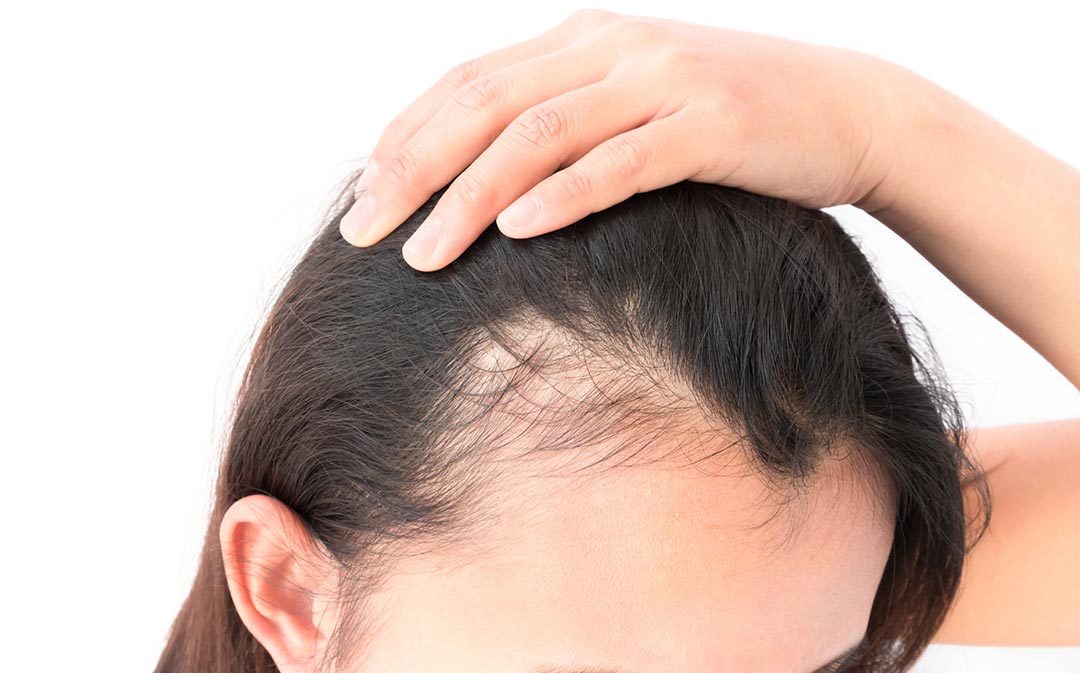
High-resolution scalp scanners and digital trichoscopes are now integrated with AI algorithms that can analyze hair density, follicular unit distribution, and diameter at a microscopic level. These tools, often used in specialized tech-forward clinics, provide a “hair mass index” (HMI). By using computer vision, these systems can detect thinning long before it is visible to the naked eye, allowing for early intervention. AI models are trained on millions of images of healthy versus thinning scalps, enabling them to identify early signs of miniaturization—the process where hair follicles shrink until they stop producing visible hair.
Algorithm-Based Supplement and Topicals Customization
The era of “one-size-fits-all” vitamins is being replaced by personalized nutrition tech. Companies now use blood test data and DNA sequencing (NGS – Next-Generation Sequencing) to identify genetic predispositions to hair loss, such as sensitivity to Dihydrotestosterone (DHT). Based on these biological data points, algorithms generate custom-compounded topicals and supplements. This bespoke approach ensures that the user is not just flooding their system with generic biotin, but targeting the specific enzymatic pathways responsible for their thinning.
Low-Level Laser Therapy (LLLT) and the Evolution of Wearable Tech
Perhaps the most visible technological shift in hair restoration is the move from clinical laser machines to consumer-grade wearable devices. Photobiomodulation, or Low-Level Laser Therapy (LLLT), has moved from the realm of experimental science to a primary pillar of hair tech.
The Physics of Photobiomodulation
LLLT works by emitting specific wavelengths of red light (typically in the 630-670 nanometer range) that penetrate the scalp. This light energy is absorbed by the mitochondria in the hair follicle cells, stimulating the production of Adenosine Triphosphate (ATP). Increased ATP production leads to enhanced cellular metabolism, which can shift follicles from the dormant (telogen) phase back into the active growth (anagen) phase.
Modern wearables, such as laser caps and helmets, utilize hundreds of medical-grade laser diodes rather than simple LEDs. These devices are engineered with sensors to ensure even distribution of light and are often paired with mobile apps that track usage consistency—a critical factor in the success of light-based therapies.
Integrating IoT for Treatment Compliance
One of the biggest hurdles in treating hair thinning is the long feedback loop; it takes months to see results. Tech-enabled hair growth devices now utilize Internet of Things (IoT) connectivity to solve this. Smart helmets sync with smartphones to provide reminders, track battery life, and log every session. Some advanced platforms even use the phone’s camera to take “progress selfies” under consistent lighting conditions, using AI to overlay images and show the user subtle changes in density that would otherwise be missed. This gamification of hair health significantly increases patient adherence to long-term protocols.
Telemedicine and the Digitalization of Hair Health
The digital transformation of healthcare has removed the friction of seeking professional help. Telemedicine platforms have specialized into “health-tech” ecosystems that handle everything from the initial video consultation to the automated delivery of pharmaceutical-grade treatments.
Remote Consultations and Digital Prescriptions
Technology has democratized access to specialists. Through encrypted video conferencing and high-definition photo uploads, users can consult with world-class trichologists regardless of their geographic location. This tech-first model allows for the rapid scaling of medical advice. Once a diagnosis is made, these platforms utilize cloud-based pharmacy systems to ship custom formulations—often combining multiple active ingredients like Minoxidil, Finasteride, and various peptides into a single, user-friendly spray.
Direct-to-Consumer (DTC) Tech Ecosystems
The rise of DTC hair tech companies has led to a streamlined “stack.” These companies provide a full technological suite: an app for tracking, a wearable device for stimulation, and a subscription-based model for medical topicals. By centralizing the data, these platforms can adjust dosages or recommend changes in the regimen based on the user’s reported feedback and photographic evidence, creating a closed-loop system of hair maintenance.
The Future of Hair Restoration: Biotech and Regenerative Innovation
While current tech focuses on maintaining and stimulating existing follicles, the cutting edge of hair tech is moving toward “growing back” what was lost through regenerative medicine and bioengineering.
3D Bioprinting of Hair Follicles
One of the most ambitious frontiers in technology is 3D bioprinting. Researchers are currently developing methods to print human skin tissue that includes functional hair follicles. By using a “bio-ink” comprised of the patient’s own cells, scientists aim to create an unlimited supply of follicles that can be implanted into thinning areas. This would eliminate the primary limitation of traditional hair transplants: the finite supply of donor hair.
Gene Editing and mRNA Potential
Following the success of mRNA technology in vaccines, biotech firms are investigating how messenger RNA can be used to “re-program” the hair follicle. The goal is to send specific instructions to the scalp to restart the growth cycle or to neutralize the receptors that react to DHT. Similarly, CRISPR-based gene editing is being researched as a way to permanently alter the genetic expression of hair follicles, potentially providing a “one-and-done” technological cure for hereditary thinning.
Exosome Therapy and Secretome Tech
Exosomes represent the next step beyond Stem Cell therapy. These are extracellular vesicles that act as the signaling system between cells. In the context of hair thinning, lab-engineered exosomes can be “programmed” with growth factors and injected or microneedled into the scalp. This bio-tech intervention triggers a massive surge in local cell communication, instructing dormant follicles to begin repair and regrowth. The technology used to isolate and concentrate these exosomes is at the absolute peak of current laboratory science.

Optimizing the Tech Stack: How to Build a Modern Regimen
To effectively combat hair thinning in the modern era, one must view the scalp as a biological system that requires a multi-faceted technical approach. A “high-tech stack” for hair thinning usually involves three distinct layers:
- The Diagnostic Layer: Utilize AI-based apps or professional digital scalp mapping to establish a baseline and identify the specific type of thinning.
- The Stimulatory Layer: Incorporate wearable LLLT devices. Consistency is managed through IoT-connected apps to ensure the follicles receive the necessary ATP boost.
- The Biochemical Layer: Use data from DNA testing or blood work to secure a personalized, pharmaceutical-grade topical through a telemedicine platform.
As these technologies continue to converge, the “solution” for hair thinning will move further away from generic retail products and closer to a fully integrated, data-backed biological management system. We are entering an era where hair density is managed through a dashboard, and thinning is treated as a solvable engineering challenge rather than an inevitable biological decline. By leveraging these AI, wearable, and biotech tools, individuals can now take precise control over their follicular health with more confidence and efficacy than ever before.
aViewFromTheCave is a participant in the Amazon Services LLC Associates Program, an affiliate advertising program designed to provide a means for sites to earn advertising fees by advertising and linking to Amazon.com. Amazon, the Amazon logo, AmazonSupply, and the AmazonSupply logo are trademarks of Amazon.com, Inc. or its affiliates. As an Amazon Associate we earn affiliate commissions from qualifying purchases.