
For millions of hopeful participants, the question “what time is Mega Millions drawn tonight?” is more than a simple inquiry about a schedule; it represents the convergence of high-stakes speculation and the dream of total financial transformation. Mega Millions drawings occur every Tuesday and Friday night at 11:00 PM Eastern Time. While the physical drawing takes place at the WSB-TV studios in Atlanta, Georgia, its financial ripples extend across 45 states, the District of Columbia, and the U.S. Virgin Islands.
Understanding the timing is the first step, but for the financially savvy, the drawing is merely the entry point into a complex world of wealth management, tax implications, and strategic decision-making. Whether you are a casual player or someone interested in the mechanics of large-scale financial windfalls, navigating the landscape of the Mega Millions requires a professional understanding of how these massive capital pools operate.

The Logistics of the Mega Millions Draw: Times, Dates, and Procedure
The Mega Millions drawing is a precision-timed event, occurring twice weekly at 11:00 PM ET. However, for those looking to participate, the “cutoff time” for purchasing tickets is the more critical data point. Most states stop ticket sales between 15 and 60 minutes before the drawing, typically around 10:00 PM or 10:45 PM ET. This window is crucial for managing the influx of capital that pours into the system as the jackpot climbs.
How the Drawing Mechanism Works
The process utilizes two separate drums. The first contains white balls numbered 1 through 70, while the second “Gold Mega Ball” drum contains balls numbered 1 through 25. From a statistical perspective, the odds of matching all six numbers are approximately 1 in 302.6 million. In the realm of personal finance, these odds categorize the lottery not as an investment, but as a form of high-variance entertainment.
Watching the Results in Real-Time
In the digital age, results are disseminated almost instantaneously. While traditional television broadcasts continue, most participants verify their numbers via official state lottery apps or the Mega Millions website shortly after the 11:00 PM draw. For those managing their finances through digital tools, these apps often provide immediate notifications, allowing for quick verification of any potential return on the “investment” of the ticket price.
The Economics of the Jackpot: Understanding Payout Structures
When the drawing occurs tonight, the number announced as the “jackpot” is often misunderstood by the general public. From a financial planning perspective, there are two distinct ways to value a Mega Millions win: the Annuity Option and the Cash Option (Lump Sum). Understanding the Time Value of Money (TVM) is essential here.
The Annuity Option: Long-Term Capital Security
The advertised jackpot is typically the sum of 30 graduated payments over 29 years. Under the annuity structure, the winner receives an immediate payment followed by 29 annual payments, with each payment being 5% larger than the previous one. This is designed to help winners protect their purchasing power against inflation. For individuals who worry about “Sudden Wealth Syndrome” or lack experience managing eight-figure portfolios, the annuity provides a built-in safety net, ensuring a steady stream of income for three decades.
The Cash Option: Immediate Liquidity and Investment Potential
The “Cash Option” is the actual amount of liquid assets the lottery commission has on hand to fund the jackpot at the time of the drawing. This amount is significantly lower than the advertised annuity total. However, most high-net-worth individuals and financial advisors favor the lump sum. Why? Because it allows the winner to immediately deploy the capital into a diversified investment portfolio. If a winner can achieve an average annual return that exceeds the internal rate of return offered by the lottery’s annuity, the lump sum will ultimately generate more wealth over time.
Navigating the Tax Burden of a Major Financial Windfall
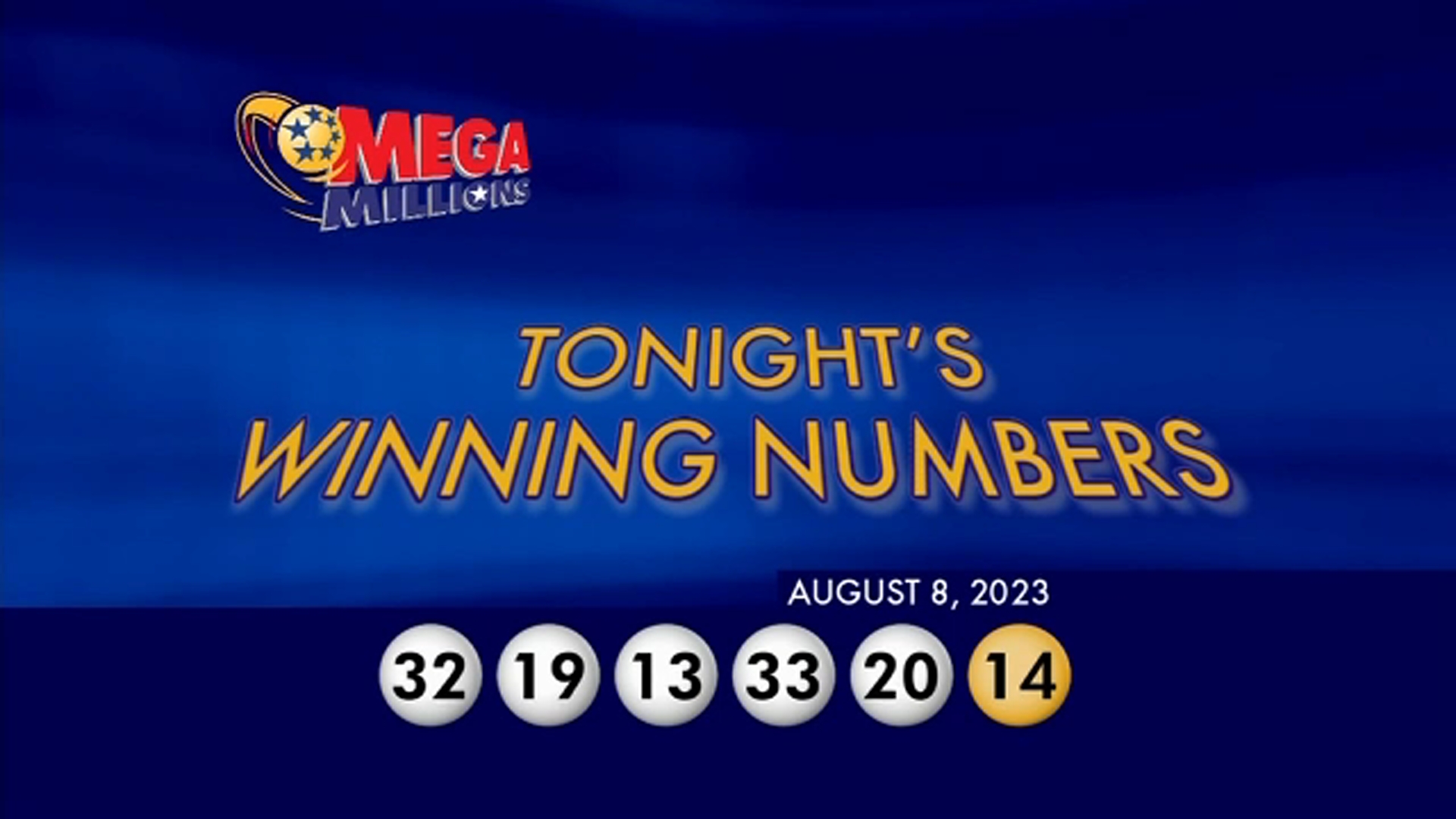
If your numbers are called during tonight’s 11:00 PM drawing, your first partner in that wealth will be the Internal Revenue Service (IRS). Lottery winnings are treated as ordinary income, and the tax implications are immediate and substantial.
Federal Withholdings and Liabilities
The lottery commission is required by law to withhold 24% of any prize over $5,000 for federal taxes. However, since the top federal tax bracket for individuals is currently 37%, a jackpot winner will likely owe an additional 13% when they file their annual tax return. This “tax gap” is a critical factor in financial planning; winners must set aside a significant portion of their payout to cover this liability, or they risk severe penalties from the IRS.
State-Level Tax Variations
State taxes add another layer of complexity. Some states, such as Florida, Texas, and Washington, do not tax lottery winnings because they do not have a state income tax. In contrast, winners in states like New York or New Jersey may face additional withholdings of 8% to 10% or more. For those living in cities with local income taxes, such as New York City, the total tax bite can approach 50% of the gross winnings. Understanding your specific nexus—the state where the ticket was purchased versus your state of residence—is vital for accurate financial forecasting.
Wealth Preservation: Protecting Your Assets After the Draw
The moments following a successful Mega Millions draw are often chaotic. From a wealth management perspective, the priority shifts from “winning” to “preservation.” History is replete with stories of lottery winners who declared bankruptcy within a decade because they failed to establish a professional financial infrastructure.
Building a Fiduciary Team
Before claiming a prize, a winner should assemble a “Power Team” consisting of:
- A Tax Attorney: To navigate the complex filing requirements and potential gift tax issues.
- A Certified Public Accountant (CPA): To manage the immediate tax liabilities and annual filings.
- A Fee-Only Financial Planner: A fiduciary who is legally obligated to act in the winner’s best interest, helping to design a long-term investment strategy.
- An Estate Lawyer: To update wills, establish trusts, and ensure that the wealth can be transferred to future generations with minimal friction.
Anonymity and Security
Only a handful of states allow lottery winners to remain anonymous. In states where public disclosure is mandatory, winners often use legal entities like a “Blind Trust” or a Limited Liability Company (LLC) to claim the prize. This adds a layer of privacy, shielding the individual’s identity from the public eye and reducing the risk of predatory solicitations or security threats.
The Role of Lotteries in a Balanced Financial Ecosystem
While the excitement of the 11:00 PM drawing is undeniable, it is important to contextualize the lottery within the broader scope of personal finance. Economists often refer to the lottery as a “regressive tax” because a higher percentage of income is typically spent on tickets by lower-income households.
The “Expected Value” Calculation
In professional gambling and investing, we look at Expected Value (EV). The EV of a $2 Mega Millions ticket is usually negative—meaning, on average, you lose money for every ticket purchased. However, as the jackpot climbs toward the billion-dollar mark, the EV can technically become positive, even when factoring in the odds of multiple winners sharing the pot. Despite a positive EV, the extreme variance makes it a poor substitute for traditional retirement vehicles like 401(k)s or IRAs.

Responsible Participation as Discretionary Expense
The most effective way to view the Mega Millions is as a discretionary entertainment expense. Just as one might budget for a movie or a sporting event, a responsible financial plan treats lottery tickets as “fun money” that has already been accounted for in the monthly budget. This ensures that the pursuit of a jackpot never compromises essential financial goals like emergency funds, debt repayment, or long-term investing.
In conclusion, knowing “what time is Mega Millions drawn tonight” is just the start of a much larger financial conversation. While 11:00 PM ET marks the moment of destiny for the balls in the drum, the real work begins when the cameras turn off. By understanding the payout structures, tax obligations, and the necessity of professional wealth management, participants can transition from being mere dreamers to being informed stewards of their own financial potential. Whether the jackpot is $20 million or $1.2 billion, the principles of disciplined finance remain the same: protect your capital, plan for the taxman, and always prioritize long-term stability over short-term speculation.
aViewFromTheCave is a participant in the Amazon Services LLC Associates Program, an affiliate advertising program designed to provide a means for sites to earn advertising fees by advertising and linking to Amazon.com. Amazon, the Amazon logo, AmazonSupply, and the AmazonSupply logo are trademarks of Amazon.com, Inc. or its affiliates. As an Amazon Associate we earn affiliate commissions from qualifying purchases.