
For millions of hopeful participants across the United States, the Powerball represents more than just a game of chance; it is a cultural phenomenon that intersects with the dreams of financial independence and the complexities of modern wealth management. Understanding the logistical details—specifically, what time the Powerball goes off—is the first step in engaging with one of the world’s most significant speculative financial events. However, the timing of the draw is merely the gateway to a broader discussion regarding fiscal responsibility, tax implications, and the management of sudden wealth.
Understanding the Powerball Drawing Schedule and Mechanics
The Powerball drawing is a high-stakes event conducted with rigorous security and precision. Knowing exactly when the numbers are selected is crucial for those who treat the lottery as a disciplined, albeit high-risk, part of their entertainment budget.
The Specific Timing: When and Where?
Powerball drawings occur three times a week: every Monday, Wednesday, and Saturday. The official drawing time is 10:59 p.m. Eastern Time (ET). These drawings are held at the Florida Lottery studio in Tallahassee. While the actual process of selecting the numbered balls takes only a few minutes, the window for participation closes significantly earlier depending on your jurisdiction.
For those living in different time zones, the “go off” time translates as follows:
- Eastern Time: 10:59 p.m.
- Central Time: 9:59 p.m.
- Mountain Time: 8:59 p.m.
- Pacific Time: 7:59 p.m.
It is important to note that while the drawing is synchronized nationally, local broadcast times may vary. Many participants now opt to watch the drawing via the official Powerball website or through authorized lottery apps to ensure they receive the results in real-time.
Ticket Cut-off Times: Avoiding the Last-Minute Rush
While the drawing occurs at 10:59 p.m. ET, you cannot purchase a ticket right up until the balls are dropped. Each participating state sets its own “cut-off” time for ticket sales, typically ranging from one to two hours before the drawing. In most jurisdictions, sales stop between 9:45 p.m. and 10:00 p.m. ET on drawing nights.
Failing to account for these cut-off times is a common pitfall for those caught up in “jackpot fever” when the prize climbs into the hundreds of millions. From a financial planning perspective, waiting until the final hour is rarely advisable, as high traffic can lead to system delays at retail terminals or within digital platforms.
The Financial Reality of the Jackpot: Odds, Payouts, and Taxes
Beyond the timing of the draw lies the mathematical reality of the game. Engaging with the Powerball requires a clear-eyed understanding of the odds and the actual net value of the prize. While the advertised jackpot is the number that captures headlines, the “take-home” pay is a significantly different figure.
Calculating the Real Value: Lump Sum vs. Annuity
When a participant wins the Powerball jackpot, they are faced with the most critical financial decision of their lives: choosing between the cash option (lump sum) and the annuity.
The Lump Sum is the actual cash currently held in the prize pool. This is typically significantly lower than the advertised jackpot, which is based on the projected value if the money were invested in government bonds over 30 years. For many savvy investors, the lump sum is the preferred choice because it allows for immediate control over the capital, enabling them to pursue diversified investment strategies that may outperform the lottery’s own bond-based projections.
The Annuity option provides one immediate payment followed by 29 annual payments that increase by 5% each year. This is often recommended for individuals who may lack the disciplined financial infrastructure to manage a massive influx of liquidity. It provides a “safety net,” ensuring that even a series of poor financial decisions in the first few years won’t deplete the entire fortune.
Navigating the Tax Landscape
Winning the lottery is not just a windfall; it is a taxable event of the highest order. The Internal Revenue Service (IRS) treats lottery winnings as ordinary income.
- Federal Withholding: Immediately upon winning, the lottery commission is required to withhold 24% of the prize for federal taxes. However, because the top federal tax bracket is currently 37%, winners will likely owe an additional 13% when they file their annual tax returns.
- State Taxes: Depending on where the ticket was purchased, state taxes can take another significant bite. States like New York or Maryland have high lottery tax rates, while states like Florida, Texas, and Washington do not tax lottery winnings at the state level.
- Local Taxes: In some instances, municipal taxes (such as those in New York City) can further reduce the final amount.
When the “time the Powerball goes off” results in a winning ticket, the winner is essentially entering into a partnership with the government, where nearly half of the prize may be earmarked for public coffers.
Managing a Sudden Wealth Event: Strategic Steps for Winners
If the 10:59 p.m. draw results in a life-changing win, the immediate minutes and hours following the announcement are critical. “Sudden Wealth Syndrome” is a documented psychological and financial phenomenon where individuals who inherit or win large sums of money quickly lose it due to poor planning and emotional stress.
Building a Professional Advisory Team
The moment a win is confirmed, the winner should resist the urge to claim the prize immediately. Most states allow a window of 90 days to one year to claim winnings. This time should be used to assemble a “dream team” of financial professionals:
- Tax Attorney: To navigate the complex filing requirements and structure the claim to minimize liability.
- Certified Public Accountant (CPA): To manage the immediate tax payments and long-term fiscal reporting.
- Fee-Only Financial Planner: To create a comprehensive investment policy statement (IPS) that aligns with the winner’s long-term goals.
- Estate Planner: To update wills, trusts, and healthcare directives to reflect the new asset level.
The Importance of Immediate Privacy and Security
In the digital age, a lottery win can lead to an immediate loss of privacy. Some states require winners to be publicly identified, while others allow them to remain anonymous or claim the prize through a legal entity, such as a blind trust or an LLC.
Protecting one’s identity is not just about avoiding “long-lost relatives” or solicitations; it is a matter of physical and digital security. Deactivating social media accounts and changing phone numbers before the win is made public are standard defensive maneuvers for the modern jackpot winner.
The Role of Speculative Play in Personal Finance
While the odds of winning the Powerball are approximately 1 in 292.2 million, the game remains a staple of the American financial landscape. Understanding how to integrate this type of speculative play into a broader financial strategy is key to maintaining fiscal health.
Budgeting for Entertainment vs. Investing
From a strict financial standpoint, the expected value of a Powerball ticket is usually less than its cost. Therefore, ticket purchases should never be categorized as “investing.” Instead, they should fall under “discretionary entertainment.”
A healthy personal finance plan allows for small amounts of “hope-based” spending, provided it does not interfere with essential goals like retirement contributions, emergency funds, or debt repayment. If the cost of playing the lottery impacts one’s ability to pay bills or save, it has shifted from a harmless diversion to a financial liability.

The Psychology of the “Hope” Asset
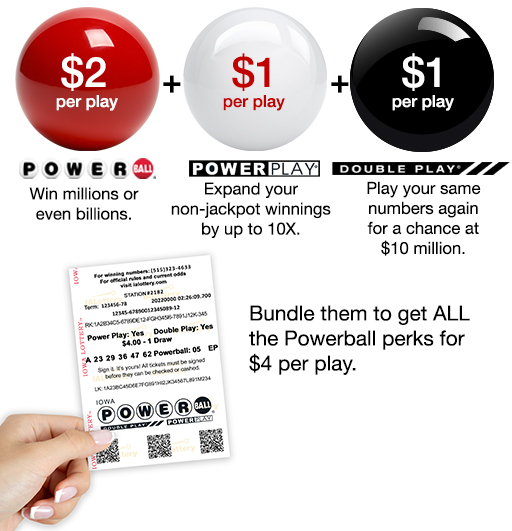
For many, the $2 spent on a Powerball ticket buys more than just a chance at a drawing; it buys forty-eight hours of “what-if” scenarios. This psychological benefit is what economists sometimes refer to as “utility.” As long as the participant understands that the 10:59 p.m. draw is almost certainly not going to result in a jackpot for them personally, the “fun” of the game can be managed responsibly.
However, the most successful individuals treat their primary wealth-building activities—career growth, stock market investing, and real estate—with the seriousness they deserve, while viewing the Powerball as a background event. They know that while the clock strikes 10:59 p.m. three times a week, true financial freedom is built on the minutes and hours spent in disciplined saving and strategic planning.
By understanding the timing, the math, and the massive responsibilities that come with a win, participants can approach the Powerball not as a desperate gamble, but as a calculated, minor component of their broader financial life. Whether you are checking the numbers for a $20 million jackpot or a $1 billion prize, the principles of sound money management remains the same: protect your capital, plan for taxes, and always prioritize long-term stability over short-term excitement.
aViewFromTheCave is a participant in the Amazon Services LLC Associates Program, an affiliate advertising program designed to provide a means for sites to earn advertising fees by advertising and linking to Amazon.com. Amazon, the Amazon logo, AmazonSupply, and the AmazonSupply logo are trademarks of Amazon.com, Inc. or its affiliates. As an Amazon Associate we earn affiliate commissions from qualifying purchases.