
The year 2023 marked a transformative period for the cannabis industry in the United States, transitioning from a speculative “green rush” into a sophisticated, albeit complex, pillar of the modern economy. For investors, entrepreneurs, and financial analysts, the expansion of recreational legalization represents more than a shift in social policy; it signifies the birth of high-growth markets and a massive reallocation of capital. As of 2023, the map of legalized states has expanded, bringing with it new opportunities for tax revenue, job creation, and institutional investment.
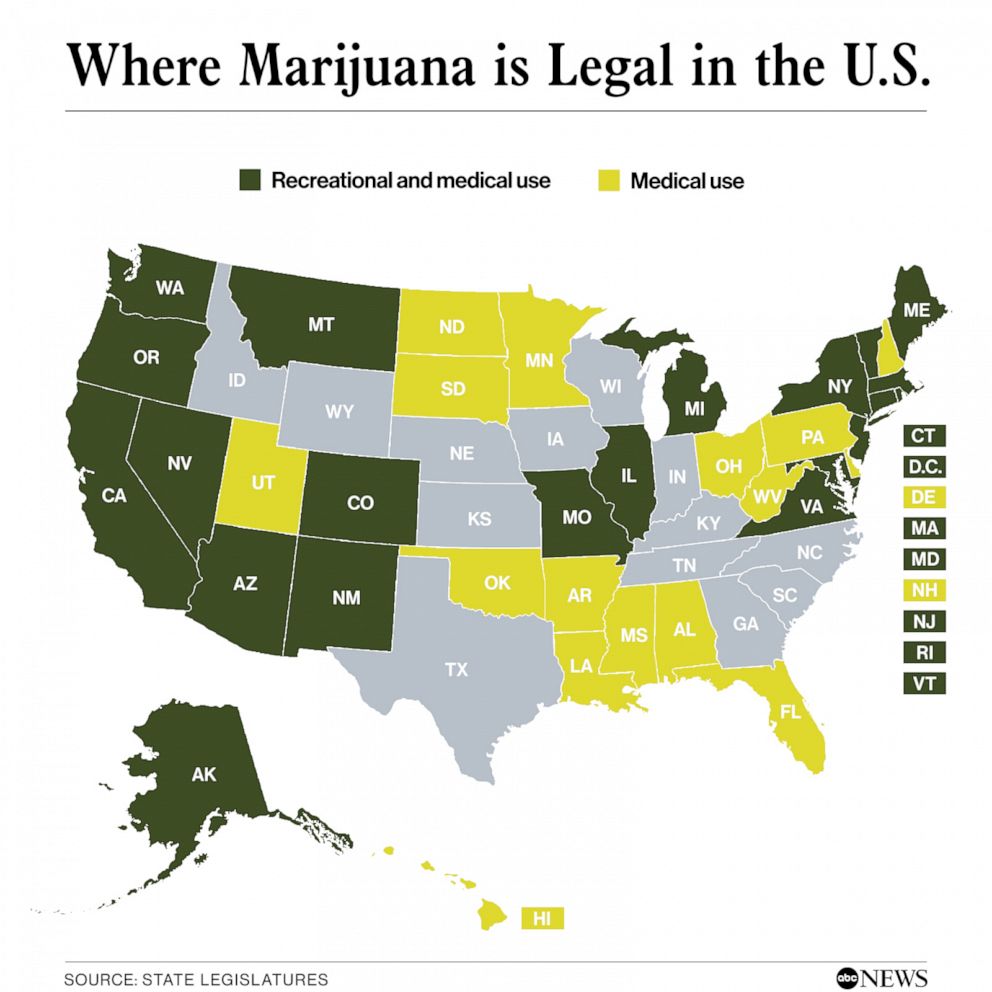
Understanding the financial implications of this shift requires a deep dive into the specific states that joined the recreational ranks in 2023 and the broader economic structures that govern this burgeoning sector. In a year defined by high interest rates and cautious consumer spending, the cannabis market has remained a unique outlier, offering localized economic booms while facing significant federal headwinds.
The 2023 Legalization Map: A New Frontier for Revenue
The landscape of recreational cannabis changed significantly in 2023, with several key states moving from prohibition or strictly medical frameworks to full adult-use legalization. This expansion is critical for the “Money” niche because each new state represents a closed-loop economy with its own supply chain, retail infrastructure, and tax code.
Delaware and Minnesota: The Mid-Year Shifts
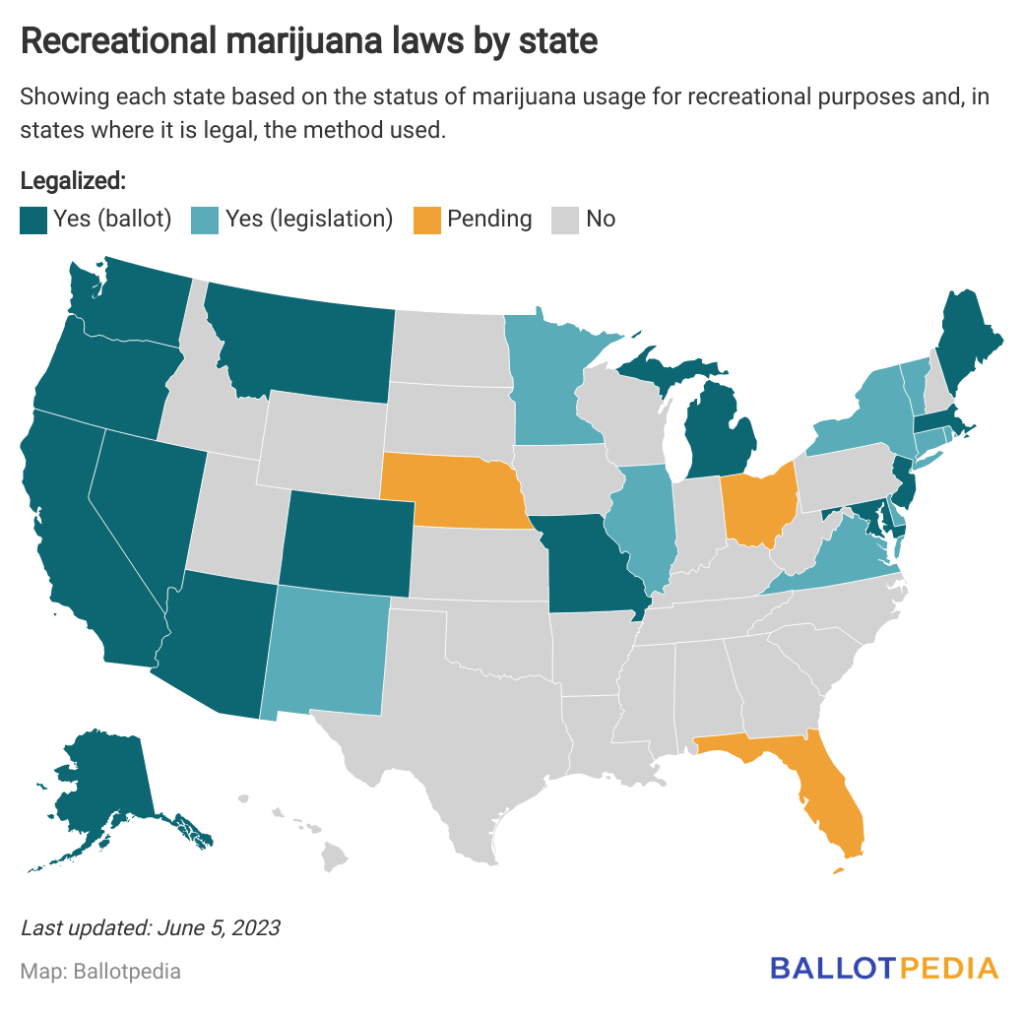
In the first half of 2023, Delaware and Minnesota became the 22nd and 23rd states, respectively, to legalize recreational marijuana. Delaware’s move in April was particularly notable for the Mid-Atlantic region, positioning the state to capture tax revenue from neighboring jurisdictions that have been slower to implement retail frameworks.
Minnesota followed in May 2023, signing a comprehensive bill that not only legalized possession but established a framework for a state-regulated market. From a business finance perspective, Minnesota’s model is designed to encourage small-scale “micro-businesses,” which prevents the total monopolization of the market by large Multi-State Operators (MSOs). This creates a fertile ground for local entrepreneurs and side hustles in the ancillary space, such as delivery services and specialized security.
Ohio: The Late-Year Surge
The most significant financial shift occurred in November 2023, when Ohio voters approved Issue 2. As the seventh-most populous state in the U.S., Ohio’s entry into the recreational market is a monumental financial event. Analysts project that Ohio’s adult-use market could generate hundreds of millions of dollars in annual tax revenue within its first few years of operation. For investors, the “Ohio Opportunity” represents a massive scaling of production capacity and a new battleground for brand dominance in the Midwest.
Maryland and Missouri: From Legislation to Transactions
While some states legalized in 2023, others officially launched their retail markets. Maryland and Missouri saw their recreational sales go live in 2023, providing immediate case studies in rapid market maturation. Maryland, specifically, saw a staggering $87 million in legal cannabis sales during its first month of adult-use availability in July. These figures highlight the “pent-up demand” phenomenon, where a legal framework unlocks immediate, massive capital flows that were previously trapped in the illicit market.
The Macroeconomics of the Cannabis Industry: Tax Revenue and State Budgets
Legalization is increasingly viewed through the lens of fiscal responsibility. For state governments, the move toward recreational marijuana is a strategy to diversify revenue streams without raising broad-based income or sales taxes.
The Tax Windfall
The 2023 data suggests that cannabis excise taxes have become a vital component of state budgets. States like Colorado and Washington have long demonstrated this, but the new 2023 markets are implementing even more sophisticated tax structures. Generally, these include a combination of wholesale taxes and retail excise taxes, often ranging from 10% to 20%.
For a state like Missouri, which launched sales in early 2023, the tax revenue has already begun to fund veterans’ healthcare and public defender programs. From a financial planning perspective, this “sin tax” revenue is relatively recession-proof, as consumer demand for cannabis remains inelastic even during periods of broader economic volatility.
Job Creation and Real Estate Appreciation
The economic impact extends far beyond the point of sale. The legalization in states like Ohio and Minnesota triggers a surge in commercial real estate demand. Zoning laws often restrict cannabis businesses to specific industrial or commercial zones, leading to a premium on compliant properties.
Furthermore, the industry is a massive job creator. In 2023, the legal cannabis workforce in the U.S. surpassed 400,000 full-time equivalent jobs. This includes not just “budtenders” and growers, but high-paying roles in compliance, laboratory testing, specialized legal counsel, and financial accounting. For those looking for career pivots or side hustles, the 2023 expansion has opened doors in sectors like cannabis-specific digital marketing and logistics.

Navigating the Financial Labyrinth: Tax Code 280E and Banking
Despite the growth in the number of legal states, the cannabis industry remains one of the most difficult sectors to manage from a business finance perspective. The primary culprit is the disconnect between state and federal law, which creates a “two-tier” financial reality for operators.
The Burden of Section 280E
For any business operating in the states legalized in 2023, the Internal Revenue Code Section 280E remains the single greatest hurdle to profitability. This federal provision prevents businesses engaged in the trafficking of “controlled substances” from deducting standard business expenses from their gross income.
In practice, this means a cannabis dispensary in Delaware or Ohio might pay an effective tax rate of 70% or higher. They cannot deduct rent, payroll, or marketing expenses—only the “cost of goods sold.” For investors, this makes bottom-line profitability elusive, forcing a focus on “EBITDA” and long-term scaling rather than immediate dividends.
The Banking Gap and the SAFE Banking Act
The lack of traditional banking access continues to plague the industry in 2023. Because marijuana remains a Schedule I substance at the federal level, many national banks refuse to provide checking accounts, merchant services, or lines of credit to cannabis businesses.
This creates a high-risk, cash-heavy environment. However, this gap has fostered a sub-industry of FinTech solutions. Companies providing “cashless ATM” technology, blockchain-based payment tracking, and specialized credit unions are seeing massive growth. From an investment standpoint, these “ancillary” tech companies are often more attractive than the plant-touching businesses themselves, as they are not subject to the same 280E restrictions and federal scrutiny.
Investment Strategies in a Maturing Market
As the number of recreational states grew in 2023, the investment thesis for cannabis shifted. The era of “blindly buying anything green” is over; the current market demands a focus on fundamentals and operational efficiency.
Multi-State Operators (MSOs) vs. Boutique Brands
The primary vehicles for public investment are Multi-State Operators—large corporations that own licenses across multiple legalized states. In 2023, the strategy for many MSOs has been consolidation. By acquiring smaller licenses in new markets like Maryland or Ohio, these giants can achieve economies of scale that mitigate some of the high costs of 280E.
Conversely, there is a growing trend toward “boutique” or “craft” brands. As consumer tastes mature, particularly in older markets like California or Colorado, there is a lucrative niche for high-end, branded products that command a price premium. For private equity investors, the 2023 recreational boom in the Midwest offers a chance to build the “Starbucks of Cannabis”—a brand with high loyalty and standardized quality.
Ancillary Services: The “Picks and Shovels” Play
One of the most robust side hustles and investment strategies in 2023 involves “ancillary” businesses. These are companies that support the industry without ever touching the plant. Examples include:
- Legal and Compliance Tech: Software that helps dispensaries stay compliant with state seed-to-sale tracking requirements.
- Packaging and Branding: Specialized, child-resistant packaging that meets the varying regulations of different states.
- Industrial Real Estate: Owning and leasing the climate-controlled warehouses required for indoor cultivation.
These businesses often have higher profit margins and lower legal risks than dispensaries or cultivation centers, making them the preferred entry point for conservative capital.
The Future Outlook: Toward a National Market
The developments of 2023 have brought the U.S. closer to a tipping point. With over half of the states now allowing some form of recreational use, the pressure on the federal government to reform banking and tax laws has reached a fever pitch.
The Rescheduling Debate
In late 2023, the Department of Health and Human Services (HHS) recommended that the DEA move marijuana from Schedule I to Schedule III. If this occurs, it would effectively neutralize Section 280E, allowing cannabis businesses to deduct expenses like any other industry. The financial implications would be staggering—potentially doubling the net income of major operators overnight. This prospect makes the states legalized in 2023 particularly attractive as “early entry” points before a potential federal revaluation.
Conclusion for the Modern Investor
The legalization of recreational marijuana in states like Delaware, Minnesota, and Ohio in 2023 is more than a social trend; it is a major economic realignment. While the industry faces unique financial challenges due to federal policy, the sheer volume of revenue being generated is impossible to ignore. For the savvy participant in the “Money” niche, the current landscape offers a rare opportunity to engage with a multi-billion dollar industry that is still in its formative, high-growth stages. Whether through direct investment, ancillary services, or market analysis, the “green economy” of 2023 has set the stage for a new era of American business finance.
aViewFromTheCave is a participant in the Amazon Services LLC Associates Program, an affiliate advertising program designed to provide a means for sites to earn advertising fees by advertising and linking to Amazon.com. Amazon, the Amazon logo, AmazonSupply, and the AmazonSupply logo are trademarks of Amazon.com, Inc. or its affiliates. As an Amazon Associate we earn affiliate commissions from qualifying purchases.