
In the landscape of American retail, few names carry as much historical weight and regional significance as Safeway. For nearly a century, the brand has served as a cornerstone of the grocery industry, evolving from a small Skaggs family operation into a massive subsidiary of Albertsons Companies. However, for many consumers, Safeway remains an enigma of geography. Unlike some big-box retailers that maintain a presence in nearly every corner of the continental United States, Safeway’s brand strategy is one of surgical precision and regional dominance.
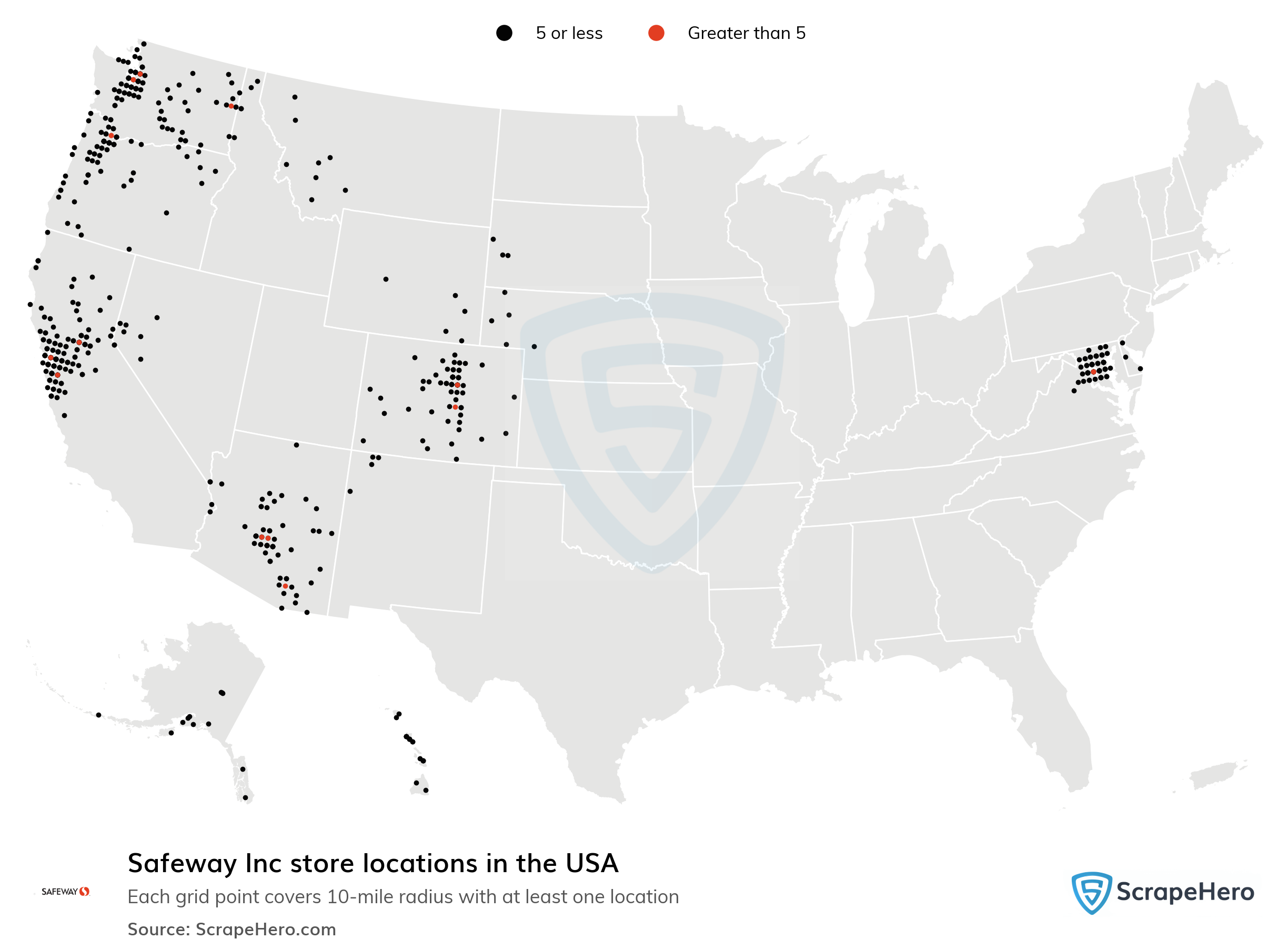
Understanding which states have Safeway is not merely a matter of checking a map; it is an exploration of corporate mergers, strategic site selection, and the nuances of regional brand equity. Today, Safeway operates approximately 900 stores across 17 states and the District of Columbia, maintaining a footprint that is heavily skewed toward the Western United States and the Mid-Atlantic.
The Geography of a Retail Powerhouse: Mapping the Safeway Footprint
Safeway’s distribution is a masterclass in regional brand loyalty. The brand does not attempt to compete in every market; instead, it anchors itself in regions where it has established deep roots and high consumer trust. This localized approach allows Safeway to optimize its supply chain and marketing efforts, focusing on demographics that align with its premium-yet-accessible brand identity.
The Western Stronghold
The heart of the Safeway brand beats in the West. California remains the brand’s most significant market, with hundreds of locations primarily concentrated in Northern and Central California. In these regions, Safeway is often the default grocery destination, benefiting from decades of market penetration.
Washington and Oregon follow closely behind. In the Pacific Northwest, Safeway’s presence is ubiquitous, often serving as the primary competitor to local chains and national giants alike. The brand’s expansion into Alaska and Hawaii further cements its status as a Western staple, where it manages the unique logistical challenges of non-contiguous states to maintain market share.
The Mid-Atlantic and Mountain Regions
While the West is Safeway’s traditional home, its presence in the Mid-Atlantic—specifically Maryland, Virginia, and Delaware—is equally vital to its corporate strategy. In the District of Columbia and its surrounding suburbs, Safeway (often colloquially referred to as “Social Safeway” or “Secret Safeway” in specific D.C. neighborhoods) has integrated itself into the urban fabric.
In the Mountain region, Safeway maintains a strong presence in Colorado and Arizona. These states represent high-growth markets where Safeway has successfully pivoted its branding to appeal to both long-time residents and the influx of new arrivals. Other states with a Safeway presence include Idaho, Montana, Nevada, New Mexico, South Dakota, Wyoming, and Nebraska, though the store counts in these areas are often more concentrated in major metropolitan hubs.
Brand Positioning and the Albertsons Companies Synergy
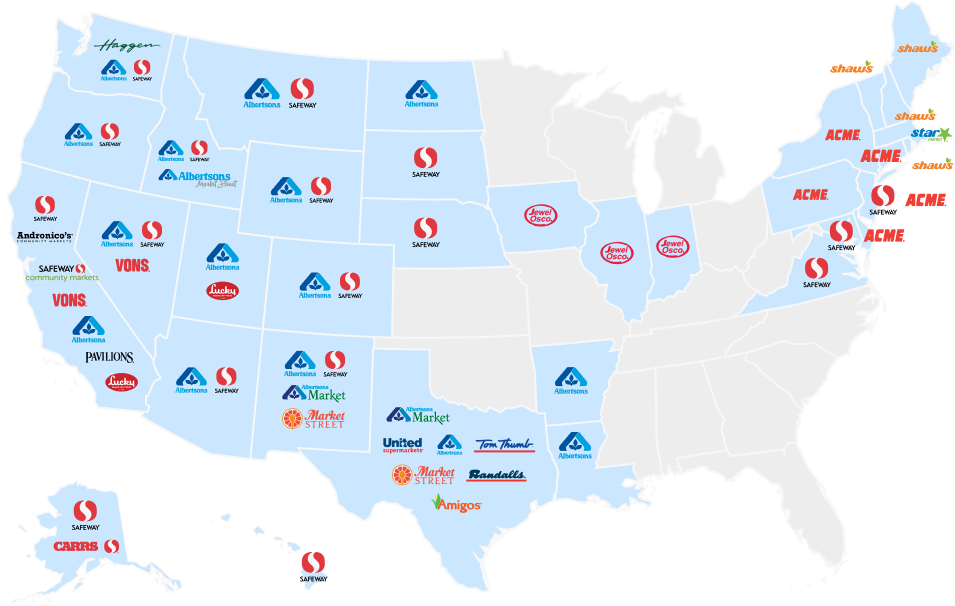
To understand why Safeway exists in some states and not others, one must look at the 2015 merger between Safeway and Albertsons. This union created one of the largest food and drug retailers in the United States, but it also necessitated a complex branding strategy. The parent company, Albertsons Companies, operates under more than 20 different well-known banners, including Vons, Jewel-Osco, Shaw’s, and Pavilions.
Regional Branding and “Bannered” Continuity
The decision to keep the Safeway name in specific states while using different names elsewhere is a calculated move in brand equity preservation. For example, in Southern California, many stores that function identically to Safeway are branded as Vons. In Chicago, the same corporate infrastructure supports Jewel-Osco.
The strategy is simple: if a regional brand has decades of goodwill, there is no financial incentive to rebrand it to “Safeway” or “Albertsons.” Consequently, the states that have Safeway are those where the Safeway name carries the most weight. This “multi-banner” approach allows the parent company to maintain local trust while benefiting from the massive scale of a national corporation.
Private Labels as Brand Anchors
Regardless of the state, the Safeway brand is reinforced by its robust portfolio of private labels. Brands like O Organics, Lucerne Dairy Farms, and Signature Select are exclusive to the Albertsons/Safeway family. These private labels act as a unifying force across state lines. A consumer in Seattle, Washington, and a consumer in Arlington, Virginia, may shop at different Safeway stores, but they both identify the “Signature Select” logo as a marker of Safeway’s internal quality standards. This consistency is a primary driver of the brand’s high customer retention rates.
The Science of Site Selection: Why Safeway Stays Put

The distribution of Safeway stores is rarely accidental. The company utilizes sophisticated data analytics to determine which states and specific neighborhoods can support its business model. Safeway typically positions itself as a “mid-to-high” tier grocer, sitting comfortably between discount wholesalers and ultra-premium organic markets.
Demographic Targeting and Urban Density
Safeway’s brand strategy favors areas with high population density and a stable middle-to-upper-middle-class demographic. By focusing on states like California, Washington, and Virginia, Safeway taps into regions with high cost-of-living indexes where consumers are willing to pay for convenience, store ambiance, and a wide selection of fresh produce.
In urban centers like San Francisco or Washington D.C., Safeway often secures “anchor” positions in mixed-use developments. These locations are strategic, ensuring that the brand is part of the daily commute and lifestyle of urban professionals. The brand’s ability to adapt its store format—from massive suburban “lifestyle” stores to compact urban markets—allows it to maintain a presence in diverse geographic settings within its target states.
Supply Chain Logistics and Distribution Clusters
A major factor in Safeway’s state-by-state presence is the proximity to distribution centers. Operating a grocery chain requires a cold-chain infrastructure that is both expensive and complex. Safeway clusters its stores in states where it can leverage existing distribution hubs.
For instance, the concentration of stores in Northern California and the Pacific Northwest allows for frequent deliveries of fresh goods with minimal transport time. Expanding into a new state where Safeway has no existing footprint would require a multi-billion dollar investment in logistics, which explains why the brand chooses to deepen its roots in existing states rather than spreading itself thin across the entire map.
Digital Evolution: Scaling the Brand Beyond Physical States
In the modern retail era, the question “what states have Safeway” is becoming increasingly intertwined with the brand’s digital footprint. Through its “for U” digital loyalty program and sophisticated e-commerce platform, Safeway is extending its brand influence beyond the physical walls of its brick-and-mortar locations.
The “for U” Loyalty Ecosystem
Safeway’s digital strategy is centered on personalization. The “for U” program uses AI-driven algorithms to offer shoppers in Safeway-populated states customized deals based on their previous purchasing habits. This level of data integration strengthens the brand’s relationship with the consumer, making the shopping experience feel localized and personal. By focusing on digital engagement, Safeway increases its “share of wallet” among existing customers, which is often more profitable than geographic expansion.
E-commerce and Last-Mile Delivery
Safeway was an early adopter of grocery delivery, a move that has paid dividends in its core states. By partnering with third-party delivery services and maintaining its own fleet in select markets, Safeway ensures that its brand is present on the screens of consumers, even if they never step foot in a store. This digital presence allows the brand to remain competitive in high-tech markets like Silicon Valley and the Seattle tech corridor, where convenience is the ultimate brand currency.
The Future of the Safeway Brand: Consolidation and Growth
The future landscape of Safeway’s geographic presence is currently a subject of intense industry speculation, primarily due to the proposed merger between Kroger and Albertsons Companies. This potential union would represent the largest grocery merger in U.S. history and could fundamentally alter which states carry the Safeway banner.
Market Consolidation and Potential Divestitures
If the merger proceeds, regulatory bodies may require the divestiture of certain stores to prevent local monopolies. This could mean that in states where both Kroger (which owns brands like Fred Meyer and QFC) and Safeway have a heavy presence—such as Washington and Colorado—some Safeway locations might be sold to third parties or rebranded.
From a brand strategy perspective, this represents a pivotal moment. The Safeway name is so iconic in the West that any change to its footprint would be a major disruption to consumer habits. However, the merger would also provide the capital necessary to modernize existing Safeway locations, integrating more advanced tech like automated checkout and AI-managed inventory.
Sustainability and Community Brand Building
As Safeway looks toward the future, its brand strategy is increasingly focused on ESG (Environmental, Social, and Governance) initiatives. In the states where it operates, Safeway is positioning itself as a leader in sustainability, with goals to reduce food waste and carbon emissions. By aligning the brand with the values of its West Coast and Mid-Atlantic customer base, Safeway is building a “brand moat” that protects its market share against discount competitors.
Ultimately, the states that have Safeway are more than just dots on a map; they are the battlegrounds of a sophisticated retail strategy. By leveraging regional heritage, digital innovation, and a parent company’s massive scale, Safeway continues to prove that in the world of branding, being everywhere is less important than being essential where you are.
aViewFromTheCave is a participant in the Amazon Services LLC Associates Program, an affiliate advertising program designed to provide a means for sites to earn advertising fees by advertising and linking to Amazon.com. Amazon, the Amazon logo, AmazonSupply, and the AmazonSupply logo are trademarks of Amazon.com, Inc. or its affiliates. As an Amazon Associate we earn affiliate commissions from qualifying purchases.