
The landscape of American finance and sports entertainment underwent a seismic shift in May 2018. When the Supreme Court overturned the Professional and Amateur Sports Protection Act (PASPA), it effectively ended the federal ban on sports wagering, handing the power to individual states to regulate, tax, and profit from the industry. Since that landmark decision, the United States has seen a rapid expansion of legalized sports gambling, turning it into a multi-billion dollar economic engine. Understanding which states allow sports gambling is no longer just a question for enthusiasts; it is a critical inquiry for investors, state budget analysts, and those interested in the broader intersections of digital commerce and personal finance.
The Macroeconomics of State-Sanctioned Betting
From a business finance perspective, the legalization of sports betting represents one of the most significant new revenue streams for state governments in the 21st century. Before 2018, the vast majority of sports wagering occurred in the “shadow economy,” through offshore accounts or unregulated local bookmakers. By bringing this activity into the light, states have tapped into a massive reservoir of tax revenue.
States like New York and Pennsylvania have led the charge in maximizing the fiscal benefits of this industry. New York, for instance, implemented a 51% tax rate on gross gaming revenue for mobile sports betting, a figure that many industry analysts initially thought would stifle growth. Instead, New York quickly became the highest-grossing market in the country, contributing billions of dollars to state education funds and public infrastructure. This illustrates a key shift in fiscal policy: states are increasingly viewing regulated gambling not merely as a moral issue, but as a sophisticated financial tool to balance budgets without raising income or sales taxes.
A Comprehensive Map of Legalized States
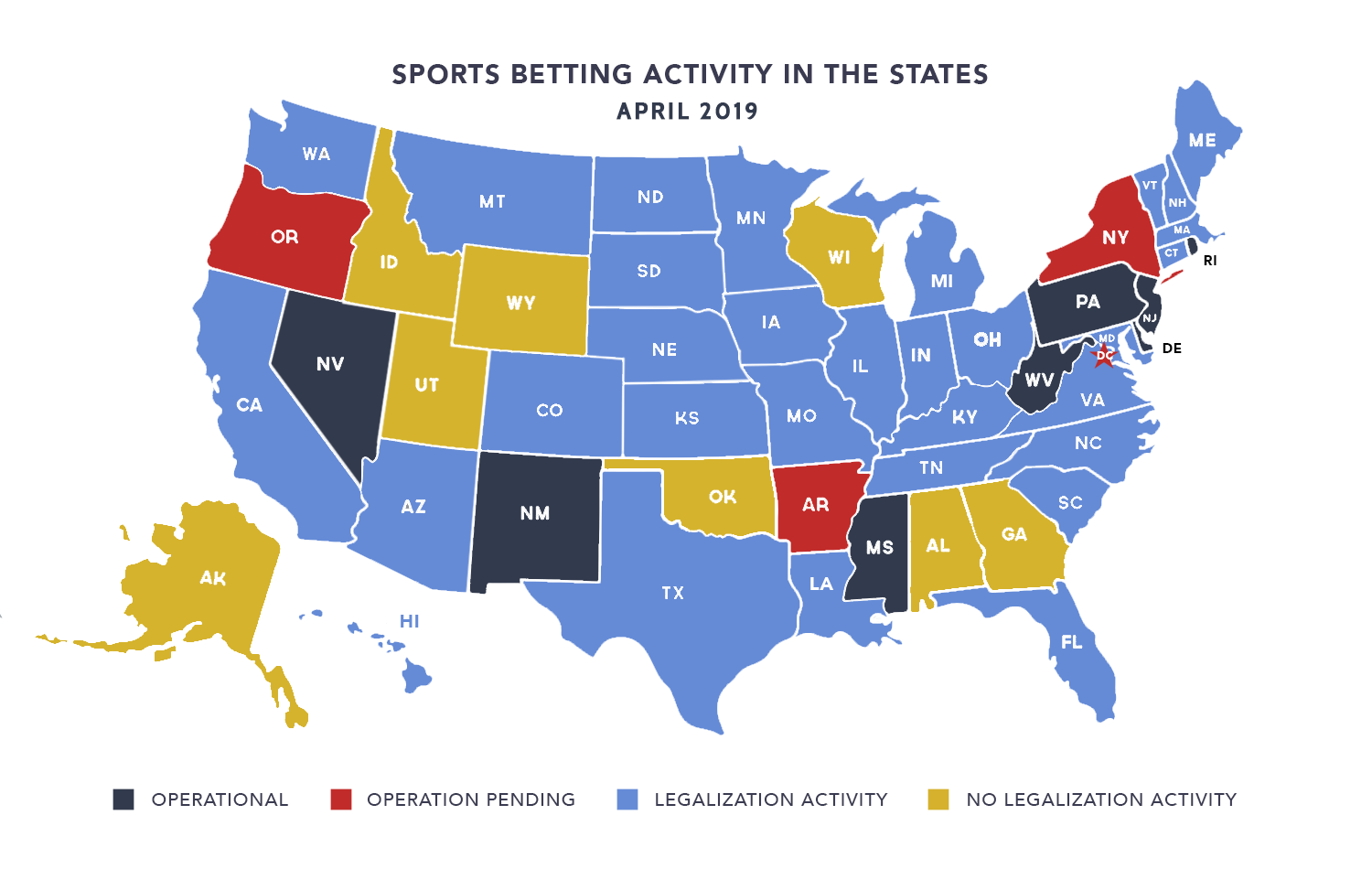
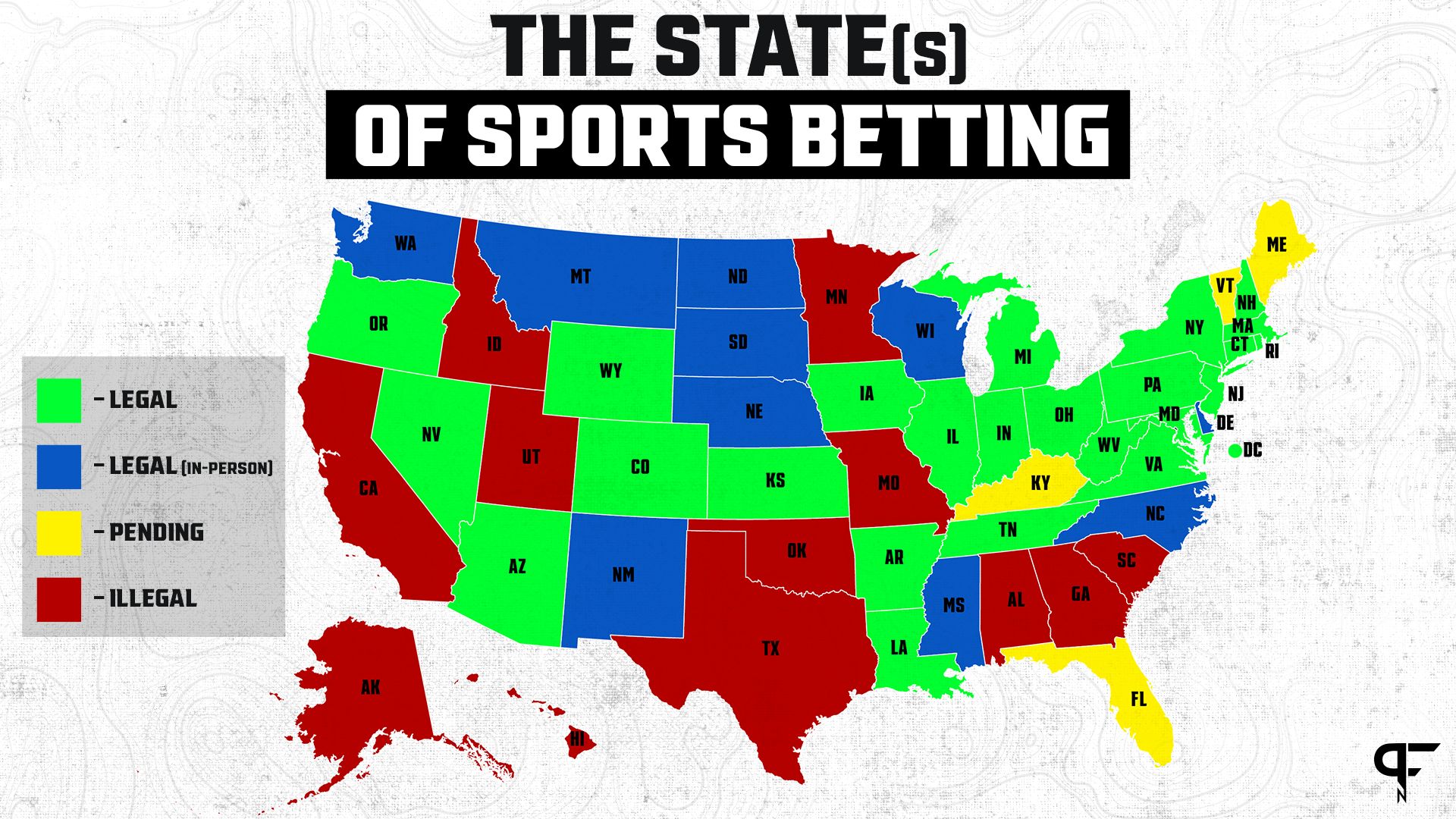
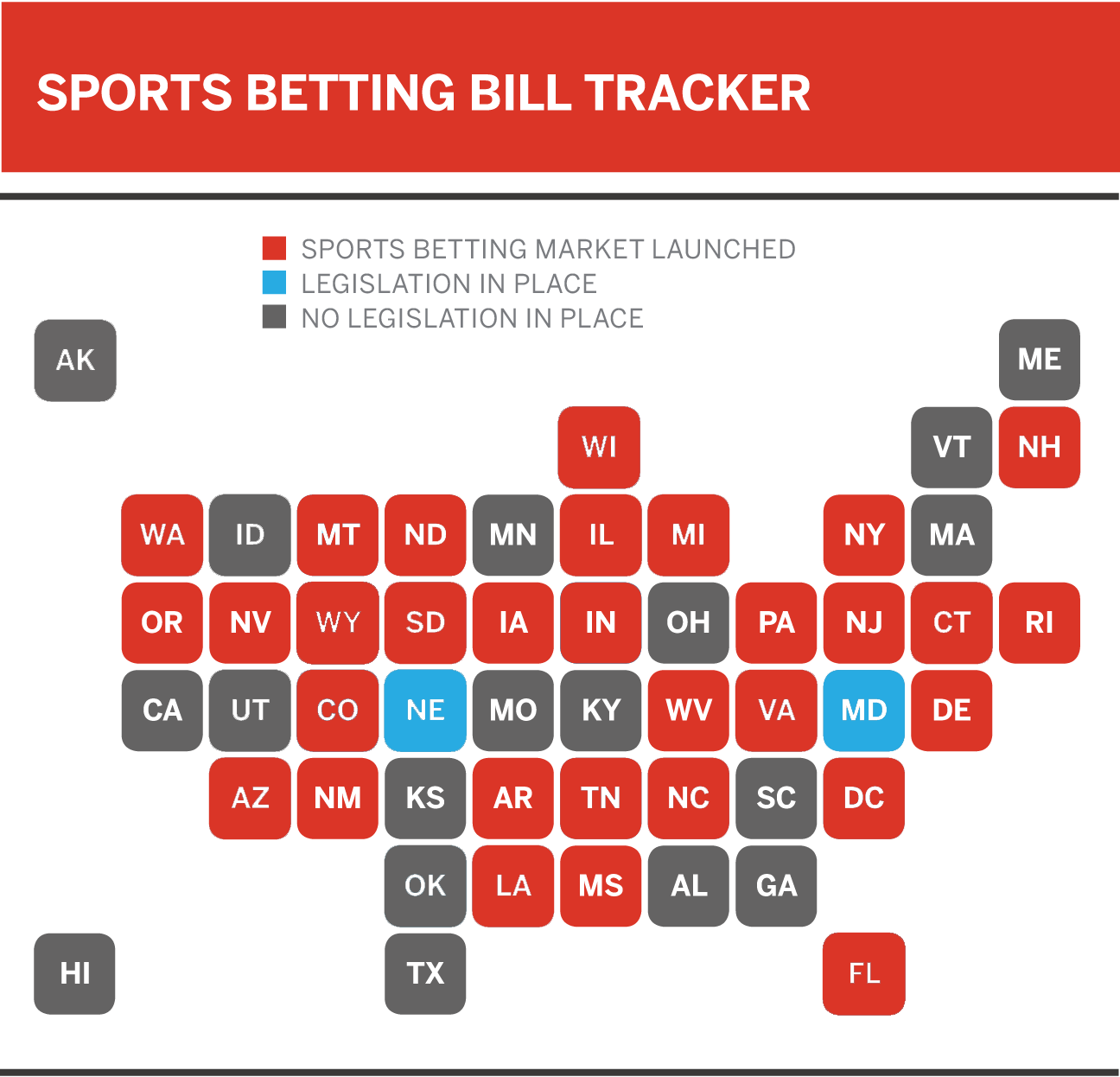
The “map” of legal sports gambling is a patchwork of different regulatory models. As of the current fiscal year, more than 35 states and the District of Columbia have legalized some form of sports wagering. However, the financial implications vary wildly depending on whether a state allows mobile betting, retail-only betting, or a hybrid of both.
The Leaders in Mobile and Retail Integration
States such as New Jersey, Pennsylvania, Illinois, Ohio, and Arizona offer the most robust financial ecosystems for sports betting. These states allow for full mobile wagering, which typically accounts for 80% to 90% of a state’s total “handle” (the total amount of money wagered).
- New Jersey: Often cited as the gold standard for the industry, New Jersey’s early entry into the market allowed it to build a sophisticated regulatory framework that balances consumer protection with high-volume business operations.
- Ohio: One of the most successful recent launches, Ohio generated over $1 billion in handle in its first month of legal operation, showcasing the immense pent-up demand in Midwestern markets.
Retail-Only and Limited Markets
Several states have taken a more conservative financial approach, allowing sports betting only within the physical confines of casinos or tribal lands.
- Mississippi and South Dakota: These states rely on the “destination” model. While this limits the total tax revenue compared to mobile-enabled states, it serves as a driver for the hospitality and tourism sectors, funneling money into brick-and-mortar resorts and supporting local employment.
- North Carolina: Recently transitioned from a retail-only model to a full mobile market, recognizing the significant tax “leakage” that occurs when residents cross state lines to place bets in neighboring jurisdictions.
The Notable Holdouts: Texas and California
From a market capitalization perspective, the two biggest prizes remain on the sidelines. California and Texas represent the largest untapped financial opportunities in the U.S. sports betting market. In California, complex political dynamics involving tribal gaming rights and commercial operators have stalled legalization. In Texas, legislative resistance remains high despite the potential for hundreds of millions in annual tax revenue. For investors and major operators like DraftKings and FanDuel, these states represent the “final frontier” of domestic growth.
The Business of the Sportsbook: How the Industry Operates
To understand the financial impact of legalized betting, one must look at the corporate side of the equation. The sports betting industry is dominated by a few major players who have spent billions on customer acquisition.
The High Cost of Customer Acquisition
In the early years post-PASPA, the primary focus for companies like MGM Resorts, Caesars, and Flutter Entertainment (the parent company of FanDuel) was market share. This led to a “marketing war” where companies offered massive sign-up bonuses and risk-free bets to attract users. From a corporate finance standpoint, many of these companies operated at a loss for years, prioritizing long-term brand dominance over immediate profitability. We are now seeing a shift toward “path to profitability” models, where companies are slashing marketing budgets and focusing on refining their technology and margins.
Data and Financial Technology (FinTech) Integration
The intersection of sports betting and FinTech is a burgeoning sector. The speed of transactions—depositing funds and withdrawing winnings—is a primary competitive advantage. This has spurred innovation in digital wallets and instant-payment processing. Companies that provide the underlying technology for these transactions are becoming essential players in the financial services ecosystem, bridging the gap between traditional banking and the high-frequency world of sports wagering.
Personal Finance: Navigating the Betting Economy
For the individual, the legalization of sports gambling introduces a new set of personal finance considerations. While many view it as entertainment, others approach it as a potential side hustle or even a form of alternative investment.
The Importance of Bankroll Management
From a financial planning perspective, sports betting should be categorized as discretionary spending, similar to a travel budget or dining out. Professional “sharps”—the small percentage of bettors who are consistently profitable—treat betting like a hedge fund. They utilize rigorous bankroll management, never risking more than 1% to 2% of their total capital on a single event. They use data analytics and financial modeling to identify “value” in the market, effectively treating a sports bet like a mispriced stock.
Tax Implications for the Individual
One often-overlooked aspect of sports gambling is the tax obligation. The IRS classifies gambling winnings as taxable income. In the United States, if a bettor wins $600 or more (at odds of at least 300 to 1), the sportsbook is required to report those winnings. However, even smaller wins are technically reportable. On the flip side, taxpayers can deduct gambling losses up to the amount of their winnings, provided they keep detailed records and itemize their deductions. This adds a layer of complexity to annual financial filing that many casual bettors are unprepared for.
The Future Economic Outlook: Convergence and Consolidation
As the market matures, we are likely to see several financial trends emerge. The first is consolidation. The high cost of licensing, technology, and compliance makes it difficult for smaller operators to survive. We can expect more mergers and acquisitions as larger firms swallow up niche players to acquire their technology or user bases.
Secondly, the convergence of media and betting will deepen. Media conglomerates are increasingly integrating betting lines into their broadcasts, creating a “one-stop shop” for sports consumption. This creates a vertical financial model where the broadcaster also profits from the betting action their content generates.
Finally, the focus on “Responsible Gaming” (RG) is becoming a core part of the industry’s ESG (Environmental, Social, and Governance) profiles. Large-scale operators are investing in AI tools that can detect problem gambling patterns before they become catastrophic. From a business sustainability perspective, protecting the financial health of the consumer is essential for the long-term viability of the industry. A bankrupt customer is no longer a customer, and excessive social costs could lead to a legislative backlash and higher taxes.
Conclusion: A Permanent Fixture of the Financial Landscape
The question of which states allow sports gambling is part of a much larger narrative about the digitalization of the American economy. As more states look to diversify their revenue streams and more consumers seek mobile-first financial experiences, the sports betting industry will continue to grow. Whether viewed as a state revenue savior, a corporate growth engine, or a personal finance challenge, legalized sports wagering is now a permanent and influential fixture of the United States’ financial landscape. For the savvy observer, the real game isn’t just what happens on the field, but the massive flow of capital occurring behind every play.
aViewFromTheCave is a participant in the Amazon Services LLC Associates Program, an affiliate advertising program designed to provide a means for sites to earn advertising fees by advertising and linking to Amazon.com. Amazon, the Amazon logo, AmazonSupply, and the AmazonSupply logo are trademarks of Amazon.com, Inc. or its affiliates. As an Amazon Associate we earn affiliate commissions from qualifying purchases.